Best Stretches for Lower Back Pain Caused by Sitting All Day
For individuals spending hours at a desk or engaging in prolonged sitting, incorporating the Cat-Cow Stretch can make a lasting impact on lower back health. The ease of practice, combined with notable benefits, makes this stretch an ideal choice for daily use.
Establishing a regular stretching routine that includes the Cat-Cow position not only helps alleviate discomfort but also promotes longer-term spinal health. Regular practice can enhance flexibility, reduce tension, and foster a more active lifestyle overall. Try to make this a vital part of your day, ensuring you prioritize your wellbeing even amid a busy schedule.
3. Piriformis Stretch
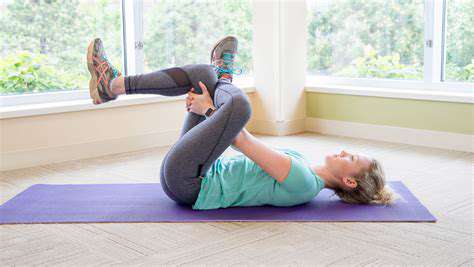
Understanding the Piriformis Muscle and Its Role in Lower Back Pain
The Piriformis Muscle is a small but significant muscle located in the gluteal region, beneath the gluteus maximus. This muscle plays a crucial role in hip rotation and stability. When the piriformis is tight or inflamed, it can compress the sciatic nerve, leading to symptoms similar to sciatica. This discomfort often manifests as pain radiating down the leg, which can significantly affect mobility and daily activities.
Studies show that people who sit for prolonged periods, such as office workers, are particularly susceptible to piriformis tightness. A 2017 study published in the *Journal of Physical Therapy Science* pointed out a direct correlation between sedentary lifestyles and increased instances of piriformis syndrome. Therefore, understanding how to effectively stretch and strengthen this muscle is vital for relief from lower back pain.
Effective Technique for Piriformis Stretching and Prevention
- Begin seated to promote ease and comfort.
- Cross one leg over the other, placing your foot on the outer thigh.
- Gently pull the knee toward the opposite shoulder to feel a stretch.
- Hold the position for at least 30 seconds, then switch sides.
To effectively combat lower back pain caused by sitting, incorporating the piriformis stretch into your daily routine can be immensely beneficial. Aim to perform this stretch at least once or twice a day, especially during long periods of sitting. It not only helps in alleviating discomfort but also enhances overall flexibility and muscle function in the hip area.
In addition to stretching, consider other preventative measures such as taking breaks to walk around every hour. Integrating a few minutes of movement into your day can significantly reduce muscular tension and improve circulation. Furthermore, combining strengthening exercises for the hip and core with stretching creates a well-rounded approach to pain management and prevention.
4. Seated Forward Bend
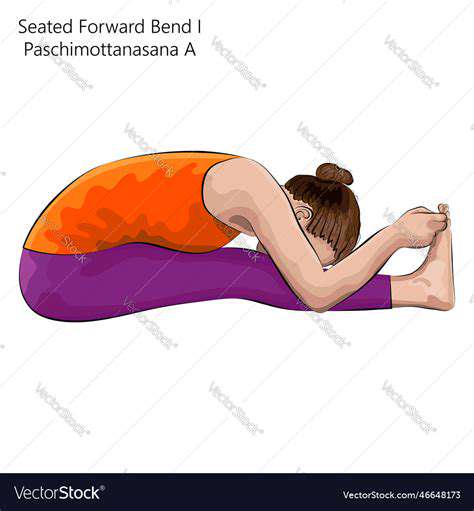
1. Understanding the Seated Forward Bend
The Seated Forward Bend, known as Paschimottanasana in yoga, is an effective stretching technique that targets the entire back. This pose involves sitting with legs extended and bending forward to enhance flexibility and relieve tension. Research has shown that such forward bends can significantly decrease lower back discomfort over time.
In addition, this stretch activates your hamstrings, calves, and spine, leading to improved overall posture—a crucial aspect for those who spend prolonged periods sitting. Regular practice can also balance your emotions and reduce stress levels.
2. Step-by-Step Guide to Performing Seated Forward Bend
To begin the Seated Forward Bend, sit on the floor with your legs extended straight in front of you. Ensure your spine is straight and shoulders relaxed. Inhale deeply and as you exhale, hinge at your hips to lean forward. It's vital to reach your hands toward your feet while keeping your back flat.
Hold the position for 20 to 60 seconds, breathing deeply throughout. You can modify the pose by using a strap around your feet or bending your knees slightly if you feel discomfort.
3. Benefits for Lower Back Pain Relief
- Increases flexibility and strength in the muscles around the lower back.
- Helps release tension built from prolonged sitting.
- Encourages blood flow to the spine, enhancing healing.
The Seated Forward Bend is lauded for its beneficial effects on lower back pain. By stretching the spine and hamstrings, you can effectively reduce muscle tightness, which is often a root cause of discomfort. As a professional in the field, I recommend integrating this stretch into your daily routine to experience cumulative benefits.
4. Precautions to Keep in Mind
Before performing the Seated Forward Bend, it's important to assess your current physical condition. If you have existing injuries or severe back pain, consult a healthcare professional or physical therapist first. Avoid forcing yourself into the stretch, as it can lead to injuries.
Always listen to your body. If you feel sharp pain during the stretch, ease out of the position gradually and modify your approach. Proper form and alignment are crucial to maximizing the benefits while avoiding unwanted strain.
5. Incorporating into Your Daily Routine
To incorporate the Seated Forward Bend into your daily life, set aside a specific time each day dedicated to stretching. Whether it’s in the morning or during a midday break, making this practice a habit can help mitigate the ill effects of prolonged sitting.
Consider pairing this stretch with other lower back exercises such as pelvic tilts or cat-cow stretches for a comprehensive back care routine. These combinations can lead to optimal results, improving both flexibility and strength.
6. Alternative Variations for Different Skill Levels
For beginners, a seated version with bent knees may provide a more accessible starting point. Holding onto your knees as you lean forward is also beneficial. Intermediate practitioners can try straightening their legs and practicing with a strap to deepen the stretch.
Advanced practitioners might explore a more intense version by incorporating a deeper forward fold or adding a twist to engage more muscles. Each variation aims to target different areas of the back while providing a tailored experience.
7. Long-Term Impact on Posture and Well-Being
The consistent practice of the Seated Forward Bend is not just about flexibility; it significantly impacts overall posture and bodily alignment. With regular incorporation, individuals may notice improved posture, leading to less strain on the spine. Such adjustments can ultimately enhance daily functioning.
Moreover, the nurturing aspect of this stretch contributes to mental clarity and relaxation. In essence, the Seated Forward Bend can serve as a vital tool for both physical and mental well-being, especially for those juggling sedentary lifestyles.
5. Standing Forward Bend
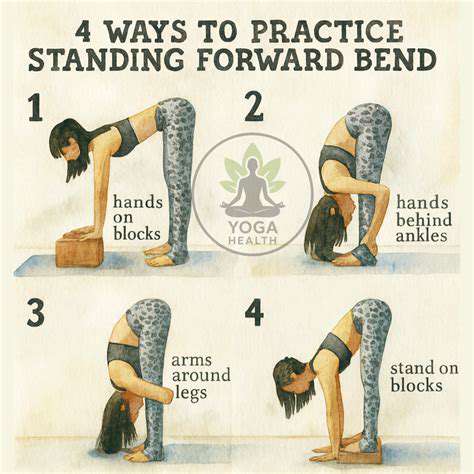
Understanding the Standing Forward Bend
The Standing Forward Bend, or Uttanasana, is a fundamental yoga pose that targets the lower back and stretches the hamstrings. This stretch is particularly beneficial for individuals experiencing discomfort from prolonged sitting. By engaging in this pose, one can enhance flexibility and improve circulation to the spine and legs.
Incorporating this stretch into your daily routine can create significant improvements in posture and alleviate tension in the back. Many practitioners find that the forward bend allows them to release stress accumulated in the lower back and neck region.
How to Perform the Standing Forward Bend
- Start by standing upright with your feet hip-width apart.
- Inhale deeply and raise your arms overhead, lengthening your spine.
- As you exhale, hinge at your hips and begin to fold forward.
- Keep a slight bend in your knees if you feel tightness in your hamstrings.
While in this position, focus on relaxing your neck and shoulders. Hold the pose for at least 30 seconds to allow your body to experience the full benefit of the stretch. Remember to breathe deeply and evenly through your nose to maximize oxygen flow.
Benefits of the Standing Forward Bend for Lower Back Pain
Engaging in the Standing Forward Bend can lead to various physical and mental benefits, especially for those with sedentary lifestyles. This pose not only stretches the spine but also promotes better posture by lengthening the back muscles.
Individuals who consistently practice this stretch may notice a reduction in lower back pain. Studies suggest that incorporating flexibility training, like the Standing Forward Bend, can yield significant improvements in overall spinal health.
Precautions and Modifications
Despite its benefits, the Standing Forward Bend may not be suitable for everyone, especially those with severe lower back issues or injuries. If you find the pose challenging, consider bending your knees or using a yoga block to support your hands.
Another recommendation is to practice the pose in front of a mirror. This allows you to maintain proper alignment and form, reducing the risk of injury and enhancing effectiveness.
Integrating the Stretch into Daily Life
To make the most out of the Standing Forward Bend, try integrating it into your day whenever possible, especially after long hours of sitting. Consider doing this stretch during breaks or while watching TV.
By consistently engaging in this stretch for a few minutes each day, you can cultivate a more active lifestyle, counteracting the negative effects of prolonged sitting. Remember, every little bit helps, and your body will thank you for it in the long run.
Conclusion: Making Standing Forward Bend Part of Your Routine
In conclusion, the Standing Forward Bend is a simple yet effective stretch that can significantly relieve lower back pain caused by sitting. Regular practice not only promotes flexibility but also enhances overall wellbeing.
As you move forward, be mindful of your body signals and make adjustments as necessary. Implementing this stretch into your daily life may very well revolutionize your approach to managing back discomfort.
Read more about Best Stretches for Lower Back Pain Caused by Sitting All Day




![Cardio Exercises You Can Do at Home [No Equipment]](/static/images/26/2025-08/StairClimbingforaChallengingWorkout.jpg)