Cooking for One: Healthy Weight Loss Recipes
6. Meal Prep Tips for Convenience
Meal prepping can be a game-changer for anyone looking to eat healthily throughout the week. Prepare your shrimp, chop your vegetables, and store them in airtight containers for easy access. This preparation step not only saves time but also reduces the temptation to opt for less healthy meal options on busy days.
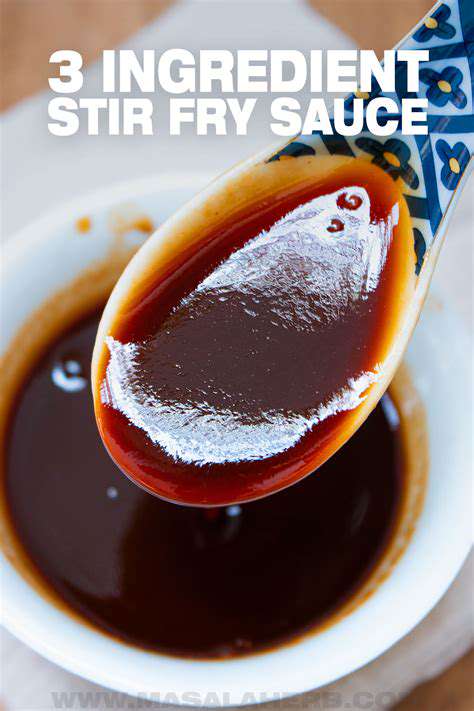
Consider batch cooking your stir-fry base and freezing individual portions. This way, you can pull out a serving and add fresh ingredients as needed. This approach not only minimizes waste but also keeps your meals exciting without the monotony that can accompany frozen food.
7. Potential Allergies and Dietary Considerations
While shrimp is a nutritious choice for many, it is also a common allergen. Approximately 2% of the population has a shellfish allergy, which may require careful consideration when cooking for others. Always communicate meal ingredients when hosting dinners or sharing food, to ensure safety.
It’s also important to be mindful of cooking methods if you have dietary restrictions, such as needing gluten-free options. Using tamari in place of soy sauce offers a gluten-free alternative without sacrificing flavor. Flexibility in ingredient substitution can help in catering to various dietary needs, making your stir-fry accessible and enjoyable for all.
2. Quinoa Salad with Black Beans and Avocado
Ingredients and Nutritional Benefits
For preparing Quinoa Salad with Black Beans and Avocado, you'll need key ingredients like quinoa, black beans, fresh avocado, cherry tomatoes, bell peppers, and lime juice. Quinoa is a powerhouse of protein, providing all nine essential amino acids, which is particularly beneficial for those reducing meat intake. This makes it an excellent choice for weight management and overall health.
Black beans are another nutrient-packed element in this salad, delivering fiber and protein that help maintain feelings of fullness. They are also rich in antioxidants and vitamins, contributing to improved digestion and heart health. Avocados, with their Healthy Monounsaturated Fats, add creaminess to the salad while providing essential nutrients like potassium and vitamin E. When selecting avocados, look for ones that yield slightly to pressure, indicating ripeness.
Preparation Tips for the Perfect Salad
To create the perfect quinoa salad, start by rinsing the quinoa under cold water to remove its natural coating, which can be bitter. Then, cook it according to the package instructions, typically with a 2:1 water-to-quinoa ratio. For added flavor, consider cooking quinoa in vegetable broth instead of water.
When it comes to assembling your salad, chop the vegetables uniformly so that each bite contains a good mix of flavors and textures. A simple dressing made from olive oil, lime juice, salt, and pepper can enhance the overall taste without overpowering the fresh ingredients. For a vibrant twist, add freshly chopped cilantro or a sprinkle of feta cheese for extra flavor.
It’s worth noting that this salad can be prepared in advance and stored in the refrigerator for up to three days. Be sure to keep the dressing separate until just before serving to maintain the crispness of the vegetables. This dish is not only quick to make but also a flexible option, allowing for variations like adding corn, diced jalapeños, or switching up the dressing based on what you have on hand.
3. Spaghetti Squash with Marinara Sauce
Recipe Overview and Nutritional Benefits
When it comes to healthy meals, spaghetti squash is a fantastic alternative to traditional pasta. This vegetable is low in calories but high in nutrients, making it a great choice for anyone looking to lose weight. One cup of cooked spaghetti squash contains only about 42 calories, while offering vitamins A and C, along with several antioxidants.
For those watching their carbohydrate intake, this squash provides roughly 10 grams of carbs per serving, which is significantly lower than a standard serving of pasta. Additionally, it’s a good source of fiber, which can help you feel fuller for longer and support digestive health.
Preparation and Cooking Tips
To prepare spaghetti squash, start by preheating your oven to 400°F (200°C). Halve the squash lengthwise and scrape out the seeds. Once peeled, lightly brush the cut sides with olive oil, seasoning them with salt and pepper for flavor. This simple step enhances the dish and prepares the squash for roasting.
After placing the squash cut-side down on a baking sheet, roast it for about 30-40 minutes until it is tender. Let it cool before using a fork to scrape out the strands, resembling spaghetti. These strands can be mixed with marinara sauce, making it a delightful, guilt-free meal option.
4. Sweet Potato and Chickpea Buddha Bowl
Benefits of Sweet Potatoes in Your Diet
Sweet potatoes are a nutrient-dense food packed with vitamins A, C, and E, which are crucial for maintaining overall health. Their high fiber content helps with digestion and can promote a feeling of fullness, making them an excellent addition for those aiming for weight loss.
Research has shown that beta-carotene, a powerful antioxidant found in sweet potatoes, may reduce the risk of chronic diseases such as heart disease and cancer. Including sweet potatoes in your diet can therefore not only aid in weight management but also contribute to long-term health benefits.
Moreover, their natural sweetness can satisfy dessert cravings, reducing the likelihood of reaching for unhealthy snacks. By integrating sweet potatoes into meals, you can enjoy rich flavors without compromising your health goals.
Chickpeas: A Protein Powerhouse
Chickpeas, or garbanzo beans, are an excellent source of plant-based protein, which is essential for muscle repair and growth. For those cooking for one, a half-cup serving of chickpeas provides approximately 7 grams of protein, making them a valuable ingredient for meatless meals.
Incorporating chickpeas into a Buddha bowl not only enhances the protein profile but also adds fiber, promoting digestive health. Studies suggest that a diet rich in legumes can help control appetite and contribute to weight loss.
Assembling Your Buddha Bowl
Creating a balanced Buddha bowl is simple and customizable. Start by layering a base of leafy greens such as spinach or kale, which are low in calories but high in nutrients. Add roasted sweet potatoes and chickpeas for that satisfying blend of texture and flavor.
In addition to sweet potatoes and chickpeas, consider adding a variety of colorful vegetables such as bell peppers, cherry tomatoes, or cucumbers for added vitamins. Top it off with a drizzle of tahini or a vinaigrette for healthy fats, giving your bowl a rounded taste.
Don’t hesitate to experiment with different flavors; spices like cumin or thyme can enhance your bowl’s appeal. Just keep in mind to keep it balanced, aiming for a mix of carbohydrates, proteins, and healthy fats.
The versatility of a Buddha bowl lets you switch ingredients based on what you have on hand, ensuring you are less likely to waste food while also catering to your personal taste preferences.
Nutritional Considerations
When preparing a sweet potato and chickpea Buddha bowl, understanding the nutritional values can help you make informed decisions. A serving of roasted sweet potato (about 150 grams) contains roughly 120 calories, while chickpeas add around 130 calories per half-cup.
The combination not only provides a low-calorie yet filling meal, but it also supplies essential nutrients. Be mindful of portion sizes, especially if you’re tracking macronutrients for weight loss.
Potential Variations and Tips
Feel free to get creative with your Buddha bowl by incorporating seasonal vegetables or whatever happens to be in your fridge. Quinoa or brown rice can be excellent alternatives or additions to the base, providing more texture and a complete protein profile, especially when paired with chickpeas.
For those looking to elevate flavors without adding unnecessary calories, try marinating chickpeas overnight in lime juice and spices before roasting. It amplifies their taste and makes for a more flavorful dish overall.
Lastly, if you're preparing meals in advance, Buddha bowls can be stored in mason jars for convenience and can last several days in the fridge. Just keep the dressing separate until you're ready to eat for the best possible taste and texture.
5. Greek Yogurt Parfait
Ingredients for a Perfect Greek Yogurt Parfait
To create a delicious Greek yogurt parfait, start with high-quality Greek yogurt, which is known for its rich flavor and creamy texture. It's not just tasty; it's also packed with protein, often containing around 15-20 grams per serving, making it excellent for muscle maintenance and satiety.
Add a variety of fruits to enhance the nutritional profile. Fresh berries, such as blueberries and strawberries, are particularly beneficial. They are low in calories and high in antioxidants, which help combat oxidative stress in the body. Other options include bananas for potassium or apples for fiber.
Don't forget the crunch! Top your parfait with granola or nuts like almonds and walnuts. These ingredients provide healthy fats, additional fiber, and keep your meal satisfying. Opt for granola with no added sugars to keep the parfait truly healthy.
Preparation Steps to Follow
Preparing a Greek yogurt parfait is simple and quick. First, layer half a cup of Greek yogurt in a glass or a bowl. Then, add a layer of your choice of fruits on top. For a balanced distribution, make sure to vary the colors; this not only looks appealing but also ensures a wider range of nutrients.
After adding your fruit, it’s time for a sprinkle of granola or nuts. You can customize your parfait according to your taste—experiment with different ingredients to discover new flavor combinations. Finish with a drizzle of honey if you need a touch of sweetness.
Nutritional Benefits of Greek Yogurt
Greek yogurt is a powerhouse when it comes to nutrition. Its high protein content not only helps you feel full longer but also supports muscle growth. A 200-gram serving provides nearly 20 grams of protein, which is crucial in any healthy diet, especially for those looking to lose weight.
Additionally, Greek yogurt contains probiotics, which are essential for gut health. These beneficial bacteria aid digestion and can help improve overall gut microbiota. A healthy gut is increasingly being linked to better immune function and may even play a role in mood regulation.
Customizing Your Parfait
The beauty of a yogurt parfait lies in its versatility. You don't have to stick to the traditional fruits or nuts; feel free to incorporate seasonal produce. In winter, try roasted fruits like pears or apples, which can be a warm and comforting addition.
Consider mixing in superfoods like chia seeds or flaxseeds for added Nutritional benefits. Chia seeds are rich in omega-3 fatty acids and fiber, while flaxseeds provide lignans, which have antioxidant properties. Both can enhance the texture of your parfait and boost its health benefits without compromising taste.
Meal Prep Ideas for Easy Snacking
To save time, consider preparing your Greek yogurt parfaits in advance. Layer ingredients in mason jars, which not only store well but also make for great grab-and-go options. Preparing these jars ahead of time can be a real game changer for busy weekdays.
If you're wary about freshness, you can keep the yogurt and toppings separate, adding them just before consumption. This way, you’ll maintain the crunchiness of your granola and the freshness of your fruits, making your parfait enjoyable every time you snack.
Serving Suggestions and Pairings
Greek yogurt parfaits can be enjoyed at any time of day, but they shine as part of a balanced breakfast or snack. Pair your parfait with a green smoothie for a complete meal that incorporates fruits, vegetables, and protein, ensuring you start your day with a nutritious kick.
Another fantastic pairing is a source of healthy fats, like nut butter on whole-wheat toast. This combination helps create a balanced meal that is satisfying and keeps energy levels stable throughout the morning. Don't hesitate to be creative with the pairings that best suit your dietary needs.
Read more about Cooking for One: Healthy Weight Loss Recipes
![How to Improve Your Pull Up Strength [Beginner to Advanced]](/static/images/26/2025-06/NutritionandRecovery3AEssentialComponents.jpg)