Lower Back Pain and Traveling: Comfort Tips for Long Flights
Another factor to consider is proximity to the emergency exit rows. While these seats often provide extra legroom, they may also compromise on recline options due to safety regulations. Assess your preferences based on how much mobility you need during the flight. Ultimately, selecting a seat based on these aspects can go a long way in managing Lower Back Pain.
Best Practices for Seat Selection
- Identify your priority: legroom, seat recline, or quick access to the aisle.
- Research which seats are best suited for back support, like those with firm cushioning.
- Use resources such as SeatGuru to check the specifications and reviews of seats.
To make informed decisions, Consider using seat maps and reviews from travelers who have previously flown on the same aircraft model. Knowledge of which seats have limited recline or those that don't accommodate back support can dramatically influence your comfort level. Additionally, when flying long distances, those who prefer specific features should book early, as seat changes can be limited as departure dates approach.
Another useful tip is to check the airline's policy on seat selection fees. Sometimes, the extra cost for a superior seat can be worth it, especially if you are prone to discomfort during flights. Regular travelers often swear by certain airlines for consistent comfort levels across their fleet, so gathering insight from seasoned flyers can help you choose wisely.
Packing the Essentials for Comfort
Choosing the Right Luggage
When packing for air travel, the type of luggage you select can significantly impact your comfort. Lightweight and ergonomic designs are essential, as they ease the load while navigating through airports, reducing the strain on your back. Opt for a suitcase with a telescoping handle and spinner wheels, which allows for smooth maneuverability and minimizes the risk of aggravating any existing lumbar pain during your journey.
Additionally, consider using a personal item bag that is easily accessible. This could hold your essential comfort items, such as a neck pillow, compression socks, or even a small blanket. Keeping these close at hand can help streamline your travel experience, ensuring you have everything you need without requiring excessive bending or reaching, which could cause discomfort.
Essentials for Lumbar Support
Providing adequate support for your lower back is crucial, especially during long flights where sitting for extended periods is common. One effective solution is using a lumbar roll or a specialized travel cushion designed to maintain spinal alignment. These devices not only support your lower back but also promote better posture, which is vital for avoiding pain during and after your travels.
Selecting Clothing Wisely
The clothing you choose for flight can greatly affect your comfort levels. Loose-fitting, breathable clothes made from natural fibers help maintain circulation and temperature regulation, reducing discomfort. Avoid tight or restrictive outfits that could impede blood flow—this is especially important for prolonged sitting, as it can lead to issues like deep vein thrombosis.
Also, layering your clothing can provide flexibility throughout your journey. Airplane temperatures can fluctuate, so having an inner layer that can wick moisture and an outer layer for warmth ensures you stay comfortable without feeling confined or constrained.
Managing Hydration and Nutrition
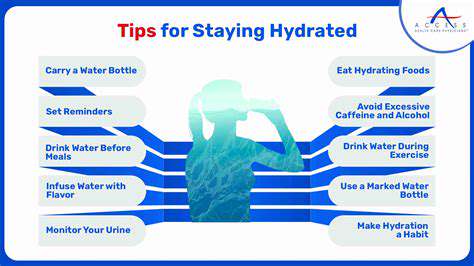
Staying hydrated is critical when flying, as cabin air tends to be dry and can lead to dehydration, which exacerbates discomfort in the back. Drinking plenty of water before, during, and after your flight can help maintain muscle function and reduce stiffness. Aim for at least eight ounces of water per hour of your flight, and avoid excessive caffeine or alcohol, which can have a dehydrating effect.
Pre-Flight Preparation for Pain Management
Before your flight, a few Simple Stretches and exercises can make a significant difference in how your body feels during travel. Focus on stretches that target the hip flexors and lower back to alleviate tightness. Incorporating light stretches or yoga poses can enhance flexibility and promote circulation, preparing your body for the sitting position for an extended period.
You might find it beneficial to discuss your travel plans with a physical therapist or chiropractor before embarkation. They can provide tailored exercises or recommendations based on your specific back condition, ensuring that you are well-prepared to manage pain throughout your journey.
During the Flight: Staying Active
While on a plane, it may seem challenging to stay active, but taking short breaks can make a world of difference. Stand up and walk around the cabin every hour if possible. This simple act can help reduce stiffness and improve blood circulation, which are essential factors in minimizing lower back pain during lengthy flights.
You can also perform discreet in-seat exercises. Simple movements like ankle rolls, knee lifts, or seated torso twists can help keep your blood flowing and reduce the pressure on your spine, contributing to a more comfortable flying experience overall. Remember that even slight movements can combat the negative effects of prolonged sitting.
In-Flight Stretches and Movement
Importance of Frequent Movement During Flights
When you’re in the confines of an airplane for hours, your body’s circulation can suffer significantly. The lack of movement leads to blood pooling in the legs, which increases the risk of deep vein thrombosis (DVT). According to the Centers for Disease Control and Prevention (CDC), long periods of immobility can elevate your chances for DVT, a serious condition that requires immediate medical attention. For that reason, implementing small movement breaks during long flights can be essential for safeguarding your health.
Frequent Movement is not just a matter of comfort but also critical for enhancing circulation. Even minor actions, such as flexing and extending your legs while seated, can significantly contribute to improving blood flow. Research shows that getting up to stretch or simply walking the aisle can stimulate circulation and alleviate discomfort. As a general guideline, try to get up at least once every hour during your flight.
Simple Stretches to Alleviate Discomfort
Incorporating simple stretches during your flight can be easily manageable and highly effective. One recommended stretch involves rolling your shoulders back and forth, which can help release tension built up from sitting. Another effective stretch is the seated spinal twist; this involves rotating your upper body while keeping your lower body stable in your seat. It’s a discreet way to relieve tension in your lower back and improve your posture while flying.
Moreover, if space permits, consider doing a standing hamstring stretch when you’re out of your seat. This stretch targets the muscles in the back of your thighs and can lead to significant relief from stiffness. Just bend forward at your hips while reaching for your toes, holding the stretch for about 15 to 30 seconds. These practical stretches not only enhance flexibility but also offer a refreshing break from the monotony of a long flight.
Staying Hydrated and Mindful of Posture
Understanding the Importance of Hydration
Maintaining proper hydration is critical during long flights. The cabin environment is typically low in humidity, which can lead to dehydration. Research from the Journal of Travel Medicine indicates that air travel can cause noticeable fluid loss—around 1.5 liters for a typical long-haul flight. Ensuring you drink adequate water before and during your journey can help mitigate these effects.
Dehydration can exacerbate feelings of fatigue and result in discomfort, particularly for those with existing lower back issues. Aiming for eight ounces of water every hour—not just upon arrival—can keep you feeling more refreshed and alleviate some of the discomforts that come with prolonged sitting.
Choosing the Right Drinks
While water is the go-to option for hydration, not all beverages are equally beneficial during travel. Caffeinated drinks like coffee or tea can lead to increased urination, potentially contributing to dehydration. Therefore, it's preferable to opt for herbal teas or electrolyte-rich drinks, which can help keep your body balanced without the dehydrating effects of caffeine.
Setting Reminders for Water Intake
In the busy environment of air travel, it is easy to forget to drink water regularly. Setting reminders on your phone or using apps designed to track hydration can be helpful. These tools can prompt you to take a few sips of water every hour, ensuring you remain consistently hydrated throughout your flight.
Additionally, keeping a reusable water bottle handy, preferably one that can fit in your under-seat storage, can act as a physical reminder to take regular water breaks rather than waiting until you're feeling parched.
Optimal Postures for Better Comfort
Maintaining an ergonomic seating position can significantly reduce the strain on your lower back during flights. It is advisable to sit upright with your back fully supported, shoulders relaxed, and feet flat on the floor. Using a lumbar pillow can help to maintain the natural curve of your spine, alleviating pressure on your lower back.
Adjusting Your Position Frequently
Staying in one position for an extended period can contribute to stiffness and discomfort. Experts recommend changing your seating position every 30 minutes. You can shift your legs, adjust your backrest, or even do subtle movements to encourage circulation and relieve tightness in the lower back.
In-flight Exercises to Alleviate Tension
Simple exercises can be performed even in the confined space of an airplane seat. For example, ankle circles and seated twists can stimulate blood flow and help relieve stiffness. According to the Mayo Clinic, these minor movements can prevent the buildup of tension and might improve your overall comfort during the flight.
Consider standing up periodically if possible, to stretch your legs. Short walks to the restroom or down the aisle can help keep your muscles engaged and reduce the risk of pain associated with prolonged sitting.
Mindfulness Techniques for Relaxation
Practicing mindfulness can help manage anxiety and discomfort associated with travel. Techniques such as controlled breathing, where you focus on inhaling and exhaling slowly, can help ground your mind and reduce tension. Research has shown that mindfulness practices can lower stress and enhance overall well-being, making it easier to handle the discomfort of long flights.
Using this time for meditation can also be beneficial, as it allows you to redirect your focus away from discomfort and anxiety. Apps like Headspace or Calm offer guided sessions tailored for travelers, which can be an excellent resource mid-flight.
Post-Flight Strategies for Relief

Understanding the Impact of Long Flights on Lower Back Pain
Long flights can severely strain the lumbar region of the back due to prolonged sitting and poor posture. This strain often results in discomfort or even chronic pain for frequent travelers. Research suggests that sitting for more than four hours without movement can increase the risk of musculoskeletal problems significantly.
According to a study published in the *Journal of Back and Musculoskeletal Rehabilitation*, nearly 50% of travelers report experiencing lower back pain during or after long flights. Factors such as seat design and the inability to stretch contribute to this discomfort.
Importance of Proper Sitting Posture
Correct seating posture is crucial during flights to minimize back pain. When seated, your knees should be at hip level, with a slight arch in your lower back. Ensure your back is well-supported by the seat and that your feet rest flat on the floor or on a footrest if needed.
Incorporating Stretching Techniques During Layovers
- Take regular breaks to stand and move around.
- Perform simple stretches to relieve tightness in the lower back.
- Consider doing gentle back-strengthening exercises.
During layovers, take advantage of your time by incorporating stretching techniques. Basic stretches such as rolling your shoulders or arching your back can provide immediate relief. Even just walking can help increase blood circulation and reduce stiffness.
Utilizing Travel Accessories
Using travel pillows and lumbar supports can greatly enhance comfort during long flights. A well-designed lumbar roll can maintain the natural curve of your spine, reducing pressure on lower back muscles. Investing in quality Travel Accessories can make a significant difference in your overall journey comfort.
Hydration and Nutrition Considerations
Staying hydrated is crucial when flying, as dehydration can exacerbate muscle tension. Aim to drink plenty of water before and during your flight to keep your body functioning optimally. Snacking on nutrient-rich foods can also sustain your energy levels and promote muscle health throughout the journey.
Post-Flight Recovery Techniques
Once the flight is over, it's important to take time for recovery. Engage in gentle yoga or stretching exercises to ease tension in your lower back. Consider using heating pads or cold packs to relieve discomfort. Additionally, a short walk upon arrival can aid in re-energizing your muscles and optimizing blood flow.
Mindfulness and Relaxation Methods
Practice mindfulness techniques, such as deep breathing or meditation, both during the flight and after landing. These methods can help manage pain perception and promote relaxation. Incorporating these techniques into your travel routine can create a positive impact on your overall back health.
Read more about Lower Back Pain and Traveling: Comfort Tips for Long Flights