Preventing Running Cramps: Hydration and Nutrition Tips
Understanding Electrolytes and Their Functions
Electrolytes are essential ions, such as sodium, potassium, and magnesium, that help regulate various bodily functions. They maintain fluid balance, allowing cells to communicate with each other and ensuring that muscles contract properly during activities like running. It's crucial to understand that without adequate levels of these electrolytes, muscle cramps and fatigue are more likely to occur, especially in athletes.
Research shows that sodium is particularly significant in preventing hyponatremia, a condition that can arise from excessive sweating and inadequate electrolyte replacement. Maintaining the right balance of electrolytes helps not only with hydration but also optimizes muscle performance and reduces the risk of cramping during prolonged exercise.
Signs of Electrolyte Imbalance
Recognizing the signs of electrolyte imbalance is vital for athletes. Symptoms can vary but often include muscle cramps, fatigue, dizziness, and nausea. During a long run, if you start to feel dizzy or find that your muscles are cramping more frequently, it may be time to assess your electrolyte intake.
Another common sign of a deficiency is an increase in muscle weakness or spasms, typically manifesting when you're well into your run. Keeping an eye on these symptoms can aid you in adjusting your hydration and nutrition strategies promptly to prevent more serious issues.
Optimal Sources of Electrolytes
Getting enough electrolytes can be achieved through diet and supplements. Foods high in potassium include bananas, oranges, and leafy greens, while sodium can be replenished through salting food or consuming sports drinks that contain salts. For magnesium, nuts, seeds, and whole grains offer excellent options. Notably, athletes should consider the balance of these sources in their diet, especially during training sessions or races.
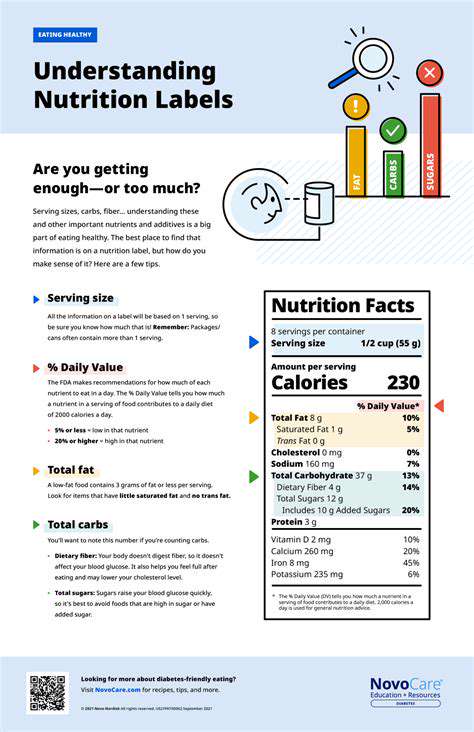
For those who prefer a more convenient approach, electrolyte-replenishing beverages are widely available on the market. Many of these drinks contain a mix of essential electrolytes, making it easier to stay hydrated during extended running sessions or workouts. However, it's essential to read labels carefully to avoid excessive sugars, which could negate the benefits.
Creating an Effective Hydration Strategy
To effectively manage electrolyte balance, you need a well-thought-out hydration strategy tailored to your individual needs. Start by calculating your sweat rate, which can provide insight into how much fluid and electrolytes you may need during exercise. A simple method is to weigh yourself before and after a run; this can give you a rough estimate of how much fluid you’ve lost through sweat.
Additionally, timing is crucial. It’s recommended to hydrate before, during, and after exercise. For longer runs, consider consuming electrolyte-rich fluids every 30 minutes. Adjusting your hydration strategy based on weather conditions, intensity, and duration can significantly help in minimizing cramps and optimizing performance during your runs.
Nutritional Strategies for Injury Prevention

Understanding Micronutrients
Micronutrients, including vitamins and minerals, play a crucial role in ensuring optimal muscle function and recovery. Vitamins such as B-complex, C, and E contribute to energy metabolism, antioxidant protection, and tissue repair. A balanced intake of these nutrients can significantly aid in injury prevention, particularly in athletes who regularly engage in high-impact activities like running.
Moreover, minerals like magnesium, potassium, and calcium are essential for muscle contractions and nerve function. Inadequate levels of these minerals can lead to cramps and discomfort, hindering performance. It's wise to include a variety of fruits, vegetables, nuts, and dairy products in your diet to ensure you meet your micronutrient needs.
The Role of Hydration
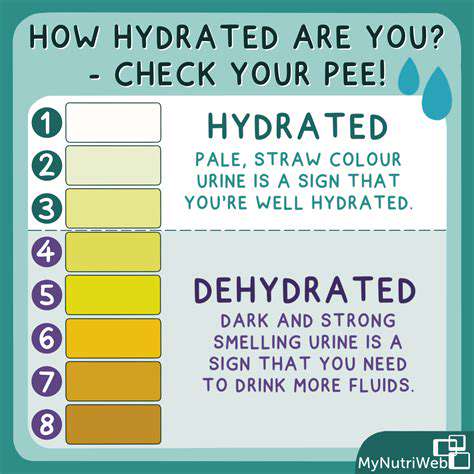
Hydration is often overlooked, yet it remains a fundamental factor in injury prevention. Dehydration can lead to electrolyte imbalances and increase the risk of cramps during runs. Research has shown that even mild dehydration can impair physical performance. To combat this, runners should aim to drink water consistently throughout the day.
Electrolyte drinks can be beneficial, particularly during longer runs or high-temperature conditions. Using a combination of plain water and electrolyte-enhanced beverages can help maintain fluid balance and optimize performance. A good strategy is to hydrate before, during, and after your runs to keep your body functioning optimally.
- Aim for 500-750 mL of fluid two hours before exercise.
- Replenish lost fluids and electrolytes during runs over an hour.
- Continue to hydrate post-exercise for optimal recovery.
Carbohydrate Timing
The timing of carbohydrate intake is critical for improving performance and reducing injury risk. Consuming carbohydrates before a run provides the necessary energy to sustain activity levels. Equally important is post-run carbohydrate consumption, which aids in recovery and muscle glycogen replenishment. A study indicated that delaying carbohydrate intake can result in prolonged recovery periods and increased muscle soreness.
For optimal results, consider eating a carbohydrate-rich snack or meal about 1 to 3 hours before running. Include foods like bananas, oatmeal, or whole-grain bread. After your run, refuel with both carbohydrates and protein to support recovery.
Meal Planning for Nutritional Balance
Effective meal planning ensures that runners meet their nutritional needs to prevent injuries. A well-structured meal plan should focus on a balanced intake of macronutrients—carbohydrates, proteins, and fats—as well as micronutrients. Each meal should contain a source of protein for muscle repair, carbohydrates for energy, and healthy fats for overall health.
- Include lean meats, fish, or plant-based proteins in your meals.
- Incorporate whole grains and a variety of fruits and vegetables.
- Don’t forget healthy fats such as avocados or nuts.
Consider consulting with a nutritionist to customize a plan tailored to your running routine and dietary preferences. Tailored meal planning can significantly enhance your performance while reducing the risk of cramps or other injuries.
The Importance of Listening to Your Body
Finally, understanding your body’s cues is paramount. Fatigue, persistent cramps, or signs of dehydration should not be ignored. Constancy in proper nutrition and hydration can only go so far if an athlete doesn't pay attention to their body's feedback. It's vital to adjust both training and nutrition in response to these cues.
This could mean taking a rest day when you feel fatigued or modifying your diet to include more of the nutrients your body seems to be lacking. Always remember to consult with health professionals when making significant changes to your regimen.
Timing Your Nutrition for Optimal Performance
Understanding Macronutrients for Endurance
Macronutrients—carbohydrates, proteins, and fats—play crucial roles in fueling your runs. Carbohydrates are essential for immediate energy, especially during endurance events. According to a study published in the Journal of Sports Science, runners who consumed a high-carb diet experienced a 13% improvement in performance compared to those on a low-carb regimen.
Proteins, on the other hand, are vital for muscle recovery and repair. Consuming a protein-rich meal after your run can significantly reduce muscle soreness and aid in faster recovery times. Aim for a combination of proteins and carbs post-workout to replenish your glycogen stores effectively.
Fat is an important energy source for longer runs, particularly when performed at lower intensities. It's recommended that endurance runners include healthy fats—such as avocados and nuts—in their daily diet to sustain energy levels during prolonged physical exertion.
Pre-Run Nutrition Strategies
What you eat before a run can have a major impact on your performance. It's generally suggested to consume a high-carb meal two to three hours before hitting the pavement or the track. This snack provides the necessary fuel and helps maintain stable energy levels throughout your run.
For shorter runs, a quick snack like a banana or an energy bar 30 to 60 minutes prior can suffice. These options provide easily digestible sugars that kickstart your energy without causing gastrointestinal distress. Remember to listen to your body, as individual digestive tolerances can vary greatly.
Hydration Timing and Strategies
The significance of hydration cannot be overstated. It is recommended to consume approximately 500 mL of water two hours before running. This preparation is crucial, as adequate Hydration not only improves performance but also reduces the risk of cramps during exercise. In fact, even mild dehydration can lead to a decrease in physical output.
During longer runs, consider hydration options that include electrolytes to replace lost salts, especially during hot weather. Sports drinks containing sodium and potassium can help maintain hydration levels effectively. Always test different hydration strategies in training to find what works best for you.
Post-run hydration is equally important. Replenishing lost fluids and electrolytes within 30 minutes after your run enhances recovery and prepares your body for subsequent training sessions.
The Role of Timing in Recovery Nutrition
Recovery nutrition is often overlooked but critically important for runners. Consuming the right nutrients soon after your workout can greatly influence recovery and performance in subsequent runs. Experts recommend consuming a balanced meal rich in carbs and protein within 30 minutes post-exercise. This is known as the anabolic window, a time when your muscles are primed to absorb nutrients effectively.
For an even more targeted approach, aim for a 3:1 ratio of carbs to protein in your post-run meal. This ensures quick glycogen replenishment and muscle repair. Options such as a smoothie with banana and protein powder or a turkey sandwich on whole-grain bread are both satisfying and effective.
Personalizing Your Nutrition Plan
Every runner is unique, and a personalized nutrition plan is essential for optimal performance. Factors such as body size, metabolic rate, and running intensity should dictate your specific nutritional needs. I recommend keeping a food diary to track what you eat and how it makes you feel during your runs; this can help personalize your diet more effectively.
In addition, consulting with a sports nutritionist can provide tailored advice based on your individual goals, whether that's enhancing performance or managing weight. They can offer insights into meal timing, portion sizing, and optimal food choices.
Being attentive to your body’s signals and adjusting your nutrition accordingly will not only enhance your running experience but also contribute to overall well-being and enjoyment of the sport.
Listen to Your Body and Adjust Accordingly
Understanding Your Body's Signals
When engaging in physical activities, especially running, your body sends numerous signals about its condition. These signals may include feelings of fatigue, tightness in muscles, or a heightened sense of thirst. Recognizing these signs early on can greatly influence your performance and well-being. For instance, a study published in the Journal of Sports Science shows that athletes who effectively responded to their body signals experienced fewer instances of cramps and fatigue.
Listening to your body entails paying attention to these signals and adjusting your routine accordingly. It’s critical to differentiate between discomfort, which may indicate your muscles are fatigued, and actual pain that could signal an injury. An athlete who learns to interpret these cues can better manage hydration and nutrition needs during their runs.
Incorporating regular self-assessments into your routine can be beneficial. Ask yourself how you feel before, during, and after runs. Keeping a running journal can help you track your physical sensations and correlate them with your running performance.
The Importance of Hydration
Hydration plays a pivotal role in preventing cramps while running. Studies indicate that even a small loss of body fluids—around 1-2%—can lead to noticeably decreased performance and an increased risk of cramps. Specifically, during intense exercise, the body's water loss through sweat increases, and failing to replenish these fluids can disrupt muscle function.
It's essential to drink water or electrolyte-rich beverages before, during, and after your runs. For longer distances, consider a hydration strategy that includes electrolyte replacement, especially in hot weather. Aim for about 16 to 20 ounces of fluid in the two hours prior to running, and incorporate smaller sips throughout your run.
Nutrition: Fueling for Success
Nutrition is equally crucial in preventing cramps and ensuring optimal performance. Carbohydrates serve as the primary fuel source for runners, providing the energy needed for sustained physical activity. Consuming complex carbohydrates, such as whole grains, fruits, and vegetables, can help maintain energy levels over longer distances.
In addition to carbohydrates, proteins and healthy fats also contribute to overall running performance. They help in muscle recovery and maintaining energy reserves. A balanced meal approximately 2 to 3 hours before running can pack the punch you need for an effective workout.
Experimenting with your specific dietary needs can be key. Keep track of what you eat prior to running and how your body reacts to it. This tailor-made approach helps optimize your nutrition regimen based on personal experiences.
Adjusting During the Run
During your run, be willing to reassess and modify your approach based on your body’s feedback. If you start feeling tight or overly fatigued, it may be wise to adjust your pacing or even take a short walking break. A study in Medicine & Science in Sports & Exercise suggests that varying your pace can relieve some of the pressure on muscles, thereby potentially reducing cramping episodes.
Additionally, consider integrating regular hydration breaks every 15 to 20 minutes, particularly if running in warm conditions. It helps maintain electrolyte balance and keeps dehydration at bay. Note that consuming simple sugars during your run might be beneficial; energy gels or chews can offer quick sources of energy and may help mitigate cramps.
Seeking Professional Guidance
If you frequently experience cramps despite attempting various adjustments, consulting a sports nutritionist or a coach for personalized advice can be very beneficial. Professionals can assess your diet, hydration strategies, and running technique to identify areas that may require adjustments. They may also suggest personalized training plans to better condition your body for the demands of running.
Additionally, consider resources such as books and research articles on sports nutrition which can further guide you in understanding the delicate balance between nutrition and performance. Accessing credible sources enhances your knowledge and allows you to make informed decisions about your running practices.
Read more about Preventing Running Cramps: Hydration and Nutrition Tips









Hot Recommendations
-
*Best Nutrition for Building Muscle in Your 40s+
-
*Best Tips for Creating a Peaceful Bedroom Environment
-
*How to Practice Mindful Technology Use
-
*Guide to Managing Migraines
-
*Guide to Practicing Active Listening as a Habit
-
*Best Habits for Improving Your Relationships
-
*Guide to Connecting Sleep Quality and Immune Health
-
*Cardio Exercises You Can Do at Home [No Equipment]
-
*Health Tips for People Recovering from Surgery
-
*Best Exercises for People with Anxiety Disorders