Running Your Best 10K: Pace and Endurance Strategy
In the days leading up to your 10K, both mental and physical preparation are crucial. Tapering your training schedule helps ensure your body is rested and ready to perform. Adequate rest can lead to improved performance on race day. During this period, focus on hydration, nutrition, and good sleep to optimize your energy levels.
Mental readiness is often overlooked but equally important. Visualizing your race, from start to finish, can help alleviate nerves and set a positive mindset. Engage in techniques such as meditation or controlled breathing to enhance your mental focus, allowing you to execute your pacing strategy effectively during the race. Lastly, remind yourself of your achievements throughout your training journey; this provides motivation when fatigue sets in during the final miles.
Endurance Training for Lasting Performance

Understanding Endurance Training
Endurance Training revolves around improving your body's ability to sustain physical activity over long periods. It focuses not just on cardiovascular fitness but also on building muscle strength and enhancing the efficiency of energy use. Typically, this involves various aerobic activities that can range from running to cycling. By engaging in such training, runners can improve their stamina, which is essential for completing longer races such as the 10K.
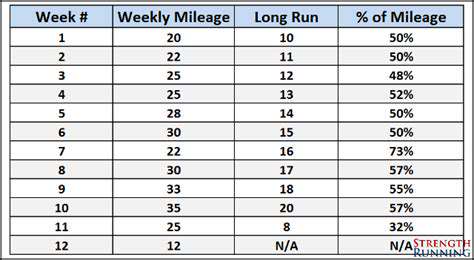
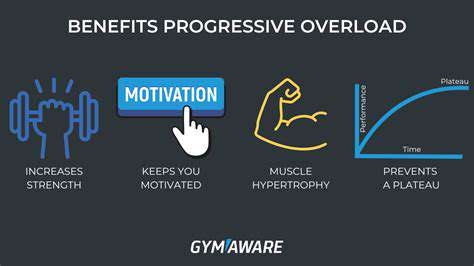
A well-structured endurance program usually incorporates different training styles, including long runs and tempo workouts. It’s vital to gradually increase your training volume to prevent injury and fatigue. Consistent practice is key; studies suggest that athletes who maintain a regular training schedule see more significant performance gains over time.
The Role of Pace in Endurance Training
Pace is a crucial element of any endurance training regimen. By understanding the optimal pace for your training sessions, you can enhance both performance and recovery. A common guideline is to run at a pace where you can converse comfortably, known as the 'talk test.' This ensures you are training at an aerobic level while still allowing for higher intensity workouts at times.
Incorporating different paces into your training can yield excellent results. For instance, Interval training, which consists of short bursts of speed followed by recovery periods, can boost your overall endurance. This method helps runners increase both their anaerobic threshold and long-term stamina.
Nutrition's Impact on Endurance
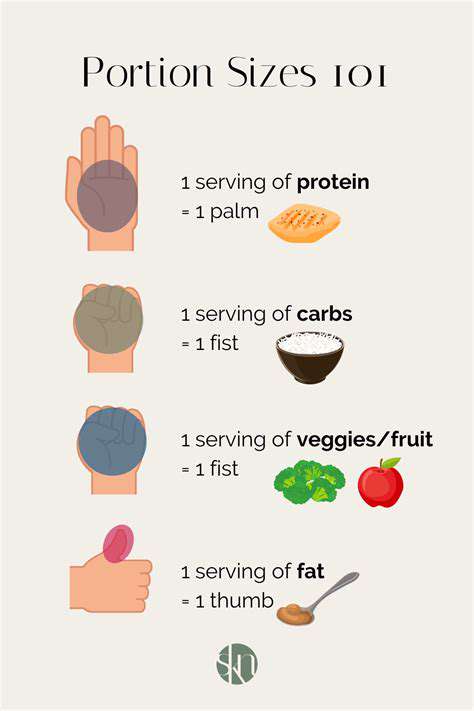
Your diet plays a significant role in your ability to endure long distances. Adequate carbohydrate intake is vital, as carbs are the primary fuel source for endurance activities. Sports nutritionists often recommend consuming complex carbs like whole grains and fruits for sustained energy. Hydration is equally crucial; even mild dehydration can impair your performance during endurance running.
Timing of nutrition is just as important as the type. Consuming a meal of complex carbohydrates and protein a few hours before your run can provide energy while aiding recovery after training. Research indicates that athletes who focus on post-workout nutrition see faster recovery times and improved performance in subsequent training sessions.
Key Workouts for Building Endurance
- Long Runs: Build a strong aerobic base.
- Tempo Runs: Increase lactate threshold and improve speed.
- Intervals: Boost cardiovascular fitness and speed.
- Cross-Training: Reduce injury risk and maintain fitness.
To effectively build endurance, you need to include a variety of workouts in your training plan. Long runs, which typically occur once a week, help improve your aerobic capacity significantly. You might start at a distance you’re comfortable with and gradually increase it as you build stamina over weeks.
Tempo runs are equally essential, as they allow you to maintain a challenging pace over a longer duration. This type of training helps to increase your lactate threshold, which is crucial for improving overall speed during races. A well-rounded endurance strategy will also include cross-training; engaging in activities like swimming or cycling can keep your muscles fresh while preventing the monotony of just running.
Monitoring Your Progress
Keeping track of your training progress is fundamental in endurance training. By utilizing tools like running apps or wearable technology, you can gather a wealth of data about your runs, such as pace, distance, and heart rate. Regular assessments can help identify training plateaus and adjust your program as needed. Maintaining a training log can also serve as a motivational tool, reinforcing the importance of consistency in reaching your goals.
Setting realistic short-term and long-term goals allows you to gauge your progress effectively. For example, targeting a specific pace for a particular distance can keep you focused and motivated. Over time, as you adjust your goals based on personal achievements and experiences, your endurance training will become increasingly tailored to your individual needs.
Recovery Strategies to Enhance Performance
Recovery is an often-overlooked aspect of endurance training, yet it is critical for improving performance. After intense workout sessions, the body needs time to heal and replace glycogen stores. Incorporating active recovery days into your training program, like light jogging or walking, can promote circulation and help prevent injuries.
Another recovery strategy is to utilize techniques such as foam rolling and stretching. These practices can alleviate muscle soreness and enhance flexibility, contributing to overall performance improvements. It's essential to listen to your body; if you're feeling excessively fatigued, it might be necessary to adjust your training schedule.
Building Mental Endurance
Endurance doesn’t solely pertain to physical capability but also encompasses psychological strength. Mental Endurance can be cultivated through positive self-talk, visualization techniques, and deliberate exposure to fatigue during training. Practicing these techniques can help you push through discomfort in races, leading to improved performance.
Additionally, developing a strong mental game involves setting clear motivational goals. Whether it’s personal best times or completing your first 10K, having a tangible target to aim for can fuel your training. Engaging with a running community or finding training partners can also provide support and encouragement, enhancing both your enjoyment and performance in endurance events.
The Role of Interval Training
Benefits of Interval Training for 10K Runners
Interval training is a powerful method for enhancing overall performance in long-distance running like the 10K. By alternating between high-intensity bursts and recovery periods, runners can significantly improve their speed and aerobic capacity. Research from the Journal of Sports Science indicates that interval training can elevate VO2 max levels, a key metric for measuring cardiovascular fitness, often leading to better race times.
Moreover, incorporating intervals into your training plan can help reduce the risk of injury. By building up strength and resilience during high-intensity workouts, runners may see improved joint stability and muscular endurance. This method allows for time-efficient workouts, enabling runners to achieve a greater training load in shorter durations. It's an excellent strategy for busy athletes seeking to elevate their performance without investing excessive time.
Implementing Interval Training Effectively
To reap the maximum benefits of interval training in preparation for your 10K, it's essential to establish a structured plan. Start by determining a goal pace and then select intervals that slightly exceed this target. For instance, running at 90-95% of your maximum effort for 1-2 minutes followed by a recovery jog or walk can produce optimal results. Over time, gradually increase the duration of these high-intensity bouts.
Additionally, consider the variety in your interval sessions. Incorporating different types of terrains, such as hill sprints or track sessions, can promote muscle adaptation and prevent plateaus. Many runners make the mistake of sticking to a single interval format, which can lead to diminished returns. Remember, consistency is crucial, but variation in your training will ensure sustained progress toward your 10K goals.
Mental Preparation and Race Day Strategy
Mental Preparation Techniques for Race Day
To excel in a 10K, mental preparation is as crucial as physical training. Athletes can enhance their race day performance by practicing visualization techniques. This involves imagining the race course, your pace, and how you'll respond to challenges like fatigue. Research indicates that mental imagery can improve performance nearly as significantly as physical practice. For instance, athletes who visualize their runs repeatedly often experience better outcomes during actual races.
Additionally, developing a race plan that outlines your pacing strategy is essential. This plan should incorporate your goals, including target times and how to handle various race scenarios, like starting too fast or dealing with mid-race fatigue. By mentally rehearsing these scenarios, you equip yourself to handle stress more effectively when it counts. Remember, confidence on race day often stems from thorough preparation in advance.
Developing a Strategy for Race Day Execution
Establishing a well-thought-out race day strategy is vital for achieving your best 10K time. Consider factors such as environmental conditions, course layout, and your personal strengths. Adapting your strategy based on these factors can help you maintain the ideal pace throughout the race. For instance, if the course is hilly, you might plan to start conservatively and gradually increase your speed on flat sections. This strategic approach minimizes the risk of early fatigue.
Monitoring Your Pace During the Race
An effective race strategy should include real-time pacing. Many seasoned runners suggest using a GPS watch or app to track your pace. Maintaining an even pace is critical, as starting too fast can lead to burnout. A common recommendation is to stick to your planned pace for the first half of the race and make adjustments based on how you feel afterward. Studies show that runners who adhere to negative splits—running the second half faster than the first—often finish with better overall times.
Post-Race Reflection and Learning
After completing the race, it's essential to take time for reflection to analyze your performance. Documenting what worked well, what didn’t, and how you felt at various points throughout the race can be invaluable for future events. This post-race evaluation involves reviewing your pacing strategy, mental preparedness, and overall enjoyment of the run. Such insights can help refine your approach for your next race.
Additionally, participating in a cooldown run or engaging in light stretching post-race can aid recovery. Many experts advocate for this practice, as it promotes better blood circulation and reduces muscle stiffness. Remember, every 10K is a learning experience that contributes to your growth as a runner. By analyzing your experiences, you’ll continually improve and refine your racing strategies.
Recovery and Nutrition for Optimal Performance
Understanding the Role of Recovery in Performance
Recovery is a critical component for runners, especially those training for high-intensity events like a 10K. According to research published in the Journal of Sports Sciences, a well-structured Recovery plan can enhance performance significantly. It allows muscles to repair and adapt, ultimately leading to improvements in endurance and speed.
The concept of active recovery, which includes low-intensity activities such as walking or jogging, is essential for flushing out lactic acid and promoting blood circulation. Engaging in active recovery after long runs or hard training sessions can help maintain a healthier muscle function and reduce soreness, making it easier to tackle your next workout.
Nutrition Timing: When to Eat for Optimal Results
Meal timing can play a significant role in recovery and performance. Research conducted by the International Society of Sports Nutrition indicates that consuming carbohydrates and protein within a 30 to 60-minute window post-exercise can optimize muscle recovery. This is when your muscles are the most insulin-sensitive, allowing for better nutrient absorption and repair.
For example, a common recommendation is to consume a snack or meal containing a mix of carbs and proteins, like a protein shake with a banana or a turkey sandwich. This practice can help replenish glycogen stores and promote muscle synthesis, both of which are vital for runners aiming to improve their 10K times.
Hydration Strategies for Peak Performance
Hydration is often an overlooked aspect of running performance. Studies show that even mild dehydration can lead to decreased endurance, increased perceived effort, and compromised cognitive function. Thus, it is essential to develop a hydration strategy that suits your training and racing needs.
During training, aim to consume fluids regularly before, during, and after runs. A typical guideline is to drink about 500-600ml of water two to three hours before exercising, then an additional 200-300ml shortly before you start. For a 10K, focus on hydrating effectively during your training, and consider electrolyte replacements if you run in warm temperatures or for extended periods.
Read more about Running Your Best 10K: Pace and Endurance Strategy