Anti Inflammatory Foods to Cook for Pain Management
Research consistently shows that these fatty acids play an integral role in maintaining heart health, reducing inflammation, and supporting brain function. For instance, a study published in the Journal of the American College of Cardiology highlighted that regular consumption of omega-3-rich fish correlates with a lower risk of cardiovascular diseases.
The Anti-Inflammatory Effects of Omega-3s
The anti-inflammatory properties of omega-3 fatty acids have been a subject of extensive research. These fats can help Reduce the production of inflammatory cytokines and eicosanoids, molecules that signal and promote inflammation in the body. A landmark study in the journal Nutrients demonstrated that participants who increased their omega-3 intake experienced significant reductions in various inflammatory markers.
By integrating omega-3s into your diet, you may find relief from symptoms associated with chronic inflammatory conditions such as arthritis, which is noted for its debilitating pain and swelling. Professionals suggest including omega-3 supplements or foods high in these fats as a potential therapeutic strategy for pain management.
Alongside inflammation reduction, omega-3 fatty acids play a crucial role in joint health. They assist in the lubrication of joints, which can lead to improved mobility and decreased discomfort, especially for those suffering from conditions like osteoarthritis.
Recommended Sources of Omega-3 Fatty Acids
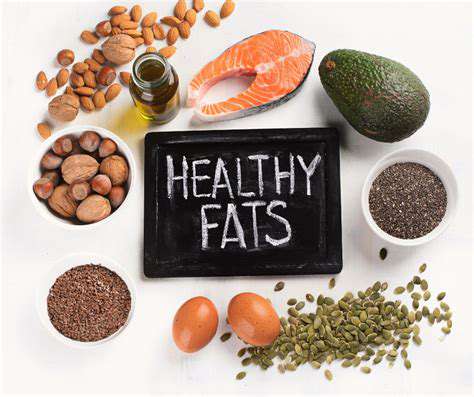
Incorporating omega-3 fatty acids into your diet doesn't have to be complicated. Fatty fish like salmon, sardines, and trout are excellent sources; consuming two servings a week is often recommended. If you’re vegetarian or vegan, consider sources like chia seeds, flaxseeds, and walnuts, which provide ALA. Some individuals choose to take fish oil supplements, which can also be beneficial, especially if their dietary intake is insufficient.
Moreover, plant-based alternatives such as algal oil, derived from algae, is becoming a popular omega-3 supplement for those avoiding animal products. It contains both EPA and DHA, making it a viable option for vegetarians and vegans looking to support their overall health without compromising their dietary choices.
Additionally, fortified foods, like some brands of eggs and dairy products, offer an easy way to increase omega-3 intake without having to change your diet drastically.
Incorporating Omega-3s into Your Meals
Getting enough omega-3 fatty acids in your diet can be as simple as making a few adjustments to your meals. Start by swapping out red meat for fatty fish a couple of times a week. You can also throw some flaxseed into your morning smoothie or oatmeal, boosting your breakfast with nutrient-dense ingredients.
When preparing salads, consider a dressing made from walnut oil or flaxseed oil to complement your leafy greens while providing healthy fats. Another easy way to incorporate omega-3s is by snacking on a handful of walnuts or adding chia seeds to yogurt, making your snack both satisfying and nutritious.
Lastly, when grilling or baking fish, experiment with spices and herbs to enhance flavor without adding too many calories; lemon, garlic, and dill pair beautifully with salmon and can transform your meal into a culinary delight while keeping it healthy and anti-inflammatory.
The Healing Properties of Fruits and Vegetables
Nutrition and Anti-Inflammatory Benefits
Fruits and vegetables are rich sources of vitamins, minerals, and antioxidants, which play vital roles in combating inflammation. For instance, berries, especially blueberries, contain anthocyanins that help reduce markers of inflammation in the body. A study published in the “Journal of Nutritional Biochemistry” found that a diet rich in berries significantly lowered inflammatory markers such as C-reactive protein.
Leafy greens like spinach and kale are also notable for their high vitamin K content, which is essential for reducing inflammation. Research highlights that these greens can impede the production of inflammatory molecules called prostaglandins. Including these foods in your daily meals can contribute to long-term pain management and overall wellness.
Essential Fruits for Pain Relief
Citrus fruits, for example, are excellent choices for those looking to reduce inflammation. They are loaded with vitamin C, a powerful antioxidant known to support immune function and potentially alleviate pain. Recent findings suggest that higher intakes of vitamin C correlate inversely with the prevalence of inflammatory diseases. Oranges, grapefruits, and lemons can easily be incorporated into your diet, either as juices or fresh segments.
Avocados, often overlooked, are another beneficial fruit that aids in reducing inflammation. They contain healthy fats and compounds like carotenoids, which have been shown to fight the inflammatory response. A study published in the “American Journal of Clinical Nutrition” indicated that including avocados in your diet can positively impact inflammatory markers, making them a great addition to any anti-inflammatory eating plan.
Finally, cherries, particularly tart varieties, have been shown to combat inflammation effectively. Various studies have demonstrated that cherry consumption is linked with lower levels of uric acid and reduced pain related to conditions like arthritis, highlighting their potential as a pain management food.
Vegetables to Consider Incorporating
Cruciferous vegetables such as broccoli, cauliflower, and Brussels sprouts possess unique compounds that can mitigate inflammation. They contain sulforaphane, which inhibits the production of pro-inflammatory cytokines, as evidenced by research published in the “Proceedings of the National Academy of Sciences.” Making these vegetables a staple in your diet can yield significant health benefits.
An additional recommendation is to include garlic and onions in your meals, as they are known to enhance the immune system and possess anti-inflammatory properties. Studies suggest that organosulfur compounds found in these vegetables can effectively manage inflammation pathway reactions in the body. Whether used raw in salads or cooked in various dishes, they offer both flavor and health benefits.
Lastly, consider incorporating sweet potatoes into your diet as a diabetes-friendly starch that also fights inflammation. They are rich in beta-carotene, which has demonstrated anti-inflammatory effects in a variety of studies. Including them in your meals can not only provide comfort food but also contribute actively to pain management.
Spices with Anti-Inflammatory Benefits
Curcumin: The Powerhouse Compound in Turmeric
Curcumin, the active ingredient in turmeric, has gained significant attention for its anti-inflammatory properties. Research has indicated that curcumin can inhibit molecules that play a crucial role in inflammation, making it beneficial for individuals suffering from chronic inflammatory conditions. In fact, multiple studies suggest that curcumin can match the effectiveness of some anti-inflammatory medications without the adverse side effects.
One compelling study published in the journal Alternative Therapies in Health and Medicine concluded that curcumin reduced pain and improved physical function in patients suffering from knee osteoarthritis. This herb can be easily incorporated into your diet through cooking, smoothies, or even as a supplement. To enhance absorption, it's advisable to take turmeric with black pepper, as piperine, a compound found in black pepper, can increase curcumin's bioavailability significantly.
Ginger: A Natural Remedy for Muscle Pain
Ginger is another spice known for its potent anti-inflammatory benefits, particularly in alleviating muscle pain and soreness. Clinical trials have shown that ginger extract helps decrease exercise-induced muscle pain. A study in the Journal of Pain found that daily ginger supplementation could reduce pain intensity by nearly 25%, making it a viable natural alternative for athletes and active individuals.
Incorporating ginger into your diet can be easy and enjoyable. Adding freshly grated ginger to soups, teas, or stir-fries not only enhances flavor but also provides its therapeutic benefits. Keeping ginger as a staple in your pantry can be a simple yet effective way to manage inflammation daily.
For those who may not enjoy the pungent taste of fresh ginger, consider ginger tea or capsules as alternatives. However, fresh ginger tends to retain more nutrients and flavor, making it the best choice for anti-inflammatory effects.
Cinnamon: A Flavorful Spice with Health Benefits
Cinnamon may be better known for its sweet flavor than its health benefits, but this spice has been shown to possess anti-inflammatory properties as well. Research indicates that Cinnamon can reduce the levels of inflammatory markers in the body. In a study published in the Journal of the American College of Nutrition, participants who consumed cinnamon daily exhibited a significant decrease in inflammation and improved insulin sensitivity.
Incorporating cinnamon into your meals can be as simple as sprinkling it over oatmeal or adding it to baked goods. Not only does it offer a warming flavor, but it also acts as a natural sweetener, reducing the need for added sugars. Some experts suggest using Ceylon cinnamon, which is considered the true cinnamon, as it contains lower levels of coumarin, a compound that could be harmful in excessive amounts.
Whole Grains: A Smart Choice for Pain Management
Benefits of Whole Grains in Reducing Inflammation
Whole grains act as a powerhouse of nutrients that can contribute significantly to pain management. Studies have shown that whole grains are rich in essential vitamins, minerals, and antioxidants, all of which play a crucial role in reducing inflammation in the body. Foods like brown rice, quinoa, and whole wheat bread contain fiber and phytonutrients that suppress inflammatory markers, potentially alleviating chronic pain conditions. For instance, research conducted by the American Journal of Clinical Nutrition highlighted the link between high fiber intake and reduced systemic inflammation.
Moreover, whole grains contain various compounds, such as phenolics and flavonoids, which can further mitigate inflammatory responses. These bioactive compounds help in lowering the production of pro-inflammatory cytokines, promoting overall health. Integrating whole grains into your diet not only provides necessary energy but also contributes to long-term pain relief. A well-balanced plate featuring whole grains alongside vegetables and healthy fats can create an anti-inflammatory diet beneficial for pain management.
Ways to Incorporate Whole Grains into Your Diet
Incorporating whole grains into your meals doesn't have to be complicated. Start by swapping out refined grains with whole grain alternatives. For example, choose whole grain pasta instead of regular pasta, or replace white bread with whole grain varieties. You can also add steel-cut oats or whole grain cereals to your breakfast routine, offering a fiber-rich meal that sets a positive tone for the day. Experiment with recipes, such as quinoa salads or barley soups, which can be both nutritious and satisfying.
Additionally, don't forget about snacks; whole grain popcorn or brown rice cakes can serve as healthy munchies that keep you full without causing spikes in blood sugar. When baking, try using whole wheat flour instead of all-purpose flour to boost the nutritional profile of your homemade goods. By gradually incorporating these grains into different meals, you'll diversify your diet while simultaneously supporting your body's pain management efforts.
Incorporating Anti-Inflammatory Foods into Your Meal Plan

Understanding Anti-Inflammatory Foods
Anti-inflammatory foods play a crucial role in managing pain and promoting overall health. These foods may include fruits, vegetables, whole grains, lean proteins, and healthy fats. Incorporating a variety of these foods can directly influence inflammation levels in the body.
Research shows that a diet rich in anti-inflammatory foods can help reduce the risk of chronic diseases such as heart disease, diabetes, and arthritis. For instance, a study published in the Journal of Nutrition found that individuals who consumed higher amounts of fruits and vegetables experienced lower inflammatory markers. This indicates that the right dietary choices can lead to significant health improvements.
Common anti-inflammatory foods include leafy greens like spinach and kale, fatty fish such as salmon, nuts, seeds, and fruits such as berries and oranges. It's also important to minimize processed foods and sugars, which can have the opposite effect.
Meal Planning with Anti-Inflammatory Ingredients
- Start with a base of whole grains.
- Add a serving of lean protein.
- Incorporate colorful vegetables.
- Top off with healthy fats.
When planning meals, focus on building dishes that naturally incorporate anti-inflammatory ingredients. For instance, consider quinoa or brown rice as a base, and top it with grilled salmon and sautéed broccoli or bell peppers. This combination not only tastes great but also supports a healthier inflammatory response.
One practical approach is to batch prepare meals. For example, cook a large portion of a quinoa salad with chickpeas, diced tomatoes, and parsley. This salad can be stored in the fridge and eaten throughout the week, providing a quick and nutritious option without excess effort.
Don't forget to incorporate spices like turmeric and ginger, known for their anti-inflammatory properties. A simple addition of these can enhance the flavor and health benefits of your meals significantly.
Experimenting with Anti-Inflammatory Recipes
Experimentation with new recipes is vital for keeping your meal plan exciting and diverse. For starters, try making a turmeric-infused smoothie for breakfast using almond milk, banana, spinach, and a touch of turmeric. This refreshing drink is an excellent way to kickstart your day while loading up on nutrients.
When it comes to dinner, consider trying methods such as roasting or grilling. A tray of mixed vegetables with olive oil, garlic, and herbs can be both flavorful and support anti-inflammatory efforts. Foods like sweet potatoes, Brussels sprouts, and asparagus work wonderfully in this context.
Additionally, there are myriad online resources and cookbooks specifically focused on anti-inflammatory recipes. By following a few of these, you can tailor meals to your tastes while reaping health benefits.
Maintaining Consistency with Anti-Inflammatory Diets
Staying consistent with an anti-inflammatory diet can be challenging, especially if you are accustomed to other eating habits. It helps to set realistic goals, such as aiming for at least one anti-inflammatory meal per day and gradually increasing that number. Over time, you will notice how your cravings might change in response to your new dietary choices.
Keep a food journal to track what works for you and what doesn’t. This can also help identify triggers for inflammation related to certain foods. For many, commitment is easier when they see the positive results, such as improved energy levels or decreased pain.
Furthermore, consider joining communities or forums where people share their experiences with anti-inflammatory diets. Sharing tips, recipes, and success stories can keep you motivated and provide support as you adjust your eating habits.
Read more about Anti Inflammatory Foods to Cook for Pain Management