



























Hot Recommendations

Using Gratitude to Focus on What Your Body CAN Do
From Limitations to AbilitiesIn a world where physical limitations can often overshadow our capabilities, adopting a perspective of gratitude can significantly alter our recovery journey and overall well-being. This article delves into the transformative power of gratitude in rehabilitation, the neurobiological factors involved, and practical ways to cultivate this outlook for improved physical and mental health. Understanding the Role of Gratitude in RehabilitationNumerous studies, including findings from *Psychotherapy Research*, demonstrate that practicing gratitude can enhance mental well-being and engagement in rehabilitation. By shifting focus from limitations to achievements, individuals recovering from injuries can foster a positive mindset. Recognizing small victories—like improved mobility—can lead to enhanced commitment and tangible improvements in physical abilities. Supporting Environments for Body PositivityCreating a supportive environment is essential for nurturing a sense of gratitude towards one’s body. Tools like gratitude journals or boards allow individuals to document daily achievements, reinforcing a positive self-image. Additionally, joining support networks fosters shared experiences that inspire celebration of capabilities rather than dwelling on limitations. The Science Behind Gratitude and Well-BeingUnderstanding the neurobiology behind gratitude reveals its compelling impact on mental health. Expressing gratitude stimulates neurotransmitters that enhance mood and create connections with others. Regularly engaging in gratitude practices can rewire our responses to stress, improving resilience and emotional health. Practical Applications of Gratitude in Daily LifeIntegrating gratitude into daily life fosters a ripple effect on mental and emotional health. Simple practices like sending thank-you notes or maintaining a gratitude journal can encourage appreciation for our bodies and the world around us. Research shows these practices can enhance life satisfaction, demonstrating that gratitude's benefits transcend a mere mood boost. Enhancing Body Gratitude through Daily PracticesCultivating gratitude for our bodies can lead to substantial health improvements. Morning reflections on our body’s strengths or maintaining a specific gratitude journal focused on physical aspects can set a positive tone for each day. Mindful movement practices, such as yoga, further develop appreciation for our body’s capabilities while promoting overall well-being. Engaging with Community Through Shared GratitudePracticing gratitude not only benefits individuals but also enhances community well-being. Strong social ties are facilitated when community members express appreciation, fostering collaboration and support. Establishing platforms for sharing gratitude—whether through community events or online forums—can create a sense of belonging, encouraging collective actions rooted in gratitude. Transforming Personal Gratitude into Collective ActionTurning personal acts of gratitude into community initiatives not only enhances individual and collective strength but also promotes resilience. Organized efforts like community clean-up days or volunteer activities stem from a foundation of gratitude, proving that acknowledgment can inspire meaningful community development.In summary, embracing gratitude not only transforms personal perspectives but also strengthens community bonds. As we cultivate an appreciation for our bodies, capabilities, and our collective contributions, we pave the way for healing and resilience both individually and as a community. Start Your Gratitude Journey Today!Explore the profound effects of gratitude on recovery and well-being by incorporating small practices into your daily routine. Together, we can shift our perspectives from limitations to flourishing abilities.

Using Resistance Training to Improve Running Speed
- Compound Movements: Exercises like squats and deadlifts enhance total body strength.- Explosive Lifts: Incorporate Olympic lifts to improve power and speed.- Variation: Regularly switch up your routines to tackle plateaus.- Recovery: Prioritize rest to encourage muscle growth.An effective program should include 2-3 training sessions per week, ideally scheduled around your key running workouts to ensure peak performance. Injury Prevention through Strength TrainingRegular resistance training fortifies muscles and connective tissue, significantly reducing the risk of common running injuries like shin splints and runner's knee. Stronger muscles lead to improved joint stability and flexibility, creating a long-lasting athletic foundation that keeps you on the track for a longer time. Long-term Gains from Strength DevelopmentIntegrating resistance training into your regimen not only leads to immediate performance improvements but also enhances overall fitness levels. According to studies, dedicated strength training phases allow runners to tackle longer distances and achieve better race times with greater ease. A strong emphasis on this practice fosters long-term athletic success while reducing injury occurrences. Key Resistance Exercises for RunnersInclude core-strengthening movements such as planks and rotational exercises alongside lower body exercises like lunges and deadlifts to build a solid foundation. Additionally, integrating plyometrics can boost your explosive strength essential for sprinting success. Monitoring Progress & Making AdjustmentsSet clear objectives and periodically assess your training effectiveness to ensure continual improvement. Utilize performance tracking tools and listen to your body, adjusting your resistance training routine to find the most effective balance for your needs. ConclusionThe integration of resistance training into your running routine is essential not just for improved speed and endurance but also for preventing injuries and enhancing overall performance. Embrace a well-rounded approach to strength training, and enjoy the benefits of becoming a faster, more resilient runner.

The Link Between Stress and Lower Back Pain Flares
Understanding the Connection Between Stress and Pain PerceptionStress is a universal experience that can significantly affect our physical health, particularly in how we perceive pain. This comprehensive guide explores the intricate relationship between stress and pain perception, particularly regarding back pain, and offers insights into managing these challenges effectively. How Stress Influences Pain PerceptionWhen we experience stress, our bodies activate the hypothalamic-pituitary-adrenal (HPA) axis, leading to the release of cortisol — a hormone that can heighten inflammation and alter pain pathways. As a result, individuals under chronic stress often report increased pain sensitivity, especially in conditions such as lower back pain. Conditions like anxiety and depression, which are frequently exacerbated by stress, can further complicate an individual's experience of pain, emphasizing the need for a holistic approach to pain management. The Role of Muscle TensionMuscle tension, often caused by prolonged stress, can significantly contribute to back pain. Stress triggers a fight-or-flight response in the body, causing muscles to tighten, particularly in the back and neck areas. This tension can lead to discomfort and hinder movement, creating a cycle where pain becomes more persistent. Techniques like regular exercise, yoga, and mindfulness can help alleviate this muscle tension and improve overall spinal health. Effective Pain Management TechniquesIncorporating psychological care into pain management strategies is essential. Cognitive-behavioral therapy (CBT) has proven effective in changing perceptions of pain and providing coping strategies to manage stress-related symptoms. Moreover, mindfulness and relaxation techniques can reduce stress levels, ultimately benefiting pain management practices. Regular physical activity has also shown considerable promise in reducing both stress and pain. Healthy Lifestyle ChoicesLifestyle choices greatly influence how stress affects pain perception. Engaging in regular physical activity, maintaining a balanced diet, and ensuring adequate sleep can mitigate the effects of stress and lead to a marked decrease in pain levels. Additionally, ergonomic adjustments in workspaces can prevent unnecessary strain on the back and contribute to overall well-being. When to Seek Professional HelpIf self-managed strategies do not alleviate your back pain, consider consulting with healthcare professionals. Physical therapists can tailor exercises and treatments, while mental health professionals can provide necessary psychological support. Utilizing a multidisciplinary approach that integrates physical and psychological care can be highly effective in alleviating pain and improving life quality.---By understanding the biological, psychological, and physical aspects of stress and pain, individuals can take proactive steps in managing their health. Incorporating both physical and mental health interventions can lead to more effective pain management, ensuring a better quality of life.

Lower Back Pain Relief in the First 10 Minutes of Your Day
A Holistic ApproachIn tandem with stretching and heat therapy, practicing mindfulness and deep breathing can significantly reduce the perception of pain. Mindfulness encourages being present and aware, which lowers stress levels and improves physical health. Combining deep breathing with mindfulness techniques nurtures a sense of calm, essential for pain management.A consistent routine of daily mindfulness, even for just a few minutes, fosters resilience to pain and improves emotional health. Consider utilizing guided meditation resources, such as meditation apps, to enhance your practice. Importance of Hydration and NutritionStaying hydrated is crucial for overall health, with adequate water intake supporting spinal disc elasticity and preventing muscle cramps. Additionally, a balanced diet rich in calcium, vitamin D, and omega-3 fatty acids promotes bone health and reduces inflammation. Starting your day with a nutritious breakfast can also improve energy levels and minimize inflammatory responses. Incorporate Light MovementIntegrating light movement into your daily routine plays an essential role in alleviating lower back pain. Simple activities like pelvic tilts and gentle stretches promote circulation and flexibility. Aim for at least 10 minutes of light movement each day; consistency is key for long-term benefits. By prioritizing light movement and pairing it with stretching, heat therapy, and mindfulness practices, you can create a holistic approach that significantly improves your overall well-being and alleviates lower back pain.Ready to transform your daily routine? Incorporate these effective techniques today and experience lasting relief!

High Intensity Interval Training (HIIT) for Running Speed
- Sprint Intervals: Run at maximum effort for 20-30 seconds, followed by 1-2 minutes of walking or slow jogging. Repeat for a total of 20-30 minutes. - Hill Sprints: Sprint up a steep hill for 20 seconds, then walk or jog back down to recover. This method effectively builds leg strength and power.- Structured Sessions: Try five rounds of 1 minute of fast running followed by 2 minutes of walking. This routine enhances speed while providing adequate recovery. Benefits of HIIT for Runners Improved Aerobic CapacityHIIT significantly enhances aerobic capacity, leading to better utilization of oxygen during runs. Runners often report improved endurance, allowing them to sustain faster paces over long distances. Enhanced Running EconomyHIIT improves running economy, allowing athletes to expend less energy while maintaining higher speeds. This can mean the difference between finishing strong or feeling fatigued during races. Increased Lactate ThresholdHIIT elevates the lactate threshold, allowing runners to perform at higher intensities without accumulating fatigue. The ability to sustain faster paces for longer durations is invaluable. Integrating HIIT into Your RoutineFor optimal results, incorporate 1-2 HIIT sessions weekly into your training regimen, paired with longer steady-state runs for overall endurance. Keep track of your progress—logging times, distances, and how your body feels—will help refine your training. Adjust intensity and frequency based on your recovery needs to prevent overtraining. Nutrition and RecoveryEffective nutrition underpins HIIT success. Fuel your body with carbohydrates before workouts for energy and prioritize protein intake post-workout for recovery. Hydration is equally crucial, so maintain your fluid levels before, during, and after sessions. Avoid Common MistakesEnsure a solid running base before starting HIIT to mitigate injury risks. Proper warm-ups and cool-downs improve performance and recovery, safeguarding against soreness and fatigue. Join the HIIT Revolution!Are you ready to supercharge your running game? Embrace HIIT for an efficient, flexible, and impactful training approach that maximizes your speed and endurance. Whether you're looking to shave seconds off your personal best or simply enhance your fitness, HIIT is the key to achieving your goals.

Why Running Uphill is the Best Speed Workout
Initiate your uphill running regimen with moderate inclines and shorter distances to build strength and minimize injury risks.2. Set Structured Workouts: Dedicate one day a week to hill workouts, mixing sprints and intervals to challenge your capabilities. 3. Monitor Progress: Utilize fitness apps or GPS watches to track your performance and adjust your goals accordingly. Regular assessments will highlight improvements and keep motivation levels high.4. Prioritize Recovery: Stretch and foam roll post-workout to nurture your muscles. Proper rest ensures that you stay injury-free and allows your body to adapt effectively to the workout intensity. Conclusion: Hit the Hills for Optimal PerformanceIncorporating uphill running into your routine can yield impressive enhancements in speed, power, cardiovascular fitness, and mental endurance. As you embrace the hills, you not only improve your physical abilities but also fortify your mental resilience, readying yourself for tougher challenges ahead. Lace up your shoes, find a hill, and take your running practice to the next level.
Using Gratitude to Reduce Symptoms of Burnout
- Enhancing resilience against stressors.- Encouraging a positive outlook.- Improving social connections and support.By actively reflecting on what we are thankful for, individuals can change their perception of stressors and lessen feelings of helplessness. This shift is vital for adopting a healthier approach to work-related pressures, ultimately fostering a more positive work environment. Mindfulness and Gratitude: A Powerful CombinationCombining mindfulness with gratitude practices amplifies their impact on mental well-being. Mindfulness helps individuals remain present and aware, enhancing the gratitude experience. Techniques such as gratitude meditation or mindful breathing can significantly improve emotional awareness and reduce signs of burnout. Practical Ways to Cultivate GratitudeIncorporating gratitude into daily life can be simple yet effective. Keeping a gratitude journal, where individuals write down three things they are thankful for each day, can cultivate a positive mindset over time. Expressing gratitude to others enhances social bonds, builds community, and alleviates stress. The Impact of Gratitude on Workplace CultureFostering a culture of gratitude within organizations can lead to improved employee morale and job satisfaction. Such environments see increased engagement and reduced turnover rates, essential for combatting burnout. Incorporating gratitude into company values encourages support among employees, particularly in high-stress situations. Conclusion: Making Gratitude a Daily HabitIntegrating gratitude into daily routines is vital for effectively managing burnout. Simple practices like morning reflections or appreciation meetings help shift focus from stressors to positive experiences. Cultivating gratitude leads to profound changes in mental health and contributes to a supportive community in today's demanding world.Embrace gratitude as a vital tool for your mental well-being and equip yourself to combat burnout effectively.
Impact of Backpacks on Lower Back Health in Kids
The Importance of Proper Weight Management The Weight of the ProblemResearch shows that over 70% of students carry backpacks that exceed the recommended weight limit of 10% of their body weight. This overload can lead to immediate discomfort and long-term health issues, making it essential for parents and schools to collaborate on managing backpack weight effectively. Studies suggest that children often carry between 15% and 20% of their body weight, significantly increasing the risk of musculoskeletal problems. Effects on Posture and HealthOverloaded backpacks can negatively impact children's posture, leading to abnormal spinal alignment and muscular strain in the back and neck. Proper education on posture and regular breaks from wearing backpacks can mitigate these risks. Parents and educators should encourage the use of both straps to ensure even weight distribution and prevent long-term problems. Guidelines for Backpack Selection When selecting a backpack, parents should opt for lightweight options with padded straps and a supportive design. Establishing routines for checking backpack weight and encouraging children to prioritize essential items can help avoid overloads. Schools should also implement policies to address recommended weight limits, potentially offering storage solutions to lighten students' loads during the day. Alternatives to Traditional BackpacksWith advancements in technology, alternatives such as rolling carts or digital textbooks can significantly reduce the physical burden on students. Schools must ensure equitable access to digital resources, allowing for comfortable and effective learning environments. Recognizing Discomfort and Taking Preventative MeasuresParents should monitor for signs of discomfort in their children, such as back pain or fatigue. Open communication about backpack experiences can help identify problems early on, preventing chronic issues. The long-term consequences of poor backpack habits can result in chronic pain and spinal misalignment as children grow. Proper Use and Adjustments Teaching children how to properly adjust and carry their backpacks is crucial. A well-fitted backpack should rest in the middle of the back and avoid excessive weight. Encouraging the use of both shoulder straps, padded designs, and even hip belts can significantly enhance comfort and posture. The Importance of Design Choosing the right backpack involves both aesthetics and functionality. Features that promote weight distribution, such as lumbar support and padded straps, play a critical role in maintaining back health. Proper sizing, adjustable features, and durable materials are essential considerations. Promoting Good Posture and Monitoring Health Encouraging good posture with regular reminders can prevent future back issues. Regular check-ups with healthcare providers can help identify emerging problems. Keeping a log of any physical complaints can aid in monitoring changes over time and assessing backpack suitability. Staying Active and Strengthening Back MusclesIncorporating core-strengthening exercises into children's routines is vital for maintaining good posture and reducing back strain. Activities such as planks and fun exercises like animal crawls can strengthen core muscles, essential for carrying loads. Promoting an active lifestyle not only makes physical activity enjoyable but also contributes to lifelong healthy habits.---By understanding the risks associated with improper backpack usage and taking proactive measures, we can significantly enhance children's well-being and prevent long-term health issues. Ensure that your child's backpack fits well, is not overloaded, and promotes good posture for a healthier future.

Healthy Tacos: Weight Loss Recipes You’ll Love
Discover Delicious and Healthy Cauliflower Tortilla TacosAre you looking for a nutritious twist on your taco night? Our Cauliflower Tortilla Tacos are not only delicious but also packed with health benefits. By using cauliflower as a tortilla base, you can enjoy tacos that are low in calories and carbohydrates while being rich in essential vitamins and minerals. Benefits of Cauliflower Tortilla TacosIncorporating cauliflower tortillas into your meal prep is an excellent choice for those pursuing a healthier lifestyle. With only 150 calories per medium head compared to 400 calories for traditional flour tortillas, they are a fantastic option for weight loss. Cauliflower is loaded with Vitamin C, K, and folate, supporting your immune system and digestion. Plus, it offers a gluten-free alternative for those with dietary restrictions. Creative and Nutritious FillingsYour cauliflower tortilla is the perfect canvas for various fillings. Try protein-packed options such as black beans, grilled chicken, or shrimp to enhance flavor and satisfaction. Add roasted vegetables like bell peppers and zucchini for a colorful crunch, and don’t forget to include fresh avocado or guacamole for healthy fats. Top it off with diced tomatoes, cilantro, and a squeeze of lime for an explosion of flavor. Lean Protein ChoicesChoosing lean protein fillings like skinless chicken, ground turkey, and plant-based options such as tofu and tempeh helps maintain a healthy diet. Grilled chicken can be marinated for added flavor, while ground turkey offers fewer calories and saturated fats compared to beef. For vegetarian tacos, both tofu and tempeh provide valuable protein and a hearty texture. Fresh and Flavorful SalsasNo taco night is complete without salsa! Create a vibrant Classic Tomato Salsa with fresh ingredients or try a Pineapple Salsa for a sweet twist. If you're feeling adventurous, experiment with Roasted Red Pepper Salsa, which adds a smoky depth to your tacos. These flavorful blends not only enhance the overall taco experience but also boost your nutritional intake. Healthy Dairy AlternativesLooking to replace sour cream? Consider mashing avocado or using Greek yogurt as a healthier topping. Avocados are nutrient-dense superfoods packed with vitamins and healthy fats, while Greek yogurt adds a protein punch and aids in digestion. Load Up on VegetablesMaximize the health benefits of your tacos by loading them with vegetables. A variety of nutrient-rich veggies can help with weight loss, allowing you to fill your taco without guilt. Classic choices like lettuce and tomatoes are great, but don't be afraid to explore other options such as grilled zucchini, spicy jalapeños, or a refreshing slaw. Enjoy Tacos the Healthy Way!The combination of cauliflower tortillas, lean proteins, fresh salsas, and an abundance of vegetables creates a winning taco strategy that delights your taste buds without compromising your health. Join the trend of nourishing your body with flavorful choices by incorporating these healthy recipes into your meals!

Healthy Oven Baked Recipes for Weight Loss
Discover Delicious and Nutritious Recipes for Healthy EatingWelcome to your go-to destination for tasty and nutritious meals that fit perfectly into any healthy eating plan! Explore our selection of easy-to-follow recipes, each packed with flavor and health benefits. From hearty herb-roasted chicken and vibrant zucchini noodles to satisfying sweet potato skins, you'll find an array of dishes that cater to your dietary needs while tantalizing your taste buds. 1. Flavorful Herb-Roasted Chicken and VegetablesIndulge in our Herb-Roasted Chicken recipe, designed to maximize flavor and nutrition. Choose skinless chicken breasts or thighs for a lean protein source, paired with seasonal root and green vegetables. Loaded with essential vitamins and minerals, this dish promotes overall health while offering a delectable balance of flavors. We'll guide you through the preparation process, ensuring that your chicken is juicy and your vegetables are perfectly roasted. Plus, discover serving suggestions and variations that will make this meal a favorite! 2. Zucchini Noodles with Pesto and Cherry TomatoesLooking for a low-carb alternative to traditional pasta? Our Zucchini Noodles with Pesto take center stage! Made with fresh zucchini and bursting with the rich flavors of homemade or store-bought pesto, this dish is as nutritious as it is delicious. Learn the simple health benefits of zucchini and how to prepare your own pesto, along with baking techniques that retain the vibrant flavors of your ingredients. 3. Crunchy Oven-Baked ChickpeasSnack healthier with our Crunchy Oven-Baked Chickpeas. These delightful bites are not only crispy but are also a powerhouse of protein and fiber. Discover how to select the best chickpeas and experiment with spices to create the perfect flavor profile for your palate. With just a few steps, you can transform simple ingredients into a crunchy snack that helps manage weight and satisfies cravings. 4. Loaded Sweet Potato SkinsIndulge without guilt with our Loaded Sweet Potato Skins. Packed with nutrients, these sweet potato halves are filled with a protein-rich mixture, making them a satisfying option for a light meal or snack. Follow our step-by-step guide to perfect sweet potato skins, combining flavor and health benefits that support your weight-loss journey. 5. Baked Salmon with Asparagus and QuinoaExperience the health benefits of Baked Salmon with Asparagus and Quinoa. This nutritious dish is rich in omega-3 fatty acids and loaded with vitamins from asparagus and quinoa. With smart cooking tips for perfectly baked salmon and flavorful ways to combine these ingredients, you’ll enjoy a meal that nourishes both body and taste buds.---Embrace healthy eating with our delicious recipes, guaranteed to keep you satisfied and nourished. Whether you are meal prepping or looking for a quick dinner idea, our articles provide the information you need to create balanced and flavorful dishes at home. Join us on our culinary journey towards a healthier lifestyle!

The Role of Pelvic Floor Health in Lower Back Stability
Key Insights for Lower Back Stability IntroductionPelvic floor health is crucial for overall well-being, particularly in relation to spine stability and lower back pain management. This page explores the importance of the pelvic floor, its anatomy, common dysfunctions, effective exercises, and the role of professional guidance in promoting health. Anatomy of the Pelvic FloorThe pelvic floor comprises muscles, ligaments, and connective tissues, providing support for vital organs such as the bladder, rectum, and uterus. A well-functioning pelvic floor alleviates strain on the lumbar spine, essential for those experiencing chronic lower back pain. The Core-Stability ConnectionCore stability relies on the coordination of the pelvic floor, diaphragm, and abdominal muscles. Weakness in the pelvic floor can disrupt this balance, leading to poor core control and spine instability. Incorporating pelvic floor exercises like Kegels into workouts enhances overall core strength, promoting better posture and reducing the risk of injuries. Recognizing Pelvic Floor DysfunctionPelvic floor dysfunction (PFD) includes issues like urinary incontinence, pelvic pain, and sexual dysfunction, all of which can negatively impact quality of life and contribute to lower back pain. Research shows a significant correlation between PFD and chronic back discomfort, emphasizing the need for comprehensive treatment approaches. Effective Strengthening ExercisesStrengthening the pelvic floor can significantly improve lower back stability. Recommended exercises include:- Kegel Exercises: Identifying and contracting pelvic muscles.- Pelvic Tilts: Lying on your back and gently tilting the pelvis upward to engage abdominal muscles.- Bridge Lifts: Lifting hips towards the ceiling to activate both the pelvic floor and gluteal muscles.These workouts not only support pelvic health but also enhance lumbar stability. The Role of Physical TherapyPhysical therapy is vital for individuals suffering from PFD or chronic pain. Tailored treatment plans, including biofeedback techniques, focus on regaining muscle strength and coordination. Studies indicate that individuals undergoing pelvic therapy experience significant improvement in both pelvic and lower back pain. Seeking Professional GuidanceFor those facing issues related to pelvic floor health and lower back pain, consulting healthcare professionals is critical. A multidisciplinary approach that includes physical therapists and other specialists ensures a thorough assessment and effective interventions, leading to optimized pelvic and back health. ConclusionPrioritizing pelvic floor health can significantly impact lower back stability and overall wellness. By understanding the anatomy, the connection between pelvic function and back pain, and by incorporating targeted exercises, individuals can take proactive steps toward improving their health. Consulting with professionals and participating in community workshops can further enhance outcomes, providing support and education on maintaining pelvic wellness.---Explore more about enhancing your pelvic floor health and finding suitable exercises that work for you for improved well-being. Take action today for a healthier tomorrow!

Using Gratitude to Stay Calm During High Stress Times
A Path to Emotional Resilience Understanding the Science Behind GratitudeGratitude is not just a fleeting feeling; research highlights its profound effects on mental health. Studies published in prestigious journals like *Psychological Science* indicate that regular gratitude practice can reduce symptoms of depression and anxiety. This powerful tool enhances emotional resilience, helping individuals manage stress effectively. Neuroscience shows that gratitude activates the brain's reward system, promoting well-being and emotional regulation. Practical Strategies for Cultivating GratitudeIncorporating gratitude into your daily routine can be straightforward. Here are practical strategies that can help:- Keep a Gratitude Journal: Spend a few minutes each day writing down things you are grateful for. This simple yet impactful practice shifts your focus from stressors to positive aspects of life. - Daily Affirmations: Start each day with positive affirmations that reinforce gratitude, establishing a positive mindset to carry through challenging situations. - Share Gratitude: Vocalizing appreciation for others builds connections and strengthens relationships. Whether it’s thanking a colleague or expressing love to a family member, sharing gratitude can enhance emotional bonds. Gratitude as a Coping MechanismDuring high-pressure situations, cultivating gratitude is crucial. Studies reveal that individuals who actively engage in gratitude practices report lower levels of burnout and emotional fatigue, especially in demanding environments like healthcare. Gratitude can serve as a protective factor, buffering against stressors and enhancing emotional resilience.Integrating gratitude exercises such as mindfulness meditation further amplifies its effects during stressful periods. By focusing on the present moment and acknowledging what you appreciate, you can create a mental buffer against anxiety and stress. Long-Term Benefits of Practicing GratitudeThe long-term benefits of gratitude extend beyond immediate emotional relief. Consistent gratitude practices are linked to healthier relationships, improved physical health, and a greater sense of life satisfaction. Regularly practicing gratitude contributes to a positive mental state, facilitating better emotional regulation and resilience over time.Moreover, gratitude fosters a supportive social network, enhancing self-esteem by shifting focus from inadequacies to appreciation. As such, cultivating a gratitude mindset is essential in today's fast-paced world, where feelings of dissatisfaction can often overshadow positive experiences. Incorporating Gratitude in a Stressful Work EnvironmentIntroducing gratitude practices in the workplace can significantly boost morale and productivity. Environments that promote gratitude show higher employee satisfaction and lower turnover rates. Simple gestures like sending a thank-you email can foster teamwork and collaboration, creating a ripple effect of positivity throughout your organization. Final Thoughts: Cultivating a Grateful MindsetAdopting gratitude as a regular practice offers immediate stress relief and equips individuals with the tools necessary to manage future stressors. Research indicates that gratitude can improve mental health, reinforcing emotional well-being and resilience. By integrating gratitude into daily life, individuals can create a strong foundation for navigating life's challenges, making it a critical component for lasting calm and contentment.Ready to enhance your emotional resilience? Start practicing gratitude today and unlock its transformative power.

Improving Running Efficiency with Drill Exercises
Essential for preparing muscles, proper warm-ups increase blood flow, flexibility, and performance.2. Strides: Short bursts of speed help develop form and efficiency without consuming too much energy.3. Strength Training: Overlooked yet vital; it boosts muscle strength and running economy, reducing the risk of injury.4. High-Intensity Interval Training (HIIT): Alternating intense bursts with recovery can elevate cardiovascular capacity, promoting effective running.5. Plyometric Drills: Engage fast-twitch fibers, enhancing overall power output and speed during runs. Monitoring Progress EffectivelySet clear benchmarks to track your improvements, utilizing apps and fitness trackers to analyze performance metrics. Regular assessment will help you identify trends, recognize plateaus, and make necessary adjustments to your training regimen.Incorporate feedback loops, whether from coaches or fellow runners, to gain insights into your form and technique. Recording videos of your runs can offer in-depth understanding and lead to informed adjustments, elevating your training experience. ConclusionIntegrating running drills into your routine not only enhances efficiency but also ensures a well-rounded training program. By maintaining a balance among drills, endurance, speed, and recovery sessions, you empower yourself to reach peak performance while enjoying the running journey. Start implementing these practices today and unlock your potential as a runner!

Sprint Intervals vs. Long Runs: Which Builds More Speed?
By engaging fast-twitch muscle fibers, sprint intervals condition your muscles for quick bursts of energy, resulting in immediate gains in speed.2. Cardiovascular Efficiency: Short, intense workouts significantly improve oxygen consumption, leading to enhanced overall fitness.3. Time Efficiency: Sprint intervals allow for high-intensity workouts that yield results in less time compared to steady-state cardio. The Impact of Long RunsLong runs primarily focus on building a robust aerobic base, crucial for endurance athletes. These prolonged sessions increase your ability to utilize oxygen efficiently, improve stamina, and build mental resilience—an essential aspect during competitive scenarios. Athletes report that the mental toughness developed through long runs translates to improved performance during high-intensity efforts such as sprints. Injury Risks and RecoveryBoth training methods come with their own sets of risks. Sprint intervals can lead to injuries if not approached with caution, emphasizing the need for adequate recovery. Long runs, while beneficial, may cause overuse injuries if balanced incorrectly. Insightful training protocols involve a mix of both types, strategically scheduling long runs and sprint intervals to mitigate risks while optimizing performance. Finding the Right Training BalanceAn effective training regimen combines both sprint intervals and long runs, tailored to individual goals. Runners aiming for sprint performance should prioritize more intervals, while long-distance runners need to enhance endurance. Regularly adjusting training schedules according to personal progress ensures optimal performance, considering each athlete's unique responses to training stimuli.In conclusion, understanding how to balance sprint intervals and long runs can significantly enhance your athletic capabilities. By integrating both training types with ample recovery, athletes can efficiently develop their speed, endurance, and overall fitness, paving the way for improved race times and performance in various competitive settings. Explore our training strategies to unlock your full potential today!

How Running Surface Affects Your Endurance
Choosing the Best Terrain for Your TrainingRunning is a popular exercise, but the surface you choose to run on can significantly affect your performance, endurance, and injury risk. In this comprehensive guide, we explore the various running surfaces, their impacts on your body, and how to select the right terrain based on your fitness goals. Understanding Different Running SurfacesRunning surfaces come in various forms, each offering unique benefits and challenges. 1. Asphalt: A common surface found in urban areas, asphalt is firm and predictable but can increase impact stress on joints.2. Dirt Trails: Known for their excellent shock absorption, dirt trails can be uneven which may lead to higher risks of ankle injuries.3. Synthetic Tracks: Designed for speed, these tracks minimize energy loss and provide a uniform surface ideal for racing and speed training.4. Grass: Softer than both asphalt and dirt, grass trails reduce impact forces, promoting joint health and a more enjoyable running experience. The Physical Impact of Different SurfacesThe chosen surface dictates the stress your body experiences. Hard surfaces like concrete transmit greater impact forces, which can lead to injuries like shin splints. Conversely, softer terrains, such as grass, absorb more shock, enhancing recovery and reducing fatigue. Runners who incorporate varied surfaces into their routines benefit from improved resilience and performance. Tailoring Your Training GoalsIt’s crucial to select surfaces that align with your training objectives. For endurance, softer surfaces help maintain joint health, while harder surfaces are beneficial for speed training. Consider alternating between different terrain types—such as asphalt for speed work and dirt trails for long runs—to maximize performance and prevent injuries. Benefits of Softer SurfacesSofter running surfaces significantly enhance endurance levels by allowing for increased mileage while reducing fatigue. Grass and dirt trails encourage adaptability, boosting strength and agility through varied terrains. However, keep in mind that seasonal conditions can affect surface reliability, so be prepared to adjust your route and footwear accordingly. Navigating the Challenges of Hard SurfacesRunning on hard surfaces offers excellent speed training benefits but carries a higher injury risk. To mitigate this, runners should implement a balanced training regime, including softer terrains for recovery and strength training. Specialty footwear designed for hard surfaces can also help absorb impact, reducing joint stress during training. The Role of Synthetic TracksSynthetic tracks provide a middle ground between hard and soft surfaces. These engineered materials are designed to minimize injury risks while maximizing performance benefits. Regular maintenance ensures their efficacy, making them a preferred choice for athletes looking for consistency year-round. ConclusionChoosing the right running surface is vital to your training success, impacting everything from endurance and speed to injury prevention. By understanding the effects of different surfaces and incorporating a variety of terrains into your routine, you can tailor your runs to meet your unique fitness goals and enhance your overall performance. Whether you’re a seasoned athlete or just starting, being mindful of your running surface can lead to a more enjoyable and effective training experience.

How Gratitude Impacts Your Work Life Balance
Enhancing Mental Health and Work LifeGratitude isn't just a feeling; it's a powerful practice with profound psychological benefits. Numerous studies demonstrate the positive impacts of cultivating gratitude on mental health, workplace relationships, and overall life satisfaction. The Science of Gratitude and Mental Well-BeingResearch published in the *Journal of Clinical Psychology* highlights that individuals engaging in gratitude exercises experience lower levels of depression and anxiety. Keeping gratitude journals significantly boosts optimism and reduces health complaints over time, showcasing gratitude as a buffer against stress. Boosting Workplace RelationshipsIn professional settings, expressing gratitude fosters a culture of appreciation, leading to enhanced team collaboration and job satisfaction. The University of Pennsylvania found that employees who feel appreciated exhibit a 13% increase in productivity. However, authentic expressions are crucial; genuine gratitude strengthens workplace bonds rather than creating skepticism. Combating Burnout with GratitudeWith burnout on the rise in high-pressure work environments, gratitude practices can alleviate feelings of emotional exhaustion. A study noted in the *Journal of Occupational Health Psychology* indicates that employees expressing gratitude report lower levels of burnout, highlighting the need to integrate simple gratitude practices into daily routines for better employee well-being. Enhancing Emotional IntelligenceGratitude serves as a catalyst for improving emotional intelligence in both leaders and team members, enhancing empathy and interpersonal skills. When leaders express gratitude, it builds trust and fosters loyalty, ultimately leading to a more engaged workforce. Practical Ways to Cultivate GratitudeIncorporating gratitude into daily life is simple yet impactful. Start by maintaining a gratitude journal to reflect on three positive experiences each day. Additionally, encourage peers to share appreciation through handwritten notes or verbal acknowledgments, promoting a culture of thankfulness in the workplace. Long-term Satisfaction and Employee RetentionPracticing gratitude consistently correlates with heightened life satisfaction and happiness. An American Psychological Association survey revealed that 72% of employees felt peer recognition significantly contributed to their job satisfaction. Not only does gratitude benefit the giver, but it fosters a positive cycle within the organization, enhancing employee retention rates. Implementing Gratitude Practices in OrganizationsOrganizations aiming to create a gratitude-rich culture can start by encouraging team leaders to recognize team contributions during meetings. Initiatives like gratitude journals or formal training can help employees understand how their actions relate to overall workplace satisfaction.Creating a gratitude culture involves regular feedback and persistence in integrating these practices into daily interactions. The ripple effect of gratitude can immensely enhance both personal growth and workplace dynamics, paving the way for a more engaged and dedicated workforce.Embrace the transformative power of gratitude today and witness the positive changes in both your mental health and workplace environment!

Using Hill Repeats to Build Leg Strength and Speed
1. Select the Right Hill: Look for a moderate incline of about 4% to 8%. The ideal distance for sprints is between 100 to 200 meters.2. Warm-Up: Always begin with a proper warm-up. This increases blood flow to your muscles and prepares your body for the workout ahead.3. Start Slow: Beginners should aim for 4 to 6 repetitions with adequate recovery time between sprints. Gradually increase your number of repeats as your strength improves.4. Focus on Form: Maintain an upright posture with a slight forward lean, drive your knees, and use your arms for momentum. Careful attention to form reduces the risk of injury.5. Cool Down: Don't skip the cool-down phase. A gentle jog or stretch post-workout can aid in recovery and flexibility. Common Mistakes to AvoidMany athletes make the mistake of overexerting themselves, especially on challenging hills. Stick to a perceived exertion level of 7-8 out of 10 while climbing. Additionally, avoid neglecting warm-ups and cool-downs, which are critical for performance and injury prevention. Lastly, listen to your body and allow for adequate recovery time. Measuring Your ProgressTrack your progress by timing each repeat and monitoring heart rates during workouts. Establish clear performance metrics to gauge improvements, which will help you see tangible results from your hill training sessions. ConclusionHill repeats are an essential component of any runner's training plan. They help develop leg strength and speed, enhance cardiovascular fitness, and build mental resilience—all while promoting better biomechanics to reduce injury risk. Remember to pace yourself, maintain proper form, and integrate recovery strategies for the best results.Start incorporating hill repeats into your training today and experience the transformation in your running performance!

Healthy One Pot Pasta Recipes for Weight Loss
Discover the Benefits of One-Pot Pasta Dishes for Weight LossOne-pot pasta dishes are not just a culinary trend; they offer an array of benefits that make them an ideal choice for anyone looking to shed extra pounds without sacrificing flavor or convenience. This article explores how these dishes can enhance your cooking experience while supporting your weight loss goals. Time Efficiency and Meal Prep AdvantagesOne-pot meals are time savers, often taking 30 minutes or less to prepare. For busy individuals juggling work, family, and social commitments, this efficiency is priceless. Additionally, these meals are perfect for meal prepping; cooking in batch allows you to portion out servings for multiple days, preventing impulsive eating while supporting your weight loss journey. With just one pot to clean, it simplifies the cooking process, helping you maintain a consistent, healthy cooking routine. Nutritional Control with Balanced IngredientsCreating one-pot pasta dishes gives you the chance to control what goes into your meal. Include a variety of nutritious foods such as lean proteins—chicken, beans, or tofu—and plenty of vegetables like spinach, bell peppers, or zucchini. Studies show that increasing vegetable intake is linked to weight loss and improved health outcomes. By customizing your ingredients, you can limit unhealthy fats and sugars and create well-balanced meals that touch on every macronutrient. Cost-Effectiveness and Grocery SavingsOne-pot pasta dishes also contribute to grocery savings. Purchasing ingredients in bulk and utilizing seasonal produce can reduce your yearly grocery bills significantly. The USDA suggests meal planning can save families up to $1,500 annually—making it a financially smart choice. Relying on pantry staples like pasta, canned tomatoes, and herbs not only cuts costs but also minimizes food waste, promoting a more sustainable lifestyle. Vegetable-Packed Recipes for Added Health BenefitsIncorporating a variety of vegetables not only enhances flavor but also boosts the dish’s nutritional value. A vegetable-packed one-pot pasta can help reduce the risk of chronic diseases while supporting weight management. Using seasonal veggies ensures a flavorful dish that is budget-friendly and rich in essential vitamins. Quick Cooking TipsFor a quick and easy meal, opt for whole wheat pasta combined with your favorite seasonal vegetables, sautéed in olive oil with garlic. This method maximizes flavor without excess calories, and finishes with a sprinkle of cheese for taste. Customization and Meal PrepThe beauty of one-pot pasta is its versatility. Feel free to experiment with different ingredients and spices to find your perfect combination. Meal prepping allows you to enjoy healthy, homemade meals throughout the week without the stress of daily cooking. With proper storage in airtight containers, meals can last several days, ready to provide nourishment whenever needed. ConclusionOne-pot pasta dishes offer a delightful way to eat healthily while saving time and money. By embracing these meals, you can achieve your weight loss goals effortlessly, enjoying the process of cooking and eating without compromising taste. Explore the vast potential of one-pot pasta dishes today for a flavorful and fulfilling dining experience.For more recipes and health tips, check out our latest collection of healthy one-pot pasta ideas.

Healthy Pasta Dishes That Won't Stall Weight Loss
Delicious and Nutritious Pasta Recipes for a Healthy DietDiscover our collection of healthy pasta recipes that elevate your meals while focusing on nutrition and flavor. Each recipe highlights nutritious ingredients, ensuring you enjoy delicious dishes without compromising on your health goals. 1. Whole Wheat Pasta PrimaveraStart your culinary journey with Whole Wheat Pasta Primavera, a vibrant dish packed with seasonal vegetables like bell peppers and zucchini. Whole wheat pasta not only provides essential fiber aiding digestion and promoting satiety, but it also offers important vitamins and minerals, making it a superior choice for health-conscious eaters. Learn how to choose fresh produce for maximum flavor, utilize light cooking techniques, and create unique variations to keep this dish exciting. 2. Zucchini Noodles with PestoExplore the world of zucchini noodles, or zoodles, for a low-carb pasta alternative. With only about 20 calories per serving, zucchini noodles are perfect for those looking to cut calories while enjoying a delicious meal. Our easy-to-follow pesto recipe pairs perfectly with zoodles, ensuring vibrant flavor with fresh basil and quality olive oil. Customize your pesto with nuts or nutritional yeast for added health benefits while savoring a delightful and nutritious dish. 3. Lentil Pasta with Tomato and SpinachIndulge in Lentil Pasta with Tomato and Spinach, which boasts around 13 grams of plant-based protein per serving. This dish combines the goodness of lentils, tomatoes, and spinach, creating a nutrient-dense meal perfect for weight loss. Learn essential preparation techniques that enhance flavor while keeping it healthy. This delicious meal also allows for various nutritional additions, ensuring every bite is beneficial. 4. Shrimp and Asparagus Whole Grain SpaghettiSavor the flavors of Shrimp and Asparagus Whole Grain Spaghetti, a dish that incorporates lean protein and fiber-rich whole grain spaghetti. With the inclusion of fresh asparagus, this meal is not only low in calories but also loaded with essential vitamins. Our cooking tips help you achieve the perfect texture and flavor, making it a satisfying option for any dining table. Pair it with a light salad for a well-rounded meal. 5. Chickpea Pasta SaladFinally, enjoy a delicious Chickpea Pasta Salad, which offers a gluten-free alternative packed with protein and fiber. Explore various fresh vegetables and homemade dressings that enhance the salad's vibrancy and flavor. Perfect for meal prep, this adaptable dish allows you to customize it according to your personal tastes or seasonal ingredients. Store it for up to three days, maintaining its freshness and flavor. Why Choose Our Recipes?Our recipes prioritize health without sacrificing taste. Emphasizing ingredients that promote overall wellness, you can feel good about enjoying every meal. Whether you prefer traditional pasta or innovative alternatives, we ensure there’s something for everyone in this culinary collection.Elevate your dining experience with these nutritious pasta recipes that are simple to prepare and bursting with flavor!
Healthy Lunch Ideas for Weight Loss at Work
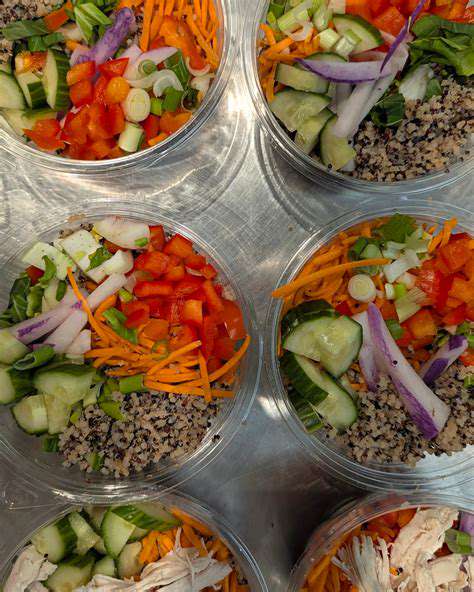
Healthy and Delicious IdeasLooking for nutritious and satisfying lunch ideas that will keep you energized throughout the workday? Discover a variety of healthy options that go beyond basic sandwiches, ensuring your meals are both delicious and balanced. Our guide covers innovative salads, wholesome wraps, nutrient-dense quinoa bowls, appealing soup and sandwich combos, and fun bento boxes! Salads with a TwistTransform your salads by adding protein-packed ingredients such as grilled chicken, chickpeas, or tofu to keep you feeling full and satisfied. Boost flavors with unique dressings made from Greek yogurt, herbs, and citrus juices. Don’t be afraid to experiment with whole grains like quinoa and roasted vegetables to enhance both taste and nutrition. Add fruits like berries for a sweet touch, elevating your work salads to a whole new level. Whole Grain WrapsWhole grain wraps are a great choice for a health-conscious lunch. They’re rich in dietary fiber which helps maintain digestive health and keeps hunger at bay. With creative filling ideas like hummus and roasted vegetables or grilled chicken and avocado, you can enjoy varied and wholesome meals while staying on track with your health goals. Quinoa BowlsQuinoa bowls are not just trendy; they pack a nutritional punch! Quinoa serves as a complete protein source, making it perfect for vegetarians and vegans. Combine it with vibrant vegetables and protein options like chickpeas or grilled chicken for a well-rounded meal. Top with zesty dressings to add flavor while enjoying a diverse mix of textures on your lunch break. Soup and Sandwich CombosTo create a satisfying and nutritious lunch, opt for broth-based soups teamed up with whole grain sandwiches. This powerful combo not only fuels your body but also curbs snacking throughout the day. Pair your sandwiches with fresh veggies to amp up the flavor and nutrient density. An ideal pairing could be a tangy tomato basil soup with a turkey and avocado sandwich - a delicious way to enjoy a balanced meal. Snackable Bento BoxesBento boxes are a fun and practical way to pack a balanced lunch. Include a variety of components such as protein-rich ingredients, wholesome grains, and colorful vegetables for an engaging meal. Fill your bento box with grilled chicken, quinoa, and roasted veggies dipped in hummus for a satisfying mix of flavors. Ensure to include healthy fats such as avocado or nuts for added satiety and flavor. Meal Prep TipsDon’t forget to prepare your meals in advance! Batch-cook grains and proteins to make assembly easy and quick during busy workdays. Rotate ingredients weekly for variety which helps keep your lunches exciting and nutritious.By implementing these healthy options, you can enjoy delicious meals that sustain you throughout the day, all while supporting your overall health and wellness goals. Say goodbye to boring lunches and hello to a vibrant, nutritious, and enjoyable dining experience at work!

How to Maintain Speed During Off Season Running
Set Goals, Incorporate Speed, and Focus on NutritionEmbarking on an effective off-season training plan is crucial for maintaining and enhancing your running speed. Setting clear goals is the first step in creating a structured approach. Establishing measurable objectives, such as weekly mileage or specific sprints, keeps your motivation high. Tools like fitness trackers can provide real-time feedback on your progress, making training both systematic and rewarding. Importance of a Structured Training ScheduleCreating a structured training schedule ensures variety in workouts, helping to prevent burnout. Incorporate interval training, tempo runs, and recovery jogs spaced throughout the week. This balance helps your body adapt to running demands while improving stamina and speed for the competitive season. Enhance Technique and StrengthFocus on improving your running technique and form during the off-season. Attending workshops and performing biomechanics drills can increase efficiency, reducing injury risks. Additionally, integrating strength training with exercises that target the core and legs—like squats and lunges—will enhance your muscle endurance and power. Speed Workouts: Essential for ImprovementIncorporating speed workouts is vital to maintaining performance. Interval training, tempo runs, and hill sprints should be part of your routine. Research demonstrates that runners who add these speed-centric sessions can improve race times significantly. Setting aside dedicated time for these workouts allows for structured progression. Choose Cross-Training for Balanced FitnessCross-training is a fantastic way to develop endurance and strength without the strain of continuous running. Activities like swimming, cycling, and weightlifting diversify your workout and monitor your fitness levels while reducing injury risk. Aim for flexibility and mobility work, as this enhances your overall performance. Focus on Nutrition and RecoveryProper nutrition fuels your workouts. Strive for a balanced diet with carbohydrates, proteins, and healthy fats. Hydration is equally crucial; runners should prioritize fluid intake to avoid fatigue. Timing your meals around workouts can vastly improve recovery, with a focus on post-run snacks that combine protein and carbs. Building a Consistent Running ScheduleFinally, maintaining a consistent running schedule is key to off-season success. Aim for three to four running sessions each week that incorporate different types of runs. Establish a routine that fits with your lifestyle to make running a habitual part of your week. Mixing terrains provides both mental renewal and physical development. Monitoring ProgressTracking your training helps you stay accountable and refine your methods. Utilize running apps and training logs to document your workouts and monitor nutritional intake. Regular reviews at the end of each training cycle can help you adjust strategies for optimal performance.Incorporating these strategies into your off-season training will maximize your speed and endurance when it matters most. Treat these months as a valuable time to build a foundation for your upcoming racing season.

Running Form Drills for Increased Stride Frequency
Understanding Stride Frequency</h2>If you want to unlock your potential as a runner, understanding stride frequency is key. Stride frequency, or cadence, is defined as the number of strides taken per minute, with elite runners averaging around 180 strides per minute. This crucial metric is not only essential for improving speed but also plays a significant role in running efficiency and injury prevention. The Benefits of Increasing Stride FrequencyIncreasing your stride frequency offers a plethora of advantages. A higher cadence leads to a more upright posture, enhancing lung capacity and airflow—especially vital during longer races. Moreover, quicker strides can absorb impact more efficiently, reducing strain on joints and lowering the risk of common running injuries. Studies suggest that runners who increase their cadence typically experience less exertion, leading to greater enjoyment and satisfaction in their runs. Strategies to Improve Stride FrequencyTo elevate your stride frequency, integrate specific drills into your training regime. High-knees, butt kicks, and plyometric exercises can enhance muscle memory and coordination, leading to improved running mechanics. For precision, consider using a metronome to synchronize your cadence with your target strides per minute during training. Hill sprints can also help promote a quicker stride without sacrificing power. Key Drills to Implement1. High Knees: This exercise strengthens hip flexors and enhances overall power. Aim for an upright posture while driving your knees towards your chest to maximize effectiveness.2. Butt Kicks: Focus on the posterior chain, engaging muscles like the glutes and hamstrings. This drill prepares your body for higher intensity efforts and promotes flexibility.3. Plyometric Drills: Incorporating box jumps and bounding drills into your routine can dramatically increase your power and speed. These explosive movements enhance the stretch-shortening cycle, optimizing muscle performance during running.4. Jump Rope: This simple exercise can drastically improve cadence while providing cardiovascular benefits. The Importance of Warm-UpsBefore diving into stride frequency drills, it’s essential to engage in warm-ups. Dynamic stretches such as high knees, butt kicks, and leg swings for 10-15 minutes can prepare your muscles, enhance flexibility, and reduce injury risk. Regular Assessments and AdjustmentsTo track progress effectively, use running apps or wearable technology to measure stride frequency. Regular assessments allow for ongoing adaptations in your training, ensuring continued improvement. Consistency is critical, so aim to integrate various stride drills into your routine two to three times a week. ConclusionUnderstanding and improving your stride frequency can significantly enhance your running performance. By adopting targeted drills and maintaining a consistent training regimen, you can enjoy the myriad benefits that come from efficient, high-frequency running. Whether you're a recreational jogger or a competitive athlete, achieving the optimal stride frequency is your pathway to better performance and injury prevention.

Why Strong Glutes Equal a Happy Lower Back
Unlocking Your Body's PotentialUnderstanding the importance of gluteal muscles—comprising the gluteus maximus, gluteus medius, and gluteus minimus—is crucial for maintaining proper posture and overall body mechanics. Strengthening the glutes is essential for spinal alignment and can dramatically improve your posture, contributing to long-term back health. Why Are Glutes Important for Posture?Weak glutes can lead to poor pelvic alignment, resulting in issues such as hyperlordosis and significant lower back pain. Research indicates that individuals with stronger glute muscles benefit from improved spinal alignment and a lower incidence of back pain. Thus, enhancing glute strength can be transformative for your posture and quality of life. Effective Exercises to Strengthen Your GlutesTo build stronger glutes, incorporate exercises like squats, deadlifts, and hip thrusts into your workout routine. These movements effectively engage the gluteal muscles, promoting stability and power. For beginners, bodyweight exercises are a great starting point, with resistance added as you progress. The Risks of Sedentary LifestylesOur modern, sedentary lifestyles often lead to gluteal amnesia, a weakening of these crucial muscles due to prolonged sitting. Such inactivity can disrupt muscle balance and worsen posture. To combat this, aim for regular movement breaks, standing or stretching every 30 to 60 minutes to activate your glutes and support better posture. The Importance of Glute ActivationIn everyday activities and sports, glute activation is vital. Simple cues—like consciously squeezing your glutes while walking—can improve your biomechanics. Including targeted glute activations in your warm-ups can prepare your body for daily tasks, preventing injuries and yielding better lower back support. Professional Guidance for Optimal Glute HealthRegular assessments of glute strength and flexibility are essential for optimal function. Working with a certified trainer or physical therapist for personalized feedback can make a significant difference in your posture and overall performance. Discover Holistic Benefits Beyond StrengthStronger glutes not only enhance athletic performance—they also improve core stability and overall body mechanics. Engaging these muscles during physical activities ensures proper alignment and reduces the risk of injury. Strengthening your glutes can lead to lower back pain relief, improved posture, and a more active lifestyle. ConclusionIncorporating glute-strengthening exercises into your routine is not just about aesthetics; it’s vital for overall health. Focusing on glute strength can lead to improved posture, reduced lower back pain, and enhanced athletic performance. Start your journey today and unlock the full potential of your body's biomechanics.

Gratitude and Its Role in Social Health
Enhancing Mental Well-Being and Relationships Understanding the Psychological Mechanisms of GratitudeGratitude acts as a powerful catalyst for improving mental well-being, reducing symptoms of depression and anxiety. Shifting focus from negative to positive experiences allows individuals to enjoy a more enhanced mental state. Engaging in gratitude exercises, such as journaling, fosters long-term positive changes in one's outlook on life. Neuroscientifically, gratitude activates brain areas linked to reward processing, leading to heightened emotional responses. The Impact of Gratitude on Social RelationshipsExpressing gratitude significantly bolsters social interactions, enhancing empathy, reducing aggression, and fostering strong emotional connections. Research highlights that gratitude can elicit positive responses in others, minimizing resentment within relationships. Practicing gratitude enriches social dynamics, creating stronger support systems and a culture of mutual appreciation. Certain studies show that grateful individuals are more likely to engage in altruistic behaviors, enhancing community ties. Building Stronger Relationships Through GratitudeGratitude is essential in reinforcing bonds between individuals. Studies suggest expressing gratitude not only elevates relationship satisfaction but also contributes to their longevity. Acknowledging support from others initiates a positive and reinforcing cycle of appreciation. Simple gestures like verbal affirmations, written notes, and acts of kindness can significantly enhance interpersonal dynamics over time, promoting feelings of connection and belonging. The Long-term Benefits of Cultivating GratitudeGratitude fosters long-term improvements in both mental and physical health. Research indicates that regularly practicing gratitude correlates with lower depression and anxiety symptoms. Greater resilience in challenging situations, improved sleep, and reduced stress levels are also reported benefits. This cyclical effect translates into healthier relationships and an overall more vibrant life. Gratitude as a Tool for Conflict ResolutionScientific findings suggest that gratitude influences how we approach conflicts. Acknowledging contributions and fostering a culture of appreciation leads to better conflict resolution skills, promoting open dialogue rather than defensiveness. Implementing positive affirmations, active listening, and daily gratitude rituals can help navigate disputes effectively, enhancing interpersonal health. Creating a Culture of GratitudeTo create a culture of gratitude, small actionable steps can be taken. Institutions can introduce practices such as gratitude boards or reflection periods during meetings to promote recognition and appreciation among peers. A consistent emphasis on gratitude not only uplifts group morale but also fosters an environment where individuals feel valued and respected. The Connection Between Gratitude and Emotional IntelligenceHigh emotional intelligence enhances the ability to express and perceive gratitude, leading to deeper connections. As individuals practice gratitude, they cultivate empathy and self-awareness, which are critical components of emotional intelligence. This personal growth benefits both interpersonal relationships and individual development. Measuring the Success of Gratitude InitiativesTo evaluate the effectiveness of gratitude initiatives within organizations, methods such as employee surveys and performance reviews can be utilized. Monitoring changes in morale and productivity following gratitude interventions provides tangible proof of the benefits gained by fostering a culture of appreciation. Creating a habitual practice of gratitude promises not only to uplift individual spirits but also to enhance the overall social fabric, making it an essential tool for promoting well-being in every facet of life.

Healthy Bean and Lentil Recipes for Weight Loss
A Comforting Classic for Health and Weight LossDiscover the warmth and comfort of Nourishing Lentil Soup, a classic dish that combines health benefits with delightful flavors. This wholesome soup is packed with nutritious ingredients such as whole lentils, vegetables, and a variety of herbs. Explore how lentils can play a crucial role in your weight loss journey while satisfying your taste buds. Key Ingredients and Health BenefitsWhen crafting your delicious lentil soup, you'll want to include ingredients like carrots, onions, and garlic, all known for their rich vitamin and mineral content. Lentils are recognized as a superfood, high in dietary fiber and plant-based protein, helping you feel fuller for longer, thereby supporting weight management. Just one cup of cooked lentils offers around 18 grams of fiber and an excellent source of protein, making it an ideal meal for vegetarians and vegans. Mastering Cooking TechniquesTo achieve the perfect texture, understanding the cooking times of different lentil varieties is essential. Brown lentils require 20-30 minutes, while red lentils can cook in just 15 minutes. Pre-soaking lentils can speed up cooking time, though it’s not necessary. Using a tight-fitting lid and monitoring water levels will prevent burning and ensure a deliciously cooked soup. Customize Your Soup ExperienceLentil soups are incredibly versatile; you can enhance the flavor by adding spices like cumin and coriander or try Mediterranean or Indian-inspired variations. Experimenting with creamy textures can be achieved by blending part of the soup, adding richness while maintaining a healthy profile. Complement your soup with vibrant seasonal vegetables for a unique and nutritious experience. Serving SuggestionsServe your lentil soup alongside a leafy green salad or whole-grain bread to create a balanced meal. Adding a drizzle of olive oil, a splash of lemon juice, or a dollop of yogurt can elevate your dish with fresh flavors, while garnishes like fresh herbs boost visual appeal. Storing and FreezingLeftover lentil soup can be a lifesaver during a busy week. Store it in airtight containers once cooled; it can last in the refrigerator for 3 to 5 days or can be frozen for up to three months. When reheating, simply add a bit of water or broth to return the soup to its intended consistency. Conclusion: Why Choose Lentil Soup for Weight Loss?Lentil soup isn’t just delicious; it’s a smart choice for anyone looking to lose weight. Low in calories but high in protein and fiber, it promotes fullness, which can help manage calorie intake. By incorporating lentils into your diet, you're not only making a wise nutritional choice but also working towards reducing the risk of chronic diseases. Explore the joys of cooking with lentils today and make nourishing lentil soup a staple in your healthy eating plan!

Healthy Snack Prep for Kids: Weight Loss Friendly
Understanding the Importance of Healthy SnacksIn today's fast-paced world, healthy snacking plays a pivotal role in children’s growth and well-being. This guide explores the benefits of nutrient-rich snacks, tips for preparing healthy options in advance, and easy recipes to inspire both parents and children to choose nutritious meals. The Benefits of Nutrient-Rich IngredientsIntegrating foods high in vitamins, minerals, and antioxidants into snacks not only sparks energy but also supports children’s overall growth and development. Research highlights that children maintaining a balanced diet rich in whole foods—like fruits, vegetables, and whole grains—tend to excel academically and maintain healthy weight levels. By ensuring snacks blend proteins, healthy fats, and fiber, parents can help their children stay full and satisfied. Preparing Healthy Snacks Ahead of TimePlanning is key when it comes to healthy snacking. Setting aside a specific day each week for meal prep allows parents to create individual snack packs filled with colorful fruits and vegetables, protein-rich dips, and fun combinations. This advance preparation minimizes unhealthy snacking and teaches children the importance of mindful eating. Portion Control and Balanced ChoicesUnderstanding portion sizes is vital in preventing overeating. Parents can utilize measuring cups or portion control containers and encourage children to listen to their hunger cues. Creating a balanced snacking environment fosters healthy eating habits that last a lifetime. Making Snacks FunEngaging children in snack preparation can enhance their willingness to try new foods. Incorporate excitement by allowing kids to suggest different ingredients or create colorful plates, such as fruit kabobs or veggie sticks. Regularly rotating snacks helps keep their palate interested, turning healthy eating into an adventure. Simple and Nutritious Snack IdeasCreating nutritious snacks can be enjoyable and straightforward. Consider combining various fruits to make a delightful mixed fruit salad or frozen fruit pops that provide hydration and satisfy sugar cravings without added sugars. Crispy veggie snacks, like kale chips or homemade veggie sticks, paired with dips such as hummus, serve as satisfying alternatives to chips while promoting healthier eating habits.Protein-packed options like Greek yogurt with fruit or nut butter on whole-grain toast not only satisfy hunger but also offer essential nutrients pivotal for kids’ energy and growth. Incorporating Varieties of Food GroupsTo optimize nutrition, snacks should include a diverse range of food groups such as fruits, vegetables, grains, proteins, and dairy. This variety helps meet daily nutritional requirements. Creative snack combinations—such as yogurt with granola or a veggie platter with hummus—can make healthy eating both appealing and nourishing. Engaging Kids in Snack PreparationInvolve children in the snack-making process to boost their interest in healthy eating. Teaching them about different food groups and their benefits can foster a positive relationship with food. Incorporating fun elements like games around nutrition can enrich this learning experience. ConclusionMaking your kitchen a vibrant snack prep station can incentivize kids to choose healthier options. Combining education with fun while preparing snacks not only develops their culinary skills but also promotes teamwork and family bonding. Together, these practices contribute to establishing sustainable healthy eating habits, setting the groundwork for a lifetime of nutritious choices.

Cooking Healthy Meals on a Tight Budget
The Key to Budget CookingMeal planning is a vital strategy for anyone looking to eat healthily while staying within their budget. By organizing your meals for the week or even month, you can drastically cut down on grocery bills and reduce food waste. This comprehensive guide will equip you with essential meal planning basics, budgeting tips, effective grocery strategies, and budget-friendly recipes. Understanding Meal Planning BasicsMeal planning entails organizing meals ahead of time, which streamlines grocery shopping and minimizes last-minute decisions that lead to costly takeout. A structured meal plan helps manage both budget and time effectively, turning cooking anxiety into a more relaxed, enjoyable experience. By assessing ingredients you already have, you can create a focused shopping list that avoids unnecessary purchases. Budgeting for Your MealsCreating a budget is crucial for successful meal planning. Estimate your weekly grocery expenses and categorize them by food groups like proteins, grains, and vegetables to maintain a balanced diet. Keep track of seasonal sales and utilize budgeting apps to ensure you stay within your set limits. Selecting Recipes WiselyChoosing recipes that share ingredients can lower costs and minimize waste. Aim for a diverse range of meals that incorporate proteins, vegetables, and grains for a balanced diet. Discover versatile staples like rice, beans, and pasta to create multiple dishes with fewer ingredients. Effective Grocery Shopping StrategiesOnce your meals are planned and budget set, create a shopping list organized by ingredient type to streamline your grocery store experience. Consider shopping at local farmer’s markets for fresher, cost-effective produce, and don’t hesitate to buy in bulk. Utilize loyalty programs to maximize savings over time. Evaluating Your Meal PlanRegularly assess the effectiveness of your meal plan. Reflect on your spending and adjust recipes based on enjoyment and financial viability. Keeping a food diary can provide insights into what works and what doesn’t, optimizing future meal preparations and minimizing waste. Choosing Budget-Friendly IngredientsIncorporating cost-effective protein sources like beans, lentils, and seasonal produce can help you maintain a nutritious diet without overspending. Grains such as brown rice and oats are not only budget-friendly but also nutrient-dense. Smart Cooking TechniquesIncorporate healthier cooking methods such as steaming and grilling, which maintain nutrition without excess calories. One-pot meals can also simplify cooking and clean-up while providing balanced nutrition. Healthy Recipe Ideas on a BudgetFocus on budget-friendly meals to maintain nutrition and avoid waste. Staples like oats can be transformed into nutritious breakfasts, while versatile recipes for lunches and dinners like chili or vegetable stir-fry can help stretch your ingredients.By mastering meal planning and budgeting, you can transform your dining experience into a healthier, more economical one without sacrificing flavor or nutrition. Start your journey toward budget cooking today!

Best Running Gear for Speed and Performance
Enjoy Superior Performance with Lightweight Running Shoes and High-Performance ApparelAre you ready to take your running to the next level? Discover the incredible benefits of lightweight running shoes and high-performance running apparel, crucial elements that can significantly enhance your speed, comfort, and overall performance on every run. The Benefits of Lightweight Running ShoesLightweight running shoes are essential for achieving optimal running efficiency. Research shows that every ounce matters – lighter footwear can lead to reduced fatigue and increased energy output. Brands like Nike and Adidas utilize advanced materials like mesh uppers and EVA midsole foams, ensuring you stay comfortable and agile while achieving that perfect fit.As technology advances, features such as Nike’s VaporMax technology allow for superior cushioning, enhancing speed and response during your runs. In addition, 3D printing enables customization, tailoring shoes to your specific foot shape and stride mechanics—perfect for the discerning runner. Choosing the Right Running ApparelModern high-performance running apparel incorporates specialized fabrics that enhance comfort and speed. Look for materials with moisture-wicking properties, such as polyester and nylon, which help keep your skin dry and prevent chafing. Innovative technologies, like Dri-FIT and Coolmax, draw sweat away from the body to maintain comfort throughout long runs.Fit is paramount; well-fitted running gear enhances mobility, while too-loose or too-tight apparel can hinder performance. Layering strategies with moisture-wicking and insulating materials will help you adapt to varying weather conditions. Accessories That Enhance Your PerformanceDon't overlook the importance of running accessories. A high-quality running watch can track your pace, distance, and heart rate, providing critical insights to optimize your training. While lightweight hydration belts keep you hydrated without compromising speed, reflective gear is essential for safety during low-light runs. Explore innovative products, such as smart insoles and heart rate monitors, to further enhance your running experience. Recovery Gear for Optimal PerformanceRecovery gear is vital for reducing muscle soreness and preventing injuries, allowing you to maintain your rigorous training schedule. Incorporate essential tools like compression clothing, foam rollers, and cold therapy packs into your routine—these can significantly speed up recovery after intense runs. The Importance of FitAchieving the perfect fit is crucial for maximizing performance. Ill-fitting shoes can lead to blisters and other injuries, while well-fitted gear ensures comfort during runs. Consider terrain, distance, and personal preferences when selecting your gear. Whether it’s a snug fit for road running or extra support for trail running, knowing your needs will guide you in finding the right equipment. Final ThoughtsInvesting in lightweight running shoes, high-performance apparel, and the right accessories is a proactive step toward enhancing performance and enjoyment in your running journey. Remember to prioritize fit for both comfort and longevity of your gear, ultimately leading to better training outcomes and the satisfaction of pushing your limits. Unlock your potential with the perfect gear and gear up for the run of a lifetime!

Why Gratitude is a Habit for Physically Healthy People
1. Keep a gratitude journal2. Express appreciation to those around you3. Practice mindfulness with a focus on gratitude.Embrace the transformative power of gratitude and unlock a healthier, happier life.

Healthy Recipes for Late Night Cravings
The Ultimate Guide to Healthy Late-Night SnacksAre late-night cravings disrupting your sleep and health? Discover a collection of nutritious and satisfying snacks that are perfect for curbing those nighttime munchies without guilt! We've curated a list of five delicious options that are packed with essential nutrients, ensuring your late-night snacks contribute positively to your well-being. 1. Greek Yogurt ParfaitGreek yogurt shines for its high protein content (15-20 grams per serving), making it an excellent late-night snack choice. It's rich in probiotics which support gut health, enhancing digestion and mood regulation. Elevate your parfait by layering fresh fruits like berries or bananas, adding crunchy nuts, and a drizzle of honey for sweetness. Craft this snack to perfection in under five minutes while maintaining portion control to promote satiety. 2. Veggie Sticks with HummusPacked with essential vitamins and minerals, veggie sticks such as carrots and cucumbers pair wonderfully with hummus. These colorful veggies are low in calories, high in fiber, and can keep you feeling full. Get creative by boosting your hummus with garlic or spinach for added health benefits. Consider using whole grain pita or multi-seed crackers as dippers for a balanced late-night snack. 3. Overnight OatsOvernight oats are a quick, customizable solution for a nutritious late-night meal. With a base of rolled oats and your choice of milk, let the mixture soak overnight to allow for optimal flavor absorption. Add fruits, seeds, and natural sweeteners for a delightful morning treat. Rich in fiber, these oats support digestive health and provide sustained energy without added sugar spikes. 4. Dark Chocolate AlmondsIndulge in a handful of dark chocolate almonds, which offer a delightful mix of antioxidants and healthy fats. Dark chocolate is known to support cardiovascular health, while almonds help curb hunger. Prepare this scrumptious snack by coating almonds in melted dark chocolate, and flavor them with sea salt or spices to amplify your snacking experience. 5. Air-Popped PopcornFor a low-calorie whole-grain option, air-popped popcorn is a fantastic choice. Providing dietary fiber, it can help keep you feeling full, making it a beneficial snack during evening hours. Enhance the flavor with nutritional yeast or spices for a savory twist. Remember to keep portion sizes in check—typically about three cups—to enjoy this snack without overindulging. ConclusionTransform your late-night snacking habits by incorporating these healthy options into your routine. Each snack offers unique health benefits while satisfying cravings, making them perfect for any time of the day. Embrace nutritious choices that align with your health goals and enjoy the peace of mind that comes with mindful eating.