Interval Training for Runners: Boost Your Speed and Endurance
Contents
Interval training alternates high and low-intensity workouts for improved performance.
Incorporates personalized fitness approaches for individual effectiveness during workouts.
Boosts VO2 max and running performance through structured interval sessions.
Various types include sprint intervals, tempo runs, and hill workouts.
Essential for building stamina and lactate threshold in long-distance running.
HIIT delivers quick fitness gains compared to traditional running methods.
Fartlek training allows flexible pacing adjustments based on terrain and comfort.
Tempo runs enhance lactate threshold for sustained faster-paced running.
Long intervals improve VO2 max, crucial for distance running success.
Hill repeats strengthen muscles and build cardiovascular stamina effectively.
Creating an interval plan should start based on current fitness levels.
Integration into a weekly schedule requires designated days for interval workouts.
Incorporate warm-up and cool-down phases to prevent injuries and promote recovery.
What is Interval Training?
Understanding the Basics of Interval Training
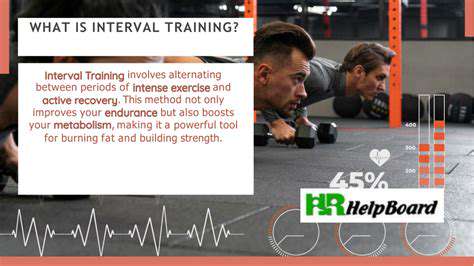
Interval Training, at its core, involves alternating between intense bursts of activity and fixed periods of less-intense activity or complete rest. This method not only improves speed but also enhances overall endurance, making it particularly beneficial for runners. Generally, this type of workout can be tailored to suit individual fitness levels, which allows for a more personalized approach.
Evidence from studies shows that athletes who incorporate interval training can significantly improve their performance metrics. For example, a study by the American College of Sports Medicine (ACSM) reported that interval training can increase VO2 max—the maximum amount of oxygen one can utilize during exercise—by as much as 12% over a short period.
- Alternating periods of high-intensity workouts with low-intensity recovery.
- Tailored to individual fitness levels, enhancing personal effectiveness.
- Proven to increase VO2 max and overall running performance.
Types of Interval Training for Runners
Runners can choose from several types of interval training, each designed for specific goals and skill levels. For example, sprint interval training typically entails short, maximum effort sprints followed by longer recovery times. This approach not only builds speed but also improves anaerobic endurance, allowing runners to maintain high-intensity efforts for extended periods.
Another effective type is tempo intervals, which involve running at a steady, challenging pace that is just below the lactate threshold. These workouts help improve lactate clearance and develop a runner's stamina. Incorporating hill intervals can also significantly enhance leg strength and power, benefiting overall running economy.
Tips for Effective Interval Training
To maximize the benefits of interval training, it is essential to implement a structured plan. Start with a proper warm-up to prepare your body for strenuous activity, which reduces the risk of injury. Dynamic stretches and light jogging are recommended to get your muscles ready for action.
Consistency is key, so make sure to set clear goals and track your progress. Consider using a smartwatch or a running app to measure pace and recovery times. Beginners should start with fewer intervals and gradually increase their intensity and duration as their fitness improves. This gradual increase helps in adapting physically and mentally to the demands of intense workouts.
Lastly, always listen to your body. If an interval feels too challenging, it’s perfectly acceptable to adjust your pace or the length of your recovery periods. Remember, the objective is to push your limits safely without risking injury.
The Benefits of Interval Training for Runners
Understanding Interval Training
Interval training is a structured format of exercise that alternates periods of high-intensity effort with lower-intensity recovery exercises. This method is designed to push the limits of your aerobic capacity and enhances both speed and stamina. Studies indicate that incorporating this type of training into a running regimen can increase VO2 max levels—a critical indicator of cardiovascular fitness. Research published in the Journal of Applied Physiology highlighted athletes improving their VO2 max by nearly 10% within a few weeks of consistent interval training.
Improving Speed with Short Bursts
One of the key advantages of interval training is its ability to significantly enhance running speed. By sprinting over short distances followed by rest or slower running, your body learns to cope with higher levels of exertion. A well-designed program can help you develop fast-twitch muscle fibers more effectively, which are essential for explosive speed. According to a study in the European Journal of Applied Physiology, runners who incorporated interval sprints into their routines saw an average improvement in 5K race times of about 3-5% over traditional training methods.
Moreover, adding sprints to your workout not only builds speed but also improves your running economy. This means you can maintain faster paces for longer durations without excessive fatigue. The ability to run faster at a lower perceived exertion is a huge advantage in long-distance events. Ultimately, this means you'll finish stronger, regardless of the distance.
Boosting Endurance Through Recovery
Interval training isn’t just about speed; it's a powerful tool for improving endurance too. The structure of high-intensity bursts followed by active recovery trains your body to utilize energy more efficiently. Over time, this method increases your lactate threshold—the point at which lactic acid builds up in your muscles, causing fatigue. Many elite athletes include interval workouts to push this threshold higher, allowing them to run harder for longer periods. Research supports that runners increase their endurance capacity significantly, a necessity for tackling longer races like the marathon.
Time Efficiency of Interval Workouts
For many runners, time is a precious commodity. One of the most appealing aspects of interval training is that you can achieve significant fitness gains in a shorter duration compared to traditional distance running. A typical interval session can last just 20-30 minutes while still reaping the cardiovascular benefits that come from longer runs. This efficiency allows busy individuals to fit workouts into less flexible schedules, making it easier to stay consistent with training.
Psychological Benefits and Motivation
Another, often overlooked, benefit of interval training is its positive impact on mental fortitude. The diverse nature of workouts can alleviate boredom that often accompanies repetitive running routines. Engaging in interval sessions provides a clear challenge; runners strive to beat their previous times and push their limits, fostering a sense of accomplishment. Research conducted by the American Psychological Association shows that achieving these small goals can lead to increased motivation for continued training.
In addition, the social aspect of interval training can enhance motivation. Many runners engage in group training sessions where they can share experiences and encourage one another. This community support can be instrumental, especially when preparing for competitive events or sticking to a training plan.
Nutritional Considerations for Interval Training
The benefits of interval training can be markedly increased when coupled with a solid nutritional strategy. Ensuring proper fuel before, during, and after these intensive workouts is crucial. A balanced diet rich in carbohydrates replenishes glycogen stores, facilitating recovery and preparing muscles for the next training session. Furthermore, including protein can support muscle repair and growth after the stress of interval workouts. A study published in the Journal of Sports Nutrition indicates that athletes who prioritize their nutrition before high-intensity training sessions consistently outperform those who don’t.
Long-term Athletic Performance Gains
Incorporating interval training into your regular running routine can lead to long-term benefits that extend beyond immediate performance improvements. Regularly training at various intensities teaches your body to adapt to different energy systems and paces, providing an edge in races. Many coaches advocate for a blend of interval training with traditional long runs to maximize performance potential in competition. This holistic approach not only enhances speed and endurance but also contributes to overall athletic longevity—it can reduce the risk of overuse injuries, as varying the training demands allows for better recovery. By developing diverse fitness capabilities, interval training helps build a robust foundation for all aspects of running.
Popular Interval Training Methods for Runners
High-Intensity Interval Training (HIIT)
High-Intensity Interval Training, or HIIT, is a popular method embraced by many runners aiming to enhance their speed and overall performance. This training program typically involves short, intense bursts of running followed by lower-intensity recovery periods. Research has shown that HIIT can improve cardiovascular fitness significantly in a shorter timeframe compared to traditional steady-state running. A study published in the Journal of Sports Science & Medicine highlights that athletes can gain similar cardiovascular benefits from a 20-minute HIIT session as they would from an hour of moderate running.
One effective HIIT technique is the Tabata protocol, which consists of 20 seconds of all-out effort followed by 10 seconds of rest, repeated for 4 minutes. This approach not only helps to boost aerobic and anaerobic capacity but also elevates the metabolic rate post-exercise. Incorporating HIIT into your routine a couple of times a week can keep boredom at bay and continuously challenge your body’s limits.
Fartlek Training
Fartlek, which means speed play in Swedish, is an unstructured form of speed training that's particularly beneficial for runners looking to improve their pacing and stamina. The beauty of Fartlek Training lies in its flexibility; runners can incorporate bursts of speed and recovery runs based on their personal comfort, often dictated by terrain. This variability makes it an enjoyable way to blend intervals into standard runs without the rigidity of a formal program.
To implement fartlek training, start with a warm-up jog, then choose landmarks like trees or streetlights to sprint towards, followed by a recovery jog. This method not only enhances speed but also helps runners learn to gauge their pace better, making it ideal for race day preparation. Studies have indicated that consistent fartlek sessions can effectively improve running economy, a key factor in enhancing overall performance.
Tempo Runs
Tempo runs are essential for building lactate threshold, which is crucial for sustaining faster paces over a distance. This type of workout typically involves a sustained effort at a comfortably hard pace, generally around 80-90% of your maximum heart rate. Runners often find joy in tempo runs because they strike a balance between speed and endurance, paving the way for increased stamina during races.
As a useful tip, aim to keep your tempo run at a pace where talking is challenging but possible. Incorporating tempo runs once a week into your training schedule can lead to noticeable improvements in race times, as validated by various sports science studies that emphasize their role in enhancing endurance and speed capabilities.
Long Intervals
Long intervals typically involve running at a high pace for extended distances, such as 800 meters to 1600 meters, followed by a set recovery period. This method pushes your aerobic capacity and allows your body to adapt to faster speeds over longer durations. An effective way to integrate long intervals is to start with a warm-up before progressing to a series of repeats, focusing on maintaining a consistent pace throughout.
Research suggests that longer intervals can enhance VO2 max, a critical determinant of distance running performance. Many elite runners utilize long intervals as a key training component, incorporating it into their regimen to build speed endurance before major races.
Hill Repeats
Hill repeats are an excellent interval training method designed to build strength and power in runners. When hill running, the increased incline demands more effort from various muscle groups, and this can lead to improved speed and efficiency on flat terrain. A common approach to hill repeats includes finding a hill with a moderate gradient and running hard uphill, then jogging or walking back down for recovery.
Evidence from numerous studies indicates that running hills can strengthen the cardiovascular system while also enhancing running economy. Plus, tackling hills can help fend off boredom and provide a change of scenery in your training routine. So, next time you're looking for an invigorating challenge during your runs, consider incorporating hill repeats to diversify your workout and level up your training effectiveness.
How to Incorporate Interval Training into Your Routine
Understanding the Basics of Interval Training
Interval training alternates periods of high intensity with periods of lower intensity or rest. This method has long been popular among athletes seeking to improve performance. Research by the Journal of Sports Science indicates that this form of training can lead to enhanced aerobic and anaerobic capacity in runners, allowing them to run faster and longer. By pushing the body through varied intensities, runners can experience greater adaptation than with steady-state cardio alone.
Many descriptions of interval training highlight famous models, such as the Tabata method or Fartlek workouts. For example, a common Tabata session consists of 20 seconds of maximal effort followed by 10 seconds of rest, repeated for four minutes. Fartlek, on the other hand, encompasses “speed play,” where runners continuously shift pace based on how they feel. Each method offers unique benefits that cater to different runner preferences and goals.
Developing an Effective Interval Training Plan
Creating an interval training plan begins with assessing your current fitness level and goals. If you're new to running, it’s wise to start slowly with light intervals, such as a 1-minute sprint followed by 2 minutes of walking. Over weeks, you can gradually modify these intervals, increasing both the duration and intensity of the sprints as your fitness improves. The purpose here is to listen to your body and adjust your plan as necessary to avoid injury.
For seasoned runners, a more advanced program might involve pyramid intervals, where the length of your sprints increases with each repetition before decreasing, or hill sprints to build strength. One helpful approach involves tracking progress using wearable technology. Data from devices can provide insights into your heart rate, pacing, and recovery times, helping refine your training plan more efficiently.
Incorporating Interval Training into Your Weekly Schedule
To effectively integrate interval training into your running routine, consider designating specific days for these workouts. Many athletes find that two to three days per week is optimal. The remaining days can focus on longer, steady-state runs or recovery sessions. This balanced approach not only helps in building endurance but also prevents burnout from excessive high-intensity workouts.
Additionally, ensuring a proper warm-up and cool-down before and after your intervals is crucial. A good warm-up might include dynamic stretches and light jogging, preparing the muscles for the intensity ahead. Conversely, cooling down with light jogging and stretching helps in recovery and reduces muscle soreness, making it easier to maintain your training schedule over time.
Read more about Interval Training for Runners: Boost Your Speed and Endurance







Hot Recommendations
-
*Lower Back Pain and Cycling: How to Adjust Your Bike
-
*Healthy Sauces for Weight Loss: From Pesto to Salsa
-
*Lower Back Pain and Shoes: Does Heel Height Matter?
-
*The Role of Cross Training in Improving Running Performance
-
*High Protein, Low Carb Cooking for Weight Loss
-
*Recovery Tips for Runners: How to Bounce Back After a Hard Run
-
*Mental Tricks to Stay Motivated During Tough Runs
-
*Seasonal Vegetable Recipes for Healthy Eating
-
*Reflecting on Daily Wins: A Simple Gratitude Exercise
-
*The Longitudinal Effects of Gratitude on Longevity