Recovery Tips for Runners: How to Bounce Back After a Hard Run

Understanding Fluid Loss During Runnning
During a run, your body can lose significant amounts of fluid, often exceeding 2 to 3 liters on longer runs or warm days. This fluid loss can lead to dehydration, impacting performance and recovery.
It's not just water you’re losing; electrolytes are also being expelled through sweat. These minerals, including sodium, potassium, and magnesium, are essential for muscle function and overall hydration. Understanding how to replenish these can greatly enhance recovery.
Signs of Dehydration to Monitor
Runners should be able to recognize the early signs of dehydration to take proactive measures. Symptoms like headache, dizziness, and excessively dry mouth can indicate the need for immediate rehydration.
- Dark yellow urine
- Fatigue or lethargy
- Increased thirst
Ignoring these signs can lead to more serious complications such as muscle cramps or heat exhaustion. Keeping track of your hydration status is vital for maintaining performance.
Best Drinks for Recovery
Water is essential, but it doesn’t always provide the necessary electrolytes for recovery. Many runners find that sports drinks containing sodium and potassium are effective for quicker replenishment.
Alternatives such as coconut water, which is rich in essential nutrients, or electrolyte tablets can also be beneficial. Experiment with different options to find what works best for your body.
Hydration Strategies Pre and Post-Run
Before your run, aim to hydrate thoroughly. A good rule of thumb is to drink about 500 mL (17 ounces) of water or sports drink two hours in advance. This sets a good foundation for your workout.
Post-run, focus on a mix of fluids and electrolytes. Try to consume around 1.5 times the amount of fluid lost during the run, and consider pairing your hydration with a balanced meal for optimal recovery.
Long-Term Hydration Habits
Developing consistent hydration habits is crucial for long-term athletic performance. Incorporate hydration into your daily routine by setting reminders to drink water regularly, even when not exercising.
Additionally, consider tracking your fluid intake and outcomes, such as energy levels and performance metrics, to fine-tune your hydration strategy. By making these adjustments, you can significantly enhance your recovery and running efficiency.
Nourishment: Fuel Your Body with the Right Foods
Understanding Macronutrients: Carbohydrates, Proteins, and Fats
To fuel your body effectively after a run, it's essential to understand the roles of macronutrients—carbohydrates, proteins, and fats. Carbohydrates are your primary source of energy and aid in replenishing glycogen stores that are depleted during intense exercise. The general recommendation is to consume about 1.0 to 1.5 grams of carbohydrates per kilogram of body weight within 30 minutes post-exercise.
Proteins play a crucial role in muscle repair and recovery. Consuming protein alongside carbohydrates can significantly improve muscle recovery, with a ratio of 3:1 or 4:1 of carbohydrates to protein being optimal. For example, a meal containing a chicken sandwich with whole grain bread can provide the right balance for recovery.
Fats should not be neglected, even after a long run. They provide a secondary source of energy and are important for hormone production. Opt for healthy fats from sources like avocados, nuts, and olive oil to support recovery and overall health. A well-rounded post-run meal that incorporates all three macronutrients can enhance recovery and prepare you for your next workout.
The Importance of Hydration in Recovery
Hydration is a key component of recovery that is often overlooked by many runners. During a run, it's not just energy that you lose; you also expend a significant amount of fluids through sweat. Replenishing these fluids post-exercise is critical for restoring the body's natural balance. It's recommended to consume 1.5 times the weight lost through sweat post-run, ideally within the first two hours to maximize rehydration.
Electrolytes, such as sodium, potassium, and magnesium, also play a vital role in recovery, especially after long or strenuous runs. Including sports drinks or electrolyte-infused water can help replace lost salts and prevent issues like cramping and fatigue. A practical way to maintain hydration on the go is to invest in a quality hydration pack, ensuring you have easy access to fluids during your recovery phase.
Timing Your Nutrient Intake for Optimal Recovery
Timing is a crucial factor in nutrient absorption and recovery. The anabolic window refers to the period shortly after exercising when your muscles are primed for nutrient uptake. Consuming a recovery meal or shake within 30 minutes post-run is ideal. This quick refueling helps minimize muscle soreness and supports faster recovery.
For sustained energy throughout the day, it's equally important to plan subsequent meals. A balanced meal containing lean protein, complex carbohydrates, and healthy fats about two to three hours post-exercise will keep energy levels stable and support long-term recovery. Furthermore, consider your pre-run meal timing as well, which should focus on carbohydrates and hydration to set a solid foundation for your performance.
Choosing the Right Foods for Recovery
Post-run meals should prioritize nutrient-dense options to assist in recovery. Foods rich in antioxidants, such as berries, can combat oxidative stress generated during running. Incorporating foods like bananas and oats not only provides carbohydrates but also offers potassium and other essential nutrients that help prevent muscle cramps.
In terms of protein sources, options like Greek yogurt, cottage cheese, or plant-based proteins like lentils and quinoa can be excellent choices. These foods not only provide the necessary amino acids for repair but also help balance hormone levels. Experimenting with different nutritious recipes can make recovery meals enjoyable rather than a chore, ensuring that you look forward to the post-run nourishment.
Stretching and Foam Rolling: Alleviate Muscle Tension
Understanding Muscle Tension and Its Effects
Muscle tension occurs when muscles become tight, making it difficult for them to relax, which often leads to discomfort or pain. This tension can result from various activities, such as strenuous exercise, poor posture, or emotional stress. Particularly for runners, the repetitive nature of running can cause specific muscles to tighten due to overload. This is why understanding muscle tension is crucial for recovery.
Research suggests that prolonged muscle tension could eventually lead to injury if not properly managed. A study published in the *American Journal of Sports Medicine* found that runners who engage in regular stretching and foam rolling have a significantly lower risk of running-related injuries compared to those who neglect these practices. Thus, taking proactive steps towards alleviating muscle tension can have lasting benefits.
Stretching Techniques Post-Run
Incorporating effective stretching techniques into your post-run routine is essential for promoting flexibility and reducing muscle soreness. Static stretches, which involve holding a position for a set duration, are particularly beneficial after a run. Focus on key muscle groups such as the hamstrings, quadriceps, and calves. Holding each stretch for at least 30 seconds can facilitate muscle relaxation and lengthening, easing any tension accumulated during your run.
Dynamic stretches, which involve movement to help warm up muscles, should be integrated before your run rather than afterward. By combining both static and dynamic stretching into your routine, you create a balanced approach that not only aids recovery but also prepares your body for future runs.
The Role of Foam Rolling in Recovery
Foam rolling is an effective self-myofascial release technique that helps alleviate muscle tightness and improve blood circulation post-run. By applying pressure to sore areas with a foam roller, you can break down knots and adhesions in muscles, promoting faster recovery. Studies indicate that foam rolling can also help enhance range of motion and decrease muscle soreness, making it an ideal addition to your recovery arsenal. Aim for targeted areas like the IT band, quads, and calf muscles for the best results.
It's important to approach foam rolling with the right technique to avoid injury. Rolling slowly over a muscle, pausing at tender spots for 20-30 seconds, encourages muscle relaxation and promotes healing. Beginners should introduce this technique gradually, ensuring not to overdo it. On a personal note, I’ve found that incorporating foam rolling into my routine significantly reduces the stiffness I feel the next day, enhancing my overall running experience.
Rest: Prioritize Sleep and Relaxation
Understanding the Role of Sleep in Recovery
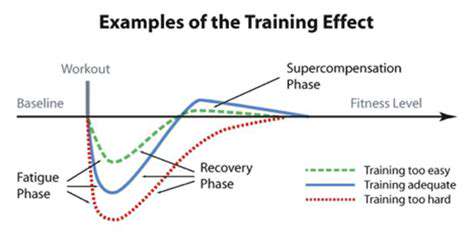
Sleep is crucial for recovery after intense running sessions. Studies show that athletes who consistently get 7-9 hours of quality sleep each night experience improved performance and faster recovery times. The body's repair processes peak during deep sleep, where growth hormones are released, aiding muscle repair and tissue growth.
Additionally, lack of sufficient sleep can lead to increased levels of cortisol, a stress hormone that can hinder performance and recovery. Aim to establish a consistent sleep schedule, allowing your body to regulate its internal clock. This promotes not only better sleep quality but also overall health and wellness.
Incorporating Relaxation Techniques
Relaxation techniques such as yoga, meditation, or deep-breathing exercises can significantly enhance your recovery process. These practices not only lower stress levels but also improve flexibility, reducing the risk of injury. Research indicates that athletes who engage in mindfulness meditation often report lower anxiety levels and better focus, which can be beneficial before and after long runs.
It's also advantageous to include a cooldown routine post-run. Stretching and gentle movements promote blood flow and help eliminate lactic acid buildup, reducing soreness. Taking the time to wind down your body can enhance both physical recovery and mental clarity.
Creating a personal relaxation routine based on what resonates with you can lead to greater benefits. Whether it’s soaking in a warm bath or enjoying quiet moments with a book, find your ideal way to unwind after those hard efforts.
Nutrition's Influence on Rest and Recovery
Nutrition plays a pivotal role in how well you recover during sleep. Consuming a balanced diet rich in proteins, healthy fats, and carbohydrates optimizes recovery. Foods like lean meats, whole grains, and fruits not only provide the essential nutrients for muscle repair but also enhance sleep quality. Specifically, tryptophan-rich foods, such as turkey and nuts, can help in producing serotonin, a precursor to the sleep hormone melatonin.
Moreover, staying hydrated is crucial. Dehydration can lead to restless nights, making it harder for your body to recover. Aim to drink water throughout the day and consider electrolyte beverages post-run to replenish lost fluids.
Mindfulness and Mental Recovery: Reconnect with Your Body

Understanding Mindfulness in Recovery
Mindfulness plays a pivotal role in the recovery process for runners. It involves focusing your attention on the present moment without judgment. Recent studies highlight that practicing mindfulness can significantly reduce stress and enhance emotional well-being, which are crucial after intense workouts. By staying present, runners can better tune in to their body’s signals and needs.
This awareness fosters a deeper connection to both physical and mental states. When runners recognize their thoughts and feelings during recovery, they can address issues such as fatigue or anxiety more effectively. Research published in the Journal of Sports Psychology indicates that athletes who incorporate mindfulness techniques improve performance and recovery outcomes substantially.
Practical Techniques for Mindful Recovery
- Breath Focus: Concentrate on your breathing for a few minutes.
- Stretching with Awareness: Pay attention to how your body feels during stretches.
- Nature Walks: Engage your senses by observing your surroundings during post-run walks.
Implementing mindfulness techniques during recovery can greatly enhance your overall experience. For example, focusing on your breath while stretching can help alleviate tension accumulated during a run. Simple practices such as sitting in silence and observing thoughts can lead to insights about your body and mental state.
Listening to Your Body's Signals
Runners often push through discomfort, leading to injuries. Practicing mindfulness allows you to better recognize your body’s cues, helping you identify when it’s necessary to rest or when to push through. Paying attention to sensations during recovery can alert you to signs of overtraining or fatigue. Consistent reflection on your physical state leads to informed training decisions that prioritize long-term health.
The Role of Mental Visualization
Mental visualization is another powerful tool that complements mindfulness. By envisioning the recovery process, you can enhance your motivation and resilience. Imagining successful recovery scenarios has been shown to promote faster healing. When runners visualize their muscles repairing and stress dissipating, they may find themselves more mentally equipped for subsequent runs.
Incorporating visualization techniques into your routine can be as simple as setting aside a few minutes each day to picture your goals and recovery path.
Developing a Mindfulness Routine
A structured routine can facilitate consistent mindfulness practice. Consider setting aside time after every run for specific mindfulness activities, such as yoga or meditation. This creates a habit that reinforces both mental and physical recovery. In fact, research published in the Journal of Athletic Training suggests that developing a coherent routine can lead to heightened athletes' performance during competitions.
Creating a dedicated space for mindfulness activities at home can also enhance focus. This not only contributes to better recovery but also fosters a holistic approach to athletic training and performance.
Combining Mindfulness with Other Recovery Strategies
Mindfulness should be one component of a multifaceted recovery regimen. Combining mindfulness practices with nutrition, hydration, and active recovery techniques can lead to optimal results. For instance, combining mindful eating with a balanced recovery meal can significantly improve nutrient absorption and enhance recovery. It’s essential to maintain balance in all aspects of recovery.
As a personal suggestion, try journaling about your recovery experiences. Documenting feelings and activities promotes reflection and can help adjust recovery strategies when necessary. By evaluating what works best for you, you can create a personalized recovery plan that integrates mindfulness seamlessly with physical rehabilitation efforts.
Read more about Recovery Tips for Runners: How to Bounce Back After a Hard Run


![Best Nutrition for Teen Athletes [Fueling Growth & Performance]](/static/images/26/2025-06/BeyondtheBasics3AMicronutrientsandSupplements.jpg)






Hot Recommendations
-
*Best Stretches for Lower Back Pain Caused by Sitting All Day
-
*Cooking for One: Healthy Weight Loss Recipes
-
*Practicing Gratitude for Financial Health and Wellness
-
*Healthy Egg Recipes for Weight Loss Breakfasts
-
*Managing Lower Back Pain During Pregnancy: Safe Exercises
-
*Ergonomics for Drivers: Reducing Back Pain on the Road
-
*How to Use Heart Rate Zones to Improve Running Speed
-
*Foam Rolling Techniques for Lower Back and Hip Pain
-
*Using a Food Diary for Successful Weight Loss
-
*Lower Back Pain in Athletes: Specific Relief Strategies