Hip Flexor Stretches to Relieve Lower Back Tension
A study published in the *Journal of Physical Therapy Science* highlighted that hip flexor tightness is linked to lower back pain in a significant percentage of participants. Consequently, incorporating hip flexor stretches into your daily routine can be a proactive measure to counteract the adverse effects of prolonged sitting.
How to Perform the Lunge Stretch Effectively
The lunge stretch is straightforward but highly effective. Begin in a standing position and take a large step forward with your right leg. Keep your left knee on the ground and push your hips forward gently. This motion stretches the hip flexors of the leg that is extended backward. Allow yourself to hold the position for at least 30 seconds for optimal benefit.
It's crucial to maintain a straight posture during this stretch. Ensure your front knee doesn’t extend beyond your toes to prevent injury. Consistency in performing the lunge stretch can significantly impact flexibility and relieve tension in the lower back. It can be practiced daily, making it an easy addition to your routine.
Frequency and Duration Recommendations
- Daily stretching is recommended for best results.
- Hold each lunge stretch for 30 seconds.
- Perform 2-3 sets on each side.
Finding the right frequency can greatly enhance the effectiveness of the lunge stretch. Established guidelines suggest performing this stretch at least twice a day for optimal results. Remember, stretching should feel relieving, not painful. If you're just starting, even once daily can make a difference.
As with any form of exercise, listening to your body is key. Gradually increase the duration and frequency as you become more comfortable with the stretch, building towards longer holds and additional sets as your flexibility improves.
Common Mistakes to Avoid
Many individuals may unknowingly make mistakes while performing the lunge stretch. One common error is failing to engage the core during the execution. Engaging your core (abs) stabilizes your form and enables better hip alignment. Neglecting this can lead to strain on the lower back.
Another mistake is rushing through the stretch. Taking your time to breathe deeply and allow your body to relax into the stretch can enhance the benefits significantly. Avoid bouncing or forcing the stretch as this can lead to injury. Focus on being present during the movement for optimal results.
Additional Stretches to Complement the Lunge
Complementing the lunge stretch with other hip flexor exercises can produce excellent results. Stretches such as the pigeon pose or the butterfly stretch should be incorporated to target different areas of the hip and lower back. This combination not only helps with flexibility but also ensures a more comprehensive approach to muscle wellness.
For instance, the butterfly stretch engages the inner thighs and can alleviate some of the tension created by hip flexor tightness. Try holding it for 30 seconds after your lunge stretch routine for better hip mobility. Including variety in your stretching routine keeps it engaging and effective.
Consulting a Professional for Tailored Advice
While self-directed stretching can be beneficial, consulting a physical therapist or a fitness professional is advisable for personalized guidance. They can assess your individual needs and help develop an appropriate stretching regimen tailored to your body’s unique requirements. This can be particularly handy if you have pre-existing conditions or severe tension in the lower back.
Moreover, a professional can provide insights on form and technique, ensuring you perform the stretches safely and effectively. Taking this step can lead to a more structured approach to your flexibility training. In turn, this can yield better long-term health benefits, making your efforts worthwhile.
2. Pigeon Pose
Benefits of Pigeon Pose for Hip Flexibility
Pigeon Pose is highly regarded in yoga for its ability to stretch the hip flexors and glutes effectively. This stretch targets the piriformis muscle, which can become tight due to prolonged sitting. By incorporating this pose into your routine, you not only improve flexibility but also enhance mobility in the hip region. Research indicates that Improved Hip Mobility can significantly reduce the risk of injuries during physical activities, demonstrating why this pose is often recommended by physical therapists.
The psychological benefits of practicing Pigeon Pose also shouldn't be overlooked. Many individuals find that engaging in deep stretches fosters a sense of calm and relaxation. This is partly due to the deep breathing often associated with yoga, which can lower stress hormones and promote overall well-being. By taking a moment to focus on your breath while holding the pose, you may achieve both physical and mental relief, addressing tension that accumulates not only in the hips but throughout the body.
How to Practice Pigeon Pose Safely and Effectively
Practicing Pigeon Pose requires attention to body alignment and a gentle approach to ensure maximum benefits while minimizing injuries. Start by positioning yourself on your hands and knees, drawing one knee forward and placing it behind your wrist. Extend the other leg straight back, keeping your hips squared toward the ground. It’s crucial to maintain a neutral spine and avoid excessive arching or rounding to prevent strain on your lower back.
To deepen the stretch safely, consider using yoga props such as blocks or bolsters. Placing a block under the hip of the bent leg can provide added support, making the pose accessible for beginners or those with tighter hips. Always remember to listen to your body — if you experience pain, ease out of the pose and adjust your positioning. Consistent practice, ideally incorporating Pigeon Pose two to three times a week, can yield notable improvements in your hip flexibility and overall comfort during daily movements.
3. Butterfly Stretch
Benefits of the Butterfly Stretch
The Butterfly Stretch is highly effective for targeting the hip flexors, which can often contribute to lower back discomfort if left unaddressed. By performing this stretch, individuals can not only enhance flexibility in the hips but also promote increased blood circulation in the pelvic area, which may aid in reducing muscle tightness and pain. Research indicates that flexible hip muscles can alleviate tension in the lower back, making this stretch a cornerstone in any routine designed for back health.
Notably, this stretch is accessible for individuals of varying fitness levels. Whether you are a beginner or more advanced, the Butterfly Stretch can be modified to suit your range of motion. Some people might find it beneficial to perform the stretch while seated on a mat, adding props such as yoga blocks or straps to gradually deepen the pose. It's a practical choice for a quick break during the day, especially for those who sit for extended periods.
How to Perform the Butterfly Stretch Correctly
To execute the Butterfly Stretch effectively, sit on the floor with your legs extended in front of you. Bend your knees and bring the soles of your feet together, allowing your knees to drop out to the sides. Keep your back straight and lean slightly forward to enhance the stretch. Hold the position for at least 30 seconds to 1 minute, ensuring that you breathe deeply to ease any tension. Refrain from bouncing or forcing the stretch, as this action can lead to injury.
It’s recommended to perform this stretch at least three times a week for optimal results. For best outcomes, incorporate the stretch into your routine after workouts or physical activities that require a lot of hip movement. Additionally, the Butterfly Stretch can serve as a warm-up exercise before engaging in high-intensity activities, helping to prevent strains and injuries related to tight hip flexors.
Common Mistakes to Avoid
Many individuals tend to overlook proper form when performing the Butterfly Stretch. One common mistake is hunching the back, which not only reduces the effectiveness of the stretch but can also lead to discomfort. To avoid this, focus on maintaining a straight posture and engage your core muscles. Keeping the spine elongated, rather than rounded, ensures that you target the intended muscle groups without overstressing other areas.
Another frequent issue is pushing the knees down aggressively. Gently guiding your knees towards the ground is preferable, as forcing them can cause strain in the groin and hips. It's essential to listen to your body—if any pain arises, it may indicate that you are overstretching. Instead, opt for a position that feels comfortable and allows a gradual increase in flexibility over time.
4. Standing Quad Stretch
Understanding the Benefits of the Standing Quad Stretch
The Standing Quad Stretch is particularly beneficial for individuals who engage in activities that involve repetitive hip flexion, such as running or cycling. Research indicates that tight quadriceps can contribute to lower back discomfort due to their connection to the hip flexors. By regularly incorporating the standing quad stretch into your routine, you may enhance flexibility, reduce the risk of injury, and alleviate tension in the lower back.
This stretch not only focuses on the quadriceps but also positively influences the alignment of the pelvis. Proper pelvic alignment can have a transformative effect on overall posture, helping to mitigate the strain placed on the lower back, especially if you spend long hours sitting or standing. Aim to hold the stretch for at least 30 seconds for optimal results.
Step-by-Step Execution of the Stretch
To perform the standing quad stretch, start by standing upright with your feet hip-width apart. Bend one knee and bring your heel toward your glutes, grasping your ankle with your hand. Make sure to keep your knees close together as you pull up on your ankle, while simultaneously engaging your core to maintain balance. Your posture should remain upright; avoid arching your back to prevent any discomfort.
It's essential to ensure that you breathe steadily during the stretch. Inhale deeply through your nose and exhale through your mouth, allowing your body to relax and deepen into the stretch. If you find it challenging to maintain balance, consider using a wall or chair for support. In such cases, stretching should still be effective and safe.
Tips for Maximizing the Stretch's Effectiveness
To experience the full benefits of the standing quad stretch, incorporate it into your warm-up routine before physical activities. Engaging in this stretch prior to exercise is shown to increase blood flow to the muscles, enhancing performance and reducing the likelihood of strain. Additionally, performing the stretch post-activity can aid in recovery and help prevent stiffness later on.
Suppose you frequently notice tightness after sitting for extended periods. In that case, consider incorporating the standing quad stretch as a quick break every hour during your workday. Moreover, combining this stretch with other hip flexor and lower back stretches can yield even greater relief from tension and discomfort. Stay consistent, and you'll likely see improvement over time.
Tips for Effective Stretching
Understand the Anatomy of Hip Flexors
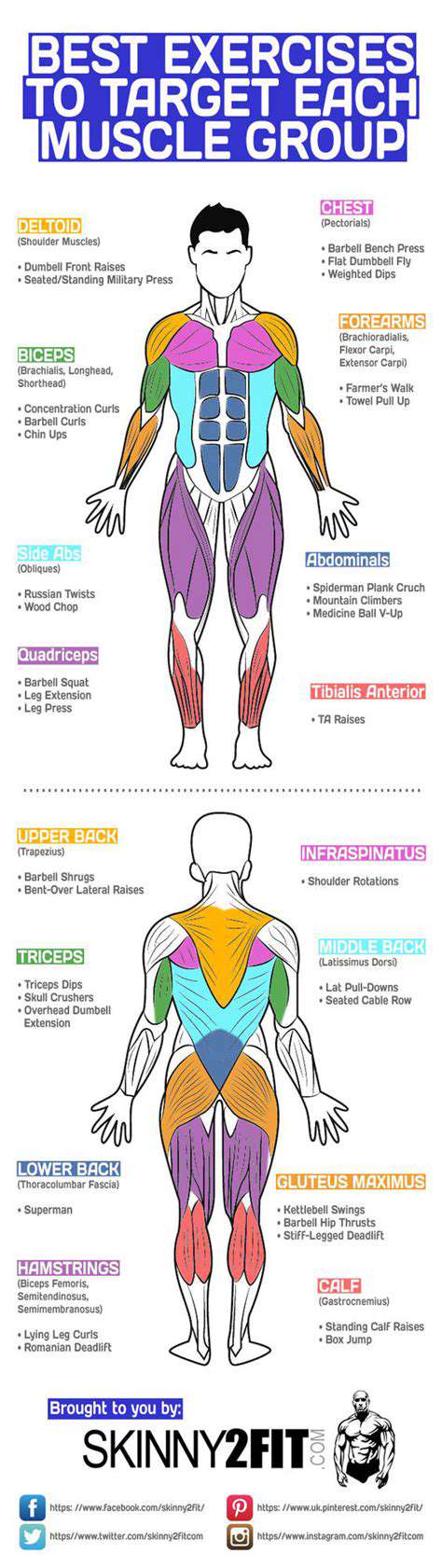
Hip flexors consist of a group of muscles, primarily the iliopsoas, rectus femoris, and sartorius. These muscles play a crucial role in controlling movement and pelvic stability. Due to their location and function, they can become tight from prolonged sitting or insufficient stretching during physical activity, leading to discomfort in both the hips and lower back.
An overview of the anatomy can help individuals understand how tight hip flexors contribute to lower back tension. When the hip flexors are tight, they can pull the pelvis forward, altering the spine's natural alignment. This misalignment can cause strain on the lower back, often resulting in persistent pain. By focusing on stretches that target these specific muscles, individuals can alleviate such discomfort effectively.
Effective Techniques for Stretching
To achieve Effective stretching results, it's vital to employ a combination of techniques. Static stretching, dynamic stretching, and proprioceptive neuromuscular facilitation (PNF) are all beneficial methods. Static stretching involves holding a stretch for a prolonged period, which can increase flexibility over time. Dynamic stretches, on the other hand, involve controlled movements that can help to warm up muscles before activities, thereby reducing the risk of injuries.
Incorporating PNF techniques, which involve both stretching and contracting the muscle group, can significantly enhance the effectiveness of hip flexor stretches. Studies indicate that PNF can lead to a greater range of motion compared to static stretching alone. To integrate these methods, consider a routine that alternates between static and dynamic stretches, adjusting based on personal comfort and flexibility levels.
Consistency is key when it comes to stretching. Aim to dedicate at least 10-15 minutes per day, focusing on various hip flexor stretches. Regular practice not only aids in muscle recovery but can lead to long-term improvements in mobility and lower back tension relief.
Implementing Stretching into Your Routine
Incorporating hip flexor stretches into your daily routine doesn’t have to be cumbersome. Set reminders to perform these stretches during breaks or dedicate a specific time slot after your usual workout sessions. By making it a habit, you’re more likely to stick with it and see positive changes in your flexibility and comfort.
Using props such as yoga blocks or resistance bands can enhance your stretching experience. These tools can provide additional support and resistance, allowing you to deepen your stretches safely. Integrating mindfulness or breath control during stretches can also enhance the overall effectiveness, promoting relaxation and improved muscle response.
Finally, listening to your body is crucial. If a stretch feels uncomfortable or painful, adjust your technique or consult a professional for guidance. Individual variations in anatomy mean that each person will respond differently to stretches, making it essential to find what works best for you.
Read more about Hip Flexor Stretches to Relieve Lower Back Tension