Hamstrings
Back Health
Muscle Health
Rehabilitation Strategies
Flexibility
Posture
Back Pain
Muscle Strength
Pain Management

The Link Between Tight Hamstrings and Lower Back Pain

the semitendinosus, semimembranosus, and biceps femoris. These muscles play a crucial role in various movements, such as bending the knee and stabilizing the pelvis. When these muscles are tight, they can significantly affect the alignment and function of the pelvis, which is integral to overall spinal health. Studies suggest that Tight Hamstrings may contribute to a greater likelihood of developing lower back issues, as they hinder the normal range of motion.

Various clinical studies support the connection between hamstring tightness and lower back discomfort. For instance, a research published in the *Journal of Rehabilitation Medicine* indicated that individuals with chronic low back pain often display a reduced Hamstring Flexibility. This finding emphasizes the importance of incorporating stretching and flexibility exercises into rehabilitation programs to alleviate tension and promote better spinal mechanics.

Preventive Measures and Recommendations

To mitigate the negative impact of tight hamstrings on lower back health, incorporating a routine of flexibility training is essential. Recommended exercises include dynamic stretches such as leg swings and static stretches such as the seated hamstring stretch. For effective results, it is advised to hold each stretch for at least 30 seconds and ensure that they are performed regularly. Engaging in practices like yoga or Pilates can further enhance muscle flexibility and improve overall core stability, which is vital for spinal health.

In addition to targeted stretches, strengthening the core muscles can play a crucial role in preventing Lower Back Pain related to tight hamstrings. Strengthening exercises such as planks, bridges, and bird-dogs not only help support the spine but also improve muscle coordination and posture. Consulting with a physiotherapist or a qualified trainer can provide tailored recommendations based on individual needs and levels of activity.

The Physiological Mechanisms Behind Hamstring Tightness and Back Pain

Understanding Hamstring Anatomy and Function

The hamstrings are a group of three muscles located at the back of the thigh. They consist of the biceps femoris, the semitendinosus, and the semimembranosus. Each muscle plays a crucial role in knee flexion and hip extension, allowing for activities such as walking, running, and jumping. When these muscles become tight, they can significantly impair movement efficiency.

By maintaining flexibility in the hamstrings, individuals can enhance their performance in various physical activities. Conversely, tightness can lead to compensatory movement patterns, which may cause strain on other parts of the body, particularly the lower back. Thus, understanding the anatomy of the hamstrings provides insight into their functional importance.

Mechanisms Behind Muscle Tightness

Muscle tightness can occur due to several reasons, including prolonged sitting, overuse during physical activity, or inadequate stretching. In a sedentary lifestyle, the hamstrings are persistently in a shortened position, leading to a decrease in elasticity over time. Studies have shown that a significant percentage of office workers experience decreased flexibility due to extended periods of inactivity.

Moreover, repetitive stress from activities such as running or cycling can cause micro-tears in the muscle fibers, leading to tightness. This response is often coupled with inflammation, which exacerbates the sensation of tightness and discomfort. Addressing these underlying factors is essential for restoring muscle balance.

The Role of Muscle Imbalance

Muscle imbalances occur when opposing muscle groups are not equally strong or flexible, with tight hamstrings often associated with weak hip flexors and abdominals. This imbalance can compromise posture and movement patterns, increasing the risk of lower back pain. Research suggests that tightness in the hamstrings can lead to anterior pelvic tilt, which can contribute to excessive lumbar lordosis.

Incorporating Strengthening Exercises for the hip flexors and core can help correct these imbalances and reduce the risk of injury. For instance, exercises like pelvic tilts and bridges are effective in strengthening these areas while simultaneously addressing hamstring tightness. It’s a delicate balance that requires attention to detail in a personalized rehabilitation program.

Impact on Lower Back Pain

There is a well-established connection between Hamstring Tightness and lower back pain. When the hamstrings are tight, they can pull on the pelvis and alter spinal alignment, ultimately placing stress on the lumbar spine. A study in the Journal of Physical Therapy Science found that individuals with chronic low back pain often presented with tighter hamstrings than those without pain.

Addressing hamstring tightness through targeted stretching can help alleviate this discomfort. Stretching not only enhances flexibility but can also aid in restoring proper posture. Focusing on techniques such as dynamic stretching before activity and static stretching after can yield significant benefits for spinal health.

Assessment Techniques for Hamstring Tightness

Accurate assessment of hamstring tightness is crucial for developing an effective treatment strategy. Common assessment techniques include the sit-and-reach test and the straight leg raise. These tests help determine the range of motion and flexibility of the hamstrings, providing essential data to guide rehabilitation efforts.

Physical therapists often utilize these assessments to measure progress and adjust treatment plans. Different individuals may demonstrate varying levels of tightness, and personalized assessments ensure that each patient receives tailored interventions based on their specific needs and goals.

Rehabilitation Strategies and Treatment Options

Effective rehabilitation for hamstring tightness typically involves a combination of stretching, strengthening, and manual therapy techniques. Dynamic stretching can be beneficial as a warm-up, while static stretching is useful post-activity for recovery. Research supports the efficacy of foam rolling and myofascial release as adjunct treatments that can promote relaxation of tight muscles.

Strengthening exercises for the hamstrings, such as deadlifts and hamstring curls, can enhance muscle resilience and prevent future tightness. Incorporating cross-training or low-impact exercises can also help maintain cardiovascular fitness while minimizing strain on the hamstrings. A comprehensive approach ensures a more robust recovery.

Research and Future Directions

Ongoing research continues to explore the intricate relationship between hamstring tightness and lower back pain. Recent studies have examined the effectiveness of various intervention strategies, from stretching protocols to strengthening exercises. Due to the complexity of muscle dynamics, future research will likely focus on individualized approaches, integrating biofeedback technology for personalized assessments.

Moreover, understanding how factors like age, gender, and physical activity influence muscle tightness may lead to the development of more effective preventive strategies. As awareness grows around this topic, healthcare professionals are urged to remain updated on emerging evidence to provide the best care for patients experiencing discomfort linked to hamstring tightness.

Identifying Symptoms and Risk Factors

IdentifyingSymptomsandRiskFactors

Common Symptoms of Tight Hamstrings

Individuals with tight hamstrings often report a range of symptoms that can significantly impact their daily life. Some of the most prevalent symptoms include a feeling of tension or tightness in the back of the thighs, which can restrict mobility. This tightness can cause discomfort while bending over or sitting for extended periods, leading to a reduced range of motion.

Moreover, tight hamstrings can contribute to lower back issues, creating a cycle of pain that can be challenging to break. As muscle stiffness increases, it may not only affect flexibility but also lead to compensatory movements that strain other parts of the body, particularly the lower back. Recognizing these symptoms early can facilitate timely interventions, preventing further complications.

How Tight Hamstrings Affect Posture

Poor posture is a common result of tight hamstrings, particularly in individuals who spend a lot of time sitting. When hamstrings are tight, they can pull on the pelvis, causing it to tilt backward and exaggerating the natural curvature of the spine. This altered posture can lead to a cascade of issues, including increased tension in the lower back and hips, which may further exacerbate discomfort. Maintaining proper posture is essential for overall musculoskeletal health.

Regular stretches targeted at the hamstrings can help alleviate some of these postural issues. Engaging in exercises like forward bends or seated stretches can, over time, improve both muscle flexibility and spinal alignment.

Risk Factors for Developing Tight Hamstrings

  • A sedentary lifestyle
  • Age-related muscle stiffness
  • Improper warm-up before exercise
  • Occupational factors, such as prolonged sitting
  • Genetic predisposition

Understanding the various risk factors associated with tight hamstrings is crucial for prevention. A sedentary lifestyle is one of the most significant contributors; without regular activity, muscles tend to become stiff. Additionally, as individuals age, natural muscle elasticity decreases, making it essential to adapt flexibility training accordingly.

Warming up properly before engaging in physical activity also plays a vital role in preventing hamstring tightness. Incorporating dynamic stretches and range-of-motion exercises into your routine can significantly reduce the risk of strain and tightness. Regularly assessing one's movement habits can aid in identifying personalized strategies for maintaining flexibility.

Identifying Lower Back Pain Linked to Hamstring Issues

It can often be tricky to pinpoint the exact cause of lower back pain, as multiple factors may contribute to discomfort. However, for individuals with tight hamstrings, the connection to lower back pain can be quite clear. As the hamstrings pull on the pelvis and spine, they can create torque that exacerbates existing back problems.

A healthcare professional may recommend specific assessments to evaluate the relationship between hamstring tightness and back pain. Techniques such as physical examinations or mobility tests can help clarify the underlying issues, leading to an effective treatment plan.

Preventive Measures for Maintaining Hamstring Flexibility

Maintaining hamstring flexibility is vital for overall lower back health. Incorporating consistent stretching exercises into your daily routine can prevent tightness and improve mobility. Focus on static and dynamic stretches tailored to the hamstrings—these can be simple yet effective. Techniques such as yoga or Pilates can also provide structured approaches to enhancing flexibility.

Additionally, individuals should pay attention to their body mechanics during activities. Using correct lifting techniques and modifying prolonged sitting patterns can contribute to better hamstring and lower back health. Creating an ergonomic workspace and integrating regular movement breaks can greatly support flexibility and reduce tension.

Effective Stretching and Strengthening Strategies

EffectiveStretchingandStrengtheningStrategies

Understanding the Anatomy of the Hamstrings

The hamstrings comprise three muscles located at the back of the thigh: the biceps femoris, semitendinosus, and semimembranosus. These muscles play a crucial role in various movements, including walking, running, and bending the knee.

Each of these muscles connects to the pelvis and crosses both the hip and knee joints, illustrating their importance in mobility and stability. Over time, poor flexibility can lead to increased tension in the hamstrings, impacting the lower back.

The Connection Between Tight Hamstrings and Back Pain

Tight hamstrings can contribute to lower back pain by altering the body's posture during daily activities. When the hamstrings are inflexible, they can pull on the pelvis and create an anterior or posterior tilt, which affects spinal alignment.

Research indicates that individuals with lower back pain often exhibit tighter hamstrings compared to those without pain. This link suggests that enhancing hamstring flexibility may alleviate discomfort in the lower back area.

Stretching Techniques for Hamstrings

  • Static stretching
  • Dynamic stretching
  • PNF (Proprioceptive Neuromuscular Facilitation) stretching

Static stretching, often performed while standing or sitting, helps to gradually lengthen the muscle fibers. A common static stretch involves sitting on the floor, extending the legs, and reaching for the toes. This encourages better flexibility over time.

Dynamic stretching, on the other hand, involves controlled movements that help warm up the muscles before physical activities. Incorporating movements like leg swings can be beneficial as part of a comprehensive warm-up routine.

Strengthening the Hamstring Muscles

To combat tight hamstrings, it’s essential to not just stretch but also strengthen the muscles. Exercises such as deadlifts or hamstring curls can effectively enhance muscle strength, contributing to overall lower body stability.

A study published in the Journal of Rehabilitation Research & Development highlights that strengthening exercises can lead to improved outcomes in lower back pain among individuals with tight hamstring muscles. Integrating these exercises into a routine may have long-term benefits.

Incorporating Stretching and Strengthening into Daily Routine

Incorporating these exercises into your daily routine doesn't have to be time-consuming. Simply dedicating 10-15 minutes daily to stretching and strengthening can yield significant results over time.

Consistency is key when it comes to flexibility and strength. Moreover, setting reminders or scheduling workouts like any other appointment may help ensure adherence to these practices.

Identifying Pain vs. Tightness

Recognizing the difference between muscle tightness and pain is essential in addressing lower back issues. Tightness may feel like a dull ache or stiffness, while pain can often be sharper or more debilitating.

When experiencing tightness, it's important to introduce gradual stretching. However, if pain persists despite these efforts, consulting a healthcare professional may provide insights into underlying conditions that require different approaches.

Seeking Professional Guidance

If you're uncertain about your stretching or strengthening techniques, seeking guidance from a physical therapist can be incredibly beneficial. They can assess your specific needs and design a tailored program that addresses your concerns.

Moreover, understanding your individual anatomy and how it relates to your back pain can help tailor prevention strategies. Professional guidance ensures that you exercise safely and effectively, minimizing the risk of further injury.

When to Seek Professional Help

Recognizing the Signs of Hamstring Tightness

Tight hamstrings can manifest as discomfort or pain in the back of your thighs, and often this sensation is accompanied by stiffness. If you find that bending over or performing basic movements causes noticeable hamstring strain, it could be time to evaluate your muscle condition. Regular tightness may not only prevent you from fully engaging in daily activities but could also lead to compensatory patterns that worsen lower back stress.

Research indicates a significant correlation between hamstring tightness and lower back pain. A study published in the Journal of Physical Therapy Science found that individuals with tight hamstring muscles exhibited higher levels of discomfort in their lumbar region. This connection underlines the importance of addressing hamstring flexibility as part of a comprehensive approach to avoid further complications.

Assessing Pain Severity and Location

Understanding the intensity and the specific location of your pain is crucial. If you're experiencing lower back pain alongside hamstring tightness, you should assess whether the pain radiates down to your legs or is localized primarily in the back. Notably, if your pain is sharp and restricts your mobility, this can be a sign of a more serious issue that warrants professional assessment. Self-evaluation tools or physical therapy can help in tracking these pain levels over time.

In some cases, lower back pain may be accompanied by numbness or tingling sensations in the legs. This type of symptom could indicate nerve involvement, such as sciatica, which could be triggered by tight hamstrings. Consulting a specialist can provide clarity and ensure accurate diagnosis.

Impact of Lifestyle Factors

Your day-to-day habits—such as prolonged sitting, lack of exercise, or inadequate warm-up routines—can contribute significantly to hamstring tightness and, consequently, lower back pain. Maintaining a predominantly sedentary lifestyle can lead to muscle imbalances, particularly in the posterior chain. Engaging in regular physical activity and targeted stretching can help mitigate these issues before they escalate.

When to Consult a Healthcare Provider

If you experience persistent or worsening hamstring tightness coupled with lower back pain, it is advisable to seek professional help. Symptoms that linger for more than a couple of weeks should not be ignored. Additionally, if movements such as turning, bending, or even walking become increasingly painful, professional evaluation is critical in ruling out serious underlying conditions.

Importance of Professional Assessment Techniques

Professional evaluations typically include a thorough physical examination, which may involve flexibility tests, range-of-motion assessments, and strength evaluations. These techniques help healthcare providers pinpoint specific muscular or structural issues. Furthermore, imaging techniques like MRI or x-rays may be performed if a more in-depth examination of soft tissues or nerves is warranted. Having this level of assessment can lead to a tailored treatment plan that addresses not just symptoms, but root causes.

Exploring Treatment Options

Treatment modalities can vary widely depending on the findings of a professional assessment. Options may include physical therapy focusing on stretching and strengthening exercises, chiropractic care, or even specific massage therapy techniques aimed at relieving tension in both the hamstrings and lower back. Understanding these strategies empowers patients, giving them a proactive role in their own recovery.

Ultimately, addressing tight hamstrings is essential in alleviating lower back pain and improving overall mobility. Following a professional's advice, incorporating preventive exercises, and being mindful of body mechanics can lead to sustained improvements and a better quality of life.

Read more about The Link Between Tight Hamstrings and Lower Back Pain
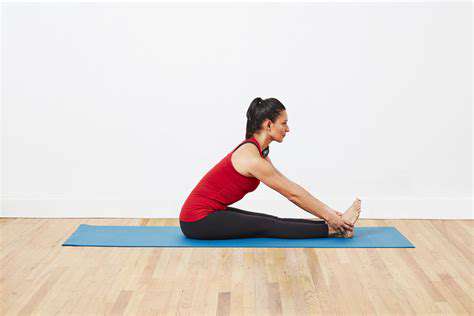
Child’s Pose, Cat-Cow Stretch, Seated Forward Bend, Hamstring Stretch, and Piriformis Stretch. 1. Child’s Pose: A Restorative StretchChild's Pose (Balasana) is a gentle yet powerful yoga position that can alleviate lower back discomfort. By stretching the spine and promoting relaxation, this pose encourages better blood circulation and engagement of the parasympathetic nervous system, reducing stress and anxiety. Proper technique involves kneeling with toes together and bending forward, allowing deep and slow breaths to enhance the stretch. Avoid common mistakes such as arching your back and forcing the position; instead, use props for support. 2. Cat-Cow Stretch: Enhancing FlexibilityThe Cat-Cow stretch is beneficial for enhancing spinal flexibility and mobility. This dynamic stretch involves transitioning between spinal flexion (Cat pose) and extension (Cow pose) to promote healthy spine alignment and alleviate discomfort. Regular practice of this sequence can counteract the negative effects of prolonged sitting and improve core stability. Focus on synchronizing your breath with your movements to maximize relaxation and effectiveness. 3. Seated Forward Bend: A Deep StretchEngaging the spine and hamstrings, the Seated Forward Bend is a fantastic way to improve flexibility and posture while alleviating lower back pain. While seated, extend your legs and hinge forward at the hips to reach towards your toes. Holding this pose for 30 seconds to a minute can significantly help in releasing tension. For those with existing back issues, modifications such as bending the knees are recommended for a safer experience. 4. Hamstring Stretch: Targeting Key MusclesTight hamstrings can contribute to lower back pain by affecting pelvic alignment. To combat this, incorporate hamstring stretches into your regimen—both seated and standing variations are effective. Aim to stretch at least three to four times a week to enhance flexibility and promote recovery. Engaging in proper hamstring stretching can lead to noticeable pain relief and improved mobility, making it an essential component of your back health plan. 5. Piriformis Stretch: Releasing Hip TensionThe piriformis muscle plays a crucial role in hip rotation and stability. Tightness in this muscle can lead to lower back pain and sciatic discomfort. Incorporating specific piriformis stretches into your routine can alleviate this tension and promote hip health. Whether seated or lying down, ensure gentle tension while holding each stretch for at least 30 seconds. Frequent practice, combined with strength training exercises, can lead to comprehensive benefits for lower back relief. ConclusionIn summary, integrating these five stretches into your daily routine can significantly improve lower back health, flexibility, and overall well-being. Remember, consistency is vital, and always listen to your body to avoid injury. Whether you're working at a desk or engaging in physical activity, taking a few moments for these stretching exercises can alleviate discomfort and promote a healthier spine.
Apr 20, 2025
Best Yoga Poses for Stress Relief and Relaxation
May 09, 2025
Yoga Poses for Flexibility and Strength You Need
Jun 10, 2025
How to Perfect Your Squat Form for Maximum Results
Jun 25, 2025
How to Increase Your Flexibility Safely and Effectively
Jul 16, 2025
Understanding and Solutions Understanding Poor PosturePoor posture is a common issue that affects many, particularly those in sedentary jobs. Prolonged sitting or standing incorrectly can lead to significant discomfort and chronic lower back pain. Research shows that slouched shoulders and hunched backs place undue stress on spinal structures, reducing lung capacity and straining muscles. It is crucial to be aware of the posture as it not only enhances aesthetic appeal but also boosts overall health and productivity. Importance of ErgonomicsErgonomics plays a vital role in designing workspaces that cater to individual needs. By adjusting furniture and tools to fit how you work, you can significantly reduce the risk of developing lower back pain. For instance, using an ergonomic chair that supports the lumbar curve can make a substantial difference in comfort and efficiency. Moreover, proper monitor placement can alleviate neck strain and promote better posture. Practical Solutions to Improve PostureIncorporating specific solutions like regular stretching, strength training, and visual reminders can improve posture. Standing desks or balance ball chairs can create a more active work environment and foster better spinal alignment. Active Lifestyle and Lower Back PainRegular exercise is fundamental for maintaining optimal health and reducing the risk of lower back pain. The World Health Organization advises adults to engage in at least 150 minutes of moderate-intensity exercise weekly. Activities that strengthen core muscles can lessen strain on the lumbar region, making movement an essential component of back health. Injuries Leading to Lower Back PainCommon injuries leading to lower back pain include muscle strains, ligament sprains, and herniated discs. Understanding these injuries and how they occur can help in preventing them. Safe lifting techniques and maintaining proper body mechanics can significantly reduce injury risk. Weight Management IssuesExcess weight is a contributing factor to chronic lower back pain, exerting pressure on the lower back and altering the body's biomechanics. A balanced diet paired with regular physical activity can help in managing weight and alleviating stress on the spine. Consulting professionals to craft a personalized plan might be necessary for those struggling with pain and weight management. Stress and Emotional FactorsStress has a direct impact on back pain. Muscle tension from stress can exacerbate discomfort, creating a vicious cycle. Addressing emotional factors and incorporating stress management strategies, like mindfulness or therapy, can improve both mental health and physical well-being. Long-Term Strategies for PreventionLong-term management of lower back pain involves a multifaceted approach that includes maintaining an active lifestyle, ergonomic awareness, and emotional health. It is essential to understand the interplay between physical strain and psychological factors, leading to effective prevention and management strategies.By prioritizing posture, ergonomics, and a healthy lifestyle, you can significantly reduce the risk of lower back pain and improve your overall quality of life.
Feb 26, 2026
- Improved Athletic Performance: Flexible hamstrings allow athletes to maximize their range of motion, leading to better speed, agility, and strength.- Reduced Lower Back Pain: Regular hamstring stretching can alleviate the discomfort associated with tight muscles and promote spinal health.- Better Posture and Alignment: Stretching supports the pelvic alignment, reducing the risk of muscle imbalance and poor posture.- Facilitated Recovery: A flexible hamstring structure aids in rehabilitation processes, allowing for safer recovery from injuries.---Start your journey towards better health by focusing on increasing your hamstring flexibility today. Remember, incorporating these stretches into your routine is not just about flexibility; it’s about achieving overall health, reducing pain, and enhancing athletic performance.
Feb 27, 2026
Understanding High-Impact Activities and Their Effect on Lower Back HealthHigh-impact activities often amplify lower back pain, making it essential for individuals, especially those with existing conditions, to understand the potential risks. Engaging in dynamic sports like running, basketball, or heavy weightlifting can strain your back significantly. What are High-Impact Activities?High-impact exercises typically involve rapid movements that place stress on the body, particularly the lumbar region. While many individuals can safely participate in these activities, caution is warranted for those suffering from lower back pain. Injuries and exacerbation of existing conditions are common outcomes, necessitating moderation and professional guidance. Exercises to AvoidCertain high-impact exercises are more problematic for individuals with lower back pain. Activities such as running on hard surfaces or high-intensity aerobics can lead to painful outcomes. Sports involving sudden twisting or bending motions, like football or basketball, can exacerbate existing back issues. Safer AlternativesFor those with lower back pain, low-impact exercises serve as viable alternatives. Swimming, walking, and stationary biking enhance cardiovascular health without undue stress on the back. Modifying traditional exercises—like using resistance bands—can also prove beneficial, maintaining an active lifestyle while reducing the risk of injury. Importance of Professional GuidanceBefore making changes to your exercise routine, consulting a healthcare professional is vital. Physical therapists can tailor a program to your specific condition, ensuring that you engage in activities that enhance your well-being without risking injury. A personalized approach significantly impacts recovery and overall health. Adding Strengthening ExercisesIncorporating core-strengthening exercises, which promote spinal stability, is crucial for reducing lower back pain. Movements like planks and pelvic tilts strengthen the essential muscle groups that support the back. Regular practice, under professional supervision, can greatly alleviate pain episodes. Listening to Your BodyPaying attention to your body's signals during exercise is crucial. If a movement elicits pain, stop immediately and consult a professional. Maintaining an open dialogue with your healthcare provider about your symptoms can lead to better pain management strategies. The Impact of Heavy WeightliftingWhile heavy weightlifting is popular, it can also present risks to lower back health. The importance of maintaining proper form cannot be overstated. Incorporating proper lifting techniques and allowing recovery time between sessions can mitigate injury risk significantly. Navigating High-Intensity Interval Training (HIIT)HIIT workouts can further exacerbate back pain due to their explosive nature. Those suffering from lower back issues should consider low-impact alternatives that maintain fitness without overloading the back. Flexibility and recovery play essential roles in preventing injury during these high-intensity sessions. Managing Twisting Motions in SportsSports with frequent twisting motions—like tennis and golf—can put additional stress on the lower back. Athletes should prioritize core conditioning to stabilize the spine during such movements, mitigating the risk of injury. ConclusionHigh-impact activities can be beneficial, but individuals with lower back pain must exercise caution. Engaging in safe alternatives, emphasizing proper techniques, and collaborating with health professionals are fundamental for maintaining an active lifestyle while protecting spinal health. Listen to your body to ensure you’re moving towards recovery and achieving your fitness goals without risking back injuries.
Feb 28, 2026
What Causes Bulging Discs? Understanding the Impact on Spinal HealthBulging discs are a common issue that can arise from various factors, significantly impacting life quality. Understanding what causes bulging discs can help you take proactive steps towards spine health. Anatomy of the SpineThe spine consists of vertebrae, intervertebral discs, and supportive structures. Intervertebral discs cushion vertebrae, and when they bulge due to a weakened outer layer, they can compress nearby nerves, leading to pain and dysfunction. Age-related degeneration plays a crucial role in this process, with studies indicating that older adults are more susceptible due to reduced water content in discs. Risk Factors and Lifestyle InfluencesSeveral elements increase the risk of developing bulging discs, including age, genetics, and job-related hazards. Occupations requiring heavy lifting or repetitive motions may lead to spinal wear and tear. Lifestyle choices also matter; smoking and inactivity hinder blood flow and weaken core muscles, both essential for supporting the spine. Regular exercise, especially strength training and flexibility routines, can significantly enhance spinal health, reducing the likelihood of bulging discs. Recognizing the SymptomsSymptoms of a bulging disc include localized pain in the back or neck, which may radiate to limbs. Most commonly, lumbar disc issues can trigger sciatica, causing pain down one leg. Symptoms can be acute or chronic, with acute cases arising suddenly after injury, while chronic symptoms develop gradually and require long-term management approaches.Nerve compression from a bulging disc can lead to tingling, numbness, or weakness, further complicating daily activities and diminishing life quality. Natural Management Techniques Physical TherapyPhysical therapy is a cornerstone of managing bulging discs. Tailored treatment plans focus on strengthening core muscles and improving flexibility, which can lead to increased mobility and reduced pain. Chiropractic CareChiropractic care offers an effective approach through spinal manipulations that realign vertebrae and relieve nerve pressure. This holistic treatment can enhance recovery speed and overall spinal health. Nutrition and Alternative TherapiesA balanced diet rich in anti-inflammatory foods supports spinal health. Hydration is critical for disc function, and incorporating practices like yoga and acupuncture can provide additional benefits by improving flexibility and promoting emotional well-being. ConclusionUnderstanding the causes and symptoms of bulging discs enables individuals to take charge of their health proactively. Engaging with healthcare professionals for proper diagnosis, combined with physical therapy, chiropractic care, and lifestyle modifications, can significantly improve recovery outcomes. If you or someone you know is experiencing symptoms, it’s essential to seek guidance and consider a multifaceted approach to management.
Mar 01, 2026
ALA, EPA, and DHA. While ALA primarily exists in plant sources like flaxseeds, EPA and DHA are found in fatty fish such as salmon and mackerel. Research consistently underscores their importance in maintaining heart health, reducing inflammation, and supporting cognitive function. Regular consumption of omega-3s correlates with a decreased risk of cardiovascular diseases, according to a study published in the Journal of the American College of Cardiology. Anti-Inflammatory EffectsOmega-3s are known for their anti-inflammatory properties. By reducing inflammatory markers in the body, they can alleviate symptoms of chronic conditions such as arthritis. Incorporating omega-3s into your diet through fatty fish or plant-based sources can significantly improve joint health and mobility, making them beneficial for conditions like osteoarthritis. Dietary Sources of Omega-3sIncorporating omega-3 fatty acids into your meals is simple. Aim for two servings of fatty fish weekly, and for vegetarians, consider sources like chia seeds and walnuts. Algal oil is also an excellent alternative for those avoiding animal products. Fortified foods, such as certain dairy products and eggs, offer additional options for increasing your omega-3 intake. Fruits, Vegetables, and Pain ReliefFruits and vegetables provide an arsenal of nutrients essential for combating inflammation. Berries, leafy greens, and citrus fruits are particularly effective. Blueberries, for example, are packed with antioxidants, while leafy greens like spinach and kale offer anti-inflammatory benefits due to their high vitamin K content. Incorporating these foods into your diet can help reduce chronic pain and improve overall health. Antioxidant-Rich FoodsCherries and avocados also have significant anti-inflammatory effects. Cherries can aid in reducing pain related to conditions like arthritis, while avocados are rich in healthy fats and fight inflammatory responses. Spices and Whole Grains: Hidden GemsDon’t overlook spices! Curcumin from turmeric and ginger can significantly reduce inflammation. Studies have shown that turmeric can be as effective as certain medications for chronic pain without the side effects. Whole grains, like quinoa and brown rice, further support health by lowering inflammation and providing necessary nutrients. Meal Planning for Anti-Inflammatory BenefitsWhen planning meals, incorporate a variety of anti-inflammatory ingredients. Start with a whole grain base, add a serving of lean protein, and top it off with colorful veggies. Cooking in bulk can simplify meal prep and make it easy to stick to an anti-inflammatory eating plan. Consistency & CommunityStaying committed to an anti-inflammatory diet can be rewarding but requires effort. Set realistic goals, and keep a food journal to track your progress. Join communities that share recipes and success stories to keep you motivated along your journey toward better health.In summary, adopting omega-3 fatty acids and anti-inflammatory foods can transform your health. Embrace a diverse diet rich in these powerful nutrients, and you’ll be on your way to a healthier, pain-free life.
Mar 01, 2026
Key Strategies for SuccessAre you feeling stuck in your running routine? Whether you aim to improve your speed, build strength, or recover better, our guide offers essential strategies to help elevate your performance and break through training plateaus. 1. Reassess Your Training PlanStart by evaluating your current training regimen. Are you balancing speed work with long runs? Implement varied techniques like tempo runs and intervals weekly to stimulate improvements. Don’t forget to keep a training log to track your progress and recognize patterns. Recovery ProtocolsRecovery is key to enhancing your performance. Implement active recovery practices such as light jogging or yoga, ensure you have rest days, and focus on proper hydration and nutrition. Adequate recovery allows your body to repair and strengthens your resilience. 2. Focus on Strength TrainingIntegrating strength training into your running regimen can lead to significant improvements. Focus on major muscle groups that aid running, such as legs and core. Plan workouts 2-3 times a week to build power and durability, helping you run faster while minimizing injury risks. 3. Prioritize Recovery and NutritionRecovery cannot be overlooked. It's essential for muscle rebuilding and performance enhancement. Make sure to consume the right balance of protein, carbohydrates, and hydration post-workout. Active recovery techniques can further accelerate your recuperation. 4. Set Specific Goals and Track ProgressSetting SMART (Specific, Measurable, Achievable, Relevant, Time-bound) goals is crucial. Instead of vague aspirations, define clear targets that keep you accountable. Regularly reassess your goals, and use training logs to track your performance and make informed adjustments. 5. Engage with the Running CommunityJoining a running community, whether local or online, can boost your motivation and offer invaluable insights. Participate in group runs, workshops, and volunteer at races to deepen your connection to the sport while surrounding yourself with like-minded individuals. ConclusionImplementing these strategies can propel your running journey forward, helping you achieve both personal and performance goals. Remember, progress is a continuous journey, and engaging in community support can enhance your experience along the way. Ready to take your running to the next level? Explore our comprehensive guide for detailed insights and start breaking through those performance barriers today!
Mar 04, 2026
The Biological Aspects of Chronic Lower Back Pain Understanding Chronic Lower Back Pain Chronic lower back pain (CLBP) is a multifaceted condition that affects millions of people worldwide. Understanding the biological aspects is crucial for effective management and treatment. This article delves into the anatomy of the spine, the neurological contributions to pain perception, the role of musculoskeletal health, the impact of inflammation, and the significant psychological factors involved in chronic pain. Anatomy of the SpineThe spine consists of 33 vertebrae, intervertebral discs, muscles, and ligaments that work synchronously to enable flexibility and movement. Disruptions in any of these components, such as herniated discs or degenerative conditions, can lead to persistent pain. Healthy intervertebral discs play a vital role in absorbing shock and preventing spinal misalignment. Neurological Contributions Pain perception involves intricate neurological processes between the spinal cord and brain. Neurotransmitters like substance P and glutamate can intensify sensations of pain, highlighting why individuals may experience the same injury differently. Chronic pain can even alter brain structures, indicating that CLBP encompasses both physical and psychological dimensions. Musculoskeletal HealthMuscle strength and flexibility greatly influence spinal health. Weak or tight muscles can lead to injuries and chronic pain. Engaging in regular physical activity helps strengthen core and back muscles, reducing the risk of chronic lower back pain through improved muscular balance. Inflammation's Role Chronic inflammation, arising from conditions such as disc disease or arthritis, significantly contributes to ongoing pain. Elevated inflammatory markers like C-reactive protein (CRP) are often present in patients with chronic pain. Strategies to address inflammation, including medications and physical therapy, can alleviate symptoms and enhance quality of life. Psychological Influences Mental health factors like stress, anxiety, and depression play a crucial role in the experience of chronic lower back pain. These psychological components can exacerbate pain sensations and create a cycle of increased distress. Addressing these aspects through cognitive behavioral therapy (CBT) can significantly improve pain management outcomes. Social Influences Social support, socioeconomic status, and cultural perceptions of pain significantly affect how individuals cope with chronic pain. Family dynamics and social interactions can either buffer or exacerbate pain experiences. For instance, supportive relationships often lead to lower reported pain levels. Integrating the Biopsychosocial Model The biopsychosocial model offers a holistic approach to treating chronic lower back pain by incorporating biological, psychological, and social factors. Understanding how these elements interact can enhance treatment efficacy. Effective pain management strategies may combine pharmacological treatments, psychological support, and community involvement. Future Directions Research continues to explore innovative treatments for chronic lower back pain, including telemedicine and novel pain management techniques like virtual reality therapy. Ongoing investigations into the biopsychosocial model may lead to successful interventions that can revolutionize how we approach CLBP.In conclusion, chronic lower back pain is a complex condition influenced by various biological, psychological, and social factors. A comprehensive understanding informed by the biopsychosocial model is essential for effective management and improved patient outcomes.
Mar 04, 2026
View Publications>>

Hot Recommendations