Understanding Bulging Discs and Natural Management
List of Contents
- Bulging discs occur when the disc's outer layer weakens.
- Age and lifestyle factors affect disc health.
- Common symptoms include pain, numbness, and weakness in limbs.
- Acute symptoms arise suddenly, chronic symptoms develop gradually.
- Bulging discs can impact daily activities significantly.
- Chronic pain may lead to anxiety or depression in patients.
- Immediate medical evaluation needed for severe symptoms.
- Consulting healthcare professionals aids in diagnosis and management.
- Physical therapy helps strengthen and manage bulging discs.
- Chiropractic care relieves pain through spinal manipulation.
- A balanced diet supports disc health and tissue repair.
- Engaging in alternative therapies can enhance recovery.
- Maintaining posture and regular exercise benefits spinal health.
- Long-term exercise helps prevent disc re-injury risks.
- Holistic approaches stress the connection between body systems.
What Causes Bulging Discs?
Understanding the Anatomy of the Spine
The spine is a complex structure consisting of vertebrae, intervertebral discs, and supporting muscles and ligaments. Each intervertebral disc serves as a cushion between the vertebrae, preventing them from grinding against each other. When a disc becomes bulged, it typically occurs when the outer layer, known as the annulus fibrosus, weakens, allowing the inner material (nucleus pulposus) to protrude. This bulging can lead to pain, numbness, or weakness if it presses on nearby nerves.
Recently, a study in the Journal of Orthopedic Research highlighted the correlation between age-related degeneration and the increased incidence of Bulging Discs in older adults. It noted that the water content of intervertebral discs decreases with age, making them more susceptible to herniation or bulging. Over time, this natural degeneration process, combined with lifestyle factors, can exacerbate the risk of disc issues.
Common Risk Factors and Lifestyle Influences
Several risk factors contribute to the likelihood of developing bulging discs, including age, genetics, and occupational hazards. It's crucial to recognize that individuals in physically demanding jobs or those who frequently lift heavy objects may experience more wear and tear on their spine. In fact, according to the American Physical Therapy Association, occupations that require repetitive motions can significantly increase the risk of developing spine-related issues, including bulging discs.
Moreover, lifestyle choices such as smoking and lack of exercise can accelerate disc deterioration. Smoking reduces blood flow to the spine, hampering the delivery of vital nutrients that support disc health. A sedentary lifestyle, on the other hand, can weaken the core muscles that support the spine, making it more vulnerable to injury. Incorporating regular exercise, especially strength training and flexibility routines, can be beneficial in maintaining Spinal Health and minimizing the risk of disc bulging.
Recognizing the Symptoms
Understanding Pain Patterns
One of the primary symptoms of a bulging disc is localized pain in the back or neck, depending on the disc's location. This pain can radiate to other areas, such as the arms or legs, creating discomfort in regions far removed from the root cause. For example, a bulging lumbar disc can lead to sciatica, which presents as painful sensations down one leg.
The intensity and quality of pain can vary widely among individuals. While some may experience a dull ache, others report sharp, stabbing sensations. It’s crucial for patients to articulate their pain clearly to healthcare professionals, as this can aid significantly in diagnosis and the formulation of effective management strategies.
Nerve Compression Symptoms
When a bulging disc exerts pressure on nearby nerves, patients may experience symptoms such as tingling, numbness, or weakness in the limbs. These sensations often manifest alongside the pain and can serve as critical indicators of nerve involvement. In fact, research has shown that up to 90% of patients with lumbar disc herniations report radicular pain, associated with nerve root irritation.
Acute vs. Chronic Symptoms
The symptoms of a bulging disc can be classified as either acute or chronic. Acute symptoms typically arise suddenly, often following an injury or heavy lifting, and can be quite severe. Conversely, chronic symptoms may develop gradually and persist over time, potentially leading to ongoing discomfort and functional impairment.
Understanding this distinction is vital when seeking treatment. Acute conditions might respond well to immediate interventions such as physical therapy or anti-inflammatory medications, while chronic cases might require a more comprehensive, long-term management plan that includes lifestyle changes or alternative therapies.
Impact on Daily Activities
A bulging disc can considerably affect a person's ability to engage in everyday tasks. Activities that require bending, lifting, or prolonged sitting can exacerbate symptoms, making it challenging to maintain regular work or recreational routines. Studies have shown that patients often report diminished quality of life due to pain and functional limitations associated with bulging discs.
Psychosocial Factors
The impact of bulging discs extends beyond physical health to encompass psychological and social dimensions. Patients may experience anxiety or depression as a result of chronic pain, which can exacerbate their overall experience and complicate treatment outcomes. It's essential for providers to assess not only the physical but also the emotional aspects of a patient's condition.
Recognizing Red Flags
In some cases, Bulging disc symptoms may signal more severe underlying conditions. Red flags like loss of bladder control, sudden weakness in the legs, or severe localized pain take precedence and necessitate immediate medical evaluation. Recognizing these signs can be life-saving and highlights the importance of educating patients on when to seek urgent care.
Consulting Healthcare Professionals
Consultation with healthcare professionals is crucial for accurate diagnosis and effective management of bulging disc symptoms. Medical imaging, such as MRI or CT scans, may be needed to confirm the diagnosis and evaluate the extent of nerve involvement. Patients should engage in open conversations about their symptoms and ask questions that can help clarify treatment options, ranging from conservative management to surgical interventions.
Natural Management Techniques

Understanding the Role of Physical Therapy
- Physical therapy assists in rehabilitation and pain management.
- Specialized techniques, including strengthening exercises, are essential.
- Edema reduction and flexibility enhancement play vital roles.
Physical therapy is often a cornerstone in the management of bulging discs. Therapists utilize a range of specialized techniques, including manual therapy and specific exercises that target the core muscles. This targeted approach not only helps relieve pain but also strengthens the supportive structures around the spine.
Research has shown that engaging in physical therapy can significantly improve functional outcomes for individuals dealing with bulging discs. Many patients report increased mobility and reduced pain levels after a structured physical therapy program. By enhancing muscle strength and improving flexibility, individuals can better cope with the demands of daily life.
Benefits of Chiropractic Care
Chiropractic Care can be an effective natural management technique for bulging discs. Chiropractors employ spinal manipulation to realign vertebrae and relieve pressure on affected nerves. This adjustment often yields immediate pain relief and improves mobility.
Studies have demonstrated that chiropractic adjustments, when combined with other treatment modalities, can enhance the overall healing process. By addressing spinal alignment, patients frequently experience a reduction in pain and an increase in range of motion. This holistic approach may lead to a more sustainable recovery compared to isolated treatments.
Importance of Proper Nutrition
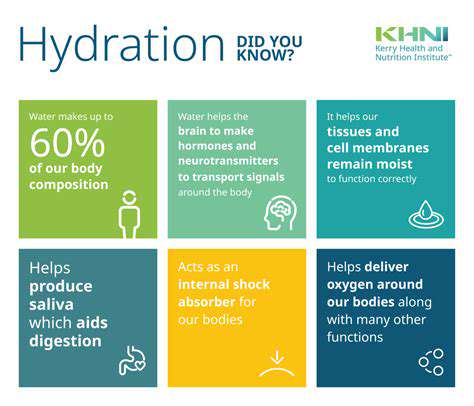
Nutrition plays a pivotal role in managing bulging discs. A well-balanced diet rich in anti-inflammatory foods, such as fruits, vegetables, and omega-3 fatty acids, can contribute significantly to reducing inflammation and pain levels. Proper hydration is also crucial, as it supports disc health by maintaining the elasticity of spinal discs.
Furthermore, certain vitamins and minerals are essential for tissue repair and overall spinal health. For example, Vitamin D and calcium influence bone density and can lead to healthier spinal structures. Incorporating a nutrient-rich diet not only aids in the management of symptoms but can also enhance resilience against future disc-related issues.
Exploring Alternative Therapies
Alternative therapies, including acupuncture and yoga, are often beneficial adjuncts in managing bulging discs. Acupuncture can help alleviate pain and promote healing by stimulating specific points in the body. Patients often report decreased pain and improved function after engaging in regular acupuncture sessions.
Yoga, on the other hand, emphasizes the importance of flexibility and core strength, which are crucial when dealing with spinal issues. Practicing yoga not only aids in pain management but also encourages mindfulness, which can help patients cope with the emotional stress of chronic pain. Integrating these therapies can lead to a more comprehensive natural management plan.
Implementing Lifestyle Modifications
Lifestyle changes are a fundamental aspect of managing bulging discs effectively. Simple modifications, such as maintaining proper posture while sitting or standing, can alleviate unnecessary strain on the spine. Regular low-impact exercises, such as walking or swimming, are encouraged to promote spinal health and avoid exacerbating existing conditions.
Moreover, weight management is vital. Excess weight can place additional stress on the spine, making it more susceptible to injury and pain. Patients should aim for a balanced approach that includes regular physical activity and healthy eating habits. These lifestyle modifications not only contribute to better disc health but foster overall well-being.
Physical Therapy and Exercise

Understanding the Role of Physical Therapy
Physical therapy is crucial for managing conditions like bulging discs. By addressing pain and mobility issues, therapists help patients regain functionality. Studies show that early intervention increases recovery rates significantly. This makes physical therapy an essential first step for individuals recovering from spine-related issues.
Therapists develop personalized treatment plans that often include a variety of exercises. These tailored regimens focus on strengthening core muscles, which are vital for spinal support. A significant aspect is maintaining proper posture, which plays a key role in overall spine health.
Types of Exercises Beneficial for Bulging Discs
Exercises can vary widely based on individual needs, but some common types include stretching, strengthening, and aerobic activities. Stretching exercises may enhance flexibility, which can alleviate pressure on affected areas. Strengthening exercises aim to build the muscles that support the spine.
- Core strengthening exercises help stabilize the spine.
- Aerobic conditioning, such as walking or swimming, promotes general health and aids recovery.
- Specific yoga poses can improve flexibility and posture.
Consultation with a physical therapist can help determine which exercises are safe and effective. It's essential to progress gradually to avoid aggravating the condition.
How Exercise Influences Pain Management
Regular exercise is proven to reduce pain associated with bulging discs. The release of endorphins during physical activity acts as a natural painkiller. Patient adherence to exercise routines often correlates with lower levels of discomfort.
Moreover, exercise increases blood flow to the spine, which facilitates healing by delivering necessary nutrients. Individuals who remain active typically report heightened mood and reduced anxiety levels, which also contribute to a lower perception of pain.
Precautions When Engaging in Physical Activity
Engaging in physical activity while recovering from a bulging disc requires caution. Certain movements, particularly high-impact activities, may exacerbate symptoms. Patients should be aware of body signals that indicate discomfort, and learn to differentiate between beneficial discomfort and pain that signals harm.
It is recommended to avoid heavy lifting or twisting motions that can strain the back. Instead, focus on low-impact activities initially to ensure a smooth recovery process.
Creating a Safe Exercise Plan
Designing a safe exercise plan involves several critical factors. First and foremost, it should be tailored to the individual’s specific condition and capabilities. Regular assessments by a qualified physical therapist can lead to necessary adjustments based on the patient’s progress and feedback.
- Patients should start with low-impact exercises that gradually increase in intensity.
- Incorporate rest days to allow the body to heal.
- Include a warm-up and cool-down phase to minimize injury risk.
This customized approach ensures that individuals can safely benefit from physical activity while recovering from a bulging disc.
Long-term Benefits of Regular Exercise for Spine Health
Engaging in a sustained exercise regimen can lead to long-term benefits for spinal health. Regular activity not only helps manage symptoms but also plays a pivotal role in preventing re-injury. Individuals who maintain core strength and flexibility are generally more resilient against future back problems.
Furthermore, an active lifestyle contributes to overall health, reducing risks associated with obesity, heart disease, and other chronic conditions. Maintaining a healthy weight is essential for minimizing strain on the spine. It is important to view exercise as a lifelong commitment rather than a temporary solution.
Community Resources and Support Networks
Patients recovering from bulging discs may find it beneficial to explore community resources. Local physical therapy clinics often offer group exercise classes tailored for those with back issues. These classes provide the advantage of supervised exercises in a supportive environment.
Additionally, joining a support network can foster motivation and share experiences among individuals with similar challenges. Local meet-ups or online forums can also serve as excellent platforms for guidance and encouragement throughout the recovery journey.
Chiropractic Care
Understanding the Role of Chiropractic Care
Chiropractic care primarily focuses on diagnosing and treating musculoskeletal disorders, particularly those related to the spine. Research indicates that Spinal Manipulation can effectively reduce pain and improve function in patients experiencing back issues, including bulging discs. A systematic review published in 2018 supported the efficacy of chiropractic interventions for chronic low back pain, showing significant benefits for patients.
Chiropractors use various techniques, including spinal adjustments and soft tissue therapies, to alleviate discomfort and promote healing. Properly aligned vertebrae can reduce nerve irritation and enhance mobility, which is crucial for those suffering from bulging discs. Regular chiropractic adjustments may also help prevent further degeneration of the spine and improve overall physical performance.
Chiropractic Techniques for Bulging Discs
Among the various techniques employed by chiropractors, spinal manipulation is perhaps the most recognized. This technique involves applying precise pressure to specific areas of the spine, which may help restore proper alignment. The idea is that when the spine is properly aligned, surrounding muscles and ligaments can relax, alleviating pressure on the discs and nerves. The American Chiropractic Association states that most patients can expect to return to their daily activities much quicker when they receive appropriate chiropractic care.
Another effective method is the use of flexion-distraction technique, which gently stretches the spine while relieving pressure. This approach has been shown to improve disc hydration and promote recovery. According to a study in the Journal of Manipulative and Physiological Therapeutics, patients treated with this method reported reduced pain levels and improved functionality.
Benefits Beyond Pain Relief
While pain relief is a primary benefit of chiropractic care, the advantages extend far beyond that. Patients often report improved range of motion and overall wellness after regular chiropractic sessions. This comprehensive approach can lead to better quality of life, enhanced energy levels, and greater resilience against future injuries. Additionally, chiropractic care emphasizes education on lifestyle modifications and ergonomics, equipping patients with the tools needed to prevent recurrent issues.
Furthermore, chiropractic care can play a vital role in promoting mental wellness. Several patients have indicated a decrease in stress and anxiety levels following regular adjustments. This connection between physical alignment and mental health is an area that warrants more research, but anecdotal evidences suggest that maintaining a healthy spine can positively influence overall well-being.
Patient-Centric Approach in Chiropractic Care
Chiropractors emphasize individualized treatment plans tailored to the unique needs of each patient. Upon an initial consultation, a thorough examination and medical history evaluation help to determine the most effective approach. This patient-centric perspective aligns with best practices to ensure optimal outcomes. According to a survey conducted by the National Center for Complementary and Integrative Health, over 27 million adults in the U.S. seek chiropractic care annually for various musculoskeletal issues.
Integration with Other Therapies
Chiropractic care is often most effective when combined with other treatment modalities, such as physical therapy and acupuncture. This integrative approach addresses multiple dimensions of a patient's condition, potentially accelerating recovery. Studies have shown that combining chiropractic adjustments with physical therapy can yield greater improvements in pain levels and functional ability compared to isolated treatments. For example, a study in the Archives of Physical Medicine and Rehabilitation found that patients receiving both treatments exhibited substantial progress in recovery.
Incorporating a holistic view of healthcare also benefits those with bulging discs. Chiropractors often recommend exercises to strengthen core muscles, which helps support the spinal column. Engaging in physical activity can significantly reduce the likelihood of future episodes related to disc issues, providing long-term benefits for spinal health.
Holistic Approaches
Understanding Holistic Health in Relation to Bulging Discs
Holistic health emphasizes the connection between the body's systems, including physical, emotional, and even spiritual components. When dealing with conditions like bulging discs, acknowledging this interconnectedness can aid in recovery. Instead of focusing solely on pain alleviation through medication, a comprehensive approach examines how emotional well-being, lifestyle choices, and physical activity impact spinal health.
Research suggests that stress can exacerbate physical ailments, including back pain. Engaging in mindfulness practices, such as meditation or yoga, not only addresses stress but also promotes healthier posture and spinal alignment. Integrating these practices into daily life may enhance traditional treatment methods, making the overall strategy for managing bulging discs more effective.
Nutritional Strategies for Spine Health
Nutrition plays a critical role in managing bulging discs. A diet rich in anti-inflammatory foods can help reduce pain and support spinal health. Omega-3 fatty acids, found in fish, walnuts, and flaxseeds, possess anti-inflammatory properties that may alleviate discomfort. Leafy greens, berries, and other antioxidant-rich foods also contribute to reducing inflammation and promoting healing tissues.
Moreover, ensuring adequate hydration is essential. Dehydration can affect the spine's discs, as they rely on sufficient fluid to maintain optimal function and health. Aiming for 8-10 glasses of water daily can support disc hydration and overall spine health. Consistently monitoring dietary choices and hydration levels can empower individuals to take control of their recovery journey.
Exercise and Physical Therapy Methods
Incorporating targeted exercises can significantly affect the management of bulging discs. Physical therapy often utilizes methods such as core stabilization exercises, which strengthen the muscles surrounding the spine, thereby promoting better support and reducing the risk of further injury. Engaging in activities like swimming, which provide low-impact resistance, can also enhance mobility and endurance without stressing the disc.
Furthermore, practices like Pilates or tai chi offer dual benefits by improving flexibility while reinforcing core strength. These methods do not just alleviate symptoms; they also contribute to a longer-term strategy for maintaining spinal health. It's advisable to consult with a physical therapist who specializes in spinal rehabilitation to develop a personalized exercise regimen tailored to one's specific condition and recovery goals.
Read more about Understanding Bulging Discs and Natural Management





![How to Improve Your Pull Up Strength [Beginner to Advanced]](/static/images/26/2025-06/NutritionandRecovery3AEssentialComponents.jpg)
![How to Recover Faster After Workouts [Tips & Techniques]](/static/images/26/2025-07/ListentoYourBody3ARecognizingandAddressingSignsofOvertraining.jpg)



Hot Recommendations
-
*How to Build a Regular Exercise Routine
-
*Guide to Meal Planning for a Healthy Lifestyle
-
*Health Tips for Teens Maintaining Mental Health
-
*Guide to Sustainable Living Practices You Can Start Today
-
*Guide to Incorporating Mindfulness Into Your Day
-
*How to Meal Prep for a Busy Travel Schedule
-
*Guide to Understanding Processed Foods and Their Risks
-
*Best Habits for Environmental Health
-
*How to Build a Consistent Morning Routine
-
*Running Tips for Your First Marathon Training