Exercises to Avoid if You Have Lower Back Pain
Listening to your body throughout any exercise routine is paramount. If a particular movement causes pain, it's essential to stop immediately and consult a professional. There is a fine line between pushing through discomfort and aggravating an injury, and recognizing that line can be vital for recovery.
Moreover, maintaining open communication with your healthcare provider about your symptoms and any changes in your condition is crucial. Keeping a journal of your activities, pain levels, and overall feelings can provide valuable insights for both you and your professional team as you navigate your journey towards better health.
Heavy Weightlifting
Understanding Heavy Weightlifting and Back Pain
Heavy weightlifting can strain the lower back, especially if proper form and techniques are not prioritized. This form of training often involves significant loads that can shift the center of gravity, putting undue stress on spinal structures. Research indicates that overloading your back with weights that exceed your fitness level can exacerbate pre-existing conditions or lead to new injuries.
Joint mechanics play a crucial role in how weight is lifted and distributed throughout the body. The lumbar spine, particularly vulnerable during lifting scenarios, can be adversely affected by poor physical alignment. A study published in the Journal of Orthopaedic & Sports Physical Therapy highlights that improper lifting posture influences spinal loading and increases the risk of injury.
Common Injuries from Heavy Lifting
Injuries related to heavy lifting can vary in severity and type, ranging from muscle strains to herniated disks. One common injury is a lumbar strain, where the muscles and ligaments in the lower back are overstretched or torn, often due to lifting weights incorrectly. Symptoms can lead to persistent pain, discomfort, and limited mobility, making it essential to identify the warning signs early.
Another serious risk is disk herniation, which occurs when the cushioning disks in the spine become damaged and protrude, pressing onto nearby nerves. The acute pain and numbness that follow can significantly impact daily activities. Research has shown that individuals engaged in improper heavy lifting frequently report increased instances of these injuries compared to those who utilize sound lifting techniques.
Proper Techniques to Mitigate Risks
Employing proper lifting techniques can greatly reduce the risk of back injuries while performing heavy weight exercises. Always remember to bend at the knees and keep your back straight when lifting. This posture allows you to engage your legs, which are stronger muscles, rather than relying solely on your back. According to guidance from the American Academy of Orthopaedic Surgeons, maintaining a neutral spine and using your legs to lift can help prevent injury.
Moreover, using a spotter or choosing safety equipment can provide additional security when lifting heavy weights. Equipment such as weight belts can offer lumbar support, but it's important to not rely solely on them. A combination of technique and support systems will yield the best results in minimizing injury and promoting a safe lifting environment.
The Role of Frequency and Volume in Training
Not only does the technique matter, but the frequency and volume of heavy lifting sessions also significantly impact lower back health. Engaging in heavy lifting multiple times a week without adequate recovery can lead to overtraining. This condition not only increases the risk of injuries but can also hinder overall progress. A balanced training schedule should integrate lighter lifting days and allow for sufficient recovery to maintain performance while protecting the back.
Listening to Your Body
Understanding the importance of listening to your body during heavy weightlifting is crucial. If you begin to feel pain or discomfort in your lower back, it's essential to take those signals seriously. A proactive approach is to assess your technique and modify your workout intensity or duration. Ignoring these symptoms can lead to chronic issues that are far more challenging to address.
Consider keeping a training journal to track your lifting sessions, noting any pain or discomfort experienced. This practice can help identify patterns that might indicate problems with your lifting style, and provide insights for making necessary adjustments to your routine.
Consultation with Health Professionals
When in doubt about your lifting routine, seeking advice from qualified professionals such as physical therapists or certified trainers can be invaluable. These experts can provide tailored recommendations based on your specific physique and fitness level, helping you avoid common pitfalls. Their expertise can be particularly helpful if you have pre-existing conditions affecting your lower back.
Furthermore, ongoing education around weightlifting techniques can greatly enhance your understanding of safe practices and injury prevention methods. Attending workshops or training sessions led by professionals can give you exposure to effective strategies that prioritize your health while allowing you to engage in heavy weightlifting safely.
Forward Bending Movements
Understanding the Mechanics of Forward Bending
Forward bending movements involve significant flexion at the hips and spine. When performed incorrectly, these movements can put immense pressure on the lumbar region, the lower part of the back that is often vulnerable to pain. It is crucial to recognize that the spine consists of various discs and joints that maintain its integrity while allowing movement. Overloading these structures during forward bends can lead to injuries if one does not maintain proper form.
The mechanics of forward bending require a careful balance of flexibility and strength. According to the National Institute of Neurological Disorders and Stroke, improper bending can lead to conditions such as herniated discs and sciatica. Therefore, it’s vital to engage the core and keep the spine aligned during any bending activity. A study published in the Journal of Orthopaedic & Sports Physical Therapy emphasizes the importance of core stability in preserving spinal health during forward bending.
Common Exercises Involving Forward Bending
Many popular exercises incorporate forward bending, including traditional exercises like toe touches, deadlifts, and certain yoga poses such as seated forward fold. While these movements can improve flexibility and strength in healthy individuals, they pose substantial risks for those with existing lower back issues. For example, a toe touch requires considerable spinal flexion, which can exacerbate lower back pain if not performed with caution.
Additionally, research from the University of Washington highlights that individuals with lower back pain often have altered movement patterns that make these exercises even riskier. It is advisable to consult a healthcare professional to explore alternative exercises that minimize stress on the lower back while still providing strength and flexibility benefits.
In situations where bending is unavoidable, modifications can be employed. For instance, using a staggered stance or performing seated variations can reduce stress on the lumbar spine while allowing for necessary movement.
Alternatives to Forward Bending Exercises
For individuals with lower back pain, incorporating exercises that do not involve forward bending is essential. Activities such as swimming, cycling, and certain resistance band exercises can help maintain overall fitness without straining the back. These alternatives allow for cardiovascular conditioning and muscle strengthening while supporting proper spinal alignment.
Moreover, incorporating flexibility practices such as gentle side stretches or upper body twists can promote mobility in a safer manner that does not exacerbate back pain. Physical therapists often recommend focusing on strengthening the core and hip muscles, as these areas provide crucial support to the lumbar spine.
Finally, it’s important to remember that each body is unique. What works for one person may not be suitable for another. Tailoring an exercise program that respects individual limitations will yield far better results. Working with a healthcare provider or certified coach can facilitate a personalized approach, focusing on safety and effectiveness.
Tips for Safe Bending Movements
When bending is necessary, adopting specific techniques can significantly reduce the risk of injury. It's advisable to bend from the hips rather than the waist to maintain a neutral spine position. Keeping the knees slightly bent can also alleviate pressure on the lower back during any bending action. A vital tip is to engage the abdominal muscles, which function as the body’s natural support system for the spine.
Additionally, awareness of one’s body mechanics is critical. Performing movements slowly and deliberately will help in recognizing signs of discomfort. If pain occurs during forward bending, it’s prudent to stop immediately and assess the situation. In general, listening to your body is fundamental; persistent pain requires medical consultation.
For those who want to be proactive, engaging in regular mobility and stability exercises can greatly enhance the body's ability to withstand daily activities. Consistency in practice will also foster a better understanding of what your body can handle, leading to safer, more enjoyable movement patterns.
High-Intensity Interval Training (HIIT)
Understanding HIIT and its Impact on Lower Back Pain
High-Intensity Interval Training (HIIT) is a popular exercise regime that alternates short, intense bursts of activity with periods of rest or lower-intensity exercises. For those suffering from lower back pain, it's crucial to assess the appropriateness of such workouts. Studies indicate that while HIIT can improve cardiovascular health and burn fat, the explosive nature of these movements can exacerbate existing back issues if not performed with caution. Monitoring body responses during these workouts is essential.
Research from the Journal of Orthopaedic & Sports Physical Therapy highlights that individuals with lower back pain may experience increased discomfort within certain HIIT formats. Therefore, alternative low-impact exercises should be considered to maintain fitness without aggravating pain. Ensuring proper form and choosing appropriate modifications is vital for those dealing with existing conditions.
Alternatives to HIIT for Maintaining Fitness
If you’re experiencing lower back pain, exploring alternative exercises to HIIT can keep your fitness levels intact while mitigating strain on your back. Low-impact cardio such as cycling, swimming, or even brisk walking can provide a solid workout without excessive stress on the lumbar region. These activities promote mobility and strengthen core muscles that support the spine, which is essential for individuals with prior back issues.
Yoga and Pilates have also gained traction as safe alternatives, emphasizing flexibility and core stability. These methods not only improve strength but also enhance body awareness, reducing the risk of injury. It’s crucial to consult with a healthcare professional when considering any major changes to your exercise routine, especially with a history of back pain.
Injury Prevention Strategies During HIIT Workouts
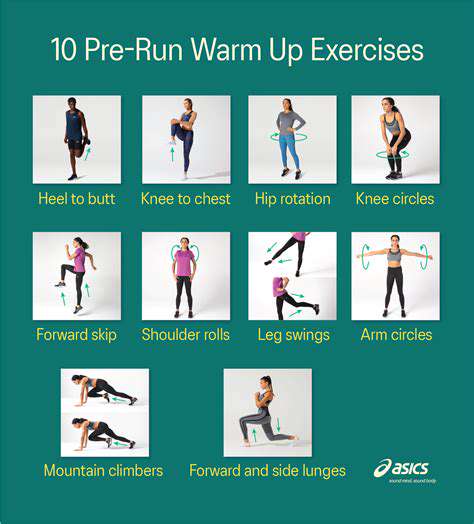
To prevent injury while participating in HIIT workouts, a sound understanding of body mechanics is indispensable. Engaging in a comprehensive warm-up routine helps to prepare the muscles and joints for rigorous activity. Dynamic stretches focusing on the hips, glutes, and abdomen can enhance flexibility, which is particularly important for anyone prone to lower back pain.
Additionally, consider the duration and intensity of intervals. Shorter bursts of activity, combined with longer rest periods, can allow the body to recover adequately. Keeping an eye on form throughout the exercises is critical; incorrect posture can easily lead to exacerbation of pain. Incorporating these strategies can significantly reduce the risk of injury when following a HIIT program.
The Role of Flexibility and Recovery in HIIT
Flexibility and adequate recovery are crucial components of any exercise routine, particularly for those engaging in HIIT with a history of lower back pain. A regular routine of static and dynamic stretching not only aids muscular recovery but also enhances overall range of motion. To build resilience in the muscles supporting the spine, it’s advisable to include specific stretches that target the back and hip areas.
Furthermore, allowing ample time for recovery between HIIT sessions is equally important. Experts recommend engaging in HIIT workouts no more than two to three times a week, giving the body time to recover and adapt. The inclusion of active recovery days, focusing on low-impact activities, will benefit overall muscle balance and promote better long-term health outcomes.
Consulting Professionals for Tailored Advice on HIIT
Seeking professional guidance is often invaluable for individuals who want to incorporate HIIT into their fitness regime while managing lower back pain. A physical therapist or certified personal trainer specializing in rehabilitative exercise can provide personalized assessments and tailored exercise programs. They can help design a regimen that encourages strength building without risking further damage to the back.
Additionally, such professionals can teach proper techniques and adjustments that accommodate individual physical limitations. Prioritizing this collaboration ensures that your approach to HIIT is safe and effective, ultimately leading to improved fitness and reduced pain over time. Remember, taking proactive steps to safeguard your health prevents future complications and empowers you towards a sustainable fitness journey.
Sports with Frequent Twisting Motions

Understanding Twisting Motions in Sports
Twisting Motions are commonplace across various sports, often integral to performance. These movements, while dynamic, can significantly stress the lower back region. In sports like golf, tennis, and skiing, rapid rotations can lead to increased risk of injury if not appropriately managed.
There is a critical need for athletes to understand the mechanics of their bodies. Strong core muscles are essential for stabilizing the spine during these twisting actions. Engaging in exercises that target the core can assist in mitigating injury risks while enhancing performance.
Common Sports Involving Twisting Movements
- Tennis
- Golf
- Baseball
- Soccer
- Racquetball
Many popular sports require athletes to perform twisting movements. Tennis players often incorporate rapid rotations during serves and groundstrokes, which can strain the lumbar region. Meanwhile, golfers undergo significant torsion during their swings, yet they often neglect the proper stabilization techniques needed.
Risk Factors for Lower Back Pain
Several factors contribute to lower back pain in athletes participating in twisting sports. Age, previous injuries, and improper form can exacerbate issues. Evidence suggests that those with a history of back pain are at a greater risk when engaging in twisting activities, as their bodies may be less able to absorb impacts or recover effectively.
Additionally, inadequate flexibility in the hip and spine can result in further strain during these movements. Athletes are encouraged to assess their physical condition regularly and seek professional advice to address these factors preemptively.
Preventative Measures and Best Practices
Implementing preventative measures is crucial for athletes involved in twisting sports. Regular conditioning and strength training focused on core stability can prevent injuries. Activities such as Pilates or yoga can also be beneficial in improving flexibility and balance, which are both vital for minimizing twisting-related injuries.
Incorporating a thorough warm-up routine that emphasizes dynamic stretching can prepare the body for physical activity. Coaches and trainers must emphasize the importance of proper technique to ensure that athletes are less likely to sustain injuries during high-twist motions.
Signs of Injury and When to Seek Help
Recognizing signs of potential injury is essential for managing lower back pain. Symptoms like persistent discomfort, muscle spasms, or radiating pain should not be ignored. If symptoms persist beyond a few days or worsen, consulting a healthcare professional is essential to prevent long-term damage. Early intervention can lead to more effective treatment options.
Additionally, athletes should pay attention to their body mechanics during practice and competitions. A small tweak in movement patterns can sometimes prevent serious injuries. Listening to one’s body is not just advisable; it’s a critical practice for longevity in any sport.
Long-term Management Strategies for Athletes
For athletes dealing with persistent lower back pain, a long-term management strategy is necessary. Understanding that self-care extends beyond exercise is critical; incorporating adequate rest and recovery into routines ensures the body can heal and strengthen. Appointments with physical therapists can provide personalized strategies tailored to individual needs, promoting effective recovery.
Maintaining an open line of communication with trainers and medical professionals can lead to informed decisions about activity levels. Keeping a detailed log of pain levels and activities can help in making necessary adjustments to training regimens, ensuring optimal performance without jeopardizing health.
Read more about Exercises to Avoid if You Have Lower Back Pain



![How to Recover Faster After Workouts [Tips & Techniques]](/static/images/26/2025-07/ListentoYourBody3ARecognizingandAddressingSignsofOvertraining.jpg)