How to Overcome a Running Plateau and Gain Speed
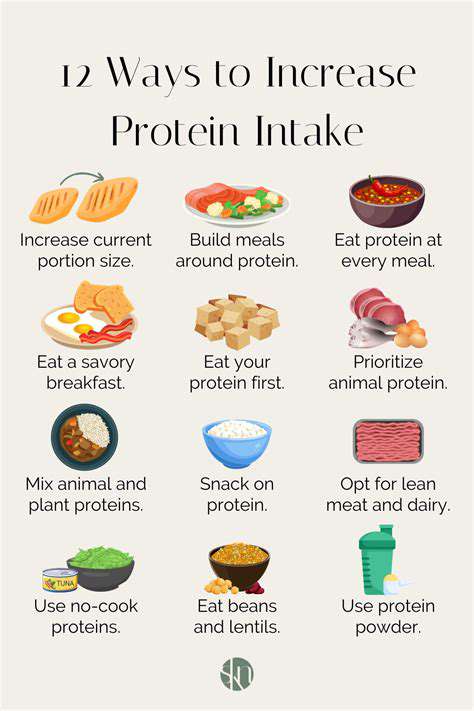
- Adequate protein intake is vital for muscle repair.
- Hydration plays a key role in recovery and performance.
- Carbohydrates are essential for replenishing glycogen stores.
- Timing your meals can maximize recovery benefits.
Nutrition is integral not just for performance but for recovery. After a run, your body needs specific nutrients to replenish glycogen stores and repair muscle tissues. Consuming a mix of carbohydrates and proteins within 30 minutes post-run can significantly enhance recovery times. For example, a simple recovery meal could include a banana paired with yogurt or a protein shake with added fruits.
Incorporating Active Recovery Techniques
Active recovery, such as light jogging or cycling, can stimulate blood flow to the muscles, aiding their recovery process. This method is especially beneficial on rest days, as it keeps the body moving without the intensity of a full workout. Many athletes engage in dynamic stretching, foam rolling, or yoga to improve flexibility and promote muscle relaxation.
Studies suggest that active recovery can reduce muscle soreness by 30% compared to complete rest. Thus, including low-impact activities can enhance your overall training effectiveness.
Listening to Your Body
Every runner is unique, and learning to listen to your body is essential for effective recovery. Symptoms like persistent fatigue, unusual soreness, or decreased performance are signs your body may not be recovering adequately. Rest and recovery are not one-size-fits-all; they require customization based on individual needs and responses. Adjust your training schedule if you notice these signs to prevent injury.
Additionally, incorporating regular assessments of your physical state can help you understand how your body reacts to different training intensities. This can guide future training decisions and help you avoid plateaus in performance.
4. Set Specific Goals and Track Progress
Defining SMART Goals
When setting your running goals, it’s crucial to follow the SMART criteria: Specific, Measurable, Achievable, Relevant, and Time-bound. For instance, instead of saying, “I want to run faster,” specify, “I want to run 5K in under 25 minutes within the next two months.” This clarity will help in both motivation and focus. Defining specific goals gives you a target to strive for rather than an abstract aspiration.
Measurable objectives allow you to track your progress effectively. An example of a measurable goal might include tracking your running pace or distance covered each week. Using fitness apps can help streamline this process by providing real-time data on your performance, allowing you to adjust your training regimen as needed.
Utilizing Training Logs
Keeping a detailed training log is instrumental in tracking your progress and evaluating what strategies work best for you. Logging information like distance, pace, and your overall physical condition allows you to visualize improvement over time. Whether you choose a digital app or a traditional notebook, consistency is key in maintaining your logs.
In addition to tracking performance metrics, it’s helpful to note environmental factors such as weather conditions or time of day. This data allows for a comprehensive analysis of how external elements affect your running pace. When you can identify patterns, you're better equipped to make adjustments for future training sessions.
Make it a habit to review your running log regularly. Set aside time weekly to analyze your progress and refine your goals. This not only keeps you accountable but also enhances your understanding of your training outcomes.
Setting Incremental Challenges
To overcome a plateau, it's beneficial to break down your overall goal into smaller, incremental challenges. For example, if your aim is to improve your speed over a 10K distance, start by incorporating shorter interval training sessions into your weekly routine. These sessions can help enhance your aerobic capacity and speed endurance without overwhelming your system.
Moreover, varying your workout intensity can facilitate improvement. Consider scheduled tempo runs, hill workouts, and long-distance runs. Each type of workout develops different aspects of your running performance and can lead to a boost in overall speed if approached methodically.
Incorporating Cross-Training
Certain activities like cycling, swimming, or strength training can offer significant benefits to your running performance. Cross-training allows you to work on muscle groups that may not get sufficient attention during your running sessions. For example, strength training enhances muscle durability and power, potentially leading to faster running times as your muscles become more efficient at generating force.
Engaging in low-impact workouts, such as yoga, can also help with flexibility and recovery, enabling you to maintain a healthier running routine while reducing the risk of injury. Devote at least one or two days a week to incorporate cross-training into your regimen.
Regularly Reassessing Goals
As you progress, it’s essential to reassess your goals periodically. What felt challenging at the beginning might become more manageable as you improve. Allocate some time every month to review and adjust your goals based on the data you've collected in your training log. If you've surpassed a goal, set a tougher target to keep pushing your limits.
This process not only helps you maintain motivation but also ensures that your training remains aligned with your evolving capabilities and aspirations. Engaging in this practice demonstrates an understanding that growth is a continuous journey, rather than a specific destination.
Accountability and Community Support
Finding a training partner or joining a local running club can provide the support and accountability necessary to push through plateaus. A community can offer encouragement, share experiences, and provide constructive feedback, which can enhance your motivation significantly. Whether you're training for a specific event or just trying to improve, mutual support often leads to happier and more productive training sessions.
Incorporate social elements into your running routine, like participating in local races or online running challenges. These experiences can foster a sense of belonging and propel you to work harder towards your goals. Ultimately, being part of a supportive community can become a game-changer in breaking through your running barriers.
5. Engage with the Running Community

Understanding the Benefits of Community Engagement
Engaging with a running community provides numerous benefits for both new and experienced runners. *Research shows that social support significantly enhances motivation* and accountability, ultimately leading to improved performance. Being part of a group helps runners stay committed to their goals, especially during challenging times.
Furthermore, running with others offers opportunities for shared learning. *You can gain valuable insights from seasoned runners regarding techniques, pacing strategies, and recovery methods*. Such exchanges can deepen your understanding of the sport, making your training more effective.
Joining Local Running Clubs
Finding a local running club can be a game changer for those feeling stuck in their routine. Clubs often host regular training sessions, races, and social events that foster camaraderie among members. You'll find that running alongside peers can inspire you to push yourself beyond your limits.
- Regular training sessions to improve speed and endurance.
- Access to experienced coaches and structured programming.
- Networking opportunities with fellow running enthusiasts.
Participating in Group Runs
Group runs can inject a fresh sense of energy into your training regimen. When runners come together, the collective energy can help you keep pace and sometimes even exceed your expectations. Being surrounded by others can make the experience enjoyable and less isolating.
In addition, you can discover different routes and terrains that you might not explore alone. Mixing up your running environment is crucial for *avoiding a plateau*, as it challenges your body in new ways.
Attending Running Workshops and Clinics
Workshops offer a fantastic platform to enhance your skills and knowledge. By attending these clinics, you’ll gain insight into areas like proper form, footwear selection, and injury prevention. *Many clinics are led by professional trainers who share practical tips* based on their experiences, making them invaluable resources.
Additionally, networking at these events can lead to lasting friendships and potential running partners. This social aspect enriches your running journey, making setbacks easier to tackle.
Engaging with Online Running Communities
If joining a local group isn't feasible, online communities provide an excellent alternative. Platforms like Strava and various running forums allow you to connect with runners globally. These communities often share training tips, race experiences, and motivational stories that can encourage you to stay committed to your goals.
Participating in virtual challenges can also add a fun competitive element. Such challenges provide *the excitement of striving for personal bests while being part of a larger community*. Online interactions can keep your spirits high, especially when in-person meets are limited.
Volunteering at Races and Events
Volunteering at local races can offer unique insights into the running community. As a volunteer, you'll witness the logistics behind event planning and execution, which can deepen your appreciation for the sport. You also get to meet a variety of runners, from beginners to seasoned athletes, providing you with inspiration and practical tips.
More importantly, volunteering fosters a sense of belonging. *Being part of an event from behind the scenes helps Strengthen Your Connection to the community*, reminding you of the fun and fellowship that running can bring. Embrace these opportunities to reinforce your love for the sport and gain a sense of accomplishment beyond personal racing goals.
Read more about How to Overcome a Running Plateau and Gain Speed