Low Carb Cooking Tips for Rapid Weight Loss Results
- Sous vide allows for precise temperature control, ensuring consistent results.
- This technique enhances the natural flavors of ingredients while keeping moisture intact.
Sous vide cooking involves sealing food in vacuum-sealed bags and cooking it slowly in a water bath at a specific temperature. This technique provides the ability to cook food evenly and retains its moisture. Research shows that this method not only preserves textures but also enhances flavors, making it a favorite among culinary professionals.
One of the key benefits of sous vide cooking is the minimal fat needed during the cooking process. Since the food cooks in its own juices, you can achieve delicious results without excessive oils or fats. It’s a fantastic option for those following a low-carb diet!
2. Grilling: A Flavorful and Healthy Option
Grilling is another excellent technique to consider, especially for low-carb meals. This method utilizes high heat to cook food quickly while providing a charred, smoky flavor that many people enjoy. Studies have shown that grilling can reduce fat content in meats, making it healthier compared to frying.
Additionally, grilling vegetables enhances their taste, making them a delightful addition to any meal. Experimenting with marinades can elevate the flavors without adding too many carbohydrates or calories. Always remember, it’s about the ingredients you choose!
3. Steaming: Retaining Nutrients and Flavor
Steaming is an excellent technique for those looking to maximize nutrient retention in their meals. Unlike boiling, where nutrients can leach into the water, steaming helps keep essential vitamins intact. This method is particularly beneficial for vegetables, ensuring they remain crisp and flavorful.
When preparing meats, steaming can also make them tender while allowing them to absorb flavors from herbs and spices used during the cooking process. It's a straightforward, healthy cooking method that aligns perfectly with low-carb principles, encouraging weight loss!
4. Roasting: Intensifying Natural Flavors
Roasting is not just for meats; it can also bring out the best in vegetables. By cooking at high temperatures, you can achieve caramelization which intensifies the natural sweetness of ingredients. This technique is highly effective for low-carb diets as you can create delicious meals without heavy sauces or condiments.
Incorporating spices and herbs during roasting can also enhance flavors without adding carbohydrates, providing robust taste experiences. It’s a simple technique that offers versatility, allowing for a variety of low-carb dishes.
5. Stir-Frying: Quick and Flavorful Meals
Stir-frying is a fast cooking method that uses high heat and a small amount of oil. This technique can be a game-changer for those on a low-carb diet, as it retains the texture and flavors of vegetables while cooking them swiftly. Since it's quick, it reduces the risk of overcooking, allowing you to preserve nutrients.
Many find that preparing meals this way encourages creativity in the kitchen. You can mix various proteins and low-carb vegetables, resulting in personalized dishes that align with your dietary preferences. The high heat allows for a delightful sear that enhances flavors, making it a satisfying choice for any meal.
5. Stay Hydrated and Monitor Portions
Understanding the Importance of Hydration
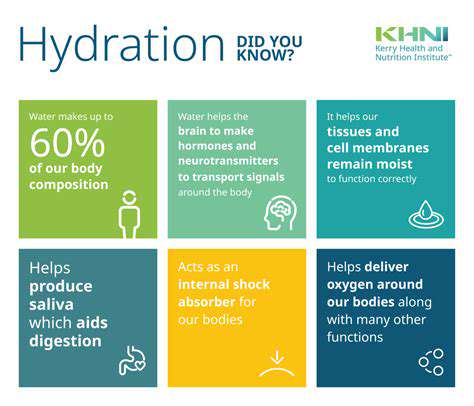
Water plays a crucial role not only in overall health but specifically in weight loss. Research indicates that staying hydrated can help control appetite and assist in metabolism. For instance, drinking water before meals can reduce the number of calories consumed, helping you manage portion sizes effectively.
One effective strategy is to aim for at least eight 8-ounce glasses of water daily, although some individuals may require more based on activity levels and body size. Counting fluids can easily be incorporated into your routine, ensuring that you're consistently meeting your hydration goals.
Moreover, consider incorporating low-calorie beverages like herbal teas or flavored water to diversify your hydration sources. This approach not only satisfies hydration needs but also makes the experience enjoyable and less monotonous.
Portion Control: A Key Strategy for Weight Loss
Monitoring portion sizes is essential in a low-carb diet. Using smaller plates can be a helpful trick to trick your mind into thinking you're eating a fuller plate. Research from the Journal of the Academy of Nutrition and Dietetics showcases that individuals who use smaller dishes tend to consume fewer calories without feeling deprived.
Tips for Combining Hydration and Portion Monitoring
One effective method is to drink a glass of water before each meal. This practice not only helps you stay hydrated but can also lead to reduced portion sizes, as you may feel fuller and less inclined to overeat. Additionally, setting a timer or using meal prep methods can help keep portions in check while ensuring you stay on track with your hydration goals.
Furthermore, tracking your water intake alongside your meals using an app or a journal may enhance awareness and accountability, leading you to make healthier choices. Staying mindful about what you consume, and in what quantities, creates lasting habits that contribute to weight loss.
Read more about Low Carb Cooking Tips for Rapid Weight Loss Results


![What is the Mediterranean DASH Diet? [Benefits & How To]](/static/images/26/2025-05/MakingtheMediterranean-DASHDietaSustainableLifestyle.jpg)

![How to Read Nutrition Labels Correctly [Expert Tips]](/static/images/26/2025-06/MakingInformedChoices3ATakingControlofYourDiet.jpg)