Foam Rolling Techniques for Lower Back and Hip Pain
While both foam rolling and traditional massage can alleviate muscle tension, they each have distinct advantages. Foam rolling is cost-effective and can be performed anytime at home or the gym, making it a convenient choice for many. On the other hand, a professional massage provides personalized attention and may work more deeply into problematic areas.
Ultimately, the best approach may involve a combination of both techniques. Integrating foam rolling into your routine can enhance the effects of traditional massages, extending the benefits and reducing muscle tightness over time. Evaluate your specific needs and choose the combo that works best for your lifestyle and pain management strategy.
Combining Foam Rolling with Stretching
Understanding Foam Rolling
Foam rolling is a myofascial release technique that employs a foam roller to apply pressure on specific areas of the body. This process helps in relaxing muscle knots, improving blood circulation, and enhancing overall flexibility. Research has demonstrated that foam rolling can significantly decrease muscle soreness after workouts and may aid in faster recovery. By incorporating this technique into your routine, you are essentially attending to your muscles in a self-care capacity, akin to a DIY massage.
The benefits of foam rolling extend beyond post-workout recovery. It can also be utilized before a workout to warm up the muscles, making activities like running or weight training more efficient. Studies suggest that, when used effectively, foam rolling can enhance athletic performance by increasing range of motion and decreasing the risk of injury. This evidence supports foam rolling as a valuable addition to any fitness regimen.
The Importance of Stretching
Stretching plays a critical role in maintaining flexibility and promoting muscular health. It involves lengthening muscles to improve overall mobility, enhance posture, and increase blood flow. Inactive muscles can lead to tightness and discomfort, especially in the lower back and hip regions, where many individuals experience pain. Regular stretching can also prevent injuries by preparing the muscles for physical activity.
A systematic review highlighted that stretching alone can create positive changes in muscle flexibility. Incorporating static stretching after foam rolling not only enhances flexibility but also ensures that your muscles are correctly aligned. Rather than just relying on one method, using stretching in conjunction with foam rolling can enhance the benefits and support long-term muscle health.
Complementing Techniques for Enhanced Results
Combining foam rolling with stretching can lead to superior results in alleviating lower back and hip pain. The two methods work synergistically; foam rolling targets muscle knots, while stretching elongates the muscles. This combination helps in achieving a more comprehensive level of muscle recovery and flexibility. For optimal results, it can be beneficial to allocate time for both activities within your workout routine.
Practitioners suggest a structured approach where foam rolling is performed first to release tension followed by targeted stretches. For instance, rolling your hip flexors before performing a lunge stretch can provide a greater depth of release and improve the stretch's effectiveness. Tailoring these techniques together enhances workout efficiency and muscle responsiveness.
Specific Techniques for the Lower Back
To effectively foam roll the lower back, it's imperative to use proper technique to ensure safety and efficacy. Begin by lying on your back with the foam roller placed underneath your lower back area. Gently roll back and forth, allowing the roller to work out tightness while avoiding excessive pressure directly on the spine. Instead, focus on the muscles adjacent to the spine for optimal results.
After foam rolling, consider static stretches like child’s pose or seated forward bend to lengthen the muscles of the lower back. Recent findings indicate that this combination of techniques can considerably improve range of motion and provide much-needed relief from discomfort associated with lower back pain.
Targeting the Hips Effectively
The hip region is a common trouble spot for many people, especially those who sit for extended periods. Foam rolling can release tension in the hip flexors and glutes, which are components that often contribute to lower back discomfort. To effectively target this area, position the foam roller under your glutes and roll gently, allowing the pressure to melt away tightness.
Once you've rolled out any knots, complement this with stretches such as the pigeon pose or figure-four stretch. These stretches are particularly effective in targeting the hip flexors and glutes, enhancing mobility and preventing tightness. Research has shown that targeted hip stretches can significantly alleviate discomfort, allowing for improved function in daily activities.
Creating a Balanced Routine
To achieve the most significant benefits from both foam rolling and stretching, it’s essential to create a balanced routine that incorporates both. For example, dedicating a minimum of fifteen minutes to foam rolling followed by a similar duration for stretching can deliver impactful results. There’s value in consistency; making this routine a regular part of your weekly workouts is crucial for long-term pain relief and muscle flexibility.
Consider scheduling these practices on days you perform strength training or high-intensity workouts. By integrating foam rolling and stretching as part of your pre- and post-workout rituals, you lower your risk of injury while enhancing your overall performance. Keeping a journal of your progress in flexibility and pain levels can also be instrumental in motivating continued practice.
Consulting a Professional
While foam rolling and stretching can greatly benefit many people, it's essential to recognize when to consult a professional. Physical therapists or certified trainers can provide invaluable insight into specific conditions you may be experiencing, ensuring that you’re using the correct techniques. They can also craft personalized routines tailored to your needs, which can be more effective than general advice.
Moreover, professionals can help identify underlying issues contributing to pain, offering targeted interventions that might include manual therapy or custom stretching routines. Taking the time to learn from an expert can enhance your knowledge and equipping you with the tools for long-term success in your fitness journey.
Precautions and Tips for Safe Foam Rolling
Understand Your Body's Needs
Before jumping into foam rolling, it's crucial to assess your individual needs. Identify any specific pain points or tight muscles in your lower back and hips that require special attention. Tailoring your Foam Rolling Routine to focus on these areas can lead to improved outcomes and a more effective session.
Consulting with a physical therapist or healthcare professional can provide valuable insights into how foam rolling can best serve your body. They can help you pinpoint areas of tension and suggest modifications that could enhance your mobility and reduce discomfort.
Choose the Right Foam Roller
Foam rollers come in various densities and sizes, making it essential to pick one that suits your comfort level and experience. Beginners might benefit from a softer roller, while more experienced users might prefer a firmer option that allows for deeper tissue penetration. Brands like TriggerPoint and GRID offer diverse choices tailored for different user needs.
Start Slow and Gradually Increase Pressure
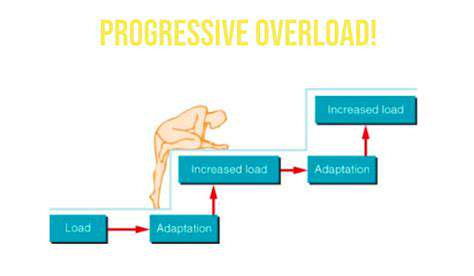
It's tempting to apply maximum pressure right away, especially if you're feeling tightness, but starting slow is key. Gradually increase the pressure during your rolling session to help your muscles acclimate. This approach not only reduces the risk of injury but also enables better muscle recovery and relaxation.
Pay attention to how your body responds. If you feel sharp pain, ease off immediately to avoid overstressing your muscles. Listening to your body during foam rolling is just as important as the technique itself.
Incorporate Breathing Techniques
Breath control plays a significant role during foam rolling. Focusing on your breath can enhance relaxation and improve the effectiveness of each roll. Try to inhale deeply through your nose when you apply pressure and exhale slowly through your mouth as you release. This rhythm supports muscle relaxation, which allows for a more productive session.
Know When to Avoid Foam Rolling
Foam rolling might not be suitable for everyone. If you have specific injuries, such as severe lower back pain or hip issues, it's important to avoid rolling over those areas until cleared by a professional. Rolling over injuries can exacerbate the condition, leading to prolonged recovery times.
Follow Up with Stretching
Foam rolling effectively prepares your muscles for stretching, enhancing flexibility and reducing tension. After your foam rolling session, dedicate time to gentle stretching. This combination can further alleviate pain and increase mobility, making it easier to engage in activities that were previously uncomfortable.
Establish a Routine
To reap the full benefits of foam rolling, consistency is vital. Establishing a dedicated routine—whether it’s daily or several times a week—will not only enhance your recovery process but also contribute to injury prevention. A well-rounded routine that includes foam rolling, stretching, and perhaps light exercise sets the foundation for long-term health.
Read more about Foam Rolling Techniques for Lower Back and Hip Pain