How Gratitude Increases Emotional Resilience
Index
Emotional resilience involves adapting to adversity and enhances overall well-being.
Gratitude improves mental health, reducing depression and increasing happiness.
Gratitude journals boost well-being and foster optimism among individuals.
Cultivating gratitude strengthens relationships and emotional support networks.
Gratitude activates brain regions related to happiness and reduces stress hormones.
Long-term gratitude practices improve health, enhancing life satisfaction and resilience.
Practicing gratitude can be challenging, especially during difficult emotions.
Daily gratitude journaling can significantly increase overall life satisfaction.
Expressing gratitude enhances emotional connections and reduces interpersonal conflict.
Community gratitude initiatives foster emotional resilience and support networks.
The Science Behind Gratitude and Emotional Health

Understanding Emotional Resilience
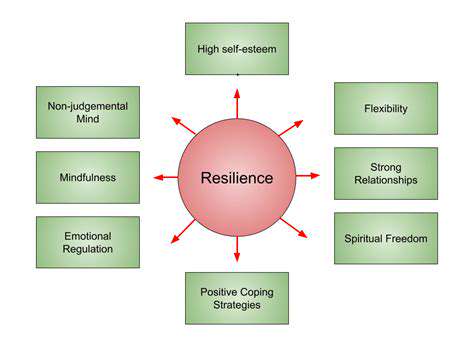
Emotional Resilience refers to the ability to adapt to stressful situations and recover from adversity. This capacity is crucial for maintaining mental well-being and overall life satisfaction. Studies indicate that resilient individuals tend to experience fewer mental health issues and have a more positive outlook on life.
Current research highlights that emotional resilience is not an inherent trait but rather a skill that can be developed over time. Enhanced emotional resilience allows individuals to face challenges with a greater sense of confidence and control.
The Role of Gratitude in Emotional Health
Gratitude plays a vital part in promoting emotional health. Recent studies have shown that Practicing gratitude can lead to improved mental health outcomes such as reduced depression and anxiety. People who regularly express gratitude report higher levels of happiness and life satisfaction.
Research from the Greater Good Science Center at UC Berkeley indicates that individuals who keep gratitude journals feel a greater sense of well-being and are more optimistic about their future.
Furthermore, gratitude fosters positive social relationships, which can significantly boost emotional health. Maintaining connections with supportive friends and family is critical during tough times.
Scientific Studies Supporting Gratitude's Effects
- A 2003 study by Emmons and McCullough found that people who wrote about things they were thankful for had fewer health complaints.
- Another research published in the Journal of Personality and Social Psychology demonstrates that gratitude can enhance overall happiness.
Research consistently indicates that incorporating gratitude practices into daily routines can lead to measurable improvements in emotional well-being. For instance, participants who engaged in gratitude exercises reported feeling more optimistic.
Practical Ways to Cultivate Gratitude
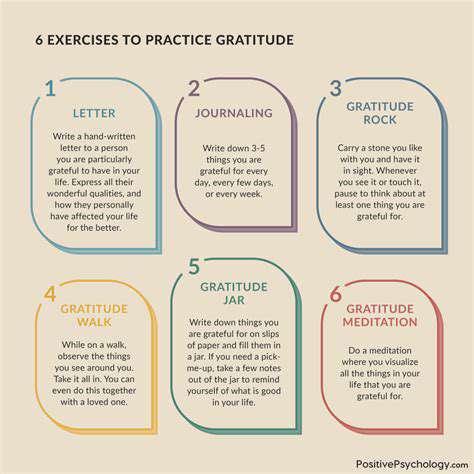
To harness the benefits of gratitude, individuals can adopt simple practices in their daily lives. One effective method is to start a gratitude journal, where one can jot down specific things they appreciate each day. This process encourages mindfulness, making individuals more aware of the positive aspects of their lives.
Another practice is expressing gratitude directly to others. Taking the time to thank someone can strengthen relationships and enhance emotional resilience. Simple notes or gestures can have a significant impact.
The Neurobiology of Gratitude
Research in neuroscience reveals that expressing gratitude activates regions in the brain associated with dopamine release, which enhances feelings of happiness and contentment. Over time, consistent gratitude practices can alter brain structure and chemistry, making positivity more automatic.
Furthermore, gratitude reduces the activity of the stress hormones like cortisol, promoting a calmer, more resilient state of mind. Understanding this neurobiological basis can empower individuals to incorporate gratitude into their lives more consciously.
Long-Term Benefits of Gratitude
The long-term benefits of gratitude extend beyond individual happiness. Studies show that practicing gratitude can lead to physical health improvements, including lower blood pressure and better sleep quality. The cumulative effect of these health benefits contributes to a more resilient and fulfilling life.
Additionally, engaging in gratitude practices can foster a sense of community. When gratitude is shared, it creates a positive feedback loop that enhances social ties and emotional support networks.
Challenges in Practicing Gratitude
While practicing gratitude is beneficial, it can sometimes be challenging, especially during difficult times. It is essential to recognize that feelings of gratitude can coexist with negative emotions. This duality is part of the human experience and should not be ignored.
For some, making a deliberate effort to feel grateful can feel unnatural, particularly after facing significant hardship. In these instances, starting with small, manageable steps toward gratitude can help create a more resilient mindset over time.
Building a Gratitude Practice
Understanding the Benefits of Gratitude
Research has consistently shown that gratitude can significantly Boost Emotional Resilience. A study published in the Journal of Personality and Social Psychology found that participants who regularly practiced gratitude reported higher levels of positive emotions and lower levels of depression. Such benefits are especially important in challenging times, as gratitude enables individuals to find meaning and perspective, which contributes to their overall well-being.
Moreover, gratitude can strengthen relationships and social bonds, which are crucial for emotional support. When we express gratitude, it not only enhances our mood but also fosters a sense of community. According to a study from Harvard University, gratitude leads to increased prosocial behavior, strengthening the ties we have with others. This support network can act as a buffer against various life stressors.
Practical Steps to Cultivate a Gratitude Practice
To effectively build a gratitude practice, start by incorporating a daily gratitude journal into your routine. Dedicate a few minutes each day to jot down at least three things you are thankful for. This simple act has been shown to increase overall life satisfaction by allowing you to reflect on positive aspects of your life, regardless of how small they may seem. A study highlighted in the journal Applied Psychology demonstrates that individuals who maintain a gratitude journal tend to have improved sleep quality and lower levels of anxiety.
Another effective strategy is to regularly express gratitude to those around you. Whether it’s a quick text message or a heartfelt conversation, acknowledging others’ contributions fosters a positive atmosphere. In fact, a research paper from the University of Pennsylvania found that individuals who actively expressed gratitude experienced greater emotional and psychological benefits than those who merely reflected on what they were thankful for. This suggests that engaging with others meaningfully enhances the practice of gratitude.
Gratitude and Coping Mechanisms
Understanding the Role of Gratitude in Emotional Resilience
Research has consistently shown that practicing gratitude can lead to increased emotional resilience. A study published in the Journal of Personality and Social Psychology found that individuals who regularly express gratitude have lower levels of depression and anxiety. By actively recognizing what one is thankful for, individuals can shift their focus from negative experiences, fostering a more positive perspective over time.
Furthermore, gratitude has been linked to enhanced psychological well-being. According to a survey conducted by the Greater Good Science Center at UC Berkeley, people who regularly engage in gratitude exercises report feeling more positive emotions, which plays a crucial role in building resilience. Incorporating gratitude into daily rituals, such as journaling or sharing with others, can reinforce a sense of community and support.
Practical Coping Strategies Incorporating Gratitude
One effective coping mechanism is the practice of Gratitude Journaling. By setting aside just five minutes each day to write down what you are grateful for, this simple technique has been shown to improve overall mental health. Research indicates that individuals who keep a gratitude journal experience more positive emotions and have less stress. This consistent reflection fosters a mindset that embraces positivity, which is essential for resilience.
In addition to journaling, expressing gratitude directly to others can enhance one's emotional support network. A study from the University of Pennsylvania demonstrated that writing a letter of thanks to someone who has made a significant impact can enhance feelings of well-being. Not only does this practice reinforce the recipient's positive influence, but it also strengthens interpersonal connections, providing a buffer against stress and enhancing emotional recovery.
Ultimately, finding moments to express gratitude can help build a proactive coping strategy. Whether through small daily habits or in larger social interactions, harnessing gratitude serves not only to enrich personal lives but also to enhance emotional resilience during challenging times.
Gratitude in Community and Relationships
The Role of Gratitude in Strengthening Community Bonds
Gratitude acts as a catalyst for building and maintaining strong community ties. Research from the Greater Good Science Center at UC Berkeley indicates that expressing gratitude can significantly improve interpersonal relationships, leading to increased social support and cohesion. When individuals acknowledge the contributions of others, they foster trust and encouragement within the community.
A study published in the Journal of Happiness Studies found that communities where gratitude is practice regularly experience enhanced overall well-being. Participants reported feeling more connected and supported, which positively impacted their mental health. This suggests a clear correlation between community gratitude practices and greater emotional resilience, underscoring its importance in fostering a nurturing environment.
Practicing Gratitude in Personal Relationships
In personal relationships, gratitude can transform interactions and enhance emotional resilience. Research has shown that expressing appreciation to partners, friends, or family members can create an atmosphere of mutual respect and care. This not only strengthens bonds but also reduces conflict, as individuals feel valued and understood. When conflicts arise, a grateful mindset can help partners navigate disagreements more constructively.
Moreover, incorporating gratitude practices, such as sharing daily highlights or writing thank-you notes, can significantly increase relationship satisfaction. According to a study by psychologists at the University of California, participants who engaged in gratitude exercises reported higher levels of relationship satisfaction after just three weeks. This suggests that regular expressions of gratitude can keep relationships healthy and resilient.
Additionally, maintaining a gratitude journal focused on relationships can provide individuals with a deeper perspective on their connections and support systems. It can help shift focus from negative experiences to the positive aspects of one's life, contributing to emotional resilience over time.
Community Initiatives to Foster a Culture of Gratitude
Community initiatives aimed at fostering gratitude can significantly bolster emotional resilience among members. Community centers or organizations can host events focused explicitly on gratitude, such as Thank You Days, where residents gather to reflect on their local heroes and express appreciation for one another. These gatherings not only solidify relationships but also educate participants on the benefits of a gratitude practice.
Incorporating gratitude into volunteer programs is another effective strategy. Research from the Journal of Community Psychology identifies that volunteers who practice gratitude tend to report higher levels of satisfaction with their contributions. This feeling of connectedness serves as a buffer against stress and enhances emotional resilience, particularly during tough times.
To expand the reach of such initiatives, community leaders can harness social media platforms to encourage residents to share their stories of gratitude. This fosters a sense of belonging and reminds individuals of their shared values and support networks, which is essential for maintaining emotional health during challenging periods.
Read more about How Gratitude Increases Emotional Resilience









Hot Recommendations
-
*Guide to Understanding Processed Foods and Their Risks
-
*Best Habits for Environmental Health
-
*How to Build a Consistent Morning Routine
-
*Running Tips for Your First Marathon Training
-
*How to Build a Habit of Learning Something New Daily
-
*Best Exercises for Cyclists to Build Strength
-
*How to Use Resistance Bands for a Full Body Workout
-
*Guide to Practicing Forgiveness
-
*Guide to Setting Realistic Health Goals
-
*Understanding Kidney Disease: Symptoms and Management