How Gratitude Improves Cognitive Function in Aging

Understanding the Role of Gratitude in Mental Health
Recent studies indicate that gratitude can significantly impact mental health, particularly among older adults. For instance, research published in the *Journal of Happiness Studies* highlights that expressing gratitude is linked to reduced symptoms of depression and anxiety in seniors. This shows a clear connection between maintaining a positive outlook and overall mental well-being. The act of recognizing what one is thankful for can serve as a cognitive reset, leading to improved mood and emotional stability.
Furthermore, practicing gratitude can create a ripple effect that enhances interpersonal relationships. When older adults express appreciation towards family and friends, it often leads to stronger social bonds, which are crucial for cognitive health. In short, engaging in gratitude practices can foster an environment that supports mental and emotional resilience, making it an essential component of aging healthily.
The Science Behind Gratitude and Cognitive Function
- Gratitude improves memory and cognitive flexibility.
- Research shows neural changes that enhance information processing.
- Expressing gratitude is tied to increased motivation in learning.
Understanding how gratitude affects cognitive function involves looking at neuroscience. Studies utilizing brain imaging techniques have revealed that gratitude can create neural pathways that enhance cognitive flexibility and memory retention. This suggests that simply reflecting on what we are thankful for can lead to significant improvements in our mental processing abilities. As we age, maintaining these cognitive functions becomes increasingly critical.
Moreover, engaging in gratitude practices has been shown to improve focus and concentration, which are often areas of decline in older adults. By consciously shifting thoughts towards gratitude, individuals can potentially boost their motivation to learn and remember new information. This intrinsic motivation not only aids in cognitive function but also enriches the overall quality of life in aging.
Practical Ways to Cultivate Gratitude in Daily Life
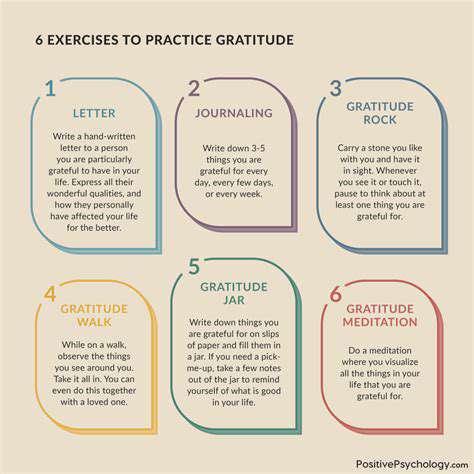
To Foster gratitude effectively, incorporating small yet meaningful practices into daily routines is vital. Keeping a gratitude journal is one popular method; documenting three things one is thankful for each day can dramatically shift one’s perspective. This simple act encourages mindfulness and keeps one’s focus on the positive aspects of life. It can also serve as a motivational catalyst for seniors facing struggles with cognitive decline or emotional distress.
In addition to journaling, engaging in group activities centered around sharing grateful experiences can enhance social connections. Participating in community service or volunteering can provide a deeper sense of fulfillment. By reflecting on the impact one has on others, individuals can cultivate a robust sense of gratitude that benefits both their cognitive health and emotional well-being.
The Science Behind Gratitude and Brain Health
Understanding the Neurobiology of Gratitude
Gratitude is not just a fleeting emotion; it has a foundation in neuroscience. Studies indicate that expressing gratitude activates specific brain regions, notably the prefrontal cortex and areas associated with the reward system. This heightened activity can lead to increased feelings of joy and satisfaction, promoting a positive mental state that is beneficial for cognitive processes.
Research published in journals such as NeuroImage has explored how positive emotions, including gratitude, can enhance synaptic plasticity. This process is crucial for learning and memory, especially as we age. This implies that cultivating gratitude might not simply improve mood, but also facilitate better cognitive function over time, making it a worthwhile focus for older adults.
Gratitude's Impact on Mental Health and Cognitive Aging
Numerous studies have found a correlation between gratitude and Mental Health Benefits, particularly for older adults. For instance, a 2016 study in the Journal of Happiness Studies revealed that participants who practiced gratitude regularly reported lower levels of depression and anxiety. This improvement in mental health can indirectly enhance cognitive function, as reduced stress can lead to better focus and enhanced memory capabilities.
Moreover, gratitude practices such as journaling have been shown to foster resilience among seniors. By emphasizing positive experiences, these practices can create a protective buffer against cognitive decline, thereby supporting brain health in aging populations. Engaging in regular gratitude exercises may serve as a proactive strategy to cope with the inevitable challenges of aging.
Practical Strategies for Cultivating Gratitude
Implementing gratitude into daily life can be straightforward yet profoundly impactful. Simple actions like writing down three things you appreciate daily can rewire brain patterns to favor positivity. This technique not only enhances mood but may also improve focus and memory, which are critical as we age.
Incorporating gratitude into social interactions can also reinforce cognitive engagement. For example, expressing appreciation to family members or friends during conversations can strengthen relationships and stimulate cognitive function. As socialization has been linked with improved brain health, taking the time to share what you are grateful for can create a supportive atmosphere that prioritizes both emotional and cognitive wellness.
Benefits of Gratitude Practices
Enhancing Mental Health through Gratitude
Research indicates that engaging in gratitude practices can significantly enhance mental health, particularly in older adults. A study published in the Journal of Psychosomatic Research found that older participants who regularly practiced gratitude reported lower levels of depression and anxiety. This improvement may stem from gratitude's ability to shift focus from negative thoughts to positive experiences, fostering a more constructive mental environment.
Further supporting this, the effects of gratitude on mental health can also be linked to improved coping mechanisms. When faced with life's challenges, an individual who actively expresses thankfulness is more likely to approach stressors with resilience. This positive outlook can ultimately lead to a healthier aging process, evident in both emotional stability and a better overall quality of life.
Improving Social Connections
Gratitude practices not only benefit personal well-being but also enhance social relationships. Expressing gratitude can strengthen bonds with family and friends, creating a supportive network that is crucial as one ages. According to a study from the University of California, Davis, individuals who acknowledge the support of others tend to build deeper and more meaningful relationships, which is essential for emotional health, particularly in later life.
Furthermore, gratitude facilitates positive interactions and can encourage reciprocity in relationships, prompting others to act kindly in return. This exchange enhances social support networks, which are vital in countering loneliness—an increasingly common issue among the elderly. Social connections fostered by gratitude practices can lead to a more engaged and fulfilling lifestyle during aging.
Boosting Cognitive Function
Engaging in gratitude exercises has been shown to enhance cognitive function, which is a crucial aspect of healthy aging. Research from the University of Michigan suggests that regular practices such as journaling about things one is thankful for can improve memory and concentration. This cognitive boost is attributed to the mental engagement required in reflecting on positive experiences, which in turn stimulates brain functions associated with recall and focus.
Moreover, gratitude practices may encourage a proactive approach to problem-solving, enhancing cognitive flexibility. Individuals who appreciate the good in their lives often display increased creativity and openness to new ideas. These cognitive enhancements, coupled with the emotional benefits, contribute to an overall healthier brain in aging individuals and may potentially mitigate cognitive decline.
Community and Social Engagement through Gratitude

Understanding the Psychological Impact of Gratitude
Research indicates that practicing gratitude can fundamentally alter brain patterns associated with emotional health. The act of expressing thanks has been linked to increased feelings of joy and satisfaction. These emotional benefits can improve cognitive functions, such as memory and attention. This transformation shows how gratitude can retrain the brain for positivity.
In a study published in the Journal of Personality and Social Psychology, participants who maintained Gratitude Journals reported enhanced well-being and better overall mental health. Those who regularly practiced gratitude exhibited resilience against cognitive decline, showing fewer signs of memory loss compared to those who did not engage in similar practices.
Fostering Community through Acts of Gratitude
- Gratitude strengthens social bonds.
- Community involvement enhances individual well-being.
- Collective gratitude contributes to a supportive atmosphere.
Being part of a community that fosters gratitude can lead to significant social benefits. Participating in community service, thank-you campaigns, or local appreciation events can create an environment where individuals feel connected. Such connections not only enhance one's social network but also improve Cognitive Functions through shared experiences.
Gratitude in Social Relationships
In relationships, expressing thankfulness can enhance interpersonal connections. A simple 'thank you' can improve communication and trust among friends and family. Moreover, consistent gratitude expresses recognition and promotes a sense of belonging, which is fundamental to mental well-being.
Research shows that people who regularly practice gratitude are more satisfied in their relationships. In a study from the University of Berkley, it was found that couples who expressed appreciation for each other reported greater relationship satisfaction. This finding emphasizes the importance of gratitude in fostering stronger relationships.
Educational Programs and Gratitude
Implementing gratitude-focused educational programs can have profound effects on students’ cognitive growth. Programs that encourage students to engage in gratitude practices tend to improve classroom dynamics and overall academic performance. Students in these programs show elevated levels of focus and retention, which contribute positively to their cognitive capabilities.
For instance, schools that have integrated gratitude exercises into their curricula report noticeable changes in student behavior and learning attitudes. By emphasizing gratitude, educators foster an environment conducive to both social and intellectual development.
The Role of Gratitude in Mental Health
Gratitude can serve as a protective factor against various mental health issues, including anxiety and depression. Studies have demonstrated that individuals who regularly practice gratitude experience lower levels of stress and better emotional regulation. This protective aspect is critical, particularly for aging individuals who may face cognitive deterioration.
Moreover, a publication in the American Journal of Lifestyle Medicine highlighted that gratitude interventions could lead to significant reductions in health-related problems. Those practices reinforce a positive mindset, which is crucial for cognitive preservation in older adults.
Implementing Gratitude Practices in Daily Life
Incorporating gratitude into Daily Routines doesn't have to be complex. Simple practices like keeping a gratitude journal or reflecting on positive experiences can yield significant cognitive benefits. Setting aside a few minutes each day to express thanks can cultivate a healthier mindset.
Moreover, individuals can encourage family members or friends to join this practice, creating a communal atmosphere of positivity. This sharing not only strengthens bonds but also reinforces the cognitive enhancements we associate with gratitude. So, find moments in your day to reflect, thank, and appreciate the small joys around you.
Practical Ways to Cultivate Gratitude

Practical Techniques for Daily Gratitude
Incorporating gratitude into your daily routine can be a simple yet effective way to enhance cognitive function, especially in aging. One practical method is to maintain a gratitude journal. Dedicate a few minutes each evening to jot down three things you are thankful for that day. Research shows that consistently engaging in this practice can lead to improved mood and better memory retention. For many, this ritual becomes a source of reflection and positive reinforcement, significantly impacting mental clarity.
Another technique is to practice mindfulness meditation focused on gratitude. Spend a few minutes visualizing the people and experiences you appreciate. This has been linked to increased neuroplasticity, which is vital for cognitive health. Engaging with feelings of gratitude can help combat the cognitive decline associated with aging.
Group Activities to Foster Gratitude
- Join community service or volunteering activities.
- Engage in group discussions about gratitude with peers.
- Create gratitude circles where each person shares what they appreciate.
Participating in group activities can significantly enhance your sense of gratitude and social connection. For instance, volunteering has been shown to increase feelings of well-being, thereby improving cognitive function. Studies indicate that adults who engage in community service may experience boosts in both memory and emotional health. The interactions and shared experiences during these activities can lead to stronger relationships and a greater appreciation for life.
Creating a gratitude circle, where individuals gather to share what they are thankful for, is another great way to nurture gratitude. This practice not only strengthens connections but also encourages each participant to reflect on their own lives. Engaging with others can offer new perspectives and help promote a culture of appreciation and positivity.
Read more about How Gratitude Improves Cognitive Function in Aging







Hot Recommendations
-
*Understanding Kidney Disease: Symptoms and Management
-
*How to Reduce Sugar Cravings Naturally
-
*Best Workout Apps for Guided Training and Tracking
-
*How to Create a Healthy Relationship with Social Media
-
*How to Create a Healthy Social Life
-
*Best Nutrition for Children with Allergies (Identifying & Substituting)
-
*Best Supplements for Joint Health [2025 Review]
-
*Understanding Dialectical Behavior Therapy (DBT)
-
*Best Exercises for Seniors with Balance Issues
-
*Best Foam Rolling Techniques for Recovery and Flexibility