How a Gratitude Jar Can Improve Your Family’s Health
Catalog
Gratitude Jars cultivate family appreciation and improve emotional well-being.
Consistent participation enhances family bonds and positive atmosphere.
Gratitude practices reduce stress and improve mental health.
Encouraging participation promotes involvement from all family members.
Reflective gratitude discussions foster open communication and emotional connection.
Creating rituals enhances family dynamics and resilience.
Visual reminders of gratitude bolster optimism among family members.
Regular reflections on gratitude entries enhance commitment and dialogue.
The Concept of a Gratitude Jar
Understanding the Basics of a Gratitude Jar
A Gratitude Jar is a simple yet powerful tool designed to cultivate a mindset of appreciation within families. It typically consists of a jar into which family members place notes or slips of paper that express things they are grateful for. The act of writing down positive experiences helps reinforce a more optimistic outlook, contributing to improved emotional well-being.
This practice isn't just about the jar itself; it's about consistent engagement. Research has shown that expressing gratitude can lead to reduced levels of depression and anxiety. A study published in The Journal of Personality and Social Psychology found that individuals who kept a gratitude journal were significantly happier and less depressed over time compared to those who did not.
How to Create and Maintain Your Gratitude Jar
Starting a Gratitude Jar is straightforward and requires minimal materials—essentially, a jar and some slips of paper. However, the longevity of the practice hinges on consistency and involvement from all family members. Set specific times, such as weekly family gatherings, to review the notes together. This not only fosters a positive atmosphere but also strengthens family bonds.
Consider customizing the jar to reflect your family’s personality. Decorating it together can make the process more engaging. You might use colored paper to write your notes or even dedicate a specific color for each family member. This way, over time, a unique tapestry of gratitude develops, showcasing your family's unique contributions to each other.
The Psychological Benefits of Gratitude Practices
Numerous studies have highlighted the psychological benefits associated with practicing gratitude. Engaging in this activity can improve mental health, reduce stress, and enhance overall satisfaction with life. Psychologists generally recommend incorporating gratitude exercises like the Gratitude Jar into daily routines to promote resilience during challenging times.
According to a meta-analysis of gratitude interventions published in the journal Psychological Bulletin, practicing gratitude can lead to increased positive emotions, reduced negative emotions, and improved well-being. These findings suggest that the mere act of reflecting on what we appreciate can have a profound effect on our emotional state and overall mental health.
Encouraging Ongoing Participation Among Family Members
To ensure that a Gratitude Jar remains an engaging family activity, encourage everyone to contribute regularly. Young children can get involved by drawing pictures or using stickers to represent their gratitude, while older family members can articulate deeper thoughts. Creating an inclusive environment is vital in keeping everyone committed and excited about the practice.
You might also consider integrating other gratitude activities, such as gratitude discussions at dinner or digital gratitude journals via family chat groups. Mixing up the methods can maintain enthusiasm, allowing family members to express their appreciation in ways that feel comfortable and meaningful to them.
Enhancing Mental Health
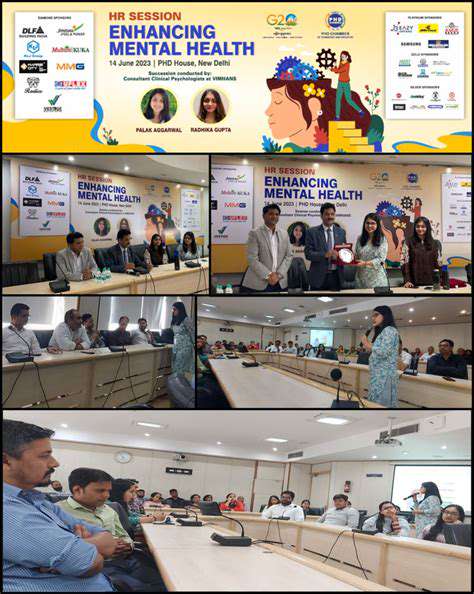
Understanding Gratitude and Its Impact on Mental Health
Recent studies show that Practicing Gratitude Consistently can lead to enhanced mental well-being. Research from the University of California found that individuals who regularly engaged in gratitude exercises reported better life satisfaction and lower levels of anxiety and depression.
Understanding the psychological benefits of gratitude is essential for its application in everyday life. When we acknowledge and appreciate what we have, it helps shift our focus away from negative feelings. This psychological shift contributes to improved mental states, fostering a positive outlook that can significantly enhance family dynamics.
Setting Up a Gratitude Jar
Creating a gratitude jar is a simple yet powerful activity for families. Begin by selecting a jar and decorating it together, which adds an element of creativity to the project. Encourage every family member to contribute a note of gratitude at least once a week, which makes the process engaging for everyone.
- Choose a suitable jar and decorate it together.
- Set aside a specific time each week for writing notes.
- Encourage open discussions about the gratitude expressed.
This activity can become a cherished family ritual, promoting a sense of togetherness and ensuring everyone has a voice.
The Role of Family Involvement
Involving the entire family in gratitude practices fosters collaboration and mutual respect. When children see their parents practicing gratitude, they are more likely to adopt those behaviors. Studies indicate that children who engage in gratitude exercises have better social skills and emotional regulation, contributing to a healthier family environment.
The collective experience of gratitude can strengthen family bonds. By sharing grateful experiences, families can create an atmosphere of support and love, essential for mental health improvement.
Tracking Changes in Mental Health
It's important to monitor the effects of implementing a gratitude jar on family members' mental health over time. Consider scheduling monthly check-ins to discuss how everyone feels regarding their gratitude practice. This can be an enlightening experience, as it allows families to reflect on their emotional growth and adjust the activity as needed.
Research from the Greater Good Science Center indicates that this reflective practice can lead to a sustained increase in happiness levels. By keeping a log of these feelings, families can see firsthand the positive trends associated with their gratitude work.
Challenges and Solutions
While a gratitude jar is a beneficial tool, it can have its ups and downs. Some family members may initially resist the idea or find it somewhat challenging to express what they are grateful for. It’s crucial to foster an open environment where participants feel safe sharing their thoughts.
To address these challenges, suggest prompts or themes for gratitude notes, such as something nice someone did for you this week. This helps alleviate pressure and encourages deeper reflection about daily experiences.
Long-term Benefits of Gratitude Practices
The cumulative effect of regularly using a gratitude jar can yield Long-Lasting Benefits for families. Studies reveal that individuals who consistently practice gratitude report greater resilience and improved overall mental health, which can combat stress and anxiety in the long run.
Additionally, families engaged in gratitude practices often develop healthier communication skills and increased emotional intelligence. This is pivotal not only for individual health but for collective family well-being. Fostering these habits can translate into a more supportive and loving home environment.
Strengthening Family Connections
Fostering Open Communication
Encouraging regular discussions in the family can greatly enhance relationships. Setting aside time each week for family meetings can create an open environment where everyone feels comfortable sharing their thoughts and feelings. This practice helps in identifying potential issues early on, fostering a culture of trust and transparency that is beneficial for emotional health.
Research from the Journal of Family Psychology indicates that families who communicate effectively are better at resolving conflicts. They report higher satisfaction levels, both individually and collectively. Implementing strategies such as active listening and open-ended questions can facilitate this process, making it easier for family members to express themselves authentically.
Creating Shared Traditions
Establishing traditions within the family can lead to a deeper sense of belonging and security. These could range from annual vacations to simple weekly game nights. According to a study conducted by the Family Strengths Research Project, families that engage in regular rituals report a stronger sense of unity and belonging, which can significantly combat feelings of isolation.
Traditions not only offer fun and relaxation but also create a shared history that strengthens familial bonds. Consider involving all members in the decision-making process for new traditions, as this increases the likelihood of participation and enjoyment. It’s all about finding those moments that bring everyone together, laying the groundwork for lifelong memories.
Cultivating a Positive Home Environment

Benefits of a Gratitude Jar in Family Dynamics
The concept of a gratitude jar is not just a creative activity; it serves a profound psychological purpose. By incorporating this practice into daily family life, families can enhance communication and foster emotional connection. Research indicates that expressing gratitude can lead to Improved mental well-being, which is vital for a healthy family environment. Over time, seeing the jar fill up can serve as a visual reminder of positive experiences and moments, bolstering optimism and resilience among family members.
Involving all family members in this activity ensures that everyone feels included and valued. Regularly writing down what they appreciate can empower each individual to recognize and celebrate the positive aspects of their lives. This collective acknowledgment of gratitude can dramatically shift family dynamics, leading to a more supportive and loving household atmosphere.
Creating and Maintaining a Gratitude Jar Practice
- Choose a designated jar and decorate it as a family.
- Decide on a routine for writing and reading notes, such as once a week.
- Encourage creativity in how gratitude is expressed, whether through drawings or simple notes.
To establish a regular practice, designate a specific time each week when family members come together to contribute to the gratitude jar. This could be during a Sunday dinner or a cozy weekend evening. The key is to create a space where everyone feels comfortable sharing their thoughts. Consistency will help reinforce this positive habit within your family. By establishing a routine, you'll find that gratitude becomes a natural part of your family culture.
Moreover, remember to revisit the notes regularly. You might choose to read them aloud during family gatherings or at moments when the family feels stressed. This can provide a sense of grounding and a reminder of the positive moments, helping to combat negativity and reinforce bonds. The practice not only nurtures gratitude but Strengthens family ties, making it a win-win for everyone involved.
Creating a Ritual Around Your Gratitude Jar
Setting Intentions for Your Gratitude Jar
Start by defining what gratitude means for you and your family. Take time to discuss it together and set clear intentions about how you want to use the jar. For instance, will it be a daily practice or a weekly reflection? Setting a specific timeframe can enhance the commitment, encouraging regular participation. This strategy often works best when everyone understands the purpose behind the ritual, fostering a shared vision.
Research suggests that sharing intentions among family members can lead to increased feelings of connection and trust. A study published in the Journal of Family Psychology indicates that families who engage in regular gratitude practices report higher levels of satisfaction and cohesion. This data supports the importance of intentionality in creating a ritual around your Gratitude Jar.
Choosing the Right Materials
Selecting the right jar and writing materials can significantly enhance the ritual experience. Opt for a jar that reflects your family's personality—this can be a simple glass jar or something more decorative. Use colorful paper and pens to make writing feel special, encouraging creative expression. The physical aspects of the gratitude jar can set a tone of excitement and engagement, making it more appealing to all family members.
Consider incorporating a family photo or a meaningful memento inside the jar. Adding these extra elements can remind everyone of the reasons they are grateful. According to psychological research, such personalized touches can strengthen involvement and commitment to the practice, making the gratitude ritual more impactful.
Establishing a Regular Schedule
Creating a consistent schedule for your gratitude jar ritual can reinforce its significance. Choose a specific day and time each week to reflect on and add new notes. This may align with family gatherings, such as Friday dinners or Sunday mornings. Consistency breeds habit, making it easier for everyone to participate regularly without much prompting.
Data from behavioral science indicates that habits are more likely to stick when they are tied to existing routines. If your family has a weekly movie night or game night, consider integrating the gratitude jar ritual into that time. This approach fosters a sense of responsibility and anticipation around expressing gratitude, ultimately enhancing the experience.
Reflecting on Past Entries
Devote time during your gratitude ritual to revisit the entries already placed in the jar. Reflection can deepen the meaningfulness of the gratitude practice. Discuss how individual entries have impacted each family member's life or contributed to personal happiness. This dialogue not only reinforces gratitude but also encourages Open Communication among family members.
Psychological studies show that reflective practices can significantly boost mental well-being. By revisiting past entries, families can also track their emotional growth and changes in perspective over time. Encourage family members to articulate how their feelings have evolved, leading to richer discussions about gratitude and its role in their lives.
Read more about How a Gratitude Jar Can Improve Your Family’s Health







Hot Recommendations
-
*Best Supplements for Joint Health [2025 Review]
-
*Understanding Dialectical Behavior Therapy (DBT)
-
*Best Exercises for Seniors with Balance Issues
-
*Best Foam Rolling Techniques for Recovery and Flexibility
-
*Best Mindfulness Exercises for Kids
-
*Health Tips for Parents of Toddlers
-
*Guide to Practicing Environmental Mindfulness
-
*Guide to Managing Gout Through Diet
-
*Best Habits for Financial Well being
-
*How to Build a Routine for Better Mental Health