Healthy Lunch Prep for Weight Loss Success
Catalog
- Meal prep offers control over nutritional intake for effective weight loss.
- Planning meals reduces unhealthy food choices and enhances dietary satisfaction.
- Effective storage techniques maintain freshness and safety of prepped meals.
- Overcoming meal prep monotony involves rotating recipes and trying new ingredients.
- Portion control is crucial for achieving weight loss goals.
- Utilizing meal planning apps can streamline recipe organization and grocery lists.
- Variety in meals enhances nutrient intake and prevents boredom.
- Correct food storage extends meal longevity and quality.
- Stay motivated by understanding and overcoming setbacks during weight loss.
- Setting SMART goals helps maintain motivation and long-term success.
- Building a support system enhances accountability in weight loss journeys.
- Regular meal prepping contributes to healthier eating habits and weight loss success.
- Investing in high-quality storage containers pays off in meal prep efficiency.
- Sample recipes showcase nutrition-packed lunch options for meal preparation.
Why Healthy Lunch Prep is Essential for Weight Loss

Understanding the Nutritional Benefits of Meal Prep
One of the primary advantages of healthy lunch prep is gaining control over your Nutritional intake. When you prepare your meals in advance, you can ensure that every component is nutrient-dense and aligned with your weight loss goals. This mindfulness can significantly aid in maintaining a balanced diet.
Studies indicate that meal prepping promotes healthier food choices, as individuals who plan meals are less likely to opt for unhealthy, convenience-based options. According to a survey published in the Journal of Nutrition, meal preparers typically consume 25% more vegetables compared to their non-prepping counterparts.
- Control over ingredients and portion sizes
- Enhanced nutritional balance in everyday meals
- Reduced likelihood of unhealthy snacking
By incorporating a variety of fruits, vegetables, lean proteins, and whole grains into your lunch prep, you can create meals that not only fuel your body but also help you shed pounds effectively. Additionally, this practice can build a consistent routine, fostering healthier eating habits overall.
Strategies for Effective Meal Preparation
Effective meal prep hinges on planning and organization. Begin by mapping out a weekly menu that incorporates diverse ingredients. It’s essential to consider batch cooking; prepare larger portions that can be divided into meals throughout the week. This approach not only saves time but also keeps you from stress eating.
Another crucial strategy involves using appropriate storage containers. Invest in high-quality, BPA-free containers that are both microwave- and freezer-safe. With these tools at your disposal, you can efficiently store your prepped meals and maintain their freshness longer.
Incorporate some creativity into your meal prep by trying various cuisines and recipes. This not only makes eating enjoyable but also ensures that you’re getting a wide array of nutrients. Research from the International Journal of Behavioral Nutrition and Physical Activity highlights that variety in meals can enhance overall satisfaction and adherence to healthy eating patterns.
Overcoming Challenges in Meal Prep for Weight Loss
While meal prepping is beneficial, it’s not without challenges. One common hurdle is the potential for monotony in your meals. To combat this, regularly rotate recipes and try new ingredients. A study in the American Journal of Preventive Medicine noted that boredom can lead to cravings and unhealthy choices, which could sabotage your weight loss efforts.
Another obstacle is the time investment that meal prep may require. To simplify this, dedicate a specific day of the week to preparation. Many individuals find that Sundays work best, allowing meals to be ready for lunch throughout the busy workweek.
Lastly, stay mindful of portion sizes when preparing meals. It’s easy to underestimate the calories in a well-packed container. Using a kitchen scale or measuring cups can help you create appropriately sized portions that align with your dietary goals. Transparent measurement practices play a significant role in achieving long-term weight loss success.
Essential Tips for Successful Meal Prep
Planning Your Meals Effectively
Effective meal prep starts with careful planning. Take some time each week to map out your meals, focusing on nutritional balance. Consider incorporating a variety of proteins, vegetables, and whole grains. This strategy not only makes your meals satisfying but also keeps your diet diversified, ensuring you receive all necessary nutrients for optimal health.
To streamline this process, use digital tools like Meal Planning apps or spreadsheets. These tools can help you organize your grocery list and manage your recipes efficiently. According to a study published in the International Journal of Behavioral Nutrition and Physical Activity, individuals who engage in meal planning are more successful in achieving their dietary goals compared to those who do not plan. So take the time to structure your meals—your future self will thank you!
Proper Food Storage Techniques
Once you’ve prepared your meals, how you store them can significantly impact their freshness and safety. Utilize glass containers, which are not only microwave-safe but also reduce plastic waste. Make sure to label your meals with dates to track freshness easily. Most meal-prepped dishes can last in the refrigerator for about 3-4 days, while others can be frozen for longer periods without losing quality.
After prepping, consider meal portioning. Dividing your recipes into single-serving sizes can make reheating easier and helps in avoiding overeating. The USDA recommends keeping cold foods below 40°F and hot foods above 140°F to prevent bacterial growth. By following these storage guidelines, you can maintain food quality and enhance your meal prep experience significantly.
Sample Recipes for Healthy Lunch Prep

1. Mediterranean Quinoa Salad
Quinoa is a highly nutritious, gluten-free grain packed with protein, making it perfect for a healthy lunch option. A Mediterranean Quinoa Salad combines quinoa with fresh vegetables like tomatoes, cucumbers, and olives, providing a diverse range of nutrients. This salad not only supports weight loss but also adds vital vitamins and minerals to your diet.
To prepare, start by cooking 1 cup of quinoa according to package instructions. Once fluffy, mix it with chopped veggies, a handful of parsley, and a dressing of olive oil, lemon juice, salt, and pepper. Not only is this recipe simple and quick, but it's also customizable; you can add chickpeas or feta cheese for extra flavor and protein.
2. Grilled Chicken Burrito Bowls
- Substitute rice with brown rice or cauliflower rice for a lower-calorie option.
- Include a variety of beans, such as black beans or pinto beans, to increase fiber intake.
- Add avocado or guacamole for healthy fats, improving heart health and satiety.
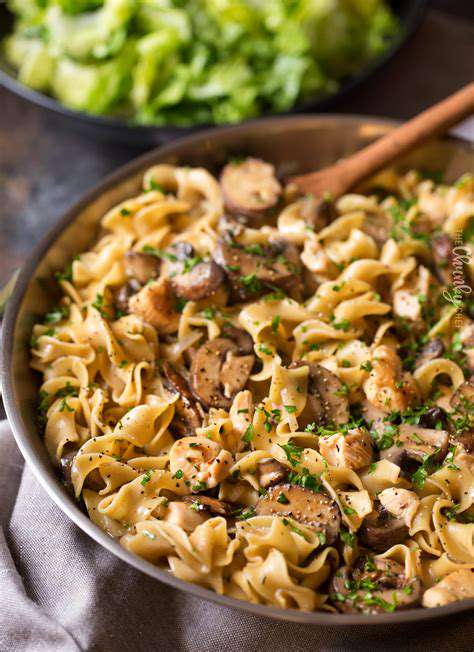
Grilled Chicken Burrito Bowls present an excellent option for meal prep, as they are full of flavor and nutrition. The key ingredients include grilled chicken, black beans, corn, diced tomatoes, and brown rice. Brown rice is a better alternative to white rice due to its higher fiber content, which can aid in digestion and weight management.
To assemble your burrito bowl, layer your ingredients in a large container, starting with the rice, then adding the protein and vegetables. These bowls can easily be reheated for a week of delicious lunches and can be tweaked to accommodate your taste, ensuring you don’t get bored with your meals.
3. Spinach and Feta Stuffed Peppers
Stuffed peppers are a versatile and hearty dish that can be made healthier by filling them with nutrient-rich ingredients. For this recipe, use bell peppers filled with a mixture of spinach, feta cheese, and quinoa. This dish is visually appealing and packed with essential nutrients that promote weight loss.
To prepare, roast bell peppers in the oven until tender, then fill them with a combination of cooked quinoa, wilted spinach, and crumbled feta. Bake for an additional 15 minutes to allow the flavors to meld. This not only makes for an attractive presentation at lunchtime but it is also an excellent source of vitamins A and C, as well as fiber.
4. Chickpea and Avocado Salad
This protein-packed salad combines the goodness of chickpeas with the creamy texture of avocado, making it both satisfying and nourishing. Toss in your favorite veggies, such as cherry tomatoes and cucumbers, and dress with lime juice and olive oil. Chickpeas are a rich source of protein and fiber, contributing to feelings of fullness and weight control.
Preparation is straightforward; mash ripe avocados and mix with drained chickpeas and diced vegetables in a bowl. This salad is perfect for lunch and can be eaten on its own or as a filling for a whole grain wrap. You can also add spices like cumin or paprika for an extra kick, fostering a delightful flavor while keeping your meals exciting.
Staying Motivated During Your Weight Loss Journey
Understanding Setbacks and Overcoming Them
During a weight loss journey, Setbacks are common. Research shows that nearly 80% of people experience some type of failure when trying to achieve weight-related goals. The key is to view setbacks as learning opportunities rather than roadblocks. By analyzing what led to a lapse, one can develop strategies to avoid similar situations in the future, ultimately strengthening resolve.
When setbacks occur, consider keeping a journal to document your experiences and feelings. This practice can help you identify trigger foods or emotional states that lead to unhealthy choices. Furthermore, sharing your thoughts with a supportive friend can provide perspective, making it easier to bounce back. Remember, every slip-up doesn’t erase your progress—consistency is what leads to lasting change.
Setting Realistic Goals for Long-Term Success
Setting achievable, specific goals is crucial for staying motivated. Research indicates that individuals who set SMART goals—Specific, Measurable, Achievable, Relevant, Time-bound—are more likely to stay on track. For example, instead of aiming to lose 20 pounds in a month, a better approach might be to aim for a moderate loss of 1-2 pounds per week. This steady progress helps maintain motivation and encourages sustainable habits.
Additionally, breaking larger objectives into smaller milestones can also enhance motivation. For instance, celebrating a single month of healthy meal behavior or completing a week’s worth of workouts can provide a sense of accomplishment that fuels further commitment. Recognize that the journey to weight loss is a marathon, not a sprint. This mindset will help in maintaining focus and drive throughout.
Creating a Support System
Having a strong support network can significantly impact your motivation levels. According to various studies, individuals who engage with friends, family, or online communities to share their weight loss journey tend to maintain healthier lifestyles longer. Consider forming a small group with others who are also pursuing weight loss goals; such camaraderie can provide accountability and encouragement on tough days.
Don’t underestimate the power of social media in this regard. Platforms like Instagram and Facebook have numerous groups dedicated to health and weight loss, where you can gain advice, share experiences, and celebrate successes. Engaging actively in these communities helps build a sense of belonging and reinforces your commitment to your goals.
Incorporating Healthy Meal Prepping Habits
Meal prepping is a highly effective strategy for maintaining a healthy diet while pursuing weight loss. According to a study published in the Journal of Nutrition, individuals who regularly prepare meals in advance tend to have better dietary habits and greater weight loss success. Focus on incorporating a variety of nutrients in your meal prep, ensuring you have an assortment of proteins, vegetables, and whole grains to choose from throughout the week.
One practical tip is to dedicate a specific day each week for meal prep. Spend a few hours cooking and portioning meals into containers. This organized approach minimizes the temptation to resort to unhealthy foods during busy weekdays. Additionally, having pre-prepared meals available can take the guesswork out of what to eat, saving both time and mental energy, which is often drained during the day.
Read more about Healthy Lunch Prep for Weight Loss Success





Hot Recommendations
-
*Health Tips for Teens Maintaining Mental Health
-
*Guide to Sustainable Living Practices You Can Start Today
-
*Guide to Incorporating Mindfulness Into Your Day
-
*How to Meal Prep for a Busy Travel Schedule
-
*Guide to Understanding Processed Foods and Their Risks
-
*Best Habits for Environmental Health
-
*How to Build a Consistent Morning Routine
-
*Running Tips for Your First Marathon Training
-
*How to Build a Habit of Learning Something New Daily
-
*Best Exercises for Cyclists to Build Strength