Superfoods for Weight Loss: Fact vs. Fiction
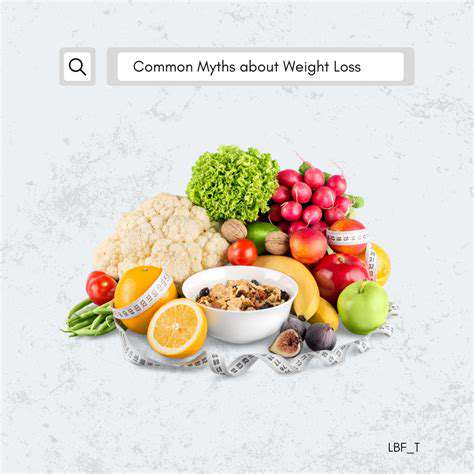
Understanding Superfoods: Definitions and Examples
Superfoods are often marketed as miracle foods capable of significant health benefits. These are typically natural foods rich in nutrients, antioxidants, and phytochemicals, which can aid in weight loss and overall health. Examples of popular superfoods include quinoa, kale, and blueberries, each packed with essential vitamins and minerals. Their reputation is largely due to their high nutrient density compared to regular foods.
While these foods provide health benefits, it's essential to remember that they are not a magic solution for weight loss. Incorporating superfoods like chia seeds or avocados into a balanced diet can improve nutrient intake but not guarantee weight loss on their own.
The Role of Antioxidants in Weight Loss
Antioxidants are compounds found in many superfoods that help combat oxidative stress in the body. Consuming foods high in antioxidants can improve metabolic processes, which are critical for effective weight management. Research shows that a diet rich in antioxidants, such as vitamins C and E, can mitigate inflammation and, consequently, aid in weight loss efforts.
Studies suggest that diets rich in colorful fruits and vegetables improve weight loss outcomes by enhancing the body's fat-burning mechanisms. For instance, fruits like berries and veggies such as spinach are excellent sources of antioxidants and can easily be included in daily meals. Incorporating these into regular meals can indeed support weight loss in a sustainable way.
However, relying solely on antioxidants from superfoods without considering overall diet and lifestyle changes could lead to misinformed expectations. It’s essential to prioritize a holistic approach for long-term weight management.
Myth: Superfoods Alone Can Lead to Weight Loss
- Superfoods should complement a balanced diet, not replace it.
- All weight loss requires caloric deficit through diet and exercise.
- Moderation is key even with superfoods.
- Personalized nutrition plans yield better results.
One prevalent myth is that simply consuming superfoods will lead to weight loss without making any other dietary changes. This misconception can lead to disappointment when individuals fail to see the desired results. Weight loss fundamentally requires a caloric deficit, meaning one must consume fewer calories than what the body burns. Superfoods can assist in achieving that goal but should not replace the main principles of nutrition.
Moreover, incorporating superfoods like spirulina or green tea can enhance a weight loss plan. Yet, it is important to balance these foods within a broader diet that promotes healthy eating habits. Making choices that emphasize whole, minimally processed foods is usually the best strategy for weight loss.
Superfoods vs. Processed Foods: The Nutritional Spectrum
Superfoods stand in stark contrast to processed foods, which often contain empty calories with little to no nutritional benefit. Research shows that diets high in processed foods contribute to weight gain and health issues; thus, swapping these for nutrient-dense superfoods can be a strategic way to overhaul dietary habits.
For instance, replacing sugary snacks with nuts or seeds can significantly lower caloric intake while adding essential nutrients. This shift not only helps with weight control but also provides vital energy and health benefits that processed options lack. Superfoods can fulfill cravings without compromising on nutrition.
Real-World Applications: Integrating Superfoods
Integrating superfoods into your daily meals can be straightforward and enjoyable. Start your day with a smoothie that includes spinach, a tablespoon of chia seeds, and berries for breakfast. This combo provides a nutritious kick that can keep you full throughout the morning. Gradually incorporating superfoods in creative recipes can make them part of your life instead of feeling like a chore.
Participating in seasonal cooking is another way to enjoy superfoods. Using local and in-season produce not only enhances flavor but also ensures that you’re receiving the maximum nutritional benefit. Organizing weekly meal plans to include a variety of superfoods can make a significant difference in maintaining a balanced diet.
Consulting Professionals for Tailored Guidance
Taking advantage of professional guidance can lead to better dietary decisions when it comes to weight loss. Nutritionists can provide customized meal plans that incorporate superfoods tailored to individual needs and preferences. A personalized plan recognizes that everyone's body is different, and what works for one person may not work for another.
Some professionals might suggest specific superfoods that are most beneficial based on your health goals, lifestyle, or even the environment you live in. They can also help debunk myths and provide evidence-based information on the efficient use of superfoods for weight management. Consulting with a registered dietitian or a nutritionist can also identify food intolerances and preferences that need to be considered during meal planning.
Top Superfoods That May Aid Weight Loss

Understanding Superfoods and Weight Loss
Superfoods are often marketed as the ultimate weight-loss solution, but it's crucial to define what constitutes a superfood. Generally, these foods are dense in nutrients, offering vitamins, minerals, and antioxidants without adding excessive calories to the diet. However, it's important to remember that no single food can provide a magical fix for weight loss.
The effectiveness of superfoods in promoting weight loss largely depends on overall dietary patterns and lifestyle choices. By combining superfoods with a balanced diet, regular physical activity, and mindful eating practices, individuals can enhance their weight loss results.
The Role of Fiber-Rich Foods
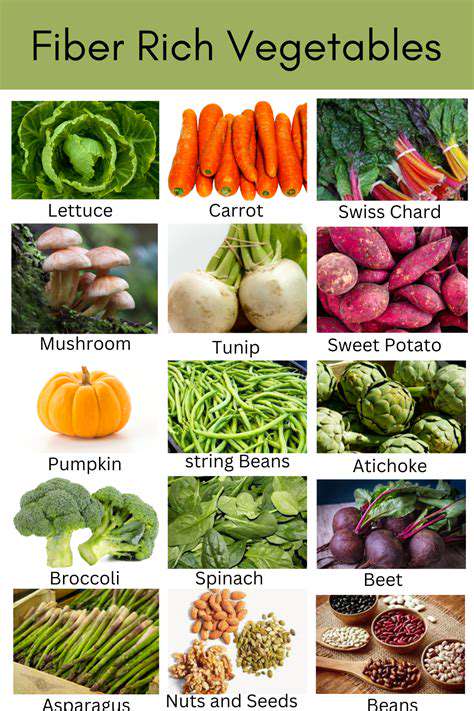
Fiber-rich superfoods, such as chia seeds and lentils, play a significant role in weight loss by promoting feelings of fullness and reducing overall calorie intake. Studies indicate that diets high in fiber may lead to lower fat accumulation and improved digestive health. Incorporating these foods into your daily meals can help control hunger and maintain steady energy levels.
Additionally, fiber slows digestion, leading to a longer feeling of satiety, which can prevent overeating throughout the day. Adding fiber-rich foods to smoothies, salads, or soups is an easy way to boost your nutrition.
Incorporating Antioxidant-Rich Options
- Antioxidants can combat oxidative stress.
- They support overall health while aiding weight loss.
- Fruits like blueberries and vegetables like kale are excellent sources.
Foods rich in antioxidants may indirectly support weight loss by enhancing metabolic efficiency and reducing inflammation. For instance, blueberries and leafy greens are often cited as top superfoods due to their potent antioxidant content.
Including a variety of colorful fruits and vegetables in your meals can boost nutrient intake while promoting weight loss standards. Consider blending berries into your breakfast smoothie or adding spinach to your salads for an easy nutrient boost.
The Impact of Healthy Fats
Healthy fats, found in foods such as avocados and nuts, are often misunderstood in weight-loss diets. Contrary to popular belief, incorporating these fats can actually help with weight management. They support satiety and are crucial for nutrient absorption.
Research suggests that diets inclusive of healthy fats may lead to better weight-loss outcomes, especially when combined with other superfoods. Finding balance is key; moderate portions of healthy fats can enhance flavor and satisfaction in meals without leading to excessive calorie intake.
The Importance of Protein Sources
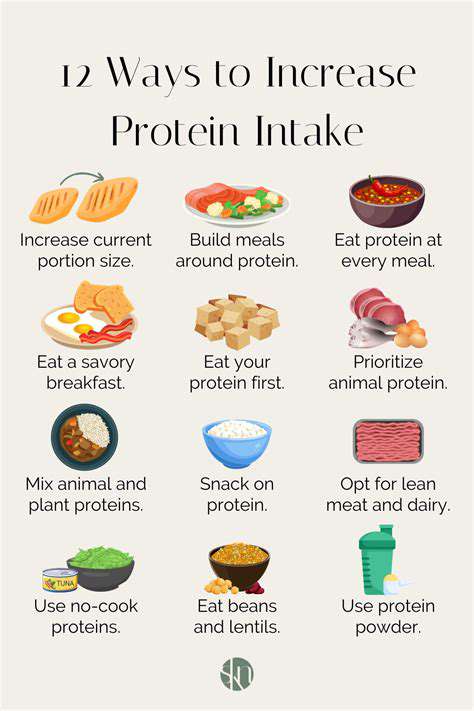
Proteins are essential for weight loss as they help build and repair tissues while promoting muscle growth. Foods like quinoa, legumes, and Greek yogurt serve as excellent sources of protein. Including these superfoods in your diet can help maintain muscle mass during weight loss.
Moreover, higher protein intake can enhance metabolic rate and reduce appetite, making it easier to stick to your dietary goals. Experimenting with protein-rich snacks throughout the day can aid in maintaining energy levels and keeping hunger at bay.
Hydration and Weight Loss
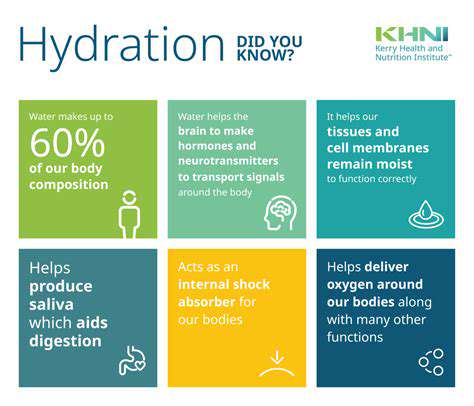
While not a superfood per se, hydration is often overlooked in weight-loss discussions. Proper hydration can enhance metabolic functions and eliminate toxins efficiently. Drinking adequate water can also prevent feelings of hunger that mistakenly arise from dehydration. Staying hydrated is a key component of any weight-loss strategy.
Incorporating water-rich superfoods, like cucumbers and watermelon, into your meals can serve a dual purpose of hydration and nutrition. Consider starting your meals with a salad filled with hydrating vegetables to help manage portion sizes.
Moderation and Balanced Diet is Key
Even the most nutritious superfoods need to be consumed in moderation for optimal results in weight loss. Overeating any food, regardless of its health benefits, can negate its positive effects. A balanced approach to eating can ensure that you're getting a range of nutrients without excess calories.
Ultimately, understanding that superfoods are part of a larger dietary pattern can help you make more informed choices. For long-term success, think in terms of lifestyle changes rather than quick fixes; incorporate a variety of foods for a holistic approach to health and weight management.
Fiction: Superfoods as a Magic Bullet
Understanding Superfoods
Superfoods are often marketed as Nutrient-Packed Powerhouses that can transform health and facilitate weight loss. These foods, which can include a variety of fruits, vegetables, nuts, and seeds, typically contain high levels of vitamins, minerals, and antioxidants. Research suggests that regularly incorporating superfoods into the diet may have beneficial effects on metabolism and overall health.
However, the term “superfood” lacks a formal scientific definition. This ambiguity can lead to misguided beliefs regarding their weight-loss efficacy. It's crucial to recognize that no single food can replace a balanced diet and a healthy lifestyle. Instead, these foods should be viewed as part of a broader nutritional strategy.
The Role of Nutrition in Weight Management
Weight loss fundamentally depends on maintaining a calorie deficit, meaning that the number of calories burned exceeds the number consumed. While superfoods may enhance nutrient intake and offer health benefits, relying solely on them for weight management is misguided. Practical and sustainable weight loss involves an overall dietary pattern that encompasses various food groups.
Incorporating a variety of nutrient-dense foods—whether labeled as superfoods or not—can support weight loss. Foods like leafy greens, lean proteins, and whole grains play significant roles in creating balanced meals that are low in calories but high in nutritional value.
Common Misconceptions about Superfoods
Many consumers believe that superfoods can lead to rapid weight loss without any lifestyle changes. This notion is misleading and potentially harmful, as it can prompt individuals to overlook the importance of traditional diet and exercise. In truth, superfoods should be viewed as a supplement to, rather than a replacement for, a comprehensive approach to wellness.
A notable misconception is that superfoods possess unique fat-burning properties. While certain foods may promote satiety or enhance metabolic rates due to their nutrient composition, their impact is often minimal compared to the larger picture of overall diet and physical activity.
Scientific Evidence and Superfoods
Emerging research highlights specific superfoods such as berries, quinoa, and green tea, which have been linked to various health benefits. For instance, studies demonstrate that the antioxidants in berries may reduce inflammation, which is associated with obesity. Similarly, green tea has been shown to support metabolism and improve fat oxidation.
However, these benefits can be achieved through a variety of dietary approaches, emphasizing the need to rely on a range of foods rather than fixating on a few so-called superfoods. The challenge lies in communicating effective and realistic dietary strategies that improve health and facilitate weight loss over time.
Integrating Superfoods into a Balanced Diet
To effectively utilize superfoods for weight loss, consider them as part of a diverse array of foods consumed regularly. For example, integrating nutrient-dense dark leafy greens into meals can enhance nutrient intake while also providing lower calories. Aim to create meals that incorporate multiple food groups to maximize the nutritional profile.
Personalizing your approach by experimenting with different superfoods can enhance enjoyment and adherence to a healthy eating plan. It’s essential to listen to your body and find what works best for you, keeping in mind that consistency and variety are the cornerstones of successful weight management.
Final Thoughts: Balance and Moderation Are Key

Understanding the Role of Superfoods in Weight Loss
Superfoods are often hailed as miracle solutions for weight loss, but the truth is more nuanced. While these foods, like blueberries and kale, offer substantial health benefits, they are not a magic bullet. It's essential to recognize that Weight loss involves a holistic approach, incorporating a balanced diet and regular physical activity rather than relying solely on specific foods.
Research suggests that incorporating superfoods into a diverse diet can boost your overall nutrient intake. Foods rich in antioxidants, for instance, can help combat inflammation and improve metabolic health. However, it's crucial to remember that no single food will make a significant difference in weight loss without the support of other lifestyle changes.
- Balance in diet is critical for sustainable weight loss.
- Superfoods can complement healthy eating habits.
- Physical activity contributes significantly to weight management.
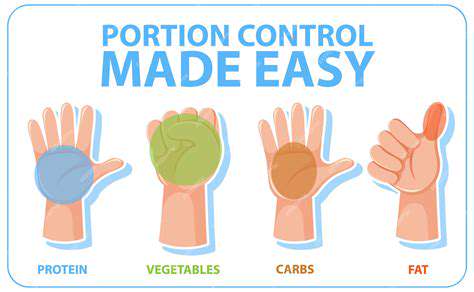
- Ignoring portion control can negate the benefits of superfoods.
Strategies for Incorporating Superfoods Effectively
Incorporating superfoods into your diet does not mean overhauling your entire eating pattern overnight. Start small – add a serving of green leafy vegetables to your meals a few times a week. This gradual integration can help you see how your body reacts to these foods without overwhelming yourself. It's also advisable to experiment with different recipes to keep meals exciting and enjoyable.
Moreover, paying attention to the source of your superfoods is vital; organic or locally sourced options often retain more nutrients than processed versions. Additionally, combining superfoods with protein-rich foods can enhance satiety, helping you eat less overall.
The goal is to create a sustainable pattern that includes a variety of nutrient-dense foods. For instance, consider mixing chia seeds into smoothies or oatmeal for a nutritional boost while also benefiting from their fiber content, which can aid in weight loss.
Maintaining Balance: The Importance of Moderation
While superfoods can provide exceptional health benefits, moderation should always remain a guiding principle. Overconsumption of even the healthiest foods can lead to unintended consequences, such as excess calorie intake. It’s important to strive for a balanced intake that considers your total daily nutrient needs.
Experts often warn against any extremes in dieting. A well-rounded diet that includes a variety of food groups tends to be more effective for long-term weight management than one that focuses too heavily on superfoods. Instead of fixating on a handful of trendy superfoods, Consider a colorful plate rich in various nutrient sources, which will ultimately support better health and manageable weight loss.
Ultimately, adopting a mindset of moderation and variety extends beyond diet; it applies to physical activity and overall lifestyle choices. Regular movement and mental wellness practices are equally as important as what you eat.
Read more about Superfoods for Weight Loss: Fact vs. Fiction



![How to Read Nutrition Labels Correctly [Expert Tips]](/static/images/26/2025-06/MakingInformedChoices3ATakingControlofYourDiet.jpg)

![How to Make Healthy Eating a Habit [Tips & Tricks]](/static/images/26/2025-07/SustainingYourMomentum3ALong-TermStrategies.jpg)
Hot Recommendations
-
*How to Create a Healthy Social Life
-
*Best Nutrition for Children with Allergies (Identifying & Substituting)
-
*Best Supplements for Joint Health [2025 Review]
-
*Understanding Dialectical Behavior Therapy (DBT)
-
*Best Exercises for Seniors with Balance Issues
-
*Best Foam Rolling Techniques for Recovery and Flexibility
-
*Best Mindfulness Exercises for Kids
-
*Health Tips for Parents of Toddlers
-
*Guide to Practicing Environmental Mindfulness
-
*Guide to Managing Gout Through Diet