Biomechanics
Psychological Factors
Stretching
Strengthening Exercises
Athletes
Rehabilitation
Athletic Training
Recovery Modalities
Athletic Performance
Injury Prevention

Lower Back Pain in Athletes: Specific Relief Strategies

Outline

  • Biomechanical factors contribute to athletes' lower back pain significantly.

  • Improper form exacerbates muscle imbalances and lumbar strain.

  • Core strength is essential for lower back injury prevention.

  • Overtraining without recovery can lead to cumulative fatigue and injuries.

  • Structured recovery routines reduce incidences of back pain.

  • Psychological factors can heighten pain perception in athletes.

  • Targeted stretching enhances flexibility and reduces lower back tension.

  • Core strengthening exercises alleviate lower back pain effectively.

  • Physical therapy employs various techniques for lower back pain relief.

  • Proprioceptive training improves body awareness, reducing lower back pain.

  • Heat and cold therapy aid in managing lower back pain.

  • Monitoring rehabilitation progress is vital for effective treatment.

  • Recovery strategies are crucial for preventing lower back pain.

  • Custom recovery plans enhance healing based on individual needs.

  • Proper posture is critical for optimal athletic performance and injury prevention.

  • Regular posture assessments prevent injuries and promote performance.

Understanding the Causes of Lower Back Pain in Athletes

Common Biomechanical Factors

Many athletes experience Lower Back Pain due to biomechanical factors inherent to their sport. For instance, the repetitive motions involved in running, cycling, or weightlifting can lead to muscle imbalances and excessive strain on the lumbar region. Research indicates that improper form can further exacerbate these issues, making it crucial for athletes to prioritize technique in their training routines.

In addition, factors such as Core Strength and Flexibility play a significant role in the stability of the lower back. Weak core muscles can fail to provide adequate support, leading to increased pressure on the spine during physical activity. A study published in the Journal of Athletic Training highlights that athletes with insufficient core stability are at a higher risk for lower back injuries, emphasizing the need for targeted strength training in athletic programs.

Impact of Training Load and Recovery

Training load is another critical factor that contributes to lower back pain among athletes. Overtraining without sufficient recovery can lead to cumulative fatigue, increasing the likelihood of injury. The concept of ‘periodization’ in training emphasizes balancing workload and recovery to optimize performance and minimize risk. Athletes should monitor their training intensity and volume closely to ensure they are not pushing beyond their physical capabilities.

Moreover, recent studies suggest that athletes who adhere to a structured recovery routine experience fewer incidents of back pain. Practices such as rest days, adequate hydration, and techniques like foam rolling or physical therapy can significantly improve recovery times and protect against injuries. Developing a personalized recovery plan could be beneficial in promoting overall musculoskeletal health.

Psychological Factors and Pain Perception

The mental aspect of pain perception in athletes cannot be overlooked. Psychological stress, anxiety, and fear of reinjury can amplify the experience of lower back discomfort. A study from the Sports Medicine journal found that athletes with heightened psychological stress reported increased pain levels and longer recovery periods. Therefore, addressing the mental health of athletes is just as essential as physical training to mitigate the impact of lower back pain.

In addition, cognitive-behavioral strategies may assist in managing pain perception. Techniques such as mindfulness, visualization, and relaxation training have shown promise in helping athletes cope with pain better. Coaches and sports psychologists should consider integrating mental skills training into regular practice sessions to prepare athletes not only physically but mentally for competition.

Targeted Stretching and Strengthening Exercises

Understanding the Role of Targeted Stretching

Targeted Stretching specifically focuses on the muscles surrounding the lower back. These stretches can improve flexibility, alleviate tension, and promote blood flow to the affected areas. Research indicates that athletes who engage in regular stretching routines experience fewer instances of lower back pain. Stretching enhances muscle elasticity, potentially reducing the risk of injury during athletic activities. Incorporating exercises like the Child’s Pose or the Cat-Cow stretch into your daily routine can significantly benefit lower back health.

Moreover, stretches that specifically target the hamstrings and hip flexors help relieve pressure on the lower back. Tight hamstrings can pull the pelvis and lead to increased strain in the lower back. Studies have shown that stretching these areas can lead to noticeable improvements in posture and lower back alignment, contributing to overall spinal health for athletes. Consistent practice can make a substantial difference in the performance and well-being of athletes.

Strengthening Exercises to Combat Lower Back Pain

Strengthening the core and surrounding musculature is crucial for athletes dealing with lower back pain. Exercises like planks, bridges, and Superman lifts not only enhance core stability but also support the spine effectively. A strong core stabilizes the pelvis and spine during demanding physical activities, thereby reducing the strain on the lower back. According to recent studies, integrating core strengthening into daily training regimens has shown to decrease pain levels significantly over time.

Additionally, resistance training focused on the lower back can also yield remarkable benefits. Performing exercises like deadlifts with proper technique strengthens the erector spinae muscles, making them more resilient. However, it’s essential to prioritize proper form to avoid exacerbating existing conditions. Consulting with a physical therapist or certified trainer can ensure the program complements an athlete’s specific needs and capabilities, thereby optimizing both performance and injury prevention.

Utilizing Physical Therapy Techniques

Understanding Lower Back Pain in Athletes

Lower back pain is a prevalent issue among athletes, often attributed to a combination of overuse, improper biomechanics, and insufficient conditioning. A study published in the American Journal of Sports Medicine highlights that nearly 40% of athletes experience lower back pain at some point in their careers. Identifying the root causes of this pain is essential for effective treatment and management.

Different sports may impose varying stresses on the lower back. For instance, runners often experience pain from repetitive impact, while weightlifters may suffer from muscle strain. Each sport requires tailored approaches to injury prevention and rehabilitation to maintain performance levels. Understanding these nuances is crucial for effective physical therapy intervention.

Key Physical Therapy Techniques for Relief

Physical therapy employs a variety of techniques to alleviate lower back pain. These can include manual therapy, therapeutic exercises, and modalities like ultrasound or electrical stimulation. Specific interventions, such as stretching and strengthening exercises for the core and hip muscles, have shown particular efficacy in research, notably a 2018 study in the Journal of Athletic Training that emphasizes core stability as a pivotal factor in managing lower back pain.

Another critical component of physical therapy is manual therapy, which can include techniques like joint mobilization and soft tissue manipulation. These hands-on approaches can improve mobility and reduce pain by addressing musculoskeletal issues directly. The combination of these approaches often leads to more holistic recovery, enabling athletes to return to their sport with greater resilience.

Education about proper lifting techniques and body mechanics is also a vital part of rehabilitation. Teaching athletes how to engage their core and maintain a neutral spine during activities can reduce the risk of re-injury significantly.

Exercise Rehabilitation Strategies

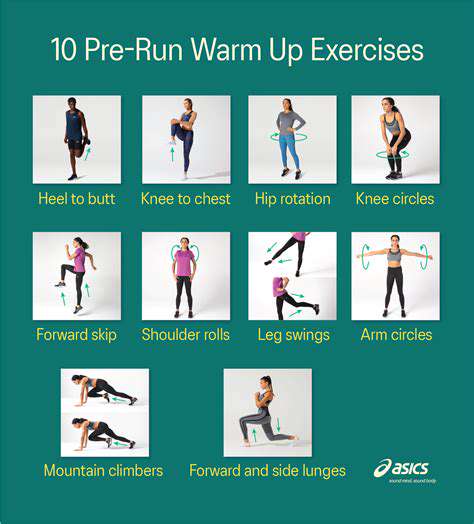
Rehabilitative exercise is a cornerstone of physical therapy for lower back pain. Incorporating targeted exercises can help replenish strength and improve flexibility. Key exercises include bridging, planks, and hip flexor stretches, which are tailored to the individual based on their specific symptoms and limitations. Research indicates that these exercises not only alleviate pain but also enhance functionality, allowing athletes to train effectively.

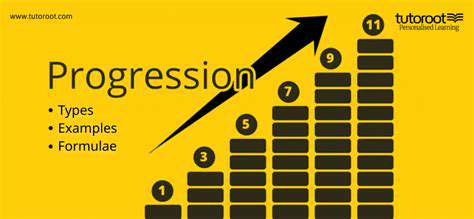
A comprehensive exercise program should be progressive, starting with less challenging movements before advancing to dynamic activities. The Physical Therapy Journal notes that a structured approach increases compliance and results in better outcomes. Athletes who actively participate in their rehabilitation report higher satisfaction and decreased anxiety about returning to sport.

Proprioceptive and Neuromuscular Training

Incorporating proprioceptive training into rehabilitation can significantly assist in reducing lower back pain by enhancing body awareness and balance. This type of training helps athletes develop a better sense of their body’s position in space, which can contribute to improved coordination and stability during athletic movements. Research published in the Journal of Sports Science and Medicine has found that such training can lead to fewer injuries and better athletic performance.

Neuromuscular training also addresses muscle patterning and can correct faulty movement mechanics that contribute to pain. Utilizing modalities like balance boards and stability balls during therapy promotes muscle engagement in ways that mimic actual sporting environments, which can be beneficial when transitioning back to competitive activities.

The Role of Heat and Cold Therapy

Heat and cold therapy can play a significant role in managing lower back pain in athletes. Cold therapy is particularly effective immediately following a strain, as it can reduce inflammation and numb acute pain. On the other hand, heat therapy is beneficial for chronic pain, enhancing blood flow and promoting muscle relaxation. Transitioning between these therapies can maximize recovery and is often included as a part of physical therapy protocols.

Continuous Monitoring and Adjustments

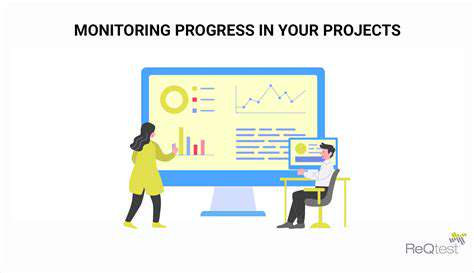
Monitoring athletes' progress throughout their rehabilitation is vital. Regular assessments help determine the effectiveness of selected therapies and can lead to necessary adjustments. This process allows physical therapists to tailor treatments based on how well an athlete responds. By resetting goals and modifying exercises, therapists ensure that recovery aligns with the athlete’s performance aims and timelines.

Incorporating feedback from athletes regarding their pain levels and function also promotes greater adherence to rehabilitation protocols. Open communication fosters a collaborative therapeutic relationship, making athletes feel more invested in their recovery process. Ultimately, individualized care plays a significant role in a successful return to athletic activities.

Incorporating Recovery Modalities

Understanding the Importance of Recovery

In athletic training, recovery plays a crucial role in optimizing performance and preventing injuries. Studies have shown that effective recovery strategies can reduce the incidence of lower back pain by allowing the body to heal and adapt following intense physical activity. Athletes must prioritize recovery as part of their training regimen rather than viewing it as an afterthought.

Incorporating recovery modalities not only facilitates physical healing but also mental clarity. Mental fatigue can impact performance as severely as physical injuries. Therefore, engaging in mindfulness and rest can significantly enhance an athlete’s focus and readiness for subsequent activities.

Types of Recovery Modalities

Recovery modalities can be broadly categorized into passive and active methods. Passive recovery includes techniques such as adequate sleep, nutrition, and hydration. On the other hand, active recovery involves low-intensity exercises that promote blood circulation and muscle relaxation, such as yoga or swimming. The blend of both approaches fosters a comprehensive recovery process that athletes often report as effective.

Popular recovery techniques now also include cryotherapy and compression therapy. Recent research suggests that cryotherapy, which exposes the body to extremely cold temperatures, can significantly reduce inflammation and pain in athletes. Additionally, compression therapy enhances blood flow, thereby supporting the healing of deep tissue injuries.

Implementing a Customized Recovery Plan

Creating a tailored recovery plan is vital for each athlete, as recovery needs can vary significantly based on individual factors such as age, fitness level, and the intensity of training. A thoughtful recovery plan should include aspects such as rest days, physical therapy sessions, or specific strength-training exercises aimed at reinforcing the lower back.

Monitoring Recovery Progress and Adjustments

Tracking recovery progress is essential to understand how effective the implemented modalities are. Implementing tools like recovery journals or apps can help athletes monitor their symptoms, fatigue levels, and overall health. This can provide insights into what’s working and what is not, allowing for timely adjustments to their recovery strategy.

Additionally, regularly consulting with sports professionals, such as physiotherapists or athletic trainers, is invaluable. They can provide personalized recommendations based on an athlete's ongoing performance and recovery needs. These adjustments can not only mitigate lower back pain but also enhance athletic longevity.

Maintaining Proper Posture and Ergonomics

Understanding the Importance of Posture in Athletic Performance

Posture plays a critical role in athletic performance, influencing everything from balance to power generation. Proper alignment reduces the strain on muscles and ligaments, allowing athletes to perform at their peak. A study published in the International Journal of Sports Physical Therapy highlights that athletes with optimal posture exhibit better agility and strength compared to those with postural deviations. Addressing posture can lead to improved performance metrics across various sports domains.

Furthermore, improper posture can cause compensatory movement patterns, leading to inefficiencies and increased injury risk. This underscores the importance of posture not just as an aesthetic concern, but as a fundamental aspect of athletic training and health maintenance.

Ergonomic Principles for Training and Recovery

Incorporating ergonomic principles into training and recovery routines can significantly enhance an athlete’s ability to perform while minimizing the risk of lower back pain. Maintaining a neutral spine during exercises is vital; for instance, deadlifts and squats should be performed with the curvature of the spine kept intact. Research from the Journal of Strength and Conditioning Research indicates that athletes who prioritize ergonomics during training report a lower incidence of lower back injuries.

Moreover, appropriate equipment—such as supportive footwear and adjustable training stations—can drastically affect posture and comfort. Athletes should invest in personalized assessments with ergonometric specialists to tailor their training environments for optimal safety and efficiency.

The Role of Core Stability in Posture

Core stability is essential for maintaining proper posture during athletic activities. A strong core supports the spine and pelvis, significantly reducing the risk of lower back pain. Studies, including one from the British Journal of Sports Medicine, demonstrate that athletes with improved core stability exhibit enhanced postural control in dynamic environments. Engaging in core-strengthening exercises, such as planks and bridges, can fortify these muscle groups, supporting overall athletic performance.

Interestingly, the link between core strength and posture is not just limited to strength sports; it's also crucial for endurance athletes, who need a stable base for efficient locomotion. Implementing a consistent core conditioning program can thus benefit athletes across various disciplines.

Creating a Posture-Friendly Environment

An athlete's environment plays a considerable role in maintaining proper posture. From the training facilities to daily living spaces, ergonomic arrangements can facilitate better posture habits. For example, adjustable chairs and desks can significantly reduce the strain when athletes are sitting for extended periods, allowing them to maintain a more natural spinal position while they rest between training sessions. Research from the American Journal of Sports Medicine emphasizes that a posture-friendly environment contributes toward acute recovery and long-term athletic longevity.

Regular Assessment and Adjustment of Posture

Regular assessments from physical therapists or athletic trainers can identify postural issues early, allowing athletes to make necessary corrections before injuries occur. Techniques like video analysis of movements can provide visual feedback for athletes, enhancing their understanding on how to maintain proper alignment during performance. Engaging in periodic assessments can help in tracking progress and adjusting training regimens accordingly to reinforce good habits.

In conclusion, integrating proper posture maintenance and ergonomic considerations into an athlete’s routine is crucial for preventing lower back pain and enhancing overall performance. The collaboration between athletes and professional trainers in this area not only facilitates better training outcomes but also fosters a culture of health and injury prevention within sports.

Read more about Lower Back Pain in Athletes: Specific Relief Strategies
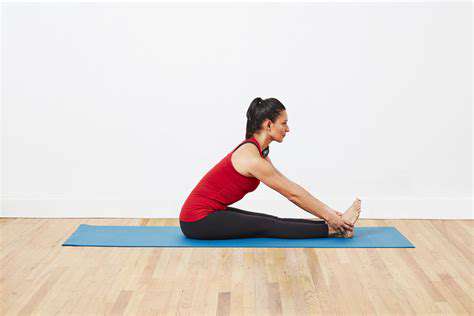
Child’s Pose, Cat-Cow Stretch, Seated Forward Bend, Hamstring Stretch, and Piriformis Stretch. 1. Child’s Pose: A Restorative StretchChild's Pose (Balasana) is a gentle yet powerful yoga position that can alleviate lower back discomfort. By stretching the spine and promoting relaxation, this pose encourages better blood circulation and engagement of the parasympathetic nervous system, reducing stress and anxiety. Proper technique involves kneeling with toes together and bending forward, allowing deep and slow breaths to enhance the stretch. Avoid common mistakes such as arching your back and forcing the position; instead, use props for support. 2. Cat-Cow Stretch: Enhancing FlexibilityThe Cat-Cow stretch is beneficial for enhancing spinal flexibility and mobility. This dynamic stretch involves transitioning between spinal flexion (Cat pose) and extension (Cow pose) to promote healthy spine alignment and alleviate discomfort. Regular practice of this sequence can counteract the negative effects of prolonged sitting and improve core stability. Focus on synchronizing your breath with your movements to maximize relaxation and effectiveness. 3. Seated Forward Bend: A Deep StretchEngaging the spine and hamstrings, the Seated Forward Bend is a fantastic way to improve flexibility and posture while alleviating lower back pain. While seated, extend your legs and hinge forward at the hips to reach towards your toes. Holding this pose for 30 seconds to a minute can significantly help in releasing tension. For those with existing back issues, modifications such as bending the knees are recommended for a safer experience. 4. Hamstring Stretch: Targeting Key MusclesTight hamstrings can contribute to lower back pain by affecting pelvic alignment. To combat this, incorporate hamstring stretches into your regimen—both seated and standing variations are effective. Aim to stretch at least three to four times a week to enhance flexibility and promote recovery. Engaging in proper hamstring stretching can lead to noticeable pain relief and improved mobility, making it an essential component of your back health plan. 5. Piriformis Stretch: Releasing Hip TensionThe piriformis muscle plays a crucial role in hip rotation and stability. Tightness in this muscle can lead to lower back pain and sciatic discomfort. Incorporating specific piriformis stretches into your routine can alleviate this tension and promote hip health. Whether seated or lying down, ensure gentle tension while holding each stretch for at least 30 seconds. Frequent practice, combined with strength training exercises, can lead to comprehensive benefits for lower back relief. ConclusionIn summary, integrating these five stretches into your daily routine can significantly improve lower back health, flexibility, and overall well-being. Remember, consistency is vital, and always listen to your body to avoid injury. Whether you're working at a desk or engaging in physical activity, taking a few moments for these stretching exercises can alleviate discomfort and promote a healthier spine.
Apr 20, 2025
Implementing a Structured Training Plan for RunnersEmbarking on a journey to enhance your running performance requires a well-structured training plan. From setting precise goals to optimizing nutrition, this guide elucidates key strategies for runners aiming to boost speed, endurance, and overall effectiveness. Define Clear Goals and ObjectivesEstablishing clear and measurable objectives is paramount. Use the SMART criteria—Specific, Measurable, Achievable, Relevant, and Time-bound—to set goals that can drive your training. Consider keeping a running journal or utilizing apps like Strava or Runkeeper for motivation and progress tracking. Incorporate Varied Training SessionsAvoid monotony by mixing different types of runs in your training. Blend endurance runs with speed workouts, interval training, and hill sprints, ensuring adequate recovery days. This variety not only prevents plateaus but also enhances muscle performance, essential for achieving that next personal best. Optimize Your Running FormUnderstanding running biomechanics is vital. Focus on your posture, stride, and foot strike pattern, as these directly impact efficiency. Striving for a midfoot strike can minimize injury risks while fostering a successful running style. Enhancing your cadence and incorporating strength training, particularly for core and hip muscles, will further refine your performance. Incorporate Strength TrainingStrength training plays a crucial role in improving muscle power and endurance. Studies indicate that it can reduce injury risks by up to 50%, making it essential for any serious runner. Include fundamental exercises like squats and deadlifts while integrating core routines for stability. Designing a balanced schedule that includes strength workouts alongside your running plan ensures your progress stays on track. Focus on Nutrition and RecoveryProper nutrition fuels your runs. Carbohydrates are your primary energy source; aim for 6-10 grams per kilogram of body weight. Proteins assist with recovery, the importance of hydration cannot be overlooked. Maintaining a hydration strategy before, during, and after runs helps in sustaining energy levels and promotes recovery. Monitor Your ProgressEstablish specific and incremental goals to effectively track your improvements. Utilize technology with GPS devices or running apps to capture performance metrics like pace and heart rate. Regularly evaluate these statistics to tailor your training plan to align with your evolving fitness. ConclusionBy implementing a well-rounded training plan that includes goal setting, varied sessions, strength training, optimal nutrition, and consistent progress monitoring, you position yourself for significant improvements in speed and endurance. Adjust your strategies as needed, and enlist assistance from coaches or running groups to stay motivated. With dedication and the right approach, optimal running performance is within your grasp.
Apr 21, 2025
Full Body Workout Routine for Beginners at Home
May 17, 2025
How to Use a Jump Rope for Cardio
May 20, 2025
How to Use a Medicine Ball in Your Workout Routine
May 26, 2025
How to Prevent Common Running Injuries
Jun 26, 2025
Best Exercises for Seniors with Balance Issues
Jul 25, 2025
Understanding and Solutions Understanding Poor PosturePoor posture is a common issue that affects many, particularly those in sedentary jobs. Prolonged sitting or standing incorrectly can lead to significant discomfort and chronic lower back pain. Research shows that slouched shoulders and hunched backs place undue stress on spinal structures, reducing lung capacity and straining muscles. It is crucial to be aware of the posture as it not only enhances aesthetic appeal but also boosts overall health and productivity. Importance of ErgonomicsErgonomics plays a vital role in designing workspaces that cater to individual needs. By adjusting furniture and tools to fit how you work, you can significantly reduce the risk of developing lower back pain. For instance, using an ergonomic chair that supports the lumbar curve can make a substantial difference in comfort and efficiency. Moreover, proper monitor placement can alleviate neck strain and promote better posture. Practical Solutions to Improve PostureIncorporating specific solutions like regular stretching, strength training, and visual reminders can improve posture. Standing desks or balance ball chairs can create a more active work environment and foster better spinal alignment. Active Lifestyle and Lower Back PainRegular exercise is fundamental for maintaining optimal health and reducing the risk of lower back pain. The World Health Organization advises adults to engage in at least 150 minutes of moderate-intensity exercise weekly. Activities that strengthen core muscles can lessen strain on the lumbar region, making movement an essential component of back health. Injuries Leading to Lower Back PainCommon injuries leading to lower back pain include muscle strains, ligament sprains, and herniated discs. Understanding these injuries and how they occur can help in preventing them. Safe lifting techniques and maintaining proper body mechanics can significantly reduce injury risk. Weight Management IssuesExcess weight is a contributing factor to chronic lower back pain, exerting pressure on the lower back and altering the body's biomechanics. A balanced diet paired with regular physical activity can help in managing weight and alleviating stress on the spine. Consulting professionals to craft a personalized plan might be necessary for those struggling with pain and weight management. Stress and Emotional FactorsStress has a direct impact on back pain. Muscle tension from stress can exacerbate discomfort, creating a vicious cycle. Addressing emotional factors and incorporating stress management strategies, like mindfulness or therapy, can improve both mental health and physical well-being. Long-Term Strategies for PreventionLong-term management of lower back pain involves a multifaceted approach that includes maintaining an active lifestyle, ergonomic awareness, and emotional health. It is essential to understand the interplay between physical strain and psychological factors, leading to effective prevention and management strategies.By prioritizing posture, ergonomics, and a healthy lifestyle, you can significantly reduce the risk of lower back pain and improve your overall quality of life.
Feb 26, 2026
- Improved Athletic Performance: Flexible hamstrings allow athletes to maximize their range of motion, leading to better speed, agility, and strength.- Reduced Lower Back Pain: Regular hamstring stretching can alleviate the discomfort associated with tight muscles and promote spinal health.- Better Posture and Alignment: Stretching supports the pelvic alignment, reducing the risk of muscle imbalance and poor posture.- Facilitated Recovery: A flexible hamstring structure aids in rehabilitation processes, allowing for safer recovery from injuries.---Start your journey towards better health by focusing on increasing your hamstring flexibility today. Remember, incorporating these stretches into your routine is not just about flexibility; it’s about achieving overall health, reducing pain, and enhancing athletic performance.
Feb 27, 2026
Understanding High-Impact Activities and Their Effect on Lower Back HealthHigh-impact activities often amplify lower back pain, making it essential for individuals, especially those with existing conditions, to understand the potential risks. Engaging in dynamic sports like running, basketball, or heavy weightlifting can strain your back significantly. What are High-Impact Activities?High-impact exercises typically involve rapid movements that place stress on the body, particularly the lumbar region. While many individuals can safely participate in these activities, caution is warranted for those suffering from lower back pain. Injuries and exacerbation of existing conditions are common outcomes, necessitating moderation and professional guidance. Exercises to AvoidCertain high-impact exercises are more problematic for individuals with lower back pain. Activities such as running on hard surfaces or high-intensity aerobics can lead to painful outcomes. Sports involving sudden twisting or bending motions, like football or basketball, can exacerbate existing back issues. Safer AlternativesFor those with lower back pain, low-impact exercises serve as viable alternatives. Swimming, walking, and stationary biking enhance cardiovascular health without undue stress on the back. Modifying traditional exercises—like using resistance bands—can also prove beneficial, maintaining an active lifestyle while reducing the risk of injury. Importance of Professional GuidanceBefore making changes to your exercise routine, consulting a healthcare professional is vital. Physical therapists can tailor a program to your specific condition, ensuring that you engage in activities that enhance your well-being without risking injury. A personalized approach significantly impacts recovery and overall health. Adding Strengthening ExercisesIncorporating core-strengthening exercises, which promote spinal stability, is crucial for reducing lower back pain. Movements like planks and pelvic tilts strengthen the essential muscle groups that support the back. Regular practice, under professional supervision, can greatly alleviate pain episodes. Listening to Your BodyPaying attention to your body's signals during exercise is crucial. If a movement elicits pain, stop immediately and consult a professional. Maintaining an open dialogue with your healthcare provider about your symptoms can lead to better pain management strategies. The Impact of Heavy WeightliftingWhile heavy weightlifting is popular, it can also present risks to lower back health. The importance of maintaining proper form cannot be overstated. Incorporating proper lifting techniques and allowing recovery time between sessions can mitigate injury risk significantly. Navigating High-Intensity Interval Training (HIIT)HIIT workouts can further exacerbate back pain due to their explosive nature. Those suffering from lower back issues should consider low-impact alternatives that maintain fitness without overloading the back. Flexibility and recovery play essential roles in preventing injury during these high-intensity sessions. Managing Twisting Motions in SportsSports with frequent twisting motions—like tennis and golf—can put additional stress on the lower back. Athletes should prioritize core conditioning to stabilize the spine during such movements, mitigating the risk of injury. ConclusionHigh-impact activities can be beneficial, but individuals with lower back pain must exercise caution. Engaging in safe alternatives, emphasizing proper techniques, and collaborating with health professionals are fundamental for maintaining an active lifestyle while protecting spinal health. Listen to your body to ensure you’re moving towards recovery and achieving your fitness goals without risking back injuries.
Feb 28, 2026
Tracks vs. ConcreteRunning on tracks, typically made of synthetic materials like polyurethane, offers a cushioned and consistent experience that minimizes joint impact. Research shows that tracks help reduce the risk of injuries, making them ideal for competitive training. In contrast, concrete surfaces, common in urban areas, can increase joint stress. The rigidity and lack of shock absorption can lead to injuries like stress fractures over time. Understanding these surfaces is crucial for runners looking to enhance their performance without compromising joint health. Soft Surfaces: Grass and Dirt TrailsGrass is often regarded as one of the most joint-friendly surfaces for runners. Its natural cushioning properties significantly reduce impact forces, helping prevent injuries such as shin splints and tendonitis. Additionally, running on grass can improve agility and stability by engaging stabilizing muscles. Dirt trails offer a balance of softness and stability, making them another excellent option for joint protection while providing an engaging and scenic running experience. Treadmills: A Controlled EnvironmentFor those looking to minimize joint stress, treadmills present a great alternative. Most modern treadmills are designed with shock-absorbing technology, making them suitable for individuals recovering from injuries or those new to running. While treadmills offer convenience, incorporating outdoor running on varied surfaces is important for comprehensive strength training and injury prevention. The Benefits of Mixed SurfacesIntegrating both hard and soft surfaces into your running routine can yield significant advantages. Alternating surfaces not only prevents overuse injuries but also enhances muscle strength and flexibility. Mixed surfaces foster varying running styles, improving proprioception and overall running economy. The Psychological Effects of Surface ChoicesThe choice of running surface can greatly affect not just physical health but also mental well-being. Soft surfaces, like grass and trails, often lead to lower levels of stress and fatigue, encouraging longer running sessions. Studies reveal that runners on varied terrains experience improved focus and cognitive function, benefiting overall performance. Recommendations for RunnersConsidering the various factors affecting joint health and performance, it is imperative for runners to experiment with different surfaces. Consult with healthcare professionals or trainers to develop a tailored surface strategy. Regularly monitor your body's response to specific surfaces and make adjustments as necessary. This holistic approach to surface choice not only boosts physical performance but also enriches the overall joy of running.By understanding the nuances of running surfaces, you can make informed decisions that enhance both your training experience and physical health. Whether you prefer the cushioned feel of a track or the rugged charm of a dirt trail, varying your running surfaces can lead to a more enjoyable and sustainable running journey.
Feb 28, 2026
Importance, Sources, and Balance for RunnersElectrolytes are essential minerals that play a critical role in maintaining various bodily functions, especially for athletes and runners. Key electrolytes such as sodium, potassium, calcium, and magnesium carry an electric charge and are vital for muscle contractions, nerve function, and fluid balance. Without adequate levels of these minerals, runners risk performance decline, dehydration, and muscle cramps. The Role of Electrolytes in Athletic PerformanceElectrolyte balance can significantly influence athletic performance. Factors such as exercise intensity, sweating, and dietary intake affect electrolyte levels. For instance, prolonged exercise, especially in hot weather, can lead to substantial losses of sodium and potassium through sweat, potentially resulting in conditions like hyponatremia, where sodium levels drop dangerously low. Symptoms of Electrolyte ImbalanceRunners should be cognizant of common symptoms that may indicate an electrolyte imbalance, including muscle cramps, fatigue, dizziness, and nausea. In severe cases, more alarming symptoms like confusion or fainting may arise. Recognizing these signs early can help athletes take prompt actions to restore balance and improve their performance. Maintaining Electrolyte BalanceTo ensure sufficient electrolyte intake, a well-balanced diet rich in fruits and vegetables is crucial. Foods such as bananas, spinach, and dairy products provide essential nutrients that support electrolyte levels. Additionally, proper hydration is key. While sports drinks can replenish lost minerals, opting for drinks with lower sugar content can be a healthier choice. Coconut water can also serve as a natural alternative. Strategies for RunnersPracticing effective hydration strategies is vital for runners, especially during long training sessions or competitions. Consuming electrolyte-rich fluids before, during, and after workouts, as well as incorporating high-potassium foods into your diet, can help in managing electrolyte levels. Tracking fluid intake can further enhance awareness of hydration and nutrient needs, ensuring optimal performance. The Role of SupplementsFor runners who struggle to meet their electrolyte needs through food alone, supplementation can be beneficial. However, it’s essential to choose high-quality supplements that lack added sugars and artificial ingredients. Monitoring the dosage based on individual sweat rates and training conditions helps tailor supplementation for peak performance. Long-Term ImplicationsNeglecting to address electrolyte imbalances can lead to long-term health issues, including kidney dysfunction and cardiovascular problems. Therefore, regular assessments of hydration and electrolyte levels should be integrated into a runner's training routine to mitigate risks and enhance overall endurance.In summary, understanding and managing electrolyte levels is crucial for athletes. By maintaining a balanced diet, staying hydrated, and recognizing symptoms of imbalance, runners can maximize their performance and safeguard their health during training and competitions.
Mar 01, 2026
View Publications>>