Managing Lower Back Pain During Pregnancy: Safe Exercises
Outline
- Pregnancy alters posture, causing lower back pain.
- Weight gain increases spinal stress, contributing to discomfort.
- Muscle imbalances from inactivity can provoke back pain.
- Diagnostic techniques include medical history and ultrasound.
- Safe exercises help strengthen muscles and reduce pain.
- Proper posture management alleviates lower back discomfort.
- Severe back pain with symptoms warrants medical attention.
- Core strength is crucial in reducing pregnancy-related back pain.
- Gentle stretching enhances flexibility and alleviates tension.
- Low-impact aerobic exercises improve cardiovascular health safely.
- Consult healthcare providers before starting exercise programs.
- Monitor body signals to prevent overexertion during pregnancy.
- Engage in low-impact activities for safe workouts.
- Prioritize proper exercise form to prevent injury.
- Recovery and hydration are essential during pregnancy exercises.
- Relaxation techniques can help alleviate pregnancy-related stress.
- Creating a personalized relaxation routine enhances well-being.
Understanding Lower Back Pain in Pregnancy
Common Causes of Lower Back Pain During Pregnancy
Lower back pain in pregnant women can often be attributed to several physiological changes in the body. As the fetus grows, the center of gravity shifts, altering posture and leading to strain on the lower back. Hormonal changes, particularly the increased levels of relaxin, also play a vital role. This hormone loosens ligaments, allowing the pelvis to expand during childbirth, which can lead to instability and discomfort.
Additionally, weight gain during pregnancy contributes significantly to back pain. The average weight gain of about 25 to 35 pounds can exert stress on the spine and surrounding muscles. This added weight can cause the lumbar spine to compress more than usual, resulting in pain. It's essential to understand these underlying factors to address lower back pain effectively.
Muscle imbalances due to inactivity or poor posture can also provoke discomfort. As the body adapts to the growing baby, some muscles may weaken while others may become overly tight, creating tension in the lower back. Knowing these causes can help pregnant women take preventive measures or seek appropriate treatment.
Effective Diagnostic Techniques
Identifying the cause of lower back pain during pregnancy can sometimes be challenging, but several Effective diagnostic techniques exist. Care providers often start with a thorough medical history and physical examination. They may inquire about specific pain characteristics, such as onset, duration, and exacerbating factors, to gain insight into the problem.
Imaging techniques such as ultrasounds may be employed if the physician suspects issues beyond typical musculoskeletal changes. While X-rays and MRIs are usually avoided during pregnancy due to potential risks, an ultrasound can reveal anomalies that might be contributing to back pain. This diagnostic approach aims to ensure both maternal and fetal safety while effectively addressing the pain.
Safe Exercises to Alleviate Lower Back Pain
Engaging in safe exercises during pregnancy not only helps alleviate lower back pain but also strengthens muscles for labor and delivery. Low-impact exercises such as swimming can be incredibly beneficial. The buoyancy of water reduces strain on the back while providing resistance for muscle strengthening.
Additionally, prenatal yoga is an excellent choice for expectant mothers. It promotes flexibility, encourages proper alignment, and can significantly improve posture, which helps in reducing pain. Many prenatal classes focus on specific poses that stretch the back and strengthen the core, contributing to overall back support.
It’s important to consult with a healthcare provider before starting any exercise regimen during pregnancy to ensure it’s safe based on individual circumstances. Each woman's experience is unique, and personalized recommendations can ensure optimal health benefits without unnecessary risks.
The Role of Posture in Managing Back Pain
Posture plays a critical role in managing lower back pain during pregnancy. As a woman's body changes, maintaining proper alignment becomes crucial to prevent pain. Slouching or leaning back too far can increase strain on the lumbar spine, exacerbating discomfort. Therefore, being mindful of sitting and standing positions is essential.
Simple adjustments, such as using lumbar support while sitting or keeping feet flat on the ground, can make a significant difference. Regular reminders to stretch and shift position throughout the day can also help mitigate back pain. Engaging the core and pelvic muscles can aid in supporting the lower back, serving as a helpful tool for pain management.
When to Seek Medical Attention
While some level of discomfort is common during pregnancy, there are specific indicators that warrant medical attention. If lower back pain is accompanied by severe symptoms, such as swelling, numbness, or pain radiating down the legs, seeking professional advice is crucial. These may be signs of sciatica or other serious concerns that require intervention.
Persistent back pain that does not improve with rest or changes in position should also prompt a visit to a healthcare provider. It's vital to address these issues early to prevent further complications that may affect both the mother and the fetus. Comprehensive evaluation and tailored treatment plans can lead to better outcomes for managing lower back pain during pregnancy.
Safe Exercises to Alleviate Back Pain
Understanding the Importance of Core Strength
Core strength plays a pivotal role in alleviating back pain during pregnancy. The core consists of various muscles that support the spine, pelvis, and abdomen. Research indicates that strengthening these muscles can lead to significant reductions in lower back discomfort.
For pregnant women, engaging in core strengthening exercises not only helps in managing pain but also prepares the body for childbirth. It fosters better posture and minimizes strain on the lower back, making daily activities more comfortable. Simple exercises like pelvic tilts or bridging can effectively enhance core strength.
Gentle Stretching Techniques for Relief
Incorporating gentle stretching routines can work wonders for back pain relief during pregnancy. Research from the American Pregnancy Association highlights that certain stretches can alleviate tension in the lower back and promote flexibility. Cat-Cow stretches and child’s pose are excellent examples.
Stretching enhances blood circulation, which is vital for overall muscle health during pregnancy. Additionally, it can improve daily mobility and maintain a range of motion, essential as the body undergoes constant changes. Emphasizing regularity in stretching can lead to lasting benefits for expectant mothers.
Low-Impact Aerobic Activities
Engaging in low-impact aerobic exercises is crucial for pregnant women experiencing back pain. Activities such as swimming or walking can be beneficial; they improve cardiovascular health without placing excessive strain on the back. According to the Mayo Clinic, swimming provides a weightless environment that alleviates pressure on the spine.
Choosing low-impact activities not only helps in pain management but also encourages the release of endorphins, which can lift mood and enhance well-being. It’s recommended to aim for at least 150 minutes of aerobic activity each week, but always consult a healthcare provider before starting new exercise routines during pregnancy.
Consultation with Healthcare Providers
Before embarking on any exercise program, it is essential for pregnant women to consult their healthcare providers. A medical professional can offer personalized guidance based on individual health conditions and pregnancy status. This ensures that the chosen exercises are safe and appropriate for each woman’s unique circumstances.
Health professionals can also assist in creating a tailored exercise plan that accommodates any contraindications or previous injuries, ensuring maximum safety and effectiveness. Open communication with healthcare providers can significantly enhance the overall management of back pain during pregnancy, leading to a more comfortable experience.
Tips for Incorporating Exercise Safely

Understand Your Body's Limits
During pregnancy, it's essential to recognize that your body undergoes significant changes that can affect your physical capabilities. Monitoring how you feel during various activities can be crucial in preventing overexertion. It’s wise to listen intuitively to your Body's Signals and respect the limitations that may change from week to week.
This inherently means that what worked for you in the first trimester might not feel as comfortable in the third. Keeping track of your energy levels and adjusting is not just smart; it’s vital for your overall well-being.
Consult with a Healthcare Professional
Before starting any exercise routine during pregnancy, consulting a Healthcare Professional is non-negotiable. They can provide personalized advice based on your individual health history, weight, and any underlying conditions. This step ensures that you are choosing exercises that are safe and effective for your condition.
Many pregnant women often overlook this crucial aspect, thinking that all exercises are equally safe; however, personalized recommendations can help avoid complications.
Each pregnancy is unique; thus, receiving tailored guidance can significantly enhance your exercise experience and safety.
Choose the Right Types of Exercises
- Opt for low-impact activities such as swimming or walking.
- Incorporate flexibility and strength training to boost muscle support.
- Focus on core-strengthening exercises to alleviate lower back discomfort.
Not all forms of exercise are suitable during pregnancy. Low-impact activities are often advised to minimize strain. Swimming, for instance, alleviates pressure on joints while providing a full-body workout. Incorporating core-strengthening exercises, such as pelvic tilts and modified planks, can almost act like preventive measures against back pain.
Prioritize Proper Form and Technique
When engaging in any kind of exercise, ensuring that your form is correct cannot be overstated. Poor posture or incorrect execution can lead to injury—something no one wants to deal with during pregnancy. Maintaining proper alignment promotes not just safety but also greater effectiveness in your workout. Remember, quality over quantity is essential when it comes to exercise.
Consider working with a trainer who specializes in prenatal fitness; their expertise can significantly help in mastering the right techniques.
Pay Attention to Recovery and Hydration
Often overlooked, recovery is just as important as exercise itself during pregnancy. Make sure you schedule ample rest periods. This balance is crucial in allowing your muscles to recover and adapt. In addition to recovery, maintaining hydration can’t be stressed enough. Drink water before, during, and after exercise to keep yourself and your baby healthy.
Consider keeping a water bottle handy at all times; sipping throughout the day will help you maintain optimal hydration levels. Remember, a well-hydrated body is better equipped to handle the added demands of pregnancy.
Incorporating Relaxation and Stretching
Understanding the Importance of Relaxation During Pregnancy
During pregnancy, the body undergoes significant changes that can lead to increased stress and tension. This stress can exacerbate lower back pain, making Relaxation Techniques Essential. According to research, incorporating relaxation into your daily routine can lead to improved mental and physical well-being, which is critical for both the mother and the developing fetus.
Techniques such as deep breathing, guided imagery, and progressive muscle relaxation can help alleviate physical discomfort. Experts suggest that setting aside time each day for these activities can enhance relaxation and promote better sleep, ultimately contributing to a healthier pregnancy experience.
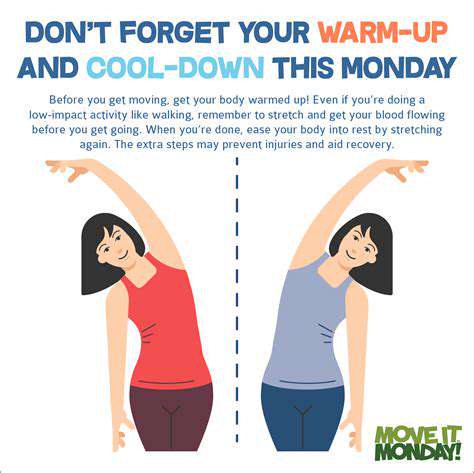
Effective Stretching Exercises for Back Pain Relief
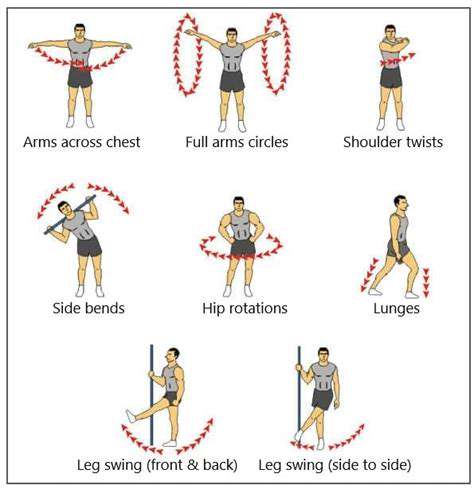
Stretching is a powerful tool for managing lower back pain during pregnancy. Gentle stretches, particularly those that focus on the hip and lower back areas, can improve flexibility and relieve tension. A study published in the *Journal of Physical Therapy Science* found that pregnant women who performed specific stretches reported lower pain levels and improved mobility.
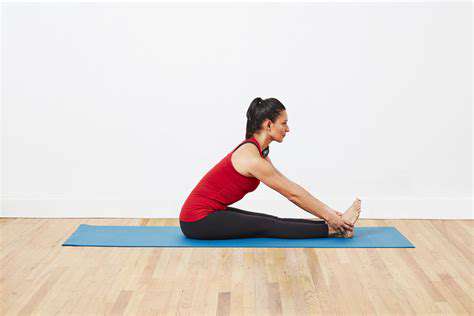
Some recommended stretches include the Cat-Cow stretch and the Child's Pose, both of which can help elongate the spine and alleviate discomfort. It is essential to perform these stretches slowly and mindfully. If any pain arises, it’s advisable to stop the activity immediately and consult with a healthcare professional.
Additionally, incorporating yoga specifically designed for pregnant individuals can provide both stretching and relaxation benefits. Yoga not only helps in reducing physical pain but also enhances mental clarity and can be a valuable ally in preparing for childbirth.
Creating a Personalized Relaxation and Stretching Routine
Every pregnancy is unique, and developing a personalized routine that combines relaxation and stretching is vital. Start by identifying times during the day when stress levels peak; these are excellent opportunities to incorporate relaxation techniques. For instance, setting aside a few minutes in the morning can set a positive tone for the day.
Begin with deep breathing exercises to center yourself, followed by specific stretches targeted towards areas most prone to tension. Keeping a journal to track the effectiveness of these techniques can also provide insights into what works best for you.
It’s also beneficial to engage with healthcare professionals, such as physical therapists or prenatal fitness instructors. They can help craft a routine tailored to your body’s needs, ensuring it is safe and effective throughout your pregnancy. Having a support system can make all the difference in maintaining your regimen and addressing concerns as they arise.
Read more about Managing Lower Back Pain During Pregnancy: Safe Exercises




Hot Recommendations
-
*Guide to Practicing Active Listening as a Habit
-
*Best Habits for Improving Your Relationships
-
*Guide to Connecting Sleep Quality and Immune Health
-
*Cardio Exercises You Can Do at Home [No Equipment]
-
*Health Tips for People Recovering from Surgery
-
*Best Exercises for People with Anxiety Disorders
-
*Best Habits for Increased Energy Levels Naturally
-
*Best Tips for Managing Stress in Your Daily Life
-
*Guide to Practicing Positive Affirmations
-
*How to Use Visualization for Goal Setting in Health