Seasonal Vegetable Recipes for Healthy Eating
Asparagus: A Nutritional Powerhouse
Asparagus is not only delicious but also a powerhouse of nutrition. This spring vegetable is rich in vitamins A, C, E, and K, as well as fiber and folate. Consuming asparagus can aid digestion, support heart health, and even contribute to healthy skin due to its antioxidant properties. One cup of asparagus contains only 27 calories, making it a smart choice for those watching their weight while ensuring they get essential nutrients.
Moreover, asparagus is an excellent source of inulin, a type of prebiotic fiber that promotes gut health. Studies suggest that dietary fiber is crucial for overall health, especially maintaining a healthy weight and reducing the risk of chronic diseases, including diabetes and cardiovascular conditions. Incorporating asparagus into your meals not only enhances the flavor but adds significant health benefits to your diet.
Peas: Versatile and Wholesome
Peas are incredibly versatile, making them a staple in many cuisines around the world. Whether you enjoy them fresh, frozen, or canned, these little green gems provide a rich source of protein and fiber, making them an excellent choice for both vegetarians and meat-eaters alike. One cup of cooked peas contains about 8 grams of protein, making them a great addition to salads or as a side dish for added nutrition.
Additionally, peas are packed with vitamins, particularly vitamin K, which is essential for bone health. Other notable nutrients include vitamin C, which boosts immunity, and various B vitamins that help in energy production. The low glycemic index of peas makes them suitable for those monitoring their blood sugar levels, providing a wholesome option for Healthy Eating.
Recipe Ideas for Spring Meals
Preparing seasonal dishes featuring asparagus and peas is an enjoyable way to celebrate spring. One simple yet elegant dish is a lemon asparagus and pea risotto. Start by sautéing onions and garlic in olive oil, then gradually add Arborio rice, followed by vegetable broth. Stir in the freshly cooked asparagus and peas at the end to maintain their bright color and flavor. Add a squeeze of lemon juice for a refreshing finish.
Another quick recipe to try is a spring vegetable salad. Combine blanched asparagus, fresh peas, cherry tomatoes, and arugula, dressed with a light vinaigrette. This salad not only bursts with flavors but also showcases the vibrant colors of spring. Both dishes are easy to make and packed with nutrients, supporting a healthy, seasonal diet. These recipes reflect how simple it can be to eat healthfully with what's available in the spring, nurturing both body and palate!
Summer Sensations: Tantalizing Tomato and Zucchini Dishes
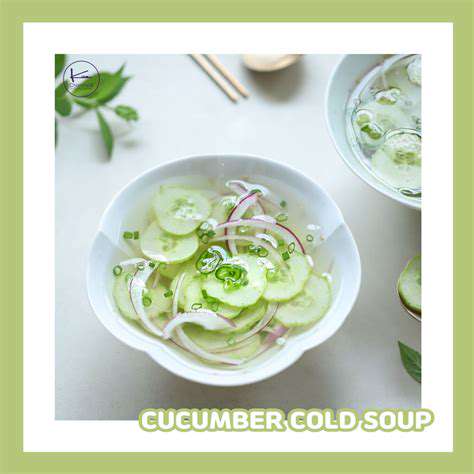
Health Benefits of Tomatoes and Zucchini
Both tomatoes and zucchinis are low-calorie vegetables rich in essential nutrients, making them perfect for anyone looking to maintain a healthy weight. Tomatoes, in particular, are excellent sources of vitamins A and C, which are crucial for immune function and skin health. Meanwhile, zucchini is a powerhouse of potassium and folate, both important for heart health.
Additionally, tomatoes contain lycopene, a powerful antioxidant that has been linked to reduced risk of chronic diseases such as cancer and heart disease. Including these vegetables in your diet not only supports overall health but also adds flavor and variety to meals.
- Tomatoes offer vitamins A and C.
- Zucchini is high in potassium and folate.
- Lycopene in tomatoes may lower cancer risks.
Simple Tomato and Zucchini Salad
If you’re looking for a quick and easy dish, a fresh tomato and zucchini salad is the way to go. Start by slicing ripe tomatoes and zucchini into thin rounds, then toss them together with olive oil, lemon juice, salt, and pepper to taste. This dressing not only enhances the flavors but also boosts the overall healthiness of the dish.
For added texture, consider incorporating ingredients like avocado, fresh herbs, or toasted nuts. This salad is not only refreshing but also packed with nutrients, making it a great choice for summer meals.
Roasted Tomato and Zucchini Medley
Roasting is a fantastic way to bring out the natural sweetness of tomatoes and zucchini. To prepare this dish, cut the vegetables into bite-sized pieces, season them with olive oil, garlic powder, and herbs of your choice, and roast in the oven at 400°F (200°C) for about 25 minutes. The result is a caramelized medley that's perfect as a side dish.
This roasted dish can easily be customized by adding spices or other seasonal vegetables as well. Not only does roasting enhance flavor, but it also preserves the nutritional value of these veggies, making it a win-win for healthy eating.
Pasta with Tomato and Zucchini Sauce
Transform your pasta night by incorporating a homemade tomato and zucchini sauce. Start by sautéing diced onions and garlic in olive oil, then add chopped tomatoes and zucchini into the mix. Let it simmer until the vegetables break down and meld into a light sauce, ideally for about 20 minutes.
This sauce has the potential to become a family favorite, as it balances well with different types of pasta. Make sure to finish with a sprinkle of Parmesan cheese and fresh basil for a touch of elegance. It’s not just filling; it's also an excellent way to sneak in those important nutrients without the kids noticing.
Grilled Zucchini and Tomato Skewers
Grilling is another method that effectively brings out the unique flavors of vegetables. For delicious zucchini and tomato skewers, alternate pieces of zucchini and halved cherry tomatoes on skewers. Brush with olive oil, season with salt and herbs, and grill for about 10-15 minutes, turning occasionally.
These skewers make for fantastic appetizers or side dishes at gatherings. They are not only visually appealing but provide a burst of freshness that can complement any main course beautifully. A touch of balsamic glaze can elevate the taste even further.
Making the Most of Leftovers
Leftover roasted tomatoes and zucchini can be repurposed into various dishes, reducing food waste. Consider using them in omelets, frittatas, or as toppings on pizzas to enhance flavor. These vegetables retain their flavors and nutrients even after being cooked, making them versatile for meal prep.
Using leftovers creatively is an efficient way to enjoy the health benefits of these vegetables while saving time. This practice not only leads to less waste but also encourages you to experiment with flavors throughout the week.
Cooking Techniques to Enhance Flavor
Different cooking methods can significantly affect the flavor profile and nutrient retention of tomatoes and zucchini. Steaming helps preserve nutrients while keeping the vegetables tender, while grilling adds a smoky flavor that can elevate your dishes.
When sautéing or stir-frying, be mindful of the cooking time to maintain texture and flavor. Cooking these vegetables with a splash of lemon juice or vinegar can help brighten up the taste. Incorporating various cooking techniques can bring out hidden flavors and make your meals more exciting.
Autumn Harvest: Comforting Recipes with Pumpkins and Kale
Exploring the Nutritional Benefits of Pumpkins
Pumpkins are not just festive decorations; they pack a powerful nutritional punch. Rich in vitamins A, C, and E, pumpkins are known to be high in antioxidants, which can help combat oxidative stress in the body. This orange squash is also a great source of dietary fiber, supporting digestive health and promoting satiety, making it an excellent choice for weight management.
Furthermore, recent studies have highlighted that the beta-carotene found in pumpkins may also play a role in reducing the risk of chronic diseases. Consuming pumpkin may boost your immune system, thanks to its high content of carotenoids, which can enhance the body's defense against infections.
Incorporating pumpkin into your diet can be as simple as adding it to soups, smoothies, or even baked goods, providing both flavor and health benefits.
Health Benefits of Kale: A Superfood Unveiled
Kale, often hailed as a superfood, is rich in essential nutrients that contribute to overall health. It's packed with vitamins K, A, and C, and is also an excellent source of calcium and iron, vital for maintaining strong bones and healthy blood. Kale’s high fiber content positions it as a fantastic food for enhancing digestive health and lowering cholesterol levels.
Moreover, studies have shown that kale is loaded with antioxidants like quercetin and kaempferol, which may have anti-inflammatory properties. Including kale regularly in meals could potentially reduce the risk of chronic illnesses, such as heart disease and certain cancers, making it a worthy addition to your plate.
Seasonal Recipes to Highlight Pumpkins
When it comes to cooking with pumpkins, the options are plentiful. One simple yet delicious recipe is pumpkin risotto, where creamy Arborio rice absorbs the flavors of sautéed onions, garlic, and fresh herbs, resulting in a hearty dish. Topping it with roasted pumpkin seeds adds crunch and enhances nutritional value.
Another comforting option is a classic pumpkin soup. Roasting the pumpkin enhances its natural sweetness, and blending it with coconut milk and spices like ginger creates a nourishing meal perfect for chilly days. Pair this soup with crusty whole-grain bread for an excellent, balanced dinner.
Creative Ways to Incorporate Kale into Meals
Kale can sometimes be an intimidating ingredient for home cooks, but there are several straightforward ways to include it in your meals. Consider making a kale salad with a zesty lemon vinaigrette, topped with nuts and seeds for added protein and texture. This offers a refreshing, nutrient-dense option that’s easy to prepare.
Another fun idea is to sauté kale with garlic and olive oil as a delicious side dish. The slight bitterness of kale beautifully balances with the richness of the oil and garlic, making it a delightful accompaniment to any main course.
Combining Pumpkins and Kale: Recipe Ideas
Combining these two powerhouses can create strikingly healthy dishes. One great option is a pumpkin and kale stir-fry — toss chopped kale and cubed pumpkin in a hot skillet with sesame oil and soy sauce to create a colorful, nutritious delight. Personalize it with your favorite proteins, such as tofu, chicken, or shrimp.
Another innovative recipe is a layered pumpkin and kale lasagna. Substitute the noodles with thin pumpkin slices and alternate layers of kale and cheese for a comforting, gluten-free dinner that doesn’t compromise on taste.
A hearty pumpkin and kale curry can also be a satisfying way to enjoy both vegetables, with spices infusing the dish with warmth and richness.
Preserving the Harvest: Pumpkin and Kale Storage Tips
To fully enjoy the season’s harvest, knowing how to store pumpkins and kale properly is crucial. Fresh pumpkins can be kept in a cool, dry place for up to three months. Once cut, however, they should be refrigerated and used within a week to maintain freshness and flavor.
Kale, on the other hand, should be stored in a moisture-proof bag in the refrigerator. It's best consumed within five to seven days. If you want to keep it longer, consider blanching and freezing kale. This process preserves its nutrients, allowing you to enjoy this superfood long after the harvest season ends.
Final Thoughts on Seasonal Eating
Embracing seasonal vegetables like pumpkins and kale not only contributes to your health but also supports local farmers and reduces environmental impact. Prioritizing seasonal recipes can lead to more flavorful meals and help cultivate a deeper connection to the food you consume.
As you experiment with these recipes, remember to enjoy the process and make adjustments based on your personal preferences. Encouraging Seasonal Eating can transform your nutrition and foster a lifestyle that celebrates the gifts of each season.
Winter Warmth: Cozy Dishes Featuring Root Vegetables
Understanding Root Vegetables and Their Nutritional Benefits
Root vegetables, including carrots, turnips, and beets, are packed with essential vitamins and minerals. For instance, carrots are an excellent source of beta-carotene, which the body converts to vitamin A, crucial for eye health and immune function. They also contain dietary fiber, aiding digestion and providing a feeling of fullness.
Similarly, beets are rich in nitrates, which have been shown to enhance athletic performance and lower blood pressure. Moreover, their high antioxidant content helps combat oxidative stress in the body. The diverse nutritional profiles of these vegetables make them indispensable during winter months, where comfort and nutritional value go hand in hand.
Seasonal Preparation Techniques for Root Vegetables
When it comes to preparing root vegetables, roasting is one of the most preferred methods, as it enhances their natural sweetness and flavor. Tossing diced root vegetables like parsnips and sweet potatoes with olive oil, salt, and herbs before placing them in the oven brings out their robustness. Roasting also allows for caramelization, resulting in a crispy exterior while keeping the insides tender.
Delicious Recipes to Try This Winter
One standout recipe worth trying is a hearty root vegetable stew. This simple dish combines diced potatoes, parsnips, and carrots with vegetable broth, lentils, and spices. Let it simmer for a couple of hours, and you'll have a nourishing meal that’s not only delicious but also full of vitamins and fiber.
Another popular option is a root vegetable mash. Steaming turnips and potatoes, followed by mashing them together with a bit of butter and seasoning makes a delightful side dish or a comforting main when paired with gravy or a vegetarian shepherd's pie.
Impact of Root Vegetables on Seasonal Eating
Incorporating root vegetables into your winter diet not only helps in weight management but also aligns with seasonal eating principles. Eating foods that are in season can lead to a lower carbon footprint and a more sustainable food system. In winter, root vegetables are among the few crops that thrive, offering an opportunity to eat locally and support farmers.
A study from the University of California highlights that consuming seasonal produce can enhance food quality and freshness, making meals tastier and more nutritious. Thus, root vegetables play a critical role in both personal health and environmental consciousness.
Creative Serving Ideas and Pairings
Enhancing the dining experience with root vegetables can be as simple as experimenting with different pairings. Serving roasted root vegetables alongside proteins like grilled chicken or fish can balance flavors and provide a well-rounded meal. Additionally, garnishing with fresh herbs or a drizzle of balsamic reduction can introduce new dimensions to the dish.
For a unique twist, consider incorporating root vegetables into salads. Shredded beets or grated carrots mixed with leafy greens, nuts, and a citrus vinaigrette can create a colorful and nutritious bowl that’s perfect for winter lunches or as a light dinner option.
Read more about Seasonal Vegetable Recipes for Healthy Eating










Hot Recommendations
-
*Cooking for One: Healthy Weight Loss Recipes
-
*Practicing Gratitude for Financial Health and Wellness
-
*Healthy Egg Recipes for Weight Loss Breakfasts
-
*Managing Lower Back Pain During Pregnancy: Safe Exercises
-
*Ergonomics for Drivers: Reducing Back Pain on the Road
-
*How to Use Heart Rate Zones to Improve Running Speed
-
*Foam Rolling Techniques for Lower Back and Hip Pain
-
*Using a Food Diary for Successful Weight Loss
-
*Lower Back Pain in Athletes: Specific Relief Strategies
-
*Healthy Salad Dressing Recipes You Can Make in 5 Minutes