Healthy Sauces for Weight Loss: From Pesto to Salsa
Understanding the Nutritional Benefits of Pesto
Pesto is traditionally made with basil, garlic, olive oil, and nuts, creating a sauce rich in key nutrients. Basil, for instance, is known for its anti-inflammatory properties and high concentration of antioxidants. These compounds can help combat oxidative stress in the body, which is particularly beneficial for overall health. In fact, a study published in the journal *Food Chemistry* highlights basil's potency in providing essential vitamins and minerals.
Olive oil, a primary ingredient in pesto, is a source of Healthy Fats called monounsaturated fats. These fats are important for cardiovascular health as they can help reduce bad cholesterol levels. The Mediterranean diet, which heavily features olive oil, has been linked to lower rates of heart disease. Moreover, consuming healthy fats can aid in the absorption of fat-soluble vitamins like A, D, E, and K, underscoring the importance of olive oil in a balanced diet.
Creative Ways to Incorporate Pesto in Your Diet
To maximize the benefits of pesto, consider incorporating it into various meals beyond the traditional pasta dish. A great idea is to use pesto as a marinade for chicken or fish. This not only enhances flavor but also adds nutritional value due to the rich ingredients in the pesto. You might try marinating chicken breasts in pesto for a few hours, then grilling them for a deliciously healthy dinner option.
Another option is to substitute pesto for mayonnaise in sandwiches or wraps. It introduces vibrant flavor while cutting down on calories and unhealthy fats typically found in mayonnaise. Furthermore, spreading pesto on whole-grain bread can elevate ordinary toast into a gourmet breakfast. By pairing it with sliced tomatoes and mozzarella, you create a satisfying meal packed with nutrients.
Additionally, for a healthy snack, stir pesto into Greek yogurt to make a savory dip for fresh vegetables. This easy-to-prepare dish boosts your intake of probiotics while adding a burst of flavor from the pesto. With so many versatile uses, pesto can seamlessly fit into various dietary preferences, making it a truly valuable addition to your culinary repertoire.
Refreshing Salsa: A Zero-Calorie Flavor Bomb
Health Benefits of Salsa
Salsa is not only a delicious topping for various dishes, but it also offers numerous health benefits. Rich in vitamins A and C, fresh salsa can particularly enhance your immune health and skin appearance. The tomatoes in salsa are packed with lycopene, an antioxidant linked to reduced risks of certain cancers. Incorporating salsa into your meals can boost nutritional intake without adding calories.
Moreover, salsa is often low in sodium, especially if you prepare it at home using fresh vegetables and herbs. This makes it a suitable option for individuals looking to monitor their salt consumption. A study published in the American Journal of Clinical Nutrition indicated that diets high in fruits and vegetables, like those used in salsa, contribute to lower blood pressure and improved cardiovascular health.
Key Ingredients to Elevate Your Salsa
When crafting your own salsa, focusing on fresh, high-quality ingredients is essential for maximizing flavor and nutrition. Fresh tomatoes are the base, but consider adding ingredients like red onions for their crunch and flavor, or jalapeños for heat. Cilantro not only enhances flavor but also offers additional health benefits, as it's rich in antioxidants.
Also, don't overlook the role of acidity. A splash of lime juice not only elevates the flavors but increases the shelf life due to its natural preservative qualities. Experimenting with fruits like mango or pineapple can add a unique twist, providing sweetness along with fiber, which promotes digestive health.
How to Incorporate Salsa in Your Diet
Adding salsa to your meals can be both versatile and easy. Consider using it as a dip with whole-grain tortilla chips or as a topping for grilled chicken, fish, or even salads. This not only enhances flavor but also makes for a vibrant and colorful plate that can entice even the pickiest eaters.
You can also blend it into dips or spreads by mixing with Greek yogurt, creating a healthier alternative to high-fat dressings. Incorporating salsa makes meals interesting and satisfying, providing a great way to enhance daily vegetable intake without excessive calories.
Storage Tips for Maximum Freshness
For those who enjoy making salsa in bulk, proper storage is crucial for maintaining flavor and quality. Fresh salsa generally lasts about 5 to 7 days in the refrigerator, but to keep it fresher longer, consider freezing portions in airtight containers. This not only preserves the vibrant flavors but also retains its nutrients, making it easier to whip out for quick meals.
When refrigerating, use glass containers that can help prevent the salsa from absorbing strong odors from other foods. Additionally, keep the salsa tightly sealed, as exposure to air can lead to oxidation, diminishing its flavor. Regularly check for signs of spoilage, such as separation or an off smell, to ensure freshness.
Yogurt-Based Sauces: Creamy and Healthy
Health Benefits of Yogurt
Yogurt is not only a delicious addition to meals but also offers numerous health advantages. It is rich in probiotics, which promote gut health by balancing the intestinal flora. According to a study published in the Journal of Nutrition, probiotics can enhance digestive function and strengthen the immune system, making yogurt a beneficial choice for overall health.
Additionally, yogurt is a significant source of calcium, an essential mineral for bone health. Consuming yogurt regularly can help meet daily calcium requirements and support the maintenance of bone density. As we age, maintaining strong bones becomes crucial, and incorporating yogurt into the diet may help mitigate the risk of osteoporosis.
Versatility in Culinary Uses
One of the greatest advantages of yogurt is its versatility in the kitchen. It can serve as a base for various sauces, dips, and dressings, easily blending with an array of herbs and spices. From creamy tzatziki made with cucumber and garlic to a spiced yogurt sauce that complements grilled meats, the possibilities are endless, making it a great alternative to heavier cream-based sauces.
Moreover, yogurt can be utilized in sweet dishes as well, such as smoothies and salad dressings, providing a creamy texture without excessive calories. This adaptability makes yogurt a powerful ingredient for those looking to create healthy sauces that don't skimp on flavor or satisfaction.
Low-Calorie Options
For those aiming for weight loss, yogurt-based sauces present a low-calorie alternative to traditional creamy sauces. For instance, a standard serving of Greek yogurt has approximately 100 calories, compared to around 200-300 calories in mayonnaise or cream sauces. This switch can significantly reduce the total caloric intake of a meal without sacrificing taste.
Yogurt sauces can also be enriched with fresh herbs and spices, which add flavor and nutrition without extra calories. Ingredients like garlic, dill, and lemon juice can enhance the taste profile further. As a result, these sauces are not just lighter; they can also contribute to a more satisfying culinary experience.
Making Yogurt-Based Sauces at Home
Crafting yogurt-based sauces at home is surprisingly simple and allows for customization according to personal preferences. Start with plain yogurt as a base, then add ingredients like fresh herbs, spices, or even fruits for variety. For instance, a quick herb sauce can be made by blending yogurt with chives, parsley, and a squeeze of lemon juice.
Moreover, homemade yogurt sauces are free from preservatives and additives found in many store-bought versions. This not only aligns with a healthier eating philosophy but also encourages individuals to experiment with flavors and ingredients, making meals more enjoyable and unique.
Tips for Pairing with Dishes
When utilizing yogurt-based sauces, pairing them with the right dishes can enhance the overall meal experience. These sauces work excellently with grilled or roasted vegetables, as their creamy texture complements the smokiness of the grill. Try drizzling a yogurt sauce over roasted cauliflower or carrots for a delightful contrast.
Additionally, yogurt-based sauces can elevate lean protein dishes, such as chicken or fish. Pairing a spiced yogurt sauce with grilled salmon not only adds flavor but also provides a nutritious boost. Experimenting with different pairings can lead to discovering new favorite combinations, wide-ranging in taste and health benefits.
Conclusion: The Future of Healthy Eating with Yogurt
As the culinary landscape evolves towards healthier eating choices, yogurt-based sauces stand out for their savory potential without heavy calories. They represent a blend of healthiness and culinary creativity, making them an attractive option for individuals focused on weight loss and overall well-being.
Embracing yogurt as a central ingredient in your diets, such as sauces, encourages healthier cooking habits. It's about combining taste with wellness, ensuring you not only feel good about what you eat but also enjoy every bite. The journey towards healthier meals can be both nutritious and flavorful, especially when leveraging the benefits that yogurt offers.
Homemade Honey Mustard: Sweet and Savory
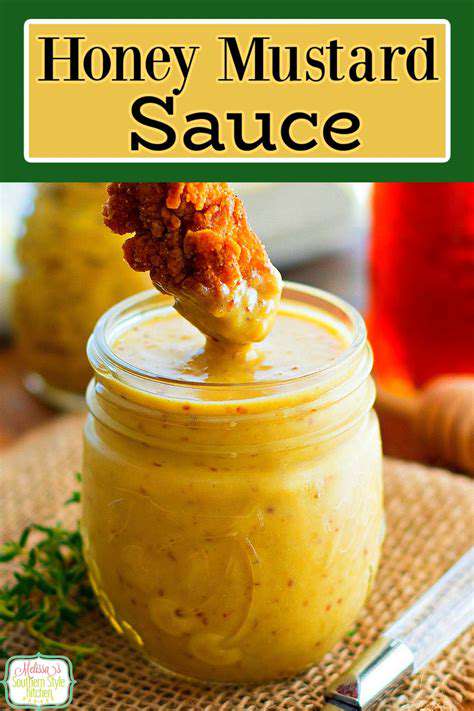
Ingredients for Homemade Honey Mustard
Creating your own honey mustard at home requires a simple list of ingredients. Primarily, you need mustard, honey, and a few additional flavors to enhance its taste. Specific ratios can make a big difference, so consider experimenting with Dijon mustard for a sharper flavor or yellow mustard for a milder taste.
In addition to honey and mustard, many recipes recommend using apple cider vinegar to balance the sweetness. You might also find that adding a pinch of salt can elevate the overall flavor. Don't hesitate to incorporate other ingredients like garlic powder or spices for a personal touch, allowing for a customized experience.
Nutritional Benefits of Honey Mustard
Honey mustard is not only delicious but also offers various health benefits. The combination provides a good source of vitamins and minerals, specifically B vitamins and antioxidants present in honey. These nutrients can aid in digestion, enhance skin health, and even boost immune function.
Another vital point is that using Homemade Honey Mustard can significantly reduce the intake of preservatives and artificial ingredients often found in store-bought variants. Why is this essential? Often, commercial sauces are loaded with added sugars and unhealthy additives that can hinder your weight loss efforts.
Healthier Sweetener Alternatives
If you're looking to minimize sugar intake, consider alternatives like agave syrup or maple syrup. Both options can be used in place of traditional honey while still maintaining a sweet flavor profile. These natural sweeteners not only add their unique tastes but also often contain additional nutrients compared to refined sugars.
Moreover, for those on a low-carb diet, using stevia or erythritol can be a solution, allowing you to enjoy the sweet and savory notes without the calorie load. Always taste-test to ensure the flavor remains balanced and enjoyable.
Adapting Honey Mustard for Different Dishes
Honey mustard’s versatility means it can complement a variety of dishes. You can use it as a dressing for salads, a marinade for chicken, or a dip for vegetables and pretzels. Its balance of sweet and tangy flavors can enhance everyday meals and snacks.
Consider pairing it with roasted meats or fish, as it can create a delectable glaze during cooking. You can blend it into sauces for sandwiches or wraps to elevate your lunch game.
Storage Tips for Homemade Condiments
- Use a clean, airtight container to store your honey mustard.
- Refrigerate to maintain freshness, which can last up to two weeks.
- Always check for any change in color or smell before using it.
Proper storage is crucial for preserving the quality of your homemade sauce. Always ensure the container is sterilized to avoid contamination. Refrigerating your honey mustard is essential, as it helps maintain its flavor and prevents spoilage.
If you notice any changes in smell or color, it's best to err on the side of caution and discard the batch. Homemade condiments are more sensitive to temperature variations compared to commercial versions.
Experimenting with Flavor Profiles
To keep your honey mustard exciting, experiment with various herbs and spices. Incorporating ingredients like smoked paprika, chili powder, or even fresh herbs can add depth to your sauce. Each addition will create new flavor profiles, making it a dynamic condiment.
You can also explore different mustards as a base to play with texture and taste. For example, using whole grain mustard can introduce a grainy texture, adding sophistication to the overall experience. Don’t shy away from tasting along the way!
Final Thoughts on Homemade Honey Mustard
In summary, homemade honey mustard offers a delightful balance of sweet and savory, alongside numerous health benefits. By making it yourself, you have control over ingredients, helping to promote a healthier lifestyle while being mindful of weight loss goals.
Embrace the flexibility of this condiment by trying new variations and using it in diverse recipes. The journey to creating a personalized honey mustard sauce can be both fun and rewarding.
Spicy Harissa: Adding Heat to Your Plate
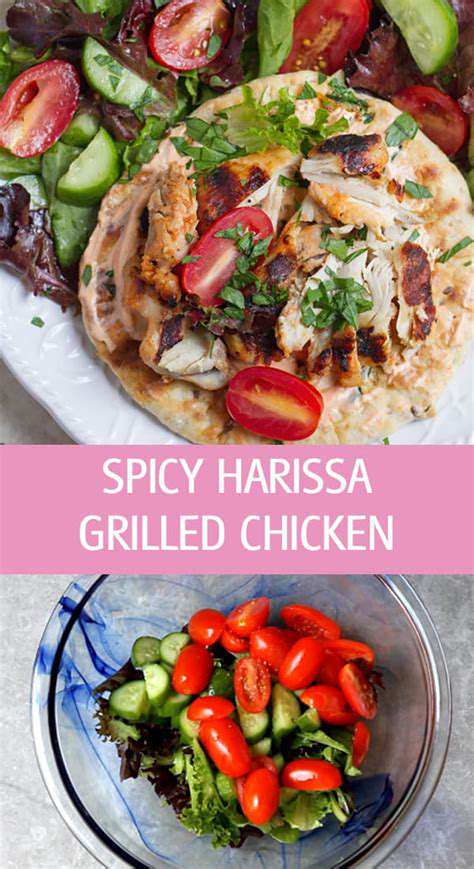
Understanding Harissa Ingredients
Harissa is a North African hot chili pepper paste that is celebrated for its robust flavor. The ingredients typically include roasted red peppers, hot peppers, garlic, and olive oil. Additionally, you might find spices like coriander, cumin, and caraway, all of which contribute to its distinct taste profile. Each region has its own variation, making it a versatile ingredient in many kitchens.
Known for its health benefits, harissa not only adds heat but also packs significant nutritional value. It is rich in antioxidants due to the various peppers used, which can help combat inflammation in the body. Using it as a condiment can enhance not just flavor but also the healthiness of your meals, making them more exciting.
- Harissa contains essential vitamins and minerals.
- It boasts a unique combination of spices that support digestion.
- Including harissa in meals promotes healthy weight loss.
How to Incorporate Harissa into Your Diet
Incorporating harissa into your diet can be both simple and rewarding. Try using it as a marinade for proteins like chicken or fish, as the heat can infuse flavor while encouraging healthier cooking methods like grilling or baking. For vegetarians, harissa can elevate roasted vegetables or grain bowls with an extra kick.
Another great idea is to blend harissa with yogurt to create a flavorful dipping sauce or dressing. This can act as a healthy alternative to heavier dressings while still providing creamy texture and spice. You can also toss it into soups or stews for depth, showing how adaptable this sauce is in various cuisines. Overall, the key is to experiment and find the balance that suits your palate.
Read more about Healthy Sauces for Weight Loss: From Pesto to Salsa

![What is the Mediterranean DASH Diet? [Benefits & How To]](/static/images/26/2025-05/MakingtheMediterranean-DASHDietaSustainableLifestyle.jpg)





Hot Recommendations
-
*How to Improve Running Speed: A Beginner’s Guide to Faster Miles
-
*Lower Back Pain and Traveling: Comfort Tips for Long Flights
-
*How Gratitude Reduces Stress and Improves Heart Health
-
*Running Your Best 10K: Pace and Endurance Strategy
-
*Preventing Running Cramps: Hydration and Nutrition Tips
-
*Best Stretches for Lower Back Pain Caused by Sitting All Day
-
*Cooking for One: Healthy Weight Loss Recipes
-
*Practicing Gratitude for Financial Health and Wellness
-
*Healthy Egg Recipes for Weight Loss Breakfasts
-
*Managing Lower Back Pain During Pregnancy: Safe Exercises