Nutritional Benefits
Muscle Preservation
Protein Sources
Dietary Guidelines
Nutrition
Weight Loss

High Protein, Low Carb Cooking for Weight Loss

Lean and protein-rich
  • Fish: Omega-3 fatty acids and low carbs
  • Plant-based proteins: Versatile and nutritious
  • The Importance of Healthy Fats

    Healthy fats are essential in a high-protein, low-carb diet. Foods rich in healthy fats, such as avocados, nuts, and olive oil, not only provide flavor but also promote satiety. Incorporating these fats can help balance meals and keep hunger at bay. For example, a tablespoon of olive oil adds healthy monounsaturated fat and enhances the absorption of fat-soluble vitamins.

    Research has shown that diets high in healthy fats can support weight loss more effectively than low-fat diets. Thus, including sources of healthy fats can aid dietary adherence and promote a feeling of fullness, which is vital for maintaining a weight loss plan.

    Incorporating Low-Carb Vegetables

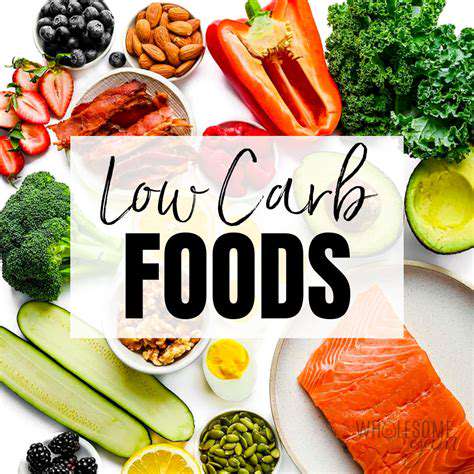
    When constructing meals, low-carb vegetables should take center stage. Options like spinach, zucchini, and bell peppers are nutrient-dense and low in calories. These vegetables can easily bulk up your meals while contributing valuable vitamins and minerals.

    Moreover, leafy greens like kale and arugula provide essential antioxidants that can help support overall health. Experimenting with different cooking methods, such as roasting or steaming, can enhance their flavors and make meals more appealing while sticking to low-carb guidelines.

    Flavoring Your Dishes

    Flavor is a vital part of making high-protein, low-carb meals enjoyable. Utilizing herbs and spices can turn a simple dish into a culinary delight. From garlic and basil to cumin and paprika, these ingredients not only add taste but come with health benefits as well.

    Additionally, incorporating natural flavor enhancers like lemon juice or vinegars can help boost the overall flavor profile without adding carbs. Finding your favorite combinations can transform your cooking experience and make sticking to your diet more pleasurable. Keep a range of herbs and spices on hand to keep your meals interesting and satisfying over time.

    Delicious High-Protein, Low-Carb Recipe Ideas

    Understanding Protein Needs for Weight Loss

    When considering a high-protein, low-carb diet, it's essential to first understand individual protein requirements. Seminal research from the Journal of Nutrition suggests that adults should aim for about 0.8 to 1.2 grams of protein per kilogram of body weight, depending on activity level. For active individuals, this number can be higher, providing the necessary support for muscle maintenance and recovery.

    Protein plays a crucial role in weight loss, primarily through its effect on satiety. Studies indicate that protein-rich meals can help reduce hunger levels, leading to lower overall caloric intake. Consequently, integrating protein into meals and snacks can promote a sustainable weight loss journey.

    Incorporating Lean Meats into Your Diet

    Lean meats, such as chicken breast, turkey, and lean cuts of beef, are cornerstone ingredients in high-protein recipes. These meats provide essential amino acids necessary for muscle repair and growth while being lower in calories and saturated fats compared to their fattier counterparts. For instance, a 3.5-ounce serving of skinless chicken breast provides around 31 grams of protein while containing just 165 calories.

    Consider marinating lean meats in herbs and spices to enhance flavor without adding carbohydrates. A simple marinade of olive oil, garlic, and rosemary can transform a basic chicken breast into a gourmet dish.

    Egg-Based Meals: Versatile and Nutritious

    Eggs are an excellent source of high-quality protein, making them perfect for low-carb recipes. Each large egg contains about 6 grams of protein and is rich in essential vitamins and minerals. They can be prepared in numerous ways, from scrambled to poached, offering flexibility in meal planning.

    Furthermore, egg-based meals can be loaded with vegetables such as spinach, bell peppers, and tomatoes, enhancing their nutritional profile significantly. An omelet with vegetables can easily surpass 20 grams of protein while keeping the carbohydrate count minimal.

    Exploring Plant-Based Protein Options

    While animal sources are well-known, plant-based proteins like lentils, chickpeas, and edamame can be excellent additions to a low-carb diet. For instance, a cup of cooked lentils contains about 18 grams of protein and is rich in fiber, promoting digestive health and keeping one full for longer periods.

    To maintain a low carbohydrate count while incorporating plant protein, consider recipes that blend these legumes with low-carb vegetables and healthy fats, such as in a lentil salad with olive oil and leafy greens. This not only boosts the protein content but also creates a colorful, appetizing dish.

    Protein-Packed Snacks for On-the-Go

    Snacking can be a challenge on a high-protein, low-carb diet, but there are many delicious options available. Greek yogurt, for instance, is not only creamy and delicious but also contains about 20 grams of protein per cup, making it an ideal snack choice. Opt for unsweetened varieties to keep added sugars to a minimum, or top with fresh berries for added flavor without significantly impacting carbs.

    Another great snack option is homemade protein bars. By combining protein powder, nut butter, and seeds, you can create a nutritious, low-carb bar that keeps you energized throughout the day.

    Healthy Cooking Techniques for High-Protein Meals

    How food is prepared can significantly impact its healthfulness. Techniques like grilling, baking, and steaming are generally healthier than frying, as they require less oil while preserving nutrients. For instance, grilling fish not only reduces calorie content but also offers a delightful flavor and texture.

    Consider exploring slow-cooking methods which allow flavors to meld beautifully while tenderizing tougher cuts of meat, making them more enjoyable to eat. Incorporating spices like cayenne or black pepper can also enhance flavor without adding carbs.

    Sample High-Protein, Low-Carb Meal Plan

    A well-planned meal schedule can help maintain consistency on your high-protein, low-carb journey. Start the day with scrambled eggs and sautéed spinach for breakfast. For lunch, a grilled chicken salad topped with avocado and feta cheese provides protein and healthy fats. Dinner might include baked salmon with asparagus and a side of cauliflower rice.

    Snacks can include almonds or a protein shake to keep energy levels high. Remember to adjust portion sizes based on calorie needs, ensuring that you stay within your personal macro goals. Tracking your meals can help ensure you meet your protein targets effectively.

    Tips for Success on a High-Protein, Low-Carb Diet
    TipsforSuccessonaHigh-Protein,Low-CarbDiet

    Understanding the Basics of a High-Protein, Low-Carb Diet

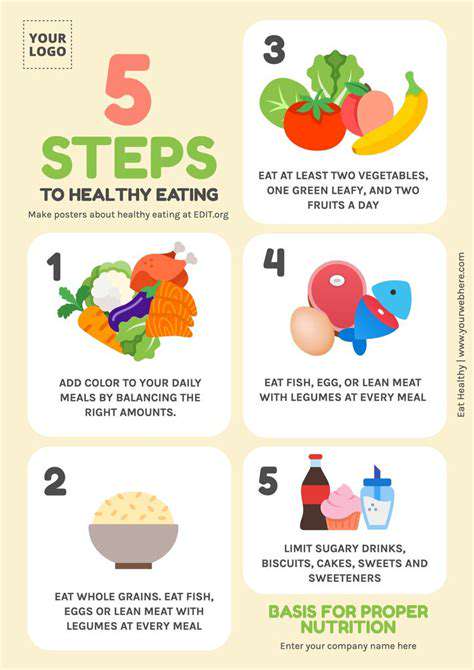
    A high-protein, low-carb diet primarily emphasizes protein intake while significantly reducing carbohydrate sources. This approach can lead to enhanced muscle retention, fat loss, and better metabolic control. Research shows that increasing protein can help with satiety, allowing you to feel fuller for longer.

    • Focus on lean meats, poultry, fish, and plant-based proteins.
    • Limit grains, pasta, and sugary foods.
    • Incorporate healthy fats for balanced nutrition.

    When considering this diet, include a variety of protein sources like eggs, legumes, and tofu to maintain nutritional diversity. Understanding macronutrients will allow you to make informed choices that align with your dietary goals.

    Meal Planning for Optimal Results

    Effective Meal Planning can significantly enhance your success on a high-protein, low-carb diet. Start by mapping out meals for the week, focusing on high-protein foods such as chicken breast, fish, and Greek yogurt. Having a structure in place minimizes the temptation to resort to convenience foods that may not align with your dietary goals.

    When creating your meal plan, consider incorporating different cooking methods, like grilling or baking, to enjoy a variety of flavors and textures. Don't forget to prepare snacks in advance; options like hard-boiled eggs or assorted nuts can provide a quick protein boost throughout the day.

    Incorporating Fiber-Rich Foods

    A common misconception is that low-carb diets must be devoid of healthy carbohydrates altogether. However, it’s crucial to include fiber-rich foods to support digestion and overall health. Think about integrating alternatives such as leafy greens, broccoli, and quinoa, which provide crucial nutrients without excessive carbs.

    These fiber sources enhance digestive health, promote gut biome diversity, and can even help regulate blood sugar levels. Including a range of vegetables and nuts not only fulfills your carb intake but also ensures you get vital vitamins and minerals.

    Monitoring Your Progress

    Tracking your progress is essential for maintaining motivation and ensuring you are meeting your dietary goals. Methods can include keeping a food diary or using apps specifically designed for dietary tracking. Regularly noting your meals will help identify patterns in what works best for you.

    Additionally, don't hesitate to adjust your protein and carb ratios based on your body's responses. Sometimes you may need to experiment with different foods to find what suits your taste and energy levels best. Staying adaptable and open-minded is key to long-term success.

    Common Mistakes to Avoid

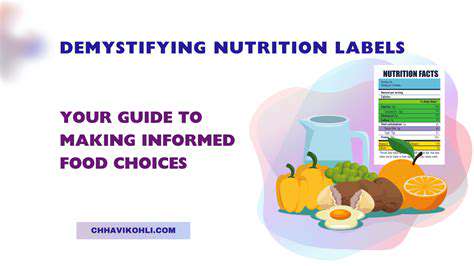
    Many individuals embarking on a high-protein, low-carb journey may unknowingly make mistakes that impede their progress. One common error is thinking that all low-carb options are healthy, such as processed low-carb snacks that may contain hidden sugars. Always read labels carefully to avoid surprises.

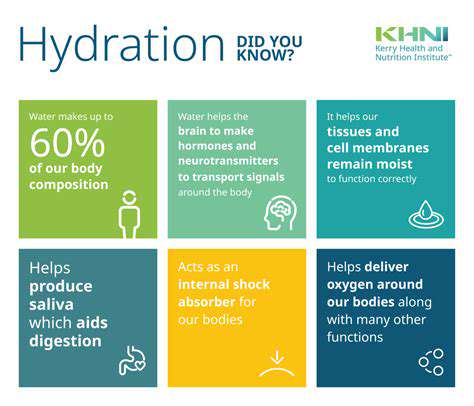
    Another pitfall is neglecting hydration; ensure you drink plenty of water, as high protein intake might demand increased fluid consumption. Additionally, be cautious of overly restrictive eating patterns, as they may lead to cravings and eventual lapses in your diet. Aim for a balanced approach that supports long-term sustainability.

    Read more about High Protein, Low Carb Cooking for Weight Loss

    Best Nutrition Strategies for Athletes (Fueling Performance)
    Apr 30, 2025
    How to Increase Your Vertical Jump with Plyometrics
    May 07, 2025
    Guide to Managing Type 2 Diabetes Naturally
    May 15, 2025
    Healthy Eating Tips for Travelers
    May 16, 2025
    Best Tips for Staying Hydrated Daily
    Jul 08, 2025
    Healthy Vegetarian Recipes for Weight Loss
    Jul 10, 2025
    Guide to Understanding Processed Foods and Their Risks
    Jul 29, 2025
    Guide to Managing Irritable Bowel Syndrome (IBS) Through Diet
    Aug 06, 2025
    Separating Facts from Myths for Weight Loss Understanding SuperfoodsSuperfoods, often touted for their exceptional nutritional profiles, include a variety of fruits, vegetables, grains, nuts, and seeds. While there isn't a formal definition for these nutrient-dense foods, examples such as blueberries, kale, and quinoa frequently come to mind. These foods are recognized for their high content of vitamins, minerals, and antioxidants that can significantly contribute to health. It's essential to approach the concept of superfoods with critical thinking, recognizing the difference between their advertised health benefits and actual effects. Superfoods and Weight ManagementResearch suggests that incorporating certain superfoods into your diet may support weight management. Foods high in fiber, such as legumes and whole grains, can promote feelings of fullness, helping reduce overall calorie intake. For instance, studies published in reputable journals show that diets enriched with fiber correlate with lower body weight and fat mass. Additionally, beverages like green tea contain catechins that may increase metabolism, providing additional support for weight loss goals. Incorporating Superfoods Into Your DietIncorporating superfoods into your daily regime doesn't have to be complicated. Start by gradually adding colorful fruits and vegetables to your meals. For example, enhance your morning oatmeal with berries or blend leafy greens into your smoothies. Experimenting with creative recipes such as quinoa salads or vegetable-loaded soups can make these nutritional powerhouses part of your everyday life.Key Strategies for Enjoying Superfoods:- Balance and Variety: Avoid limiting yourself to a handful of superfoods. Instead, ensure you rotate a variety of options to capitalize on different nutrients.- Mix and Match: Combine superfoods with proteins and healthy fats to enhance satiety and maintain energy levels.- Experiment with Recipes: Create unique dishes that highlight the natural flavors of superfoods while offering substantial health benefits. Debunking Weight Loss MythsOne prevailing myth is that consuming superfoods alone can lead to substantial weight loss. However, weight loss fundamentally relies on maintaining a caloric deficit, requiring a balanced approach to diet and exercise. Superfoods should supplement a well-rounded diet rather than serve as a substitute for sound nutrition practices. Key Takeaways- No Magic Solution: Superfoods can complement a healthy lifestyle, but they are not miracle foods.- Hydration Matters: Don't overlook the role of hydration in weight management—drinking enough water is vital.- Consult Professionals: For personalized advice, consult with nutritionists or dietitians to create a tailored eating plan that incorporates superfoods into your lifestyle effectively. The Final WordWhile superfoods like quinoa, kale, and berries can significantly contribute to your nutritional landscape, they should be seen as part of a broader dietary strategy. A holistic approach involving balanced meals, regular physical activity, and mindful eating habits is essential for sustainable weight management. Keep it colorful, varied, and full of life—your plate and your health will thank you!
    Feb 27, 2026
    While protein can enhance fullness, it's crucial to monitor total caloric intake.- Neglecting Variety: Diversifying your protein sources is key to a well-rounded diet.- Relying Too Much on Processed Products: Whole foods typically offer more nutrients than their processed counterparts.- Ignoring Nutritional Balance: Pairing protein with healthy fats and carbohydrates can support sustained energy levels. ConclusionIncorporating high-protein breakfasts into your routine can provide numerous advantages, including weight management, muscle support, and improved cognitive functions. By experimenting with diverse protein sources and meal prep options, you can create fulfilling and healthy breakfast choices that fit your lifestyle. Embrace the power of protein to kickstart your day with energy and satisfaction!
    Mar 01, 2026
    A Comprehensive GuideDiscover the nutritional wonders of plant-based proteins, perfect for anyone looking to enhance their diet with healthy, sustainable sources of nutrition. This guide delves into five powerhouse categories of plant-based proteins: legumes, quinoa, soy products, nuts and seeds, and plant-based protein powders. 1. Legumes: Nature's Protein PowerhouseLegumes, including beans, lentils, and peas, are rich in protein and fiber, making them a staple for vegans. With about 18 grams of protein per serving, they not only enhance muscle growth but also promote heart health through lower cholesterol levels. Learn to incorporate legumes into your meals with versatile recipes and cooking tips, supporting effective weight loss without sacrificing taste. 2. Quinoa: The Complete Protein GrainDubbed a superfood, quinoa is a complete protein containing all nine essential amino acids. Not only is it a nutrient-dense option rich in minerals like magnesium and iron, but its high fiber content aids in digestion and weight loss. Explore how to prepare quinoa and discover delicious ways to incorporate it into salads, bowls, and more! 3. Tofu and Tempeh: Essential Soy ProductsTofu and tempeh are excellent sources of protein and offer various health benefits. Tofu provides about 8 grams of protein per 100-gram serving and is rich in calcium, while tempeh takes the lead with 19 grams and probiotic benefits. Dive into creative cooking methods and meal-planning ideas to make the most of these versatile soy products. 4. Nuts and Seeds: Nutrient-Dense AdditionsPacked with healthy fats, protein, and essential nutrients, nuts and seeds play a crucial role in a balanced diet. Incorporate varieties like almonds and chia seeds for their health benefits and delicious flavors. This section highlights how to effortlessly add nuts and seeds to your meals for improved satiety and heart health. 5. Plant-Based Protein Powders: Convenient and VersatileFor an easy protein boost, explore the range of plant-based protein powders including pea, brown rice, and hemp proteins. These powders are not just convenient for post-workout recovery; they can also enhance smoothies and baked goods. Understand how to choose the right protein powder that enhances your diet without unnecessary additives. ConclusionWhether you’re vegan, vegetarian, or simply looking to incorporate more plant-based options into your meals, this guide provides essential insights and practical tips. Embrace the benefits of legumes, quinoa, soy, nuts, seeds, and plant-based protein powders to create a delicious and fulfilling diet that supports your health and wellness goals. Start your journey to mindful eating today for a healthier tomorrow!
    Mar 04, 2026
    The Nutritional Power of Soups and StewsDiscover the transformative benefits of soups and stews, the ultimate comfort food that can aid in your weight loss journey while keeping you nourished and satisfied through the colder months. Packed with essential vitamins, minerals, and fiber, each bowl can be a powerhouse of nutrition, promoting better health. Understanding the IngredientsSoups and stews are composed of a variety of ingredients, each contributing unique benefits. Leafy greens, such as kale and spinach, are not only rich in vitamins A, C, and K but also provide vital dietary fiber essential for digestive health. By incorporating low-calorie proteins like lentils and beans, you can enjoy hearty meals that foster feelings of fullness, which can be particularly helpful for weight management during the winter months. Calories and Health BenefitsRenowned for their versatility, both soups and stews can easily be modified to lower calorie counts while retaining their delightful flavors. Swapping cream for broth not only enhances taste but also significantly reduces calories, making them an excellent choice for weight loss. Research suggests that starting a meal with a broth-based soup can lead to reduced overall calorie consumption, which is especially beneficial as we gravitate toward heavier foods in the colder season. Simple Recipes to Get StartedCreating nutritious soups and stews at home can be a breeze. A basic vegetable soup can come to life with just onions, garlic, and a medley of your favorite vegetables cooked in vegetable broth. For a heartier option, try a chili overflowing with beans, tomatoes, and lean ground turkey or tofu—both rich in protein and fiber. The possibilities are endless, making it easy to explore various flavors and textures that cater to your personal palate. Low-Calorie Ingredients for Healthy Soups and Stews Vegetables That Pack a Nutritional PunchStart with vegetables, the foundation of any low-calorie dish. Greens, cruciferous veggies, and seasonal produce offer a wealth of vitamins with minimal calories, helping you maintain a healthy diet without sacrificing satisfaction. Lean Proteins for SatietyIncorporating lean proteins like chicken, beans, or seafood not only enhances flavor but also ensures you're getting the required nutrients for satiety. Herbs and Spices for Flavor EnhancementUtilizing herbs and spices can dramatically elevate your meals without adding calories. Simple ingredients like garlic and thyme can transform your dish while also providing health benefits. Seasonal Ingredients to Maximize FreshnessUsing seasonal produce ensures maximum freshness and nutrients in your soups and stews. Winter root vegetables like carrots and parsnips are not just low in calories but are also bursting with flavor. Ingredients like butternut squash add natural sweetness without extra calories. Tips for Maximizing Weight Loss with Soups and StewsUnderstanding the nutritional value of your ingredients is key. Focus on low-calorie vegetables and lean proteins while controlling portion sizes to manage your weight effectively. Enhance the flavors without added calories by experimenting with different herbs and spices. Elevate your winter cooking with these delicious soups and stews, designed to nourish, satisfy, and support your wellness journey. Embrace the comforting warmth and enjoy the myriad health benefits that come with every bowl.
    Mar 05, 2026
    View Publications>>

    Hot Recommendations