Vegan Protein Sources for Weight Loss Cooking
1. Nutritional Benefits of Legumes
Legumes, including beans, lentils, and peas, are extraordinarily rich in protein, making them an essential food source for those pursuing a vegan lifestyle. A typical serving of cooked lentils offers about 18 grams of protein, which is significant compared to some animal sources. Moreover, legumes are packed with fiber, vitamins, and minerals, which not only enhance digestion but also support overall health.
Incorporating a variety of legumes into your diet can provide a range of amino acids that promote muscle growth and repair. Studies have showcased that individuals consuming diets high in legumes often see improved heart health due to lower cholesterol levels. This makes legumes a smart choice for weight loss, especially when they replace higher-calorie meat and dairy products in meals.
2. Legumes and Weight Loss
Research has consistently shown that diets emphasizing legumes can be incredibly effective for weight loss. For instance, a study published in the 'American Journal of Clinical Nutrition' found that participants who added legumes to their meals experienced significant reductions in body weight over a six-month period. This is largely attributed to the high fiber content in legumes, which fosters a feeling of fullness and reduces overall calorie intake.
3. Versatile Cooking Techniques
One of the best aspects of cooking with legumes is their versatility. They can be used in salads, soups, stews, and even as meat substitutes in dishes like tacos and burgers. An easy and delicious way to incorporate lentils into your diet is by making a hearty lentil soup, where you can combine different vegetables and spices to enhance flavor. On the other hand, chickpeas can be roasted for a crunchy snack or blended into hummus for a creamy dip.
4. Combining Legumes with Other Foods
For optimal protein intake, it’s beneficial to pair legumes with other food sources. Combining legumes with whole grains, such as brown rice or quinoa, creates a complete protein profile that contains all essential amino acids. This pairing not only boosts nutrition but can also add diversity to your meals, making them more satisfying and enjoyable.
For example, a popular dish among vegans is the combination of black beans with quinoa, often referred to as a superfood duo. This combo can be served in bowls, salads, or even used in wraps, providing a nutrient-rich meal option that aids weight management.
5. Cooking Time and Preparation Methods
Preparing legumes requires some time, but the results are worth the wait. Dried legumes must be soaked before cooking to reduce cooking time and enhance digestibility. A quick soak involves boiling them for a few minutes and letting them sit, while an overnight soak is more traditional. Canned legumes are a convenient option; they're already cooked and can be rinsed and ready to eat within minutes, making meal prep easier.
6. Legume-Based Recipes to Try
There is a wealth of delicious recipes featuring legumes that fit perfectly into a weight loss-oriented vegan diet. One popular recipe is a Mediterranean chickpea salad, bursting with flavor and nutrition through the inclusion of tomatoes, olives, and a light vinaigrette. Another option is lentil tacos, where seasoned lentils serve as a fantastic meat alternative filled with spices and fresh toppings, maintaining taste without the added calories.
For a cozy evening, try preparing a black bean chili where you can incorporate a variety of veggies and spices. These recipes not only support weight loss due to their low-calorie nature but also satisfy those comfort food cravings.
7. Overcoming Common Challenges
While legumes offer numerous Health Benefits, some individuals may face challenges when incorporating them into their diets, such as digestive discomfort. It is advisable to introduce legumes gradually and ensure they are well-cooked to minimize any potential bloating or gas. Additionally, using spices, like cumin or ginger, can help enhance digestion and overall enjoyment of legume-based dishes.
2. Quinoa: A Complete Protein Grain
1. Nutritional Profile of Quinoa
Quinoa is often dubbed a superfood, and for good reason. It is a complete protein, containing all nine essential amino acids that our bodies do not produce. This makes it particularly beneficial for vegans who need to ensure they're getting a balanced array of amino acids in their diet. Additionally, quinoa is rich in fiber, with about 5 grams per cup, which aids digestion and contributes to feelings of fullness, making it a suitable choice for weight loss diets.
Moreover, quinoa is packed with vitamins and minerals such as magnesium, iron, and B vitamins. One cup of cooked quinoa can provide nearly 30% of your daily requirement of magnesium, which is pivotal for various bodily functions, including muscle and nerve function, blood sugar control, and blood pressure regulation. The mineral content in quinoa supports overall health, making it a well-rounded dietary option.
2. Health Benefits of Including Quinoa in Your Diet
Incorporating quinoa into your meals can help reduce the risk of chronic diseases. Research has shown that its high antioxidant content, including flavonoids like quercetin and kaempferol, can combat oxidative stress and inflammation, potentially lowering the risk of heart disease. Incorporating this nutritious grain into a balanced diet may offer protective benefits against cardiovascular disorders.
Furthermore, quinoa’s high protein and fiber content can support weight loss initiatives. Studies have indicated that high-protein diets are effective for weight management, as protein helps to reduce hunger and boosts metabolic rates. Quinoa provides a plant-based alternative to meat without sacrificing essential nutrients, making it a smart dietary addition for those looking to shed pounds.
3. Cooking and Using Quinoa in Recipes
Cooking quinoa is straightforward and versatile; it can be used in salads, as a side dish, or even as a breakfast porridge. To prepare it, rinse the seeds thoroughly to remove saponins, which can impart a bitter flavor. A common cooking ratio is 2 cups of water for every cup of quinoa, simmered for about 15 minutes until fluffy. This simple method preserves its nutty flavor and appealing texture, making it adaptable to various cuisines.
When using quinoa in recipes, consider pairing it with colorful vegetables and legumes for a nutritious, well-rounded meal. For instance, a quinoa salad with chickpeas, diced bell peppers, and a lemon-tahini dressing not only enhances its flavors but also boosts protein and nutrient intake. Additionally, using quinoa as a base for a grain bowl topped with roasted vegetables, avocado, and a sprinkle of seeds can make for a satisfying lunch or dinner option.
Lastly, for those looking to meal prep, quinoa can be made in advance and stored in the refrigerator for up to five days, making it a convenient option for quick meals throughout the week. Don't hesitate to experiment with different spices and herbs; this can greatly enhance the flavor profile, and keep your meals interesting and delightful.
3. Tofu and Tempeh: Soy Essentials for Vegan Diets

Understanding the Nutritional Profile of Tofu
- High in protein, providing essential amino acids.
- Rich in calcium, crucial for bone health.
- Contains isoflavones that may offer health benefits.
Tofu stands out as a popular choice among vegans, primarily due to its rich protein composition. In a 100-gram serving, tofu provides *approximately 8 grams of protein*, making it a fantastic source for those following a plant-based diet. In addition to protein, tofu is also rich in calcium, which is vital for bone health.
Moreover, tofu contains isoflavones, compounds linked to various health benefits, including reduced cholesterol levels and improved heart health. Notably, some studies suggest that these plant compounds may help to alleviate menopausal symptoms in women. Therefore, including tofu in your meals could have both nutritional and health-enhancing effects.
Incorporating Tempeh into Your Vegan Meal Plan
Tempeh, often overlooked, deserves attention as a versatile meat substitute. This fermented soy product carries a higher protein content than tofu—*about 19 grams per 100 grams*, which makes it an excellent choice for those looking to increase their protein intake. Beyond protein, tempeh is also a source of probiotics, which can support gut health.
When planning meals, consider using tempeh in stir-fries, salads, or sandwiches. Its firm texture lends itself well to various cooking methods, including grilling and pan-frying. Tempeh can easily absorb flavors from marinades or seasonings, allowing for diverse culinary creations. It's about experimenting until you find combinations that excite your palate!
Health Benefits of Soy Products for Weight Loss
Research shows that soy foods like tofu and tempeh can be beneficial for weight loss, primarily due to their high protein and fiber content. Diets rich in protein have been linked to *increased satiety*, which can lead to reduced calorie intake over time. This aspect is critical for those aiming to lose weight while adhering to a vegan lifestyle.
Furthermore, the low glycemic index of soy products may help in stabilizing blood sugar levels, which is essential for managing hunger and reducing cravings. Incorporating tofu and tempeh into a balanced diet not only Supports weight loss efforts but also contributes to overall health improvements, such as better muscle maintenance and metabolic function. However, it is essential to consume these in moderation and as part of a varied diet.
4. Nuts and Seeds: Nutrient-Dense Protein Sources
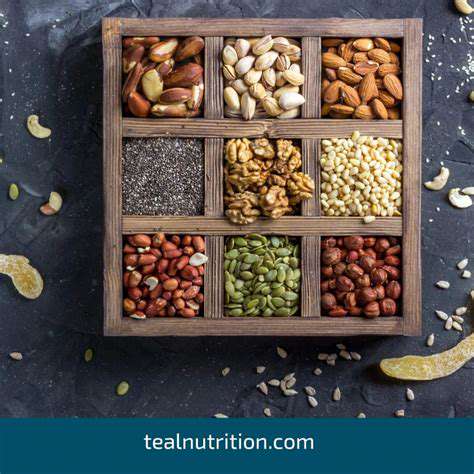
Benefits of Including Nuts and Seeds in Your Diet
Incorporating nuts and seeds into your diet can offer numerous health benefits. These foods are rich in healthy fats, protein, and essential nutrients. Studies suggest that people who consume nuts regularly have a lower risk of heart disease and obesity. Adding these nutrient-dense foods can boost satiety, making it easier to manage weight. Their high fiber content also aids in digestion, supporting overall gut health.
This makes them an excellent choice, especially for individuals aiming for weight loss. Various nuts and seeds like almonds, walnuts, flaxseeds, and chia seeds provide a plethora of vitamins and minerals. For instance, almonds are high in vitamin E, which is known for its antioxidant properties. Thus, regular consumption can contribute to a more balanced and health-conscious diet.
How to Incorporate Nuts and Seeds into Meals
- Sprinkle seeds on salads for added texture and nutrition.
- Include nuts in smoothies for a protein boost.
- Use nut butters as spreads on whole grain toast.
- Add crushed seeds to baked goods for healthier snacks.
When it comes to making meals more nutritious, nuts and seeds can be incredibly versatile. They can be tossed into salads, added to oatmeal, or blended into smoothies to enhance texture and flavor. For a quick snack, consider nut butter on whole grain toast or fruit for a satisfying and healthy option. These easy additions ensure you are not only enjoying great flavors but also getting a significant protein boost.
Choosing the Right Nuts and Seeds
Selecting nuts and seeds with the highest Nutritional Value can be crucial for your diet. Walnuts and chia seeds offer omega-3 fatty acids that are vital for heart health. On the other hand, nuts like Brazil nuts are a great source of selenium, which plays a pivotal role in metabolism and thyroid function. Opting for raw or dry-roasted versions is recommended, as processed varieties often contain added sugars and unhealthy fats.
Personal preferences also play a role in choosing nuts and seeds. For those looking for a quick crunch, sunflower seeds are not only tasty but also easy to incorporate. Meanwhile, almonds can provide a delightful snack while offering essential nutrients. Remember, moderation is key as these foods are calorie-dense.
Potential Concerns and Considerations
While nuts and seeds are beneficial, some people may have allergies or intolerances that should be recognized. It's crucial to understand personal health conditions when adding these foods to your diet. For example, tree nut allergies can be severe and require careful avoidance of such products. If you suspect any allergic reactions, consulting a healthcare professional is essential.
It’s also important to keep tracking portion sizes because the high calorie content can lead to unintended weight gain when consumed excessively. Aim for a handful a day to reap the benefits without overdoing it. Incorporating a diverse range of nuts and seeds can also help to ensure a balanced intake of nutrients and diminish any risk of developing an allergy to a single type.
5. Plant-Based Protein Powders: Convenient Protein Boosts
Understanding Plant-Based Protein Sources
Plant-Based Protein Powders have become a popular option for individuals seeking to incorporate more protein into their diets. Pea protein, brown rice protein, and hemp protein are among the most well-regarded options. Each provides essential amino acids crucial for muscle repair and growth. Pea protein, for instance, contains about 25 grams of protein per 30-gram serving, making it a potent competitor compared to traditional whey protein.
Research indicates that plant-derived proteins can support muscle growth and weight management effectively. A study published in the Journal of Nutrition demonstrated that participants consuming plant-based protein saw comparable increases in muscle mass when combined with strength training as those who consumed animal protein. Overall, the blend of credibility and effectiveness makes plant-based powders a staple for health-conscious individuals.
Benefits of Incorporating Protein Powders
One of the standout benefits of using plant-based protein powders is their convenience. They can be easily mixed into smoothies, soups, and baked goods, providing a hassle-free way to boost protein intake. This versatility means you can integrate them into meals without much effort, and they often come in various flavors, enhancing the taste of bland dishes.
Moreover, using protein powders can aid in post-workout recovery. A good dose of protein helps repair muscles and replenish energy stores. For those engaged in intense workout regimens, incorporating protein powder into a recovery shake can be a game-changer, ensuring your body gets what it needs when it needs it.
Nutritional Considerations When Choosing a Powder
When selecting a plant-based protein powder, it is crucial to look beyond just the protein content. Check for the presence of added sugars, artificial ingredients, and fillers, which can diminish overall nutritional value. Ideally, you should seek products with minimal ingredients, with protein as the primary component, supplemented with fiber or greens for added health benefits.
Furthermore, assess the amino acid profile. Not all plant-based proteins are complete, meaning they don’t contain all nine essential amino acids. A combination of sources, such as rice and peas, can create a complete protein profile. Therefore, understanding these nuances will help in making a more informed choice.
How to Incorporate Protein Powders into Your Diet
Incorporating plant-based protein powder into your diet can be straightforward and enjoyable. Start your day with a protein smoothie by blending your choice of fruit, leafy greens, and a scoop of protein powder. This makes for a nutritious breakfast that can keep you full and focused.
Alternatively, consider adding protein powder to oatmeal or yogurt for an extra protein punch. You can also use it in baking; for example, substituting part of the flour in your muffin recipes with protein powder boosts the meal's overall nutritional content, making it a smart addition for meal prep enthusiasts.
Potential Drawbacks and Considerations
While plant-based protein powders can serve as an effective supplement, they are not without drawbacks. Some individuals may experience digestive issues such as bloating, especially with protein powders high in fiber or those containing added digestive enzymes. It's important to listen to your body and start with smaller amounts to assess tolerance.
Additionally, some people might find plant-based protein powders to have a gritty texture compared to traditional whey protein. To mitigate this, opting for high-quality brands that undergo thorough processing can help. It’s wise to read reviews and possibly sample different brands to find a texture and flavor combination that suits your preferences.
Read more about Vegan Protein Sources for Weight Loss Cooking
![What is the Mediterranean DASH Diet? [Benefits & How To]](/static/images/26/2025-05/MakingtheMediterranean-DASHDietaSustainableLifestyle.jpg)
![Best Food Sources for Iron [Vegetarian and Non Vegetarian]](/static/images/26/2025-05/BeyondFood3ALifestyleConsiderations.jpg)






Hot Recommendations
-
*Low Carb Cooking Tips for Rapid Weight Loss Results
-
*The Benefits of Inversion Tables for Lower Back Pain
-
*Healthy Stir Fry Recipes for Quick Nutritious Meals
-
*Common Causes of Lower Back Pain and How to Fix Them
-
*Guide to Building Optimism and a Positive Outlook
-
*Health Tips for Gamers (Ergonomics, Eye Strain Prevention)
-
*Best Tips for Incorporating More Sunlight Into Your Day
-
*Guide to Practicing Minimalism for Less Stress
-
*Best Exercises for People with Asthma
-
*Understanding ADHD in Adults