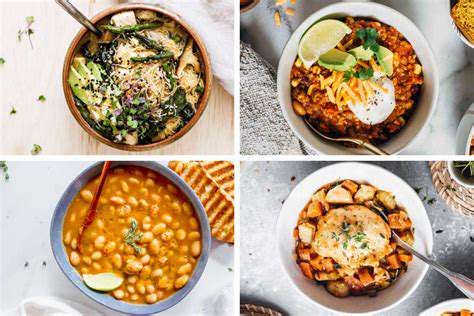
Healthy Soups and Stews for Cold Weather Weight Loss
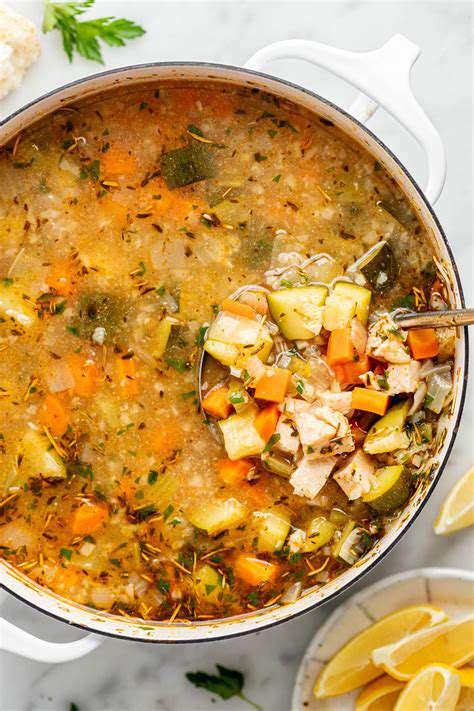
When creating healthy soups and stews, focus on incorporating lean proteins and a variety of colorful vegetables. These ingredients not only provide essential nutrients but also add depth of flavor, making meals more enjoyable. For example, beans are an excellent source of protein and fiber, perfect for filling you up without adding too many calories.
Quick and Easy Soup Recipes
If time is a constraint, quick soups can be a lifesaver. A simple vegetable broth with added beans can be prepared in under 30 minutes, offering both nutrition and taste. You can even make use of frozen vegetables for convenience, thus reducing prep time significantly.
Another fast recipe is a minestrone soup packed with seasonal veggies and whole grains like barley or quinoa. These options provide flavor and additional fiber that keeps hunger at bay longer.
Cooking Techniques for Flavorful Stews
Cooking techniques are crucial in creating the perfect stew. Slow-cooking allows flavors to meld beautifully, enhancing the overall taste. This method usually results in tender meats and perfectly cooked vegetables. However, don’t underestimate the power of browning your meat beforehand to develop a rich flavor profile.
Moreover, incorporating acidity—like tomatoes or a splash of vinegar—can brighten up the dish, providing a balance that cuts through richness. Experimenting with different herbs can also personalize your stews, making them unique to your palate.
Storing and Reheating Your Winter Favorites
Proper storage of soups and stews can extend their freshness and usability. It’s advisable to cool them down before refrigerating or freezing to prevent bacterial growth. Most soups can last in the fridge for 3-4 days, while frozen soups are best consumed within 2-3 months for optimal taste.
When reheating, do so gently on the stove or in a microwave, adding a splash of water or broth to prevent it from drying out. This not only keeps the dish moist but also revitalizes the flavors. Always taste before serving to adjust seasonings, as flavors can become muted over time.
Tips for Maximizing Weight Loss with Soups and Stews

Understanding Nutrition in Soups and Stews
When focusing on weight loss, it's essential to understand the nutritional value of the ingredients you use in soups and stews. Opting for low-calorie vegetables, lean proteins, and legumes can enhance your meals without breaking your caloric budget. High-fiber foods not only aid digestion but also contribute to satiety, helping you feel full longer.
Consider incorporating ingredients rich in vitamins and minerals. For instance, kale, carrots, and tomatoes offer an excellent source of antioxidants that can promote overall health and support weight loss. Research indicates that diets rich in such nutrients can enhance metabolic rate and improve fat loss.
- Focus on low-calorie vegetables to keep your meals nutritious.
- Incorporate lean proteins and legumes to boost satiety.
- Add nutrient-rich ingredients to enhance your overall health.
Portion Control and Satisfying Ingredients
Managing portion sizes in your soups and stews can significantly influence your weight loss journey. Using a smaller bowl can trick your brain into feeling satisfied with less food, which is vital for effective calorie control. A 2019 study published in the American Journal of Clinical Nutrition showed that visual cues, such as portion size, can play a major role in how much food we consume.
Including hearty, satisfying ingredients is key. Whole grains, like brown rice or quinoa, can provide a sense of fullness that deters snacking. Additionally, starchy vegetables, such as sweet potatoes or pumpkin, not only enhance flavor but also add bulk to your meals without excessive calories.
Flavor Without Calories: Using Herbs and Spices
To maximize flavor without adding calories, using herbs and spices is a great strategy. Experimenting with various spices like cumin, paprika, and fresh herbs can elevate the taste of your soups and stews without turning them into calorie-laden dishes. Flavor-packed meals can boost enjoyment, making it easier to stick to a weight loss plan.
On top of enhancing taste, certain herbs and spices may even aid in weight loss. For instance, chili powder contains capsaicin, which can increase metabolism and promote fat loss. Incorporating a variety of seasonings not only benefits your palate but can also contribute to your overall weight management efforts.
Read more about Healthy Soups and Stews for Cold Weather Weight Loss

![Best Snacks for Diabetics [Approved List]](/static/images/26/2025-05/HealthyFatsandComplexCarbohydrates.jpg)