Training for a Sub 20 Minute 5K: Expert Tips
In addition to time-based goals, consider what you wish to accomplish with your overall running. Are you looking for an improvement in your endurance or perhaps a decrease in injury rates? Establishing these additional goals allows for a well-rounded training approach that enhances not just speed but overall capability on race day.
Creating a Balanced Training Schedule
Your training plan should include varied workouts that target different aspects of running performance. A structured week might include intervals, tempo runs, long runs, and rest days. For example, interval training can involve repeated short bursts of fast running followed by recovery periods, which helps improve speed and aerobic capacity. A common structure is 6-8 x 400m intervals with 90 seconds rest in between.
It's essential to remember that without sufficient recovery, your body won't adapt positively to training stimuli. Scheduling at least one complete rest day per week allows muscle recovery and prevents burnout, which is vital for any athlete aiming for peak performance.
Monitoring Progress and Adjusting the Plan
No training plan is set in stone; it should be dynamic and responsive to your progress. Tracking your workouts through a running app or journal can help you visualize improvements over time in pace and endurance. Compiling results from workouts, including perceived exertion, can give you a clearer understanding of your efforts and highlight areas needing modification.
Be prepared to adjust your goals or training methods. If you notice consistent struggles with a specific type of workout, it may warrant a reevaluation of your approach. Adopting periodization techniques can also be beneficial, breaking your training into cycles that emphasize different aspects of performance—like speed, endurance, and recovery—helping to maintain your enthusiasm while avoiding plateaus.
Incorporating Speed Work and Interval Training

Understanding the Basics of Speed Work
Speed work is an essential component of training for any runner aiming to improve their performance, especially for a sub-20 minute 5K. Incorporating speed work into your routine can significantly enhance your overall speed and efficiency. This type of training typically involves varying your pace through short bursts of high-intensity running followed by recovery intervals.
In practice, this could mean running at your target 5K pace for a specified distance, followed by a period where you jog or walk to recover. Popular methods include tempo runs, fartlek sessions, and track workouts. According to research from the Journal of Sports Sciences, athletes who incorporate speed workouts report better results in their race times compared to those who focus solely on distance training.
- Speed work enhances running efficiency.
- It includes various methods like tempo runs and fartlek.
- Short bursts improve race times significantly.
Structuring Your Interval Training Sessions
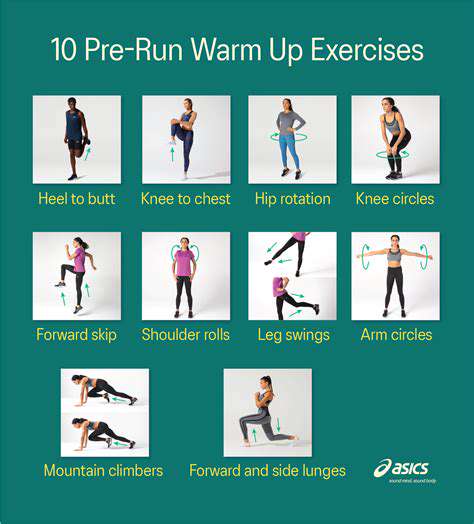
To effectively improve your speed and endurance, it's vital to structure your interval training properly. Each session should begin with a thorough warm-up, gradually increasing your heart rate and preparing your muscles for the impending exertion. A focused interval workout could consist of 4-8 sets of 400 meters at a pace faster than your 5K goal, with recovery periods of equal distance.
Beyond the basic structure, consider including different lengths and intensities in your intervals. For instance, alternating between shorter, high-intensity intervals and longer, moderately intense runs can produce substantial improvements in cardiovascular fitness. Research from Sports Medicine suggests that runners doing varied intervals see an increase in their lactate threshold, translating to better performance on race day.
Monitoring Progress and Making Adjustments
As you incorporate speed work and interval training, continuously monitoring your progress is key to ensuring effectiveness. Tracking metrics such as your lap times, heart rate, and perceived exertion can help you understand how your body responds to training. Adjusting your workout intensity based on this feedback not only optimizes your training but also minimizes the risk of overtraining.
Keep an eye on how your race times are changing as well. If you notice your times plateauing, it may be beneficial to mix up your speed work routine or increase the intensity of your intervals. Moreover, coming back to the basics of recovery is crucial; never underestimate the Importance of Rest days to allow your body to adapt and grow more efficient.
Building Endurance Through Long Runs
The Importance of Long Runs in Endurance Training
Long runs serve as the cornerstone of endurance training, particularly for those aiming to excel in middle-distance events like the 5K. These runs increase your aerobic capacity and improve your cardiovascular health, making it easier to maintain a fast pace over longer distances. Research has shown that integrating long, slow runs into your training can enhance your endurance while reducing injury risk, thanks to improved muscle and joint resilience.
Moreover, long runs teach your body how to metabolize fat more efficiently and utilize carbohydrates wisely, which is crucial for sustained energy during races. Experiencing a variety of paces during these runs helps you learn how your body responds to different intensities, allowing you to strategize better during competitive events.
Determining Your Long Run Distance
Identifying the appropriate distance for your long runs generally depends on your current fitness level and training goals. For most amateur runners, a common rule is to aim for long runs that are at least 20% of your weekly mileage. For instance, if you're targeting a sub-20 minute 5K, your long runs could range anywhere from 6 to 10 miles, aligning with your overall training objectives, whether that’s building endurance or improving speed.
Additionally, make adjustments based on how your body feels each week. Listen to your own fatigue signals; if you're overly tired or strained, it’s okay to scale back the distance. Adjusting your long run is part of training smart.
Programming Long Runs into Your Weekly Schedule
Integrating long runs into your weekly routine is essential for consistent progress in building endurance. Most athletes find Saturday or Sunday to be ideal days for these sessions, allowing for adequate recovery afterward. It's wise to pair your long run with a balanced training plan that includes easy runs, speed work, and rest days.
In crafting your schedule, consider starting your long runs at a comfortable pace and gradually increasing the distance each week by about 10%. This concept, known as the 10% rule, minimizes injury risks while allowing for progressive overload, a key principle in strength and endurance training.
Nutrition Strategies for Long Runs
Proper nutrition is paramount when preparing for long runs. In the days leading up to your run, be mindful of your carbohydrate intake to ensure your glycogen stores are optimized. During the run itself, consider bringing along energy gels or sports drinks to replenish your electrolytes and carbohydrates, particularly during runs exceeding 90 minutes. Research suggests that taking in 30 to 60 grams of carbs per hour can significantly sustain performance.
After your long run, don’t neglect recovery nutrition. Focus on protein-rich foods to aid muscle repair and carbohydrates to replenish glycogen levels. A combination of these nutrients within 30 minutes post-run can improve recovery times, enabling you to hit your training targets over the following days.
Form and Technique During Long Runs
Maintaining proper form during long runs is crucial to prevent injury and maximize efficiency. Focus on your posture; keep your head up, shoulders relaxed, and arms at a 90-degree angle. Your feet should strike the ground lightly, ideally under your body rather than reaching ahead too far, which can cause undue stress on your joints.
As fatigue sets in, it can be easy to lose proper form. Be mindful of this, and take short breaks or incorporate a walk if necessary to reset your posture. Engaging in core-strengthening exercises on rest days can also enhance your form during long runs.
Recovery Techniques After Long Runs
Effective recovery is key to reaping the benefits of your long runs. Immediately post-run, cool down with a brisk walk to gradually lower your heart rate, followed by stretching to maintain flexibility. Incorporating foam rolling can alleviate muscle tightness and soreness, speeding the recovery process.
Consider scheduling rest days or light cross-training activities like swimming or cycling the day after a long run. This active recovery approach allows your body to heal while keeping you engaged in your training plan. Hydration and nutrition shouldn't be overlooked during recovery, as these are essential for replenishing lost fluids and nutrients.
Assessing Progress and Adjusting Your Long Run Strategy
Progress in endurance training, particularly through long runs, should be monitored diligently. Keep a training log that tracks your distance, pace, and how you feel during each run. This self-assessment helps identify patterns or insights regarding your performance, allowing for informed adjustments to your training strategy.
If you find that your long runs affect your speed or leave you fatigued for upcoming sessions, it might be time to reconsider your pace or even the distance. Regular evaluation of your training will help ensure that each component aligns well with your ultimate goal of achieving a sub-20 minute 5K. Tailoring your strategy based on data will lead to better outcomes and help you remain injury-free.
Nourishing Your Body for Optimal Performance

Understanding Macronutrients
When it comes to fueling your body for optimal performance, it's vital to understand the role of macronutrients—proteins, fats, and carbohydrates. Each of these macronutrients plays a unique role in a runner's diet, particularly for those aiming to achieve a sub-20 minute 5K. Carbohydrates are fundamental as they provide the necessary energy for high-intensity training.
Proteins are essential for muscle repair and growth, making them an important part of recovery post-workout. On the other hand, healthy fats support hormonal balance and also serve as a second source of energy during prolonged exercise. A balanced intake of these macronutrients not only fuels your performance but also enhances recovery.
Hydration: The Unsung Hero
- Staying hydrated is crucial for maintaining peak performance.
- Fluid loss can lead to fatigue and decreased endurance.
- Electrolytes play a vital role in hydration, especially during long runs.
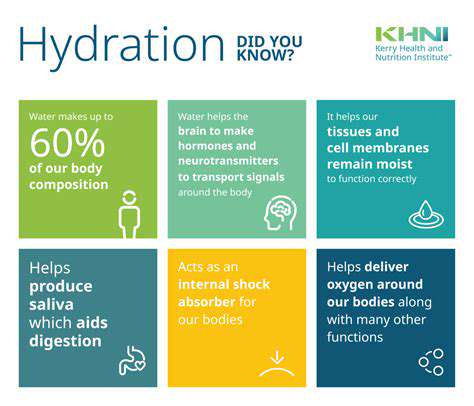
Hydration often gets overlooked when discussing nutrition, yet it's an integral component of running success. Studies have shown that even a 2% decrease in body weight from fluid loss can impair performance significantly. Therefore, regular fluid intake should be part of your training routine.
Incorporating electrolytes, especially during training sessions lasting longer than an hour, can further optimize performance. Sports drinks may help, but be cautious of added sugars—water and natural electrolyte sources can be equally effective without unnecessary calories.
Meal Timing and Frequency
Timing your meals can significantly influence your training outcomes. Consuming a balanced meal 2-3 hours before training allows ample time for digestion, ensuring that your body has the necessary energy ready. This can enhance your performance, especially during intense workouts. Similarly, refueling within 30 minutes post-exercise is critical for recovery.
Many runners find that smaller, more frequent meals provide consistent energy levels throughout the day. Instead of three large meals, consider spreading your intake over five to six smaller meals, incorporating a mix of macronutrients to keep your body well-fueled and satisfied.
Foods to Incorporate into Your Diet
Specific food choices can elevate your nutritional intake significantly. Whole grains like quinoa and brown rice offer complex carbohydrates essential for energy, while lean proteins such as chicken, fish, or plant-based alternatives support muscle recovery. Additionally, incorporating a variety of vegetables and fruits ensures you get essential vitamins and minerals necessary for overall health.
A diet rich in antioxidants from sources like berries and leafy greens can combat inflammation, which is critical for any athlete. Incorporating these foods will not only enhance your performance but also support your body’s ability to recover effectively.
Rest and Recovery: The Keys to Success
Understanding the Importance of Rest
Rest is not just a break from training; it's essential for allowing your body to recover and adapt. Research indicates that muscle recovery occurs during rest periods when the body repairs damaged tissues and builds new muscle fibers. This physiological process is vital for athletes aiming to improve their performance and endurance.
Furthermore, lack of adequate rest can lead to overtraining, which may cause injuries and burn-out. A balanced training program must include recovery days, emphasizing the need for rest as a core component of an effective training regimen. Incorporating these practices will ensure you're always in peak condition.
Types of Recovery: Active vs. Passive
Active recovery involves low-intensity activities like walking or light cycling on rest days. This method promotes blood circulation and helps in flushing out metabolic waste products from intense workouts. Conversely, passive recovery focuses on complete rest, allowing the body to recuperate more completely. Both methods play an essential role in an athlete's recovery process.
Determining which recovery strategy to use largely depends on the intensity of your previous workouts and your overall training schedule. For instance, after a long, intense run, you might benefit more from passive recovery, while after shorter, less strenuous sessions, you could opt for active recovery. Balancing these methods enhances overall performance effectively.
The Role of Sleep in Recovery
Sleep plays a crucial role in physical recovery. Studies suggest that athletes who prioritize sleep experience improved performance due to better hormone regulation, muscle recovery, and mental clarity. Aim for at least 7-9 hours of quality sleep per night to maximize recovery benefits.
Additionally, establishing a consistent sleep schedule can enhance the quality of your rest. Creating a pre-sleep routine—like limiting screen time or consuming herbal teas—can also contribute positively to your recovery. Making sleep a priority may significantly impact your performance in training and races.
Nutrition's Impact on Recovery
Your nutrition choices directly influence your recovery. After a workout, consuming a combination of carbohydrates and protein can help replenish glycogen stores and promote muscle recovery. Aiming for a ratio of 4:1 carbs to protein within 30 minutes post-exercise is widely recommended by nutritionists.
Moreover, staying hydrated is crucial for recovery, as dehydration can lead to fatigue and impaired performance. Incorporating nutrient-dense foods like fruits, vegetables, lean proteins, and whole grains into your diet will optimize your recovery process and support higher training loads.
Listening to Your Body: Signs You Need More Recovery
Athletes must develop the skill of listening to their bodies. Key signs that you may need more recovery include persistent fatigue, decreased performance, and increased irritability. Monitoring your heart rate and perceived exertion can also provide insights into your recovery needs.
Implementing regular self-assessments and possibly keeping a training journal can help you gauge when to push harder and when to pull back. If you notice these signs, consider adjusting your training intensity or adding additional recovery days to avoid the risk of injury.
Integrating Recovery into Your Training Plan
To enhance your 5K training program, integrate rest and recovery days strategically. A good practice is to follow high-intensity workouts with a rest day or a low-intensity recovery session. Mapping this out in your weekly training schedule can help you stay organized and focused on your goals.
Consider periodization in your training plan, where you cycle through phases of intense training followed by recovery weeks. This method ensures you maintain peak performance while minimizing the risk of overuse injuries as you prepare for your races.
Recovery Tools and Techniques
There are various tools and techniques available to aid in recovery. Foam rollers, massage balls, and compression garments can significantly help in alleviating muscle soreness and stiffness. Many athletes also find benefits from ice baths or contrast therapy for rapid recovery.
Incorporating more restorative practices, such as yoga and stretching, can enhance flexibility and aid recovery, contributing to overall athleticism. Explore these options to find a routine that supports your individual recovery needs while enhancing your overall performance.
Read more about Training for a Sub 20 Minute 5K: Expert Tips
![Best Food Sources for Iron [Vegetarian and Non Vegetarian]](/static/images/26/2025-05/BeyondFood3ALifestyleConsiderations.jpg)





![How to Build Muscle Without a Gym [Beginner Guide]](/static/images/26/2025-07/NutritionandRecovery3AFuelingYourGains.jpg)