Progression Runs: How to Safely Build Speed and Distance
Table of contents
- Progression runs gradually increase pace for improved endurance and speed.
- Incorporating them weekly enhances race performance and mental resilience.
- Starts with a warm-up, followed by intervals at increasing speeds.
- Avoid starting too fast to prevent early fatigue and injuries.
- Progression runs help improve VO2 max and running economy.
- They enhance mental toughness, beneficial for races and personal challenges.
- Aid in injury prevention by varying pace and reducing muscle strain.
- Use GPS tools to track progress and adapt training goals.
- Warm up properly and adjust pace based on daily comfort.
- Recovery is crucial; incorporate stretching and hydration post-run.
What Are Progression Runs?
Understanding the Basics of Progression Runs
Progression runs are an essential component of a well-rounded training plan, specifically designed to gradually increase pace and intensity over a designated distance. Typically, a progression run starts at an easy pace, allowing for proper warm-up, and then gradually increases the speed until reaching a challenging pace by the end of the run. This structure not only improves endurance but also enhances speed, providing a dual benefit for athletes.
Research has shown that incorporating progression runs into a training regimen can significantly improve race performance. Studies recommend that athletes aim to complete these runs at least once a week, as they stimulate both aerobic and anaerobic systems, providing a balance that is crucial for distance runners. Furthermore, they foster mental resilience by training athletes to push through discomfort in the latter part of a run.
How to Structure a Progression Run
Structuring a progression run requires careful planning to ensure you Maximize its benefits while minimizing the risk of injury. A typical structure might involve starting with a 10-15 minute warm-up at a conversational pace, followed by gradually increasing the pace in segments—often divided into 5-minute or 10-minute intervals—leading up to a faster finish in the last part of the session. This gradual increase encourages your body to adapt effectively, a principle supported by various coaching methodologies.
Common Mistakes to Avoid
One common mistake that runners make during progression runs is starting too fast, which can lead to early fatigue and a less effective workout. Instead, it's crucial to focus on a strategic pacing approach. Another pitfall is neglecting recovery; skipping rest days or recovery runs can hinder overall progress and potentially lead to injuries. Consistency is key, and it’s vital to listen to your body, adjusting paces and distances as needed.
Additionally, not mixing up the terrain or environment can limit the potential benefits. Incorporating varied surfaces—such as trails, grass, or track—can enhance strength and reduce monotony, making progression runs more engaging and effective.
Benefits of Progression Runs
The benefits of progression runs extend beyond simple speed improvements. They increase VO2 max, enhance running economy, and improve Mental Toughness, which can be critical during races. Most importantly, progression runs help runners learn pacing strategies essential for race day, reducing the likelihood of burnout in long-distance events. As training expert Jack Daniels states, gradually ramping up intensity leads to better adaptation over time.
Moreover, these runs can contribute to injury prevention. They help runners develop joint and muscular strength through consistent pacing adjustments without overwhelming the body. The controlled increase in intensity provides a manageable challenge, enabling athletes to build resilience safely.
Integrating Progression Runs into Your Training Plan
To effectively integrate progression runs into your training plan, consider your current fitness level and race goals. If you’re preparing for a marathon, it’s wise to include a longer progression run on a weekly basis while balancing it with shorter, more intense workouts during the week. Many coaches suggest starting at distances of 4-5 miles and gradually increasing them as your fitness improves.
Monitoring your progress is also essential. Tools such as GPS watches or fitness applications can help track your pace and distance. Tracking not only keeps you accountable but also provides valuable data to analyze over time. For best results, remember to vary your focus, occasionally incorporating different speeds and distances to prevent plateauing in your training progress.
The Benefits of Progression Runs
Improved Aerobic Capacity
Progression runs are remarkably effective for enhancing aerobic capacity, which is essential for long-distance running. When you gradually increase your pace, your body learns to utilize oxygen more efficiently, leading to better endurance. Research indicates that progressively increasing intensity during training can yield greater improvements in fitness levels compared to static pacing. This Enhanced Aerobic Capacity is crucial not just for competitive runners, but for anyone looking to optimize their overall cardiovascular health.
During a progression run, the heart rate rises gradually, prompting the cardiovascular system to adjust and adapt. As a result, runners might find they can sustain higher speeds over longer periods. A study published in the Journal of Sports Sciences found that athletes who incorporated progression runs into their training routines exhibited noticeable increases in VO2 max, which is a key indicator of aerobic endurance. Consistent training with this technique can yield substantial improvements over time.
Enhanced Mental Toughness
In addition to physical benefits, progression runs serve as a powerful tool for building mental resilience. As runners push themselves to maintain or increase their pace, they develop a stronger mindset capable of handling the discomfort often associated with challenging workouts. Over time, this mental fortitude becomes invaluable, especially during competitive races or difficult training sessions.
Studies have shown that mental toughness can significantly affect athletic performance. By integrating progression runs into their regimes, runners expose themselves to gradually increasing challenges. Learning to endure the evolving discomfort and maintain focus not only aids in improved performance but also translates into other life situations, bolstering personal and professional growth. Incorporating such mental strategies in training can prepare athletes for handling physical challenges more effectively.
Injury Prevention
Progression runs can also contribute to reduced injury risk, a critical consideration for runners at any level. Running at a consistent pace may lead to overuse injuries due to repetitive stress on the same muscle groups. In contrast, progression runs emphasize varied pace, effectively distributing the physical toll across different muscle fibers and joints. This variation allows the body to strengthen different areas, making it more resilient to injuries.
Furthermore, a study from the American Journal of Sports Medicine highlighted that runners who combined tempo variations, including those found in progression runs, were less prone to injuries. It’s vital, however, to listen to your body during these runs. If you experience pain, it’s wise to adjust your pace or take a break to prevent any potential setbacks. Tailoring progression runs according to individual fitness levels can maximize both effectiveness and safety.
Progressive Adaptation
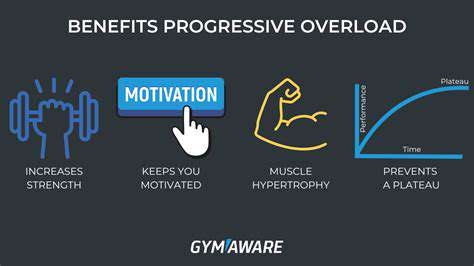
The concept of progressive adaptation is fundamental to developing speed and endurance in running. By constantly challenging the body through progression runs, athletes encourage adaptations that improve performance. This method is inherently rooted in the principle of overload, which posits that gradual increases in training intensity stimulate physiological changes beneficial for runners.
For example, runners might start with a comfortable base pace during the initial phases of their run and gradually incorporate faster segments throughout the workout. Such structured variations encourage muscles and systems to adapt increasingly to higher demands. According to research, this principle effectively engages muscle fibers and energy systems, leading to improved running economy, a pivotal factor among elite athletes. This adaptation leads to sustained performance improvements over time, creating a strong foundation for future training milestones.
Variety in Training Regimen
Another major advantage of progression runs is the infusion of variety into training programs. Monotony can stifle motivation and lead to burnout, both of which can negatively impact performance. Progression runs introduce a fun and challenging component that keeps workouts engaging. By alternating speeds within a single run, athletes can break the routine and stimulate their engagement with training.
Incorporating progression runs doesn't have to replace longer, steady-state runs. Instead, it can be integrated into a broader training framework that enhances overall physical conditioning. Trainers and running coaches often recommend these runs particularly for athletes preparing for races, as it helps simulate race-day conditions where speed changes frequently occur. Thus, runners can find enjoyment in their training while also reaping various benefits that enhance their overall performance.
How to Safely Implement Progression Runs

Understanding Progression Runs
Progression runs are a specific type of workout designed to gradually increase running pace over a set distance. This approach helps runners Improve their speed while minimizing the risk of injury. By starting at a comfortable pace and finishing faster, athletes can enhance their cardiovascular endurance and pacing strategy effectively.
These runs often encompass varying lengths, commonly ranging from 3 to 10 miles, depending on the runner's experience and fitness level. As the objectives of each session differ, it's crucial to establish a clear goal for the workout before starting.
Benefits of Progression Runs
- Builds both aerobic endurance and speed.
- Enhances mental toughness and pacing awareness.
- Reduces injury risk through gradual increases in intensity.
Implementing progression runs into your training regimen offers numerous benefits. Not only do they build endurance, but they also boost running speed effectively. Athletes often report greater confidence and preparedness for races after regularly incorporating these workouts into their training.
Preparing for a Progression Run
Before embarking on your progression run, proper preparation is essential. This includes warming up with dynamic stretches or a light jog for at least 10-15 minutes. Focus on activating the key muscle groups—primarily the legs, hips, and core.
Additionally, ensure you're adequately hydrated and fueled. A well-balanced diet, including carbohydrates and protein, can help enhance performance during the run. Pay attention to your gear, too; invest in quality running shoes that offer support and minimize the risk of injury.
How to Structure Your Progression Run
Structuring your progression run effectively begins with selecting a manageable distance. Start at a relaxed pace for approximately 60% of the run, gradually increasing the speed in the remaining distance. A common structure might involve running the first half at an easy pace, then accelerating to a comfortably hard pace for the second half.
For instance, if you're running a 5-mile progression run, aim to complete the first 3 miles at a conversational pace and then pick up the speed for the last 2 miles. This strategy can help your body adjust to pace variations, making it easier to perform well in variable race conditions.
Listening to Your Body During the Run
Paying attention to your body during a progression run is critical. Feel free to adjust your pace based on how you are feeling that day. If you experience undue fatigue or discomfort, it's acceptable to slow down or take a break. Being in tune with your body helps prevent injuries and ensures effective training.
The key is to push your limits without crossing the line into overexertion. Monitoring your heart rate and breathing can provide valuable insights into your exertion level, allowing you to adjust your pace accordingly.
Recovery Post-Run
After completing a progression run, focus on recovery techniques to facilitate muscle healing and minimize soreness. Begin with a cool-down period involving light jogging or walking for 5-10 minutes, followed by static stretching focusing on major muscle groups. Hydration remains a priority, so replenish fluids lost during your workout.
Consider incorporating foam rolling or gentle yoga into your post-run routine to promote muscle relaxation and flexibility. Prioritizing recovery is just as important as the run itself; it enhances performance and prepares you for future workouts.
Tracking Progress and Adjusting Goals
Regularly monitoring your progression runs will help you understand your growth and adjust your training goals effectively. Utilize a running app or keep a running log to track your distances, times, and subjective effort levels. Analyzing this data can guide your training plan and offer insights into how your fitness is evolving over time.
As you gain experience with progression runs, consider setting new personal bests or extending your distance. Always be ready to adapt your goals based on your performance trends and upcoming races, encouraging continuous improvement and sustained motivation.

Read more about Progression Runs: How to Safely Build Speed and Distance
![How to Recover Faster After Workouts [Tips & Techniques]](/static/images/26/2025-07/ListentoYourBody3ARecognizingandAddressingSignsofOvertraining.jpg)
![How to Train for a 5K Run [Plan Included]](/static/images/26/2025-07/NutritionandRecoveryStrategiesforOptimalPerformance.jpg)






Hot Recommendations
-
*How Cross Country Running Builds Superior Endurance
-
*Easy Slow Cooker Recipes for Weight Loss
-
*The Secret to Increasing Your Running Endurance Without Burnout
-
*0 Actionable Tips for Immediate Lower Back Pain Relief
-
*Quick Healthy Meals Using Rotisserie Chicken
-
*Healthy Mexican Food Recipes for Weight Loss
-
*How Gratitude Improves Cognitive Function in Aging
-
*Training for a Sub 20 Minute 5K: Expert Tips
-
*Using Vinegars and Citrus for Low Calorie Flavor
-
*Impact of Hamstring Flexibility on Lower Back Health