Tracking Your Running Progress: Best Metrics for Speed
Understanding Pace as a Measurement Tool
Pace, defined as the time it takes to cover a specific distance, serves as a fundamental metric for runners of all levels. By calculating pace, individuals can assess their speed during workouts, races, or training sessions. For instance, a pace of 8 minutes per mile means it takes the runner 8 minutes to complete one mile. This easy-to-understand metric makes it accessible for beginners while still being vital for experienced runners aiming for personal bests.
Moreover, research has shown that monitoring pace can lead to improved performance. According to a study published in the Journal of Sports Sciences, athletes who focus on pacing strategies during endurance events tend to outperform those who do not. Analyzing pace during different segments of a run allows athletes to identify their strengths and weaknesses, ultimately enhancing their training regimens.
How to Calculate Your Running Pace
Calculating your pace is straightforward and can be done with little more than a stopwatch or a running app. To find your average pace, divide the total time taken to run a distance by the number of miles or kilometers covered. For example, if you run 5 miles in 40 minutes, your pace would be 8 minutes per mile. This fundamental exercise provides immediate insight into your performance and helps establish goals for improvement.
It's beneficial to track your pace over time to identify patterns. Regularly logging your runs can reveal how your pace improves as your conditioning enhances. Many runners use digital tools like Strava or Garmin, which can automate this process, making your data easy to analyze and visualize.
The Importance of Adjusting Your Pace
Adjusting your pace according to your training objectives can be crucial for success. For long runs, a slower, more comfortable pace helps build endurance without overexertion. Alternatively, speed workouts or interval training calls for a faster pace, pushing the limits of your capabilities. Understanding when and how to shift your pace not only helps in achieving personal records but also prevents injury.
For most recreational runners, a well-rounded approach often includes interval training, long slow runs, and tempo training. This mixed methodology allows your body to adapt to different pace demands, which is essential for race day performance.
Biorhythms and Its Impact on Running Pace
Your body’s natural rhythms, referred to as circadian rhythms, can impact your running pace significantly. Studies indicate that most individuals exhibit peak performance at certain times of day; for many, this is in the late afternoon. Being cognizant of these patterns can help you optimize your training sessions or races, aligning significant efforts with your natural energy highs.
Experimenting with running at different times and tracking how your pace fluctuates can yield valuable personal insights. For example, some runners find they can sustain faster paces in the evening compared to morning runs, leading them to schedule their key workouts accordingly.
Moreover, fatigue levels, nutrition, and hydration also play critical roles in how effectively you can maintain your pace. Always make sure to factor these elements into your training schedule to achieve consistent results.
Using Technology to Monitor Your Pace
Advancements in technology have profoundly changed how athletes track their pace during runs. GPS-enabled watches and mobile applications provide instant feedback, enabling runners to monitor their pace in real-time. Such tools not only display current pace near instantaneously but also allow runners to review historical data to analyze their performance over time.
Consider utilizing heart rate monitors in addition to pace trackers. Monitoring heart rate alongside pace provides a more holistic view of your running performance. For instance, understanding your heart rate response to various paces can help you find the sweet spot where you're working hard but not overexerting yourself, optimizing long-term improvements.
Lastly, many apps offer social features where runners can share pace data with peers, fostering motivation and accountability. Integrating technology in this way can maximize your training effectiveness and keep your running journey exciting.
2. Split Times: Analyzing Segment Performance
Understanding Split Times
Split times refer to the measure of how long it takes an athlete to complete a specific segment of their running route, measuring performance at predetermined checkpoints. This can be critical data for runners aiming to analyze their pacing strategy during longer races, such as marathons or half-marathons. By breaking down performance into segments, athletes can identify whether they are maintaining their desired pace or need to adjust accordingly.
Traditionally, runners have relied on stopwatches or manual calculations to track split times. However, with the advancement of technology, several wearable devices and GPS apps provide real-time data that can Enhance training sessions significantly. Modern devices not only record split times with great accuracy but can also provide feedback on cadence, heart rate, and even estimated finish times, giving runners a comprehensive view of their performance.
Benefits of Tracking Split Times
Tracking split times presents several advantages for both amateur and competitive runners. For one, it allows athletes to understand their pacing strategies better. By analyzing various splits throughout different training sessions, one can determine which paces are sustainable and which may lead to fatigue. The insights gained from these analyses can foster smarter training decisions and help in setting realistic goals.
Moreover, knowing your split times enables you to make informed choices during races. For instance, if you notice that your third segment is significantly slower than the first, you might need to conserve energy better at earlier stages. An effective plan could involve adjusting your starting pace based on previous data, allowing for a more controlled race strategy.
Interpreting Split Time Data
Interpreting the data from split times can be as crucial as tracking them in the first place. Different segments can reveal specific patterns in performance; for instance, a drop in speed during the second half of a race may indicate poor endurance or inadequate training. Runners often exhibit the 'negative split' approach, aiming to run the second half of their race faster than the first—a strategy that's measurable through split times.
Using Technology to Enhance Split Time Analysis
The digital age offers myriad tools to help runners analyze their split times thoroughly. Applications like Strava and Garmin Connect not only track splits but also allow users to compare their times against others. Access to community data can provide insights into what qualifies as an ideal split for a given distance, based on average runner performances worldwide.
Additionally, advanced fitness watches have features that allow the user to program specific intervals to compare split times across various training phases. This can prevent you from simply relying on gut feelings regarding pace, aligning your training more closely with quantifiable performance metrics.
Applying Split Times to Race Day Strategy
An important aspect of integrating split times into your overall training is applying that data strategically on race day. Many runners find success by sticking closely to a predetermined pace based on split time data. For long races, starting too fast can lead to fatigue, so understanding how to pace appropriately is fundamental.
Some runners may benefit from setting distinct pace targets for each segment of the race, informed by their split time history. It’s often advisable to start slightly slower than goal pace, ensuring you have the energy reserves needed for the latter stages. By using split times as a guide, you can adapt your strategy and improve overall performance, ensuring a successful race experience.
3. Cadence: The Rhythm of Your Stride
Understanding Cadence and Its Importance
Cadence refers to the number of steps a runner takes per minute. It plays a critical role in determining running efficiency and speed. A Higher cadence often leads to more efficient running, reducing the risk of injury and improving performance. Research suggests that an optimal cadence for many runners is between 160 to 180 steps per minute.
This metric does not only reflect the rhythm of a runner's stride but also aids in understanding their overall running economy. By tracking cadence, athletes can identify areas for improvement in their form and pace. Proper adjustments to cadence can lead to substantial gains in overall speed over longer distances.
How to Calculate Your Cadence
- Step: Time yourself running for one minute.
- Count each footfall during that minute.
- Double the count to account for both feet.
- Consider repeating this over multiple runs for accuracy.
- Compare your results to standard cadence benchmarks.
To effectively measure your cadence, you can use a running watch or apps specifically designed for this purpose. These tools often provide real-time feedback that can help you adjust your pace as needed. It's essential to establish a baseline cadence before making any adjustments to your training plan.
Strategies to Improve Your Cadence
Improving cadence is not just about running faster; it's about developing a sustainable and injury-free running form. One strategy is to incorporate short interval sprints into your training routine. These bursts of speed can naturally increase your step frequency over time. Additionally, performing drills such as high knees or butt kicks can help in developing the muscle memory needed for a quicker cadence.
Another effective method is to practice running to music with a BPM (beats per minute) that aligns with your target cadence. This rhythmic approach can help you subconsciously embrace the desired step frequency, making it feel more natural as you run. Finally, remember to focus on maintaining a relaxed posture and footstrike to avoid tension that could slow you down.
4. Heart Rate: The Connection Between Effort and Performance
Understanding Heart Rate Categories
To effectively use heart rate as a metric in your running training, it's vital to understand the different Heart Rate Zones. Typically, these zones are categorized into five brackets: resting, moderate, hard, very hard, and maximum. Each zone corresponds to a specific level of exertion and has distinct physiological benefits. For example, training in the moderate zone primarily enhances endurance, while the maximum zone helps improve speed and anaerobic capacity.
Research indicates that maintaining your heart rate at optimal zones can lead to more efficient workouts. A study published in the Journal of Sports Sciences shows that individuals who follow a structured heart rate training plan can improve their performance by 10% over a season. Therefore, knowing your personal heart rate zones can significantly impact your training quality.
How to Accurately Measure Heart Rate
Accurate heart rate measurement is crucial for effective training. The most common methods include using a heart rate monitor, smartwatch, or fitness tracker. Each device has its pros and cons; for instance, while chest strap monitors are often more accurate, wrist-based devices offer convenience and ease of use. Choosing the right tool depends on your preferences and training intensity.
Additionally, it is important to measure your heart rate at different times: at rest, during physical activity, and after exercise. The Recovery Heart Rate, for instance, is a reliable indicator of cardiovascular fitness. If your heart rate returns to baseline more quickly after a workout, it suggests that your endurance is improving over time.
It’s worth mentioning that to get accurate readings, consistently calibrating your device and considering factors like hydration and ambient temperature is essential. This awareness allows you to fine-tune your training approach.
Link Between Heart Rate and Running Performance
Numerous studies have established a strong link between heart rate and running performance. In essence, the ability to maintain a lower heart rate at higher speeds indicates a fitter individual. Olympian and endurance coach Jack Daniels argues that understanding one's heart rate response can provide insights into endurance levels and training effectiveness.
Over time, as your training progresses, you should see a decrease in your average heart rate for the same pace. This improvement suggests greater efficiency in your cardiovascular system and muscle utilization, ultimately leading to enhanced performance. When planning your training, continuously monitoring these changes will help you tailor your approach, ensuring you are progressing adequately.
Heart Rate and Training Recovery
Recovery is a critical aspect of training that is often overlooked. How quickly your heart rate returns to normal after exercise is a telling indicator of your recovery status. Studies have shown that athletes who focus on recovery strategies can achieve higher performance levels over time.
Incorporating interval training while monitoring heart rate allows for targeted recovery periods. By understanding your personal recovery heart rate, you can optimize your training schedule. Moreover, enhancing recovery through techniques like active cool-downs or yoga can prevent overtraining and reduce injury risks, as supported by various sports research articles.
Practical Applications of Heart Rate Data
Integrating heart rate data into your training plan does more than just improve performance; it enhances overall training strategy. Keeping a log of your heart rate during runs allows you to identify patterns and adjust your training accordingly. For instance, if you notice that your heart rate spikes quicker than usual at a certain pace, it might be time to modify your training intensity or add additional recovery days.
Moreover, using apps that sync with heart rate monitors can offer in-depth analytics, helping you visualize your training trends over time. By utilizing these tools, runners can make data-driven adjustments to their routines, which can lead to more significant improvements in speed and efficiency.
Conclusion: The Future of Heart Rate Monitoring in Running
The field of heart rate monitoring is evolving with technological advances, making it easier for runners to track their heart rate and corresponding fitness metrics. As devices become more accurate, the integration of heart rate data into training programs will likely become standard practice among serious athletes. Investing in reliable heart rate technology now can provide insights that were unattainable in past decades, paving the way for optimized performance.
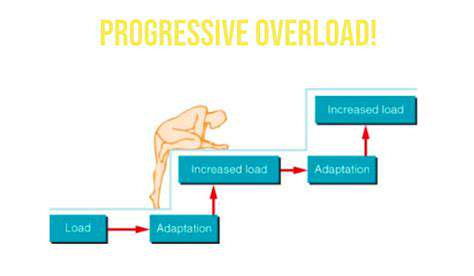
As you navigate your running journey, embracing the connection between heart rate and performance will significantly enhance your capabilities. Remember to prioritize your training goals while staying mindful of recovery and the necessary adaptation process. With time, diligence, and smart monitoring, you'll unlock your full potential as a runner.
5. Running Form: An Often Overlooked Metric
Understanding the Basics of Running Form
Running form is about how you position your body while you’re in motion. It includes aspects such as posture, foot strikes, and arm movements. A good form enhances efficiency, lowering the energy expenditure required for running. When you run with a proper alignment, your muscles work optimally, allowing you to maintain a higher speed over longer periods, ultimately improving your overall performance in races.
Research has shown that sprinters, for instance, tend to have a higher cadence compared to long-distance runners. This means they take quicker, shorter strides while maintaining an upright posture. Adopting appropriate form can not only increase your speed but also significantly reduce the risk of injury, particularly overextended periods of training.
Key Components of Proper Running Form
One of the critical components of running form is the foot strike. Studies indicate that a mid-foot strike may be more effective and less impactful than a heel strike, which can lead to injuries over time. When your foot lands directly beneath your body, it optimizes energy transfer and maintains a steady pace, which is essential for achieving high speeds.
Another aspect to consider is your arm swing. Maintaining relaxed and efficient arm movements helps propel your body forward. Your arms should move in sync with your legs; improper arm movement can lead to wasted energy, ultimately slowing you down. Thus, focusing on your arm swing is key to improving overall speed.
Common Mistakes in Running Form
Many runners unknowingly perpetuate various form errors that can hinder their performance. Overstriding, for instance, is a common mistake where the foot lands too far in front of the body, leading to braking forces against forward momentum. This not only slows runners down but can also cause chronic injury issues such as shin splints or joint pain.
Another frequent error is tensing up during runs. When runners hold unnecessary tension in their shoulders and hands, it creates additional fatigue and restricts fluid movement. To improve running form, regularly practice relaxation techniques and become conscious of how you carry your body, especially during intensive workouts.
Using Technology to Analyze Running Form
Today’s technological advancements make it easier than ever to analyze running form. Wearable devices and apps provide real-time metrics that can give insights into your stride length, cadence, and foot placement. By leveraging this technology, runners can gain valuable feedback to make adjustments to their form, directly impacting their speed performance.
Video analysis tools also allow for a more visual understanding of form. When you can see yourself running, it is easier to spot inefficiencies. After recording your runs, analyze the footage to identify aspects that might require adjustment, such as your leg lift or body lean, leading to improved effectiveness during your workouts.
Personalizing Your Running Form for Optimal Performance
No two runners are alike; therefore, it’s crucial to personalize your running form based on your body type and running goals. For example, shorter runners might find a higher cadence beneficial, while taller runners might focus more on stride length. Take the time to understand how your individual morphology affects your running dynamics and tailor your techniques accordingly.
Consider consulting with a coach or a physical therapist, who can provide personalized guidance and feedback on your running form. Their expertise can help you pinpoint areas of improvement and assist you in developing strategies focused on your unique running style and speed objectives.
Read more about Tracking Your Running Progress: Best Metrics for Speed
![Guide to Training for a Triathlon [Beginner Plan]](/static/images/26/2025-05/Running3ALayingtheGroundwork.jpg)

![How to Improve Your Pull Up Strength [Beginner to Advanced]](/static/images/26/2025-06/NutritionandRecovery3AEssentialComponents.jpg)




Hot Recommendations
-
*Training for a Sub 20 Minute 5K: Expert Tips
-
*Using Vinegars and Citrus for Low Calorie Flavor
-
*Impact of Hamstring Flexibility on Lower Back Health
-
*How to Stay Motivated for Early Morning Runs
-
*The Relationship Between Gratitude and Stress Hormones
-
*Superfoods for Weight Loss: Fact vs. Fiction
-
*Is Your Mattress Causing Your Lower Back Pain?
-
*How a Gratitude Jar Can Improve Your Family’s Health
-
*Low Carb Cooking Tips for Rapid Weight Loss Results
-
*The Benefits of Inversion Tables for Lower Back Pain