How to Breathe While Running for Maximum Endurance
Common Breathing Mistakes
Many runners fall into common breathing traps that can hinder their performance. A frequent issue is shallow or rapid breathing, which can lead to inadequate oxygen uptake and feelings of fatigue. It is essential to be conscious of your breathing rhythm; training yourself to take deeper breaths can make a noticeable difference. Moreover, mouth breathing can lead to a dry throat and discomfort, especially during long runs.
Improving Breathing Through Training
To improve your breathing while running, incorporate specific drills into your training regimen. Diaphragmatic Breathing exercises can enhance lung capacity and efficiency. Start by lying on your back, placing a book on your abdomen, and practice breathing so that the book rises and falls with each breath. Consistent practice can help reinforce proper breathing patterns during runs.
Additionally, consider integrating interval training into your routine. This form of training helps your body adapt to varying levels of exertion, which subsequently improves your ability to control your breathing. Studies have shown that athletes who perform interval training typically exhibit improved respiratory fitness and endurance capabilities.
Understanding Diaphragmatic Breathing

Benefits of Diaphragmatic Breathing
Diaphragmatic breathing, often referred to as abdominal or belly breathing, has significant advantages for runners. Research indicates that this technique increases oxygen efficiency and enhances endurance. By engaging the diaphragm effectively, runners can reduce their heart rate and lower blood pressure, both of which contribute to improved performance and longer exercise duration.
Additionally, this type of breathing can lead to better posture and core stability. As your diaphragm engages, it assists in maintaining alignment, allowing efficient movement and minimizing fatigue. Runners often report feeling less tired, which can translate to better mile splits during training or races.
Technique of Diaphragmatic Breathing
- Inhale deeply through your nose, allowing the abdomen to expand.
- Exhale slowly through your mouth, contracting the abdominal muscles.
- Practice this technique while at rest before incorporating it into your runs.
- Monitor your breath pattern, aiming for a rhythmic flow in sync with your strides.
To master diaphragmatic breathing, start by lying down comfortably. Place one hand on your chest and the other on your abdomen. As you inhale, focus on feeling your diaphragm move downward, which will raise your belly while keeping your chest relatively still. This emphasis on the abdomen over the chest illustrates proper technique. Over time, your body will adapt.
Incorporating Diaphragmatic Breathing into Your Running Routine
Integrating diaphragmatic breathing into your running practice can be an invaluable way to Enhance Performance. Ideally, start practicing this technique during short, easy-paced runs or even walks. As comfort grows, gradually introduce it into more intense training sessions.
Moreover, maintaining this breathing pattern can significantly improve running endurance during long-distance efforts. Try to coordinate your breaths with your steps, aiming for a rhythm that feels natural. For example, consider a pattern of inhaling for three steps, then exhaling for two.
Studies suggest that consistent practice can lead to substantial improvements. Athletes have reported that regular use of diaphragmatic breathing assists in managing stress and anxiety levels, which are often heightened during high-stress situations such as races. Embracing this technique not only contributes to better performance but also enhances overall mental focus.
Cyclic Breathing Techniques

Understanding Cyclic Breathing
Cyclic breathing is a specific technique that helps regulate your breath during physical activities, particularly running. This method focuses on syncing your breath with your pace, promoting efficiency and relaxation.
Essentially, Cyclic breathing enhances oxygen delivery to your muscles while removing carbon dioxide, which is vital for maintaining endurance. Research has demonstrated that athletes using cyclic breathing can improve their performance by managing fatigue more effectively.
Benefits of Cyclic Breathing in Endurance Running
- Increased oxygen intake and delivery.
- Enhanced mental focus and clarity.
- Improved relaxation and reduced anxiety.
The use of cyclic breathing can significantly boost your performance during long runs. By focusing on breath patterns, runners can switch from shallow chest breathing to deeper diaphragmatic breathing. This not only increases stamina but also Maintains a steady heart rate, which is crucial for prolonged activities.
Basic Techniques for Practicing Cyclic Breathing
To start with cyclic breathing, it is essential to identify your natural rhythm. A common method is the 3:2 ratio, where you inhale for three counts and exhale for two. This technique can be adjusted based on your running pace and comfort level.
As you get accustomed, try to incorporate brief pauses between inhales and exhales. This will help establish a rhythm, allowing your body to adapt to the increased oxygen flow more efficiently.
Common Mistakes to Avoid
When practicing cyclic breathing, it's easy to overlook a few fundamental aspects. One common mistake is over-exhaling, which can lead to dizziness and fatigue. Ensure you're not forcing the breath out but allowing it to flow naturally.
Another pitfall is running too fast while concentrating on your breathing technique. This can create unnecessary anxiety. Instead, start at a comfortable pace and gradually increase speed as you become more proficient with your breathing.
Incorporating Cyclic Breathing into Your Running Routine
To benefit from cyclic breathing, it is essential to include it in your training regimen. Begin your runs with a focus on breathing patterns, dedicating at least five minutes to practice before you pick up the pace.
Integrating cyclical breathing into interval sessions or tempo runs can enhance overall endurance. As your skill develops, you will notice it becomes second nature, allowing you to run longer distances with less perceived effort.
Tracking Progress and Adjusting Techniques
Monitoring your progress is vital when incorporating a new technique such as cyclic breathing. Consider using apps that track your pace and breath rate, providing you with the data needed to make adjustments.
Additionally, keep a journal documenting your runs. Reflect on how different breath patterns affect your performance and adjust accordingly. This will create a personalized approach that can significantly enhance your running experience.
Expert Tips for Mastering Cyclic Breathing
Lastly, consulting with a breathing coach or attending workshops can provide insights into refining your technique. Engage with fellow runners or join running clubs where you can share experiences and practices.
Remember to remain patient as mastering cyclic breathing is a journey. Over time, as your lungs adapt and technique improves, you will find that it brings a new level of endurance and enjoyment to your runs.
Adapting Breathing Techniques for Different Paces
Understanding Breath Control at Varying Paces
Breath Control is a fundamental component of running that significantly impacts performance. When running at different speeds, the body's oxygen demands change, necessitating adjustments in breathing patterns. Research indicates that runners often experience an increase in respiratory rates and tidal volume as running pace quickens. Understanding these physiological changes can help athletes optimize their breathing strategy.
At slower paces, such as during warm-ups or cool-downs, the focus should be on deep, deliberate breaths. This approach can enhance oxygen uptake and promote relaxation. Conversely, at a more vigorous pace, like during intervals, a shift to faster, shallower breaths may be necessary to meet the heightened oxygen demand efficiently.
The Importance of Rhythmic Breathing
Rhythmic Breathing aligns the breath with the foot strikes, which can be particularly beneficial during runs. Establishing a consistent breathing rhythm, such as inhaling for three steps and exhaling for two, can help stabilize oxygen intake and increase endurance. This method not only brings an element of focus to the runs but also aids in maintaining a steady pace.
Integrating rhythmic breathing also reduces the likelihood of developing side stitches, a common discomfort among runners. By using this technique, you allow your body to engage in more effective oxygen management, thus improving overall performance and reducing fatigue.
Adapting Breathing Techniques for Sprinting
When transitioning to sprinting intervals, it's crucial to adjust breathing techniques. The body's demand for oxygen spikes, requiring more rapid breaths. Most sprinters benefit from a 2:1 inhale-to-exhale ratio, where they inhale for two steps and exhale for one. This approach allows for more oxygen intake while ensuring quick releases of carbon dioxide.
In sprinting, efficiency in each breath becomes paramount. A focused inhalation through the nose can help maximize oxygen absorption, while a forceful exhalation out through the mouth helps expel CO2 quickly, aiding in performance under pressure.
Breathing Strategies for Long-Distance Runs
During long-distance runs, maintaining a consistent and controlled breathing pattern becomes essential for enduring prolonged physical activity. Inhaling deeper and through the nose can help sustain energy levels over long periods. It also promotes better hydration as inhaling through the mouth can dry out the throat.
An effective strategy for long distances might include alternating between different breathing patterns, such as 3:2 or 4:3 inhalation-to-exhalation ratios. This variation ensures that the muscles receive ample oxygen while allowing for recovery during less intensive sections of the run.
Fine-Tuning Respiratory Techniques for Trail Running
Trail running presents unique challenges that necessitate adaptive breathing techniques due to varying elevations and terrain. Runners often experience changing demands on their respiratory systems as they navigate inclines or declines. It's vital to practice breathing techniques that match the rhythm of the trail; for example, gaining elevation may require deeper and quicker breaths to compensate for reduced oxygen levels.
Moreover, maintaining focus on breathing while navigating tricky paths can improve stability and performance. If the course is particularly technical, many runners find it helpful to slow their pace slightly to allow for better controlled breathing, which can enhance clarity and concentration.
Monitoring Breathing During Competitive Events
During competitive runs, especially marathons or races, keeping track of breathing patterns can be crucial for performance. Many athletes utilize tools such as heart rate monitors and apps to gauge their exertion levels, which in turn reflects on their breathing. Maintaining awareness of one’s intensity can alert a runner when to focus on breathing deeper or quicker, depending on their current effort level.
In races, a sudden spike in pace may call for an immediate reassessment of breathing techniques. Gradually adapting to a varied pace while strategically employing the optimal breathing pattern can make a significant difference in the outcome. Runners should anticipate these shifts in pacing and practice their breathing strategies well before race day for better preparedness.
Common Breathing Mistakes to Avoid
1. Overlooking Breathing Rhythms
Many runners tend to ignore the significance of maintaining a consistent breathing rhythm while running. A study published in the Journal of Sports Sciences suggests that synchronizing your breath with your steps can enhance oxygen uptake and improve overall endurance. Typically, a 2:2 rhythm, inhaling for two steps and exhaling for two, has been found effective for most runners.
Having a well-structured breathing pattern can prevent haphazard inhalation, which may lead to side stitches or reduced stamina. When you establish a regular rhythm, it allows your body to efficiently utilize oxygen and expel carbon dioxide, ultimately enhancing performance.
2. Breathing Through the Mouth Only
While it can be tempting to breathe solely through your mouth during intense efforts, this practice can lead to decreased efficiency. A balanced approach that incorporates both nasal and oral breathing often yields better results. Breathing through the nose engages the diaphragm more effectively, helping to maximize lung capacity and oxygen intake.
Research from the American Journal of Respiratory and Critical Care Medicine indicates that diaphragmatic breathing increases endurance in athletes. Therefore, practice incorporating nasal breaths, especially during lower-intensity efforts, to improve your overall breathing strategy.
3. Shallow, Quick Breaths
Another common error among runners is relying on shallow and rapid breaths. This kind of breathing often fails to fully engage the diaphragm and can cause premature fatigue. Instead, aim for deeper, slower breaths that fill your lungs more completely.
Take note of how your body feels when you practice deep breathing. This technique not only promotes better oxygen exchange but also allows for more carbon dioxide to be expelled, keeping you in a more balanced physiological state during runs.
Practicing deep abdominal breathing off the track can enhance your overall breathing capacity. Techniques such as yoga or meditation may provide additional benefits by training you to use your diaphragm efficiently during run intervals.
4. Ignoring the Role of Posture
It's easy to forget that your running posture directly impacts your breathing efficiency. Slumping or leaning too far forward restricts the diaphragm and lungs, making it harder to breathe deeply. Proper alignment—including a straight back, relaxed shoulders, and an upright head—maximizes lung function.
Improving your posture not only contributes to better breathing but also enhances running efficiency and reduces the risk of injury. Consider incorporating exercises aimed at strengthening your core and back to achieve better alignment while running.
5. Failing to Adapt Breathing to Pace
Adapting your breathing strategy to your running pace is crucial. Many runners fail to adjust their breathing cadence when their speed increases, which can lead to oxygen deficiency. Research shows that as speed increases, so should the volume and frequency of breaths to maintain performance.
Establish a plan for how you will adjust your breathing when you change paces. For example, during sprint intervals, consider transitioning to a 2:1 or even a 1:1 breathing pattern to ensure sufficient oxygen flow. During easy runs, maintain a more relaxed breath.
6. Not Practicing Breathing Techniques
Many athletes train rigorously but often neglect breathing practice in their routines. Just as you build muscle through strength training, your respiratory muscles also require targeted workouts. Include specific breathing exercises, like diaphragmatic breathing drills, in your training program to reinforce better habits.
Moreover, verbally rehearsing your breathing strategy during lower-intensity exercises can promote a reflexive breathing pattern that emerges naturally when the tempo quickens. It transforms a potentially overlooked area into a distinct advantage in your endurance arsenal.
7. Ignoring Anxiety Management
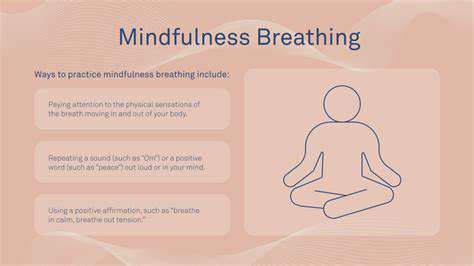
The connection between mental state and breathing cannot be emphasized enough. Anxiety often leads to tense, erratic breathing, which can hinder performance. Incorporating mindfulness techniques can enable you to cultivate a more relaxed mental outlook while running, thereby promoting better breathing.
Research has shown that techniques such as visualization or controlled breathing can lower anxiety levels, thus enhancing performance outcomes. Make it a practice to couple these methods with your running to find a more harmonious balance between mind and body during activity.
Read more about How to Breathe While Running for Maximum Endurance

![Guide to Training for a Triathlon [Beginner Plan]](/static/images/26/2025-05/Running3ALayingtheGroundwork.jpg)
![Best Tips for Reducing Screen Time [For Better Health]](/static/images/26/2025-07/PrioritizeOfflineActivitiesandHobbies.jpg)