Speed Work for Marathon Runners: When to Start
Speed work leads to several physiological adaptations crucial for performance. One significant benefit is an increase in muscle glycogen storage, enhancing endurance during long runs. This adaptation allows runners to maintain higher intensities without fatiguing prematurely.
Additionally, incorporating these workouts improves cardiovascular efficiency, allowing your heart to pump blood more effectively. Research indicates that runners who engage in consistent speed work demonstrate lower resting heart rates, which is a marker of improved cardiovascular fitness.
Common Mistakes in Speed Training
One common mistake marathon runners make is neglecting recovery. Some think that more speed work equates to faster times, but without proper rest, it could lead to burnout or injury. It’s essential to pace yourself and include easy running days to allow for recovery.
Another issue is improper pacing during speed sessions. Many runners push too hard, sacrificing form for speed. This can lead to form breakdown and potential injuries. Instead, focus on maintaining good form even as you increase pace during these workouts.
Tips for Effective Speed Work
To maximize the benefits of speed work, establish a clear plan that integrates different types of speed sessions. Consider including a long run, two speed workouts, and easy recovery runs each week. This balance allows your body to adapt while also building endurance.
Additionally, track your progress through training logs. Keeping an eye on your times and how your body responds to workouts helps you to adjust and tailor your training effectively. Finally, don’t hesitate to seek guidance, whether from a coach or a more experienced runner, to fine-tune your approach and techniques.
Determining the Right Time to Start Speed Work
Assessing Your Current Fitness Level
Before incorporating speed work into your training regimen, it's crucial to Evaluate Your Current Fitness Level. This involves a detailed assessment of your aerobic base, endurance, and overall running efficiency. A common method is the time trial, where runners complete a set distance at their best effort, providing a realistic glimpse of their current capabilities.
For marathon runners, a baseline understanding of your long-distance pacing is essential. Notably, you should also consider how recent races have impacted your form and energy levels. For instance, runners often retain fitness for several weeks post-race, allowing for a gradual introduction of speed work without significantly compromising recovery.
Understanding Your Training Cycle
The timing for introducing speed work is intricately linked to your overall training cycle. Most marathon training plans comprise a base phase, a build phase, and a peak phase. Typically, speed work is introduced after establishing a solid aerobic base, usually within the first 8 to 12 weeks of training. This strategy supports a balance between endurance and speed without risking overtraining.
Be cautious when progressing. If you're currently building mileage, introducing speed work too early can lead to injuries. Instead, focus on gradual increases in both distance and intensity, ensuring your body adapts effectively without overstress.
Evaluating Your Goals
Your specific goals will significantly influence when to start speed work. If your aim is to simply complete a marathon, it may be wise to prioritize long, slow runs over speed training. Conversely, for those targeting a personal best, incorporating speed work when the body is ready can lead to substantial performance improvements.
Consider setting clear, measurable goals, such as improving your 5K time or specific marathon pace targets. Tracking these metrics can help you determine not just when speed work should start, but how often it should be incorporated based on your performance progression.
Listening to Your Body
Being attuned to your body's signals is crucial in determining when to introduce speed work. Signs of readiness include consistent weekly mileage, a lack of fatigue, and a willingness to push your limits without risking injury. Transitions into speed work should feel exciting and refreshing, not daunting or overwhelming.
Moreover, Listening to Your Body also involves recognizing signs of distress. If you experience pain or exhaustion, it may indicate you're not yet ready for the added intensity required by speed training. It's far better to delay a week or two rather than risk long-term injuries.
The Role of Recovery
Recovery plays a vital role in determining the appropriate timing for speed work. If you are still in recovery from previous training cycles or races, it’s advisable to delay the introduction of speed intervals. Time spent on recovery post-intense sessions allows the muscles to repair and strengthens endurance, laying a foundation for future speed work.
Additionally, prioritize recovery strategies like adequate nutrition, proper hydration, and sufficient rest. These elements will not only facilitate healing but will also prime your body for the challenges ahead, enabling you to tackle speed workouts more effectively when the time is right.
Consulting Professional Guidance
For runners uncertain about their readiness to start speed work, consulting a coach or trainer can provide invaluable insights. Professional coaches can analyze your training data and personal metrics, such as heart rate and pacing, to recommend when to initiate speed training safely.
Furthermore, a knowledgeable coach can tailor a specific speed work program suited to your individual needs, helping streamline your progress and build confidence. An experienced perspective can clarify any doubts regarding training intensity or timing, ensuring you get the most out of your preparation.
Seasonal Considerations
Seasonal factors can impact the timing of speed work. Weather conditions, such as heat or cold, can significantly affect performance and recovery. In hotter climates, starting speed work might be delayed to avoid heat-related issues, emphasizing more acclimated training cycles first.
Additionally, planning speed work around local race calendars may allow you to synchronize more efficiently with peak performance opportunities. For instance, introducing speed intervals before a specific race can enhance performance, but be sure to allow adequate recovery time post-race.
Types of Speed Work for Marathon Training
Interval Training for Speed Development
Interval training is a crucial component of speed work that focuses on short bursts of high-intensity running interspersed with recovery periods. Typically, intervals range from 400 meters to 1600 meters, depending on the runner’s experience and specific training goals. Research indicates that incorporating 1-2 interval sessions per week can significantly enhance VO2 max and allow marathon runners to maintain a faster pace during races.
During these workouts, it's essential to monitor heart rate and perceived exertion to prevent overtraining. For example, many athletes utilize a 4:1 work-to-rest ratio to optimize recovery and performance. This approach allows the body sufficient time to recover while still pushing the pace during the speedy intervals, resulting in improved efficiency and speed over extended distances.
Tempo Runs for Endurance and Pace
Tempo runs, often performed at a comfortably hard pace, are designed to train the body to sustain faster speeds over longer distances. A typical tempo run might last between 20 to 40 minutes, requiring runners to find their lactate threshold—the maximum effort they can sustain without accumulating fatigue. This type of training plays a vital role in marathon preparation, as it teaches the runner to hold a steady speed over the race distance.
To effectively integrate tempo runs into your training plan, you should aim for at least one session per week. Many coaches suggest starting with a warm-up of 10-15 minutes followed by the tempo portion, and then cooling down with an easy jog. This structured approach not only helps in building speed but also fortifies mental toughness and race-day strategies, making it an essential practice for aspiring marathoners.
Listening to Your Body: Recovery and Adaptation

Understanding Recovery Phases
Effective recovery is crucial for marathon runners, particularly post-speed workouts. There are generally three main phases of recovery: immediate, short-term, and long-term. Each phase plays a distinct role in ensuring that the body replenishes glycogen stores and repairs muscle tissues.
The immediate recovery phase begins right after a workout and lasts a few hours. During this time, hydration and proper nutrition are vital. In fact, research indicates that consuming protein and carbohydrates shortly after exercise can significantly aid in muscle recovery and replenish necessary nutrients.
Adaptation Mechanisms in Training
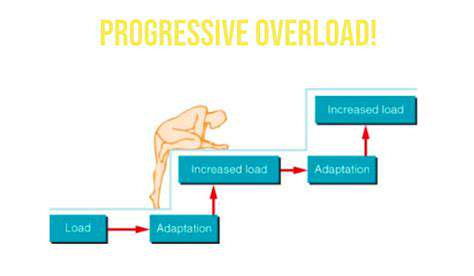
The body adapts to the stresses placed on it through training, resulting in improved performance over time. This adaptation process is influenced by factors such as intensity, volume, and individual fitness levels. For instance, runners who gradually increase the intensity of their workouts can stimulate the body’s physiological adaptations, enhancing endurance and speed.
Fatigue from speed work is a natural response, but understanding how your body reacts plays a key role in training effectiveness. According to a study published in the Journal of Applied Physiology, appropriate training loads should be carefully monitored to avoid overtraining, which can lead to setbacks.
The Importance of Listening to Your Body
- Recognizing early signs of fatigue can prevent injury.
- Adjusting training based on physical feedback enhances performance.
- Implementing rest days can help maintain overall health.
Listening to your body is paramount, especially during rigorous training schedules. Ignoring signs of fatigue, such as persistent soreness or lack of motivation, can lead to injuries. Monitoring how you feel pre- and post-workout allows for necessary adjustments to your training plan.
Nutrition's Role in Recovery
A balanced diet contributes significantly to the recovery process. Proper fueling before and after workouts optimizes energy levels and accelerates muscle repair. Athletes should focus on a diet rich in whole foods, lean proteins, and healthy fats. Incorporating foods high in antioxidants can also combat inflammation, making recovery more efficient.
Effective Rest and Sleep Strategies
Sleep is one of the most underrated components of recovery. Quality sleep is essential for muscle repair and overall health. Studies have shown that inadequate sleep can hinder athletic performance, leading to decreased speed and endurance. Aim for 7-9 hours of quality rest to facilitate these recovery processes effectively.
Engaging in restorative practices like yoga or meditation before bed can enhance sleep quality, promoting a deeper, more restorative sleep cycle. Additionally, maintaining a consistent sleep schedule can optimize your body's natural rhythms and recovery efforts.
Monitoring Training Loads
Tracking training loads helps in managing recovery effectively. The Perceived Exertion Scale is a valuable tool that allows runners to gauge their intensity levels during workouts. By regularly assessing how hard a workout felt, athletes can adjust future training loads accordingly, ensuring they don’t push beyond their limits.
Utilizing Active Recovery
Active recovery is a strategy that can benefit marathon runners. Rather than complete rest, incorporating low-intensity activities like walking or cycling helps promote blood circulation, speeding up recovery. Research has indicated that active recovery can reduce muscle soreness while enhancing overall endurance.
Final Thoughts: Tailoring Speed Work to Your Needs
Understanding Your Current Fitness Level
Before you embark on any speed work program, it's crucial to assess your current fitness level. This evaluation should involve recent race times, personal bests in various distances, and how you handle longer runs. By establishing a baseline, you can tailor your speed work to suit your needs more effectively. For instance, marathon runners will require different pacing strategies compared to those training for shorter events.
One useful approach is to conduct a time trial for a distance close to the one you're training for, ideally around 5-10 kilometers. This will give you a clearer picture of your speed capabilities. It’s also worth considering factors such as how well you recover from different training intensities. Keep a training journal to track your progress and adjust your speed work as needed.
Setting Realistic Speed Work Goals
When designing your speed work regimen, realistic goal-setting is key. A well-structured plan should include both short-term and long-term targets. For instance, you might aim to improve your 5K time over the next six weeks while also focusing on marathon preparation for several months ahead. Healthcare professionals emphasize the importance of gradual progression to avoid injury, especially in speed training.
Don’t hesitate to use technology to track your progress. Tools like GPS watches and running apps allow you to monitor your pace during interval training, helping you quickly determine whether you’re meeting your goals. Create benchmarks that are challenging yet attainable, allowing you to celebrate each small victory on your journey to becoming a faster runner.
Incorporating Recovery and Cross-Training
A critical yet sometimes overlooked factor in speed training is recovery. Incorporating rest days and lighter training days can enhance performance and reduce the risk of overuse injuries. Most experts recommend active recovery, such as cycling or swimming, which can promote blood flow without placing additional stress on running muscles. This holistic approach ensures a more balanced fitness regimen.
Cross-training is equally vital, as it enhances overall athleticism without the repetitive strain of running. Activities like strength training can build muscle resilience and improve your running economy, which is essential for marathon success. Furthermore, integrating flexibility and mobility exercises can aid in injury prevention, thus supporting your speed training efforts.
Read more about Speed Work for Marathon Runners: When to Start


![How to Start Lifting Weights at the Gym [Beginner Guide]](/static/images/26/2025-05/SettingRealisticGoalsandExpectations.jpg)

![How to Improve Your Pull Up Strength [Beginner to Advanced]](/static/images/26/2025-06/NutritionandRecovery3AEssentialComponents.jpg)