Lower Back Strengthening for Seniors: Safe and Effective
Outline
Lower back strength is crucial for seniors' mobility and independence.
Strengthening reduces pain and improves stability and flexibility in seniors.
Safe exercise practices help prevent injuries and promote effective workouts.
Nutrition supports muscle health and recovery for optimal exercise outcomes.
Monitoring progress ensures continuous improvement in lower back strength.
Professional guidance enhances safety and effectiveness of exercise routines.
Warm-up exercises reduce injury risks and prepare seniors for workouts.
Choose low-impact exercises to strengthen the lower back safely.
Flexibility work complements strength exercises for a balanced fitness program.
Nutrition, including protein and omega-3s, is essential for muscle health.
The Importance of Lower Back Strengthening for Seniors

Understanding the Anatomy of the Lower Back
The lower back, often referred to as the lumbar region, consists of five vertebrae, intervertebral discs, and numerous muscles and ligaments that support movement and stability. This area plays a critical role in daily activities, including bending, lifting, and twisting. As we age, the structures in the lower back naturally undergo degeneration, leading to decreased strength and flexibility.
Developing a strong lower back is vital, as it directly affects posture and balance. Posture problems can result in chronic pain, which limits mobility and negatively impacts quality of life for seniors. It’s essential for seniors to understand the importance of strengthening this area to maintain independence.
Benefits of Lower Back Strengthening
Strengthening the lower back offers numerous benefits for seniors. Regular exercises can alleviate lower back pain, enhance flexibility, and improve overall body stability. Research suggests that individuals who engage in consistent strength training experience fewer incidences of back pain.
- Increased physical independence
- Reduced risk of falls
- Improved core strength and stability
The relationship between a strong lower back and enhanced daily functioning cannot be overstated. Improved strength in this area allows seniors to perform routine tasks, enhancing their quality of life and well-being.
Safe Exercise Practices for Seniors
When it comes to exercising, safety is of utmost importance for seniors. Engaging in exercises without proper guidance can lead to injury, particularly in vulnerable areas like the lower back. It is advisable for seniors to consult healthcare professionals or physical therapists before starting any new exercise program.
Focus on low-impact activities that avoid straining the back, such as stationary cycling, swimming, or gentle yoga. These routines can strengthen the back while minimizing risk. Remember, starting slowly and gradually increasing intensity is key to preventing injury.
Recommended Exercises for Lower Back Strengthening
Specific exercises target the muscles of the lower back effectively while being safe for seniors. Some effective exercises include bird-dogs, pelvic tilts, and modified planks. These exercises can be performed with little or no equipment and can be customized to suit varying fitness levels.
Consider including stretching routines, such as hamstring and hip flexor stretches, to enhance flexibility alongside strengthening exercises. Combining both elements is essential for a balanced approach. Engagement in low-intensity workouts can foster continual improvement without excessive strain.
The Role of Nutrition in Back Health
Nutrition plays a crucial role in overall health, including the health of the back. A diet rich in anti-inflammatory foods can help combat inflammation in the lower back area. Emphasizing fruits, vegetables, whole grains, and omega-3 fatty acids supports overall muscle function and recovery.
Additionally, staying hydrated is vital, as dehydration can contribute to muscle cramps and discomfort. It’s essential for seniors to focus on Proper Nutrition to enhance physical activity outcomes and maintain back health.
Monitoring Progress and Adjusting Routines
As with any fitness endeavor, monitoring progress is vital in Lower Back Strengthening. Seniors should keep track of their exercise routine, noting any improvements or difficulties encountered during workouts. This tracking helps in adjusting exercises to ensure continuous growth and avoid plateauing.
Consider setting manageable goals, such as increasing repetitions or duration of workouts gradually. Adjustments should be made based on comfort levels and physical responses to the routines. Engaging with personal trainers or group classes can also provide motivation and professional insights.
Engaging with Professional Guidance
While many seniors take the initiative to strengthen their back, engaging with professionals can significantly enhance their efforts. Physical therapists specialize in understanding the biomechanics of the body and can create personalized exercise plans tailored to individual needs. This approach ensures safety and efficacy.
Participating in community or senior fitness programs can also foster social engagement, enhancing motivation to stick with an exercise routine. Having a support network is indispensable for maintaining a lifelong commitment to back health and well-being.
Safe Guidelines for Exercising

Understanding the Importance of Warm-Up Exercises
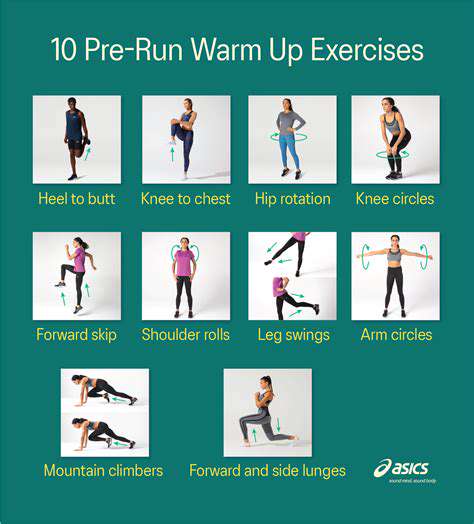
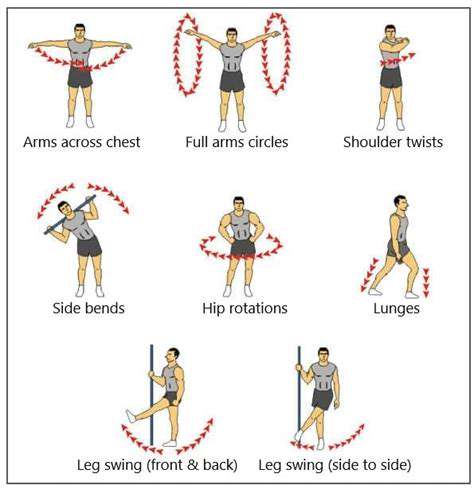
When it comes to exercising, particularly for seniors, Warm-up exercises are crucial. They prepare the muscles and joints for the activity ahead, reducing the risk of injuries. A proper warm-up increases blood flow and raises the body temperature, making it essential in every senior fitness routine.
Dynamic stretches, such as leg swings and arm circles, are fantastic options. These exercises help improve flexibility and mobility in the lower back area, which is often a concern for older adults. Starting with five to ten minutes of these warm-ups can significantly enhance the overall workout experience.
Choosing the Right Type of Exercises
For seniors, it's vital to select exercises that focus on lower back strength without causing strain. Incorporating strength training exercises, such as modified squats and hip bridges, can bolster Core Stability. Studies show that engaging in lower back-focused exercises can reduce pain and improve functionality.
- Focus on bodyweight exercises first to minimize injury risk.
- Consult a fitness professional for tailored recommendations.
- Include low-impact activities like swimming and walking.
Moreover, it’s essential to Listen to your body. If any exercise causes pain, stop immediately and reassess your approach. Engaging in physical activity should not lead to discomfort, and adjustments are often necessary to suit individual capabilities.
Training Frequency and Progression
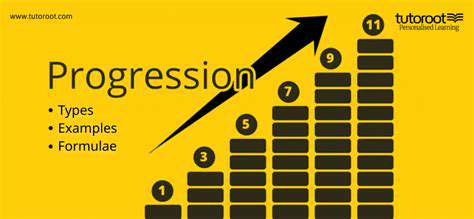
It's recommended for seniors to engage in lower back strengthening exercises at least two to three times per week. Progression is key; as strength improves, the difficulty level of exercises can be gradually increased. This could involve adding weights or increasing repetitions.
Consistency is vital for long-term success. Establishing a regular routine helps reinforce the muscles and safeguards against degeneration. Documenting progress can motivate and foster a sense of accomplishment, enabling each individual to adjust their goals according to their own progress.
Engaging in this journey with a friend or a group can enhance adherence, making it more enjoyable. Belonging to a community often serves as great motivation and support.
Safety Measures and Injury Prevention
Injury prevention is paramount when it comes to exercising, especially for seniors. Incorporating safety measures such as using supportive gear (e.g., non-slip shoes) and maintaining a clutter-free workout space is fundamental. Furthermore, being aware of one's limits cannot be overemphasized.
Consider consulting a physical therapist before beginning any exercise program. They can offer personalized insights and adjustments tailored to your health conditions, significantly lowering the risk of injuries. It's also important to hydrate adequately during workouts to support muscle function.
Finally, never underestimate the importance of cool-down exercises. These stretches help rejuvenate the muscles and prevent soreness post-exercise. Simple movements like gentle back stretches can work wonders in maintaining lower back health.
Effective Lower Back Strengthening Exercises
Understanding the Importance of Core Stability
The lower back is intricately connected to the core muscles, which include the abdominal muscles, obliques, and the muscles around the pelvis. Research has shown that a strong core helps stabilize the spine, thereby reducing the risk of injury during daily activities. When the core muscles are weak, there is an increased likelihood of experiencing lower back pain, which can severely limit mobility, especially for seniors.
For older adults, focusing on core stability becomes paramount in maintaining independence and quality of life. Engaging in exercises that target these muscle groups not only helps in alleviating pain but also enhances overall balance and coordination. Simple activities like walking can become challenging without a solid core foundation, which illustrates why specific strengthening exercises are mandatory.
Recommended Lower Back Exercises
There are several effective exercises tailored for seniors aiming to strengthen the lower back. The pelvic tilt, for example, is a simple yet powerful exercise that can be performed lying down. It involves tightening the abdominal muscles and pushing the lower back into the floor, which activates and strengthens the core without putting undue strain on the back.
Another exercise worth mentioning is the bird-dog. This involves kneeling on hands and knees, extending one arm and the opposite leg while maintaining balance. It encourages proper spinal alignment and enhances stability. For best results, aim to hold each position for a few seconds, focusing on control and form over speed.
Frequency and Duration of Workouts
Creating a regular workout schedule significantly influences the effectiveness of lower back exercises. Ideally, seniors should aim for at least 2-3 sessions per week, dedicating about 20 to 30 minutes to strengthening their lower back and core. This consistency not only promotes muscle development but also helps in establishing a routine, making it easier to fit exercise into daily life.
Starting slow is key—seniors should begin with a light warm-up to prepare the body, followed by gradual introductions of exercises that fit their fitness levels. Over time, increasing the duration or intensity is essential for ongoing improvement without risking injury.
Safety Measures and Precautions
Safety cannot be overstated when it comes to exercise in older adults. It's crucial to consult a healthcare provider before starting any new exercise program, especially for those with pre-existing conditions like arthritis or previous injuries. Specific exercises may need to be adjusted according to individual capabilities.
Seniors should also be cautious about their environment while exercising. Ensuring a clear area free from obstacles minimizes the risk of falls. Using supportive exercise equipment, such as mats or resistance bands, can also enhance safety and provide a more secure workout experience.
Modifications for Different Fitness Levels
Not every exercise suits every individual, and this is especially true for seniors with varying fitness levels. For those who may find the traditional bird-dog too challenging, they can modify it by performing the exercise while seated in a sturdy chair, essentially focusing on upper body movements to start. This addresses foundational strength before moving on to more complex variations.
In contrast, more physically active individuals may require less modified exercises, allowing them to explore additional challenges, like incorporating light weights or increasing reps. Progressive overload is key to building strength effectively, making it important to adapt to personal growth.
Incorporating Flexibility and Mobility Work
While strengthening exercises are imperative, flexibility and mobility work should not be neglected. Stretching routines, such as seated forward bends or gentle yoga stretches, complement strengthening exercises by enhancing range of motion. These practices ensure that muscles remain supple, which is crucial for preventing strains during exercises.
A focused approach to flexibility can also improve overall ease of movement, making daily tasks much less strenuous. Engaging in flexibility exercises at least two to three times a week, alongside strengthening, creates a well-balanced fitness regimen tailored for seniors.
The Role of Nutrition in Muscle Health
Exercise alone will not yield the desired strengthening results unless combined with proper nutrition. Key nutrients like protein, omega-3 fatty acids, and adequate hydration are essential for muscle recovery and growth. It’s recommended for seniors to consume protein-rich foods such as legumes, lean meats, and dairy to support muscle repair after workouts.
Additionally, joint-friendly foods found in the Mediterranean diet, including nuts, fruits, and vegetables, can further promote overall health, reducing inflammation and making exercises more effective and enjoyable. Thus, a well-rounded diet plays a critical role in the success of any exercise program for strengthening the lower back.
Read more about Lower Back Strengthening for Seniors: Safe and Effective







Hot Recommendations
-
*Best Herbal Supplements for Energy
-
*Best Daily Rituals for Stress Reduction
-
*How to Build a Habit of Reading for Well being
-
*Guide to Managing Sleep Apnea
-
*10 Simple Healthy Habits to Start Today
-
*How to Build a Regular Exercise Routine
-
*Guide to Meal Planning for a Healthy Lifestyle
-
*Health Tips for Teens Maintaining Mental Health
-
*Guide to Sustainable Living Practices You Can Start Today
-
*Guide to Incorporating Mindfulness Into Your Day