Motivation
Well-being
Reflection
Gratitude
Support
Communication

Reflecting on Daily Wins: A Simple Gratitude Exercise

Making Gratitude a Habit

In summary, incorporating gratitude into everyday life can lead to significant Mental health benefits. For those looking to enhance their well-being, adopting a regular gratitude practice is a good starting point. Whether through journaling, expressing thanks, or reflecting on positive moments, the cumulative benefits can provide lasting improvements in emotional health.

Ultimately, gratitude encourages a focus on the positive, promotes resilience, and strengthens interpersonal relationships. By treating gratitude as a daily habit rather than a sporadic exercise, individuals can foster a lifelong approach to mental well-being and personal happiness.

Creating a Supportive Environment

CreatingaSupportiveEnvironment

Understanding the Importance of Support

Creating a Supportive environment is essential for personal and communal growth. Studies show that when individuals feel supported, their stress levels dramatically decrease.

Support can manifest in various forms, such as emotional, informational, or even physical assistance. Recognizing the importance of these types can enhance relationships and foster a culture of gratitude.

Moreover, organizations that promote a supportive atmosphere see a boost in employee satisfaction, leading to higher retention rates.

Establishing Clear Communication Channels

Effective communication is a pillar of a supportive environment. It involves not only sharing information but also actively listening.

  • Encouraging open dialogue helps build trust.
  • Regular feedback sessions can address concerns early on.
  • Utilizing various platforms (emails, meetings) caters to different preferences.

When team members feel heard, they are more likely to express gratitude and support each other.

Encouraging Positive Interactions

Positive interactions among individuals can significantly foster a supportive setting. Simple gestures like acknowledging someone's effort or expressing thanks can go a long way.

Incorporating regular team-building activities can also improve relationships. Whether it's through casual outings or structured workshops, these activities create an opportunity for bonding.

Training for Emotional Intelligence

Emotional intelligence plays a crucial role in fostering a supportive environment. Organizations are increasingly recognizing the value of training programs focused on this skill.

  • Building empathy within teams enhances connections.
  • Workers with high emotional intelligence can manage stress better and support colleagues effectively.

Training sessions should involve real-life scenarios to prepare individuals to respond to varied situations sensitively.

Implementing Regular Check-ins

Instituting regular check-ins can be a game-changer. These meetings allow team members to air grievances, share triumphs, and discuss personal growth.

Such approaches not only make individuals feel valued but also foster a spirit of teamwork. Data reveals that consistent check-ins significantly increase employee engagement and satisfaction.

Creating Inspirational Spaces

The physical environment also plays a role in support. An inspiring workspace, complete with motivational quotes and collaborative areas, can uplift spirits and encourage creativity.

Organizations can invest in creating spaces where employees feel comfortable expressing their thoughts and ideas.

Consider incorporating natural light and greenery, as they have been shown to reduce stress and promote well-being among teams.

Celebrating Small Wins

It's crucial to acknowledge and celebrate small wins, whether personal or professional. Recognition can motivate individuals, creating an environment where gratitude flourishes.

By establishing systems for recognizing achievements, teams can build a culture of appreciation. This practice not only impacts morale but also drives productivity.

In conclusion, the more we celebrate our daily wins, the more we reinforce a positive environment that is beneficial for everyone involved.

Read more about Reflecting on Daily Wins: A Simple Gratitude Exercise
How to Build Mental Resilience in Challenging Times
May 04, 2025
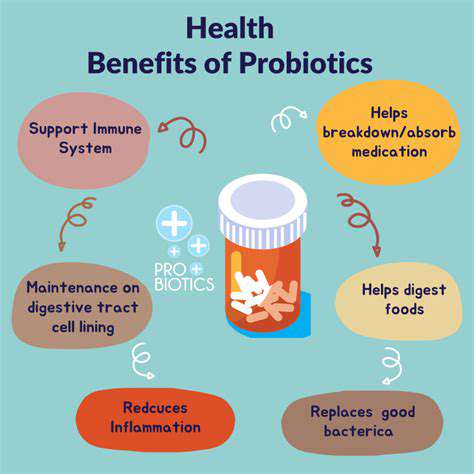
A Personalized ApproachAre you struggling with Irritable Bowel Syndrome (IBS) and seeking effective ways to manage its symptoms? Discover comprehensive dietary strategies and the role of probiotics and supplements in alleviating IBS discomfort. This personalized approach can help you regain control of your digestive health and improve your quality of life. Understanding IBS and Its ChallengesIBS is a common chronic condition characterized by symptoms such as abdominal pain, bloating, diarrhea, and constipation. Managing IBS requires a tailored approach that addresses individual triggers and nutritional needs. Proper dietary modifications, combined with the right supplements, can significantly reduce symptoms and enhance gut health. Dietary Strategies for IBS ReliefImplementing specific dietary changes is crucial for managing IBS. This includes identifying and avoiding trigger foods, incorporating low-FODMAP diets, and maintaining balanced nutrition. Personalized meal planning can help minimize flare-ups and improve digestion. The Role of Probiotics and SupplementsProbiotics play a vital role in restoring gut flora balance, which is often disrupted in individuals with IBS. Supplementing with targeted probiotics can reduce bloating, improve bowel regularity, and decrease abdominal discomfort. Additionally, other supplements such as fiber, digestive enzymes, and herbal remedies may support gut health and symptom relief. Personalized Approach for Optimal ResultsEvery person with IBS has unique triggers and responses to dietary changes. Consulting with healthcare professionals to develop a customized plan that includes the right combination of diet and supplements is essential. This personalized approach ensures better symptom management and promotes overall digestive wellness. Enhance Your Gut Health TodayLearn more about effective dietary strategies and the benefits of probiotics and supplements for IBS management. Take proactive steps toward improving your digestive health and living a more comfortable, symptom-free life.---Optimize your IBS management with expert guidance on personalized diets, probiotic supplementation, and holistic gut health strategies. Start your journey toward relief and better well-being today!
May 04, 2025
Health Tips for Seniors Living Independently
May 27, 2025
How to Improve Your Focus and Concentration
Jul 03, 2025
Understanding Depression in Seniors [Signs and Support]
Jul 20, 2025
Guide to Managing Migraines
Aug 04, 2025
A Comprehensive Guide to Establishing a Consistent Running RoutineAre you ready to transform your mornings and elevate your fitness routine? Creating a consistent schedule for your morning runs can be a game-changer, enhancing both your motivation and performance. Studies show that habits formed through repetition lead to greater success, as your body and mind adapt to the rhythm of an early wake-up call. Let’s dive into how establishing a structured plan for your runs can ignite your passion for fitness! Create Your Personalized Running ScheduleCrafting a personalized running schedule requires understanding your lifestyle, work commitments, and energy levels. Start by evaluating your daily commitments and carve out a time to run that aligns with your natural rhythms. Whether you’re an early riser or a night owl, setting a specific time significantly increases your chances of sticking to your routine. Remember to consider short distances at first, gradually increasing your mileage while factoring in essential rest days for recovery. Leverage Technology to Stay on TrackIn today’s digital world, utilizing apps like Strava or Runkeeper can streamline your running journey. These platforms not only track your progress but also connect you with a community of fellow runners, offering motivation and accountability. Wearable tech like smartwatches provides real-time feedback and insights on your performance, helping you set realistic goals and celebrate achievements along the way. Prepare the Night Before for Seamless MorningsPreparation is key! Organizing your running gear, including shoes, clothes, and accessories, the night before can save time and reduce morning stress. Planning your route ahead of time ensures you’re all set to go, eliminating indecision that can deter you from heading out. Setting a realistic alarm is crucial—aim for 7-8 hours of sleep to avoid morning fatigue and make waking up a smoother process. Set Achievable Goals and Celebrate ProgressUnderstanding your fitness levels is essential when setting goals. Avoid overwhelming yourself by breaking larger objectives into manageable milestones. Celebrate each achievement, no matter how small—it could be as simple as logging your runs in a journal or treating yourself after reaching specific targets. Sharing your accomplishments with friends or social media communities can enhance that celebratory feeling, forming connections that keep you motivated. Find a Running Buddy or Join a GroupRunning with a buddy not only enhances motivation levels through mutual encouragement but also enriches your social life. With platforms like Meetup, you can find group runs that match your pace and goals, making your running experience more enjoyable. Engaging in a group also introduces structured workouts, like interval training sessions, to keep your runs fresh and exciting. Reflect and Evolve Your Running JourneyAs you progress, take time to reflect on your journey and adjust your goals as necessary. Life is unpredictable, and flexibility in your running routine allows you to remain committed without the pressure of overwhelming targets. Periodically assessing your achievements builds awareness of how you’ve evolved, both physically and mentally, reinforcing your resolve to maintain a morning running routine.In conclusion, crafting a consistent running schedule fosters discipline and enriches your life beyond just fitness. With determination, preparation, and support, you can embark on a rewarding journey filled with milestones, accountability, and cheer. Dive into your mornings with energy and watch as your passion for running grows!
Feb 27, 2026
Enhance Your Health & HappinessAs we age, our mental and emotional well-being becomes increasingly important. Recent studies highlight a vital connection between gratitude and healthy aging. Expressing gratitude not only lifts our spirits but can also significantly improve mental health, leading to reduced depression and anxiety among older adults. The Science Behind Gratitude and AgingResearch reveals that gratitude does more than just promote happiness; it actively engages specific brain regions related to joy and satisfaction. Engaging in gratitude practices can foster cognitive enhancements, such as improved memory and cognitive flexibility, which are critical as we age. This is particularly relevant for seniors, as cognitive engagement becomes essential for maintaining overall brain health.One of the most effective methods to cultivate gratitude is keeping a gratitude journal. By documenting daily positive experiences, individuals can shift their focus towards the brighter aspects of life, significantly impacting their mental outlook and emotional stability. Journaling not only enhances mood but may also improve focus and memory retention, making it easier to tackle daily challenges. Practical Techniques for Cultivating GratitudeIncorporating gratitude into your daily routine can be easy and profoundly rewarding. Here are effective strategies to help you get started:1. Gratitude Journaling: Spend a few minutes each evening writing down three things you’re thankful for. This simple practice encourages mindfulness and promotes a more positive mindset. 2. Mindfulness Meditation: Engage in meditation focused on gratitude. Reflect on the people and experiences you appreciate, enhancing your emotional well-being and cognitive health. 3. Community Engagement: Participate in volunteer activities or community service. These experiences not only elevate your sense of gratitude but also strengthen relationships and enhance cognitive function through social interactions.4. Group Sharing: Create or join gratitude circles where each person shares their daily appreciations. This fosters deeper connections and encourages everyone to reflect positively. Benefits of Gratitude PracticesImplementing gratitude practices doesn't just improve individual well-being; it also strengthens social ties. Regular expression of thankfulness can enhance relationships with family and friends, creating a vital support network. Stronger social connections can lessen feelings of loneliness and isolation, particularly prevalent among older adults.Moreover, fostering gratitude can serve as a protective factor against cognitive decline. Studies indicate that seniors who actively express gratitude exhibit greater resilience against life stresses and challenges, which contributes to an overall better quality of life.---In summary, cultivating gratitude can have profound effects on mental health and cognitive function, especially as we age. By integrating simple gratitude practices into daily life, older adults can improve their emotional well-being, enhance social connections, and support cognitive health. Start your journey to a more grateful life today!For more resources and insights on living joyfully, stay tuned for our upcoming content on wellness and mental health.
Feb 27, 2026
Transforming Relationships through GratitudeIn conclusion, gratitude and acknowledgment are powerful tools for transforming relationships. By incorporating gratitude into daily interactions, fostering a culture of appreciation, and enhancing communication, we can create stronger, more meaningful connections with those around us. Embracing these practices not only enriches our lives but also enhances the emotional fabric of our communities.Embrace the power of gratitude today and watch your relationships flourish!
Mar 01, 2026
Understanding the Transformative Power of GratitudeWhen it comes to enhancing our overall well-being, cultivating gratitude is often overlooked. Research highlights the myriad benefits associated with gratitude, ranging from improved mental health to stronger relationships. This guide delves into the importance of gratitude and offers actionable tips for integrating it into your daily life. Elevate Your Mental Health with GratitudePracticing gratitude acts as a powerful antidote to negative emotions, significantly reducing symptoms of depression and anxiety. Studies, such as those published in the *Journal of Happiness Studies*, reveal that individuals who regularly express gratitude experience substantial shifts in perspective and emotional uplift. Maintaining a Gratitude Journal can retrain your brain to focus on the positives, fostering a sustained mindset of thankfulness. Strengthen Your ConnectionsGratitude doesn't just improve self-perception; it cultivates stronger relationships. A grateful mindset fosters connection and positivity, encouraging reciprocal warmth among partners, friends, and coworkers. Research from the University of California shows that expressing appreciation enhances relationship satisfaction, boosts morale in workplace settings, and reduces burnout. Establishing a culture of gratitude can transform the dynamics of your personal and professional interactions. Creating Your Gratitude JournalA Gratitude Journal serves as a practical tool for reflecting on what enriches your life. Regularly documenting positive experiences can enhance mental well-being and resilience. To start, find a journaling format that suits you—whether it’s a digital app or a traditional notebook—and establish a consistent writing routine that fits seamlessly into your day. What to WriteYour entries should reflect specific events or people, lessons learned, simple pleasures, and forward-looking aspirations. Being detailed about your gratitude—like describing a joyful family dinner—invokes stronger emotions and deeper reflections. Building Your Daily Gratitude HabitIntegrating gratitude into your day-to-day routine can be simple. Start or end your day by jotting down three things for which you're thankful. Setting reminders and exploring various practices can keep your gratitude ritual engaging. Overcoming ObstaclesMaintaining a gratitude practice can be challenging, especially in stressful times. Overcome these barriers by keeping your journal easily accessible and setting specific time frames for your reflections. Engaging with friends or peers about gratitude can provide additional motivation and support. Embrace Gratitude in Your RelationshipsSharing gratitude fosters stronger bonds. Verbal affirmations or thank-you notes can significantly enhance personal relationships and contribute to a supportive social environment. In a workplace context, recognition for contributions can boost motivation and overall productivity. Leverage Technology for GratitudeIn today's digital age, technology can reinforce gratitude practices. Utilize apps that remind you to reflect daily or share appreciation with friends. Social media can also be a platform for expressing gratitude, creating a supportive network that amplifies positivity.By committing to gratitude, you not only improve your own mental and emotional well-being but also enrich your interactions with others. Embracing gratitude as a lifestyle can lead to more robust relationships, increased happiness, and improved health. Start Your Gratitude Journey TodayReady to change your life through gratitude? Start cultivating a positive mindset today and watch how it transforms your outlook and relationships for the better.
Mar 04, 2026
1. Set Time and Space: Dedicate 5-10 minutes each morning to reflect on your gratitude in a quiet, comfortable space. This environment should be free from distractions, enhancing your focus. 2. Minimize Distractions: To make this time sacred, turn off phone notifications and communicate your ritual to others in your household.3. Journaling Your Gratitude: Keep a journal where you jot down three things you’re grateful for each day. Be specific! Instead of general statements, delve into particular moments and feelings related to your gratitude, enhancing emotional resonance.4. Incorporate Mindfulness Techniques: Take a few deep breaths or practice mindfulness meditation to ground yourself. This not only prepares your mind for gratitude but significantly improves emotional regulation.5. Create a Routine: Establish a consistent daily routine around your gratitude practice, making it a seamless part of your day. This helps fortify the habit.6. Evaluate and Adjust: Periodically assess your environment and practice. Be flexible in tailoring your rituals according to what works best for you to maintain motivation. Long-Term Benefits The impact of gratitude is transformative, fostering stronger relationships and increasing emotional resilience. Expressing gratitude not only cultivates a culture of appreciation among friends and family but also enhances your ability to adapt to challenges. Over time, those who engage in morning gratitude rituals report not only improvements in individual moods but heightened social connections and overall well-being. Final ThoughtsIncorporating a morning gratitude ritual encourages a proactive mindset that boosts your focus and productivity. You’ll find that small daily reflections can lead to monumental shifts, positively impacting your emotional and mental health. Set aside time to express gratitude, and witness the remarkable benefits it can bring to your everyday life. Start today—choose gratitude as your morning companion and watch as it transforms not just your mornings but your entire outlook on life.
Mar 06, 2026
Unlocking a Positive MindsetGratitude is more than just a fleeting emotion; it serves as a powerful psychological tool that can significantly enhance mental well-being. Research indicates that practicing gratitude regularly can lead to lower levels of depression and anxiety, as demonstrated in studies published in reputable journals like the Journal of Happiness Studies. This powerful practice not only reshapes cognitive patterns but also fosters more positive emotional states in individuals. The Science Behind GratitudeAccording to studies from the University of California, maintaining a gratitude journal can improve sleep quality and overall physical health. Participants engaged in gratitude exercises reported heightened feelings of positivity and engagement, vital benefits for those managing chronic pain and illness. Gratitude, therefore, emerges as a vital emotional coping mechanism that helps shift the focus from pain to positives. Practical Ways to Cultivate GratitudeIncorporating gratitude into daily life can be straightforward and impactful. Keeping a gratitude journal, where you note three things you’re thankful for each day, can create a habit of reflection. It’s also effective to express gratitude directly to others, whether through thank-you notes or verbal affirmations, which fosters stronger relationships and enhances overall emotional health. The Impact on RelationshipsExpressing gratitude has positively influenced interpersonal relationships, vital for those grappling with chronic conditions. Couples that frequently express appreciation enjoy greater relationship satisfaction, leading to improved emotional support. This nurturing environment helps navigate the stressors associated with health challenges, establishing a foundation for understanding and mutual support. Long-Term Benefits of GratitudeThe practice of gratitude not only provides immediate emotional relief; it also cultivates a more optimistic outlook on life over time. Long-term engagement with gratitude can promote resilience, ultimately making it easier for individuals to manage chronic pain and enhance their overall quality of life. Gratitude Journaling: A Daily PracticeGratitude journaling has been shown to transform perspectives and improve mental health significantly. Studies reported in Psychological Science suggest that maintaining a gratitude journal can help reduce anxiety and feelings of isolation. Starting a journal doesn’t require fancy materials—just consistent reflections at a set time each day can lay the foundation for a rewarding habit. Mindfulness and Gratitude in Pain ManagementIntegrating mindfulness with gratitude practices can amplify the benefits of both. Mindfulness encourages being present, allowing individuals to recognize blessings often overlooked. Together, these practices can create a more balanced approach to chronic pain management, leading to improved emotional resilience. Building a Positivity NetworkCreating a supportive environment is vital for those dealing with chronic pain. This network can consist of supportive friends, family, and healthcare professionals. Participating in support groups provides a sense of community and shared experiences. Moreover, using technology can bolster your gratitude practices, ensuring consistent engagement in maintaining a healthy mindset. Conclusion: Make Gratitude a LifestyleIncorporating gratitude into your daily routine should be a conscious lifestyle choice rather than a fleeting practice. Committing to gratitude through journaling and mindfulness can dramatically ease the burdens of chronic pain, enhancing both emotional strength and resilience. Ultimately, recognizing blessings in life leads to improved mental health, better coping strategies, and a heightened overall appreciation for life's journey. Embrace gratitude and unlock the transformative emotional benefits it offers today!
Mar 08, 2026
View Publications>>

Hot Recommendations