How Gratitude Can Improve Your Personal Relationships
Outline
Gratitude enhances relationship satisfaction and emotional connection.
Creating a culture of appreciation boosts personal and professional environments.
Daily gestures of gratitude strengthen relationships and build trust.
Gratitude aids in conflict resolution by shifting focus to understanding.
Tracking gratitude practices reveals their benefits on relationships.
Family gratitude traditions forge empathy and strengthen bonds.
Gratitude enhances personal growth and emotional resilience.
Acknowledgment fosters belonging and improves relationship dynamics.
Sincere gestures of appreciation can significantly impact morale.
Active listening deepens connections and enhances communication quality.
Recognition during conflicts promotes understanding and collaboration.
Creating routines for acknowledgment transforms relationship dynamics.
Self-reflection helps assess the impact of acknowledgment practices.
Emotional resilience promotes healthier interactions and better communication.
Maintaining a gratitude journal boosts mood and reinforces connections.
Building resilience requires self-care and strong social support.
Creating a Positive Environment
Understanding the Role of Gratitude in Relationships
Gratitude acts as a foundational component in the fabric of interpersonal relationships. Research indicates that expressing gratitude can enhance relationship satisfaction significantly. A study published in the journal Emotion found that people who regularly practiced gratitude reported increased levels of satisfaction in their relationships.
This concept can be effortlessly integrated into daily interactions. Simple acts such as thanking a partner for their efforts or acknowledging friends for their support contribute positively to relationship dynamics. This reinforces bonds and encourages a culture of appreciation, fostering emotional connection.
Creating a Culture of Appreciation
Establishing a culture of appreciation goes beyond individual expressions of thanks; it involves promoting an environment where everyone feels valued. This can occur in both personal and professional settings. Companies that implement regular gratitude practices often report lower turnover rates and higher employee satisfaction.
To cultivate this cultural shift, organizations should consider structured gratitude initiatives, such as a 'gratitude wall' or monthly recognition events. These frameworks help reinforce the positive behaviors that stem from gratitude and encourage collective appreciation among team members.
Incorporating Gratitude into Daily Interactions
Daily interactions are prime opportunities for gratitude expressions. Whether it's acknowledging a loved one's effort in cooking a meal, or appreciating a friend's support during tough times, these small gestures build a stronger relational foundation. A consistent practice can turn gratitude into a habit, making it a natural part of communication.
It’s also vital to personalize expressions of gratitude. Tailoring your thanks to reflect the recipient's love language—or the way they best receive appreciation—can deepen the impact. For instance, verbal affirmations can resonate more for some while acts of service may mean more to others.
The Impact of Gratitude on Conflict Resolution
Conflict is an inevitable aspect of relationships, but gratitude can play a pivotal role in resolving these conflicts. Studies suggest that when individuals approach disagreements with a mindset of gratitude, they can find common ground more effectively. This perspective shifts focus from blame to understanding and cooperation.
Practicing gratitude during conflicts allows partners to remember the positive aspects of their relationship, leading to more constructive dialogues. For instance, recalling moments of support and love can help couples navigate conflicts more smoothly.
Measuring the Outcomes of Gratitude Practices
Despite its subjective nature, the effects of gratitude can be quantified through various metrics. Surveys assessing relationship satisfaction levels before and after implementing gratitude practices can provide valuable insights. Furthermore, tracking communication patterns and frequency of expressions can also offer tangible results.
Research from the University of California suggests that gratitude can improve both mental health and relationship quality. Thus, trying to maintain records over time can reveal significant trends that correlate with gratitude-enhanced interactions.
Encouraging Family Gratitude Traditions
Gratitude traditions within families can create lasting bonds and memories. Establishing a weekly family meeting where each member shares something they are grateful for can enhance communication and strengthen ties. Children raised in such environments are often more empathetic and socially aware.
Moreover, adhering to rituals like Thanksgiving gratitude circles can instill the importance of appreciation early on. These family practices create a safe space for openness and sharing, reinforcing the idea that gratitude is fundamental to community building.
Personal Challenges and Growth Through Gratitude
Embracing gratitude is not solely about improving relationships; it can also enhance personal growth. Regular reflection on what we appreciate allows for deeper self-awareness and emotional intelligence. Even in challenging circumstances, identifying aspects to be thankful for can lead to resilience.
Integrating gratitude journals into daily life can facilitate this process. Writing down three things you are grateful for each day has been linked to improved mood and outlook. This practice encourages us to focus on the positives, fostering a healthier mindset as we navigate life’s ups and downs.
Strengthening Bond Through Acknowledgment
Understanding the Importance of Acknowledgment
Acknowledgment in relationships plays a crucial role in strengthening bonds between individuals. Whether it be in friendships, romantic partnerships, or family connections, recognizing each other's efforts and contributions fosters a sense of belonging. Studies indicate that gratitude can significantly enhance relationship satisfaction, suggesting that when people feel appreciated, they are more likely to engage constructively with one another.
Research by Emmons and McCullough has shown that individuals who practice gratitude demonstrate improved psychological health and stronger social ties. This can translate into more positive interactions, suggesting that simple acts of acknowledgment can create lasting impacts over time. Such insights highlight the necessity of cultivating an environment in which recognition is a common practice.
Practical Ways to Express Acknowledgment
Expressing acknowledgment doesn't need to be grand or complicated. Simple gestures, like a sincere “thank you” or a note recognizing someone's effort, can make a significant difference. For instance, taking the time to verbally appreciate a colleague's hard work on a project not only boosts their morale but can also foster a collaborative spirit within the team.
Moreover, recognition can be informal, such as sharing a compliment about someone's kindness or their impact on a situation. Research indicates that even small acknowledgments can encourage a cycle of positivity, leading to improvements in both mental well-being and relationship dynamics.
The Role of Active Listening
Active listening is a fundamental aspect of acknowledgment that is often overlooked. When individuals feel heard, they are more likely to feel valued and appreciated. This involves not only hearing the words spoken but also understanding the emotions behind them. Engaging in conversations with focused attention can deepen relationships, making both parties feel more connected and appreciated.
It's essential to show genuine interest in what others are saying. Techniques such as nodding, maintaining eye contact, and paraphrasing what has been said can contribute significantly to making the speaker feel recognized. Creating such an environment enhances communication and strengthens the relational bond.
Acknowledgment as a Foundation for Conflict Resolution
Acknowledgment plays a pivotal role when it comes to resolving conflicts. Recognizing a partner's feelings or point of view can de-escalate tense situations and pave the way for constructive dialogue. According to a study published in the Journal of Social and Personal Relationships, individuals who felt acknowledged during disputes were more likely to work collaboratively towards solutions.
By taking the time to acknowledge grievances, individuals can demonstrate empathy, which can facilitate mutual understanding. It transforms conflict from a potentially harmful experience into an opportunity for growth, thereby strengthening the overall relationship in the process.
Building a Culture of Gratitude
Developing a culture where acknowledgment thrives can be transformative. Creating routines that include expressing gratitude, such as family meetings or check-ins with friends, can become instrumental in enhancing relationships. Organizations that promote a culture of gratitude often witness a substantial reduction in workplace conflict and an increase in job satisfaction.
Encouraging members of a group to acknowledge each other regularly fosters an environment where everyone feels valued. Programs that include gratitude practices or workshops can also be beneficial, as they engage people in recognizing the importance of appreciation within their lives.
Evaluating the Impact of Acknowledgment
To truly understand the effects of acknowledgment in your relationships, consider periodic self-reflection. Assess how often you express gratitude and how it impacts your interactions. Journals focusing on appreciation can help track progress and understanding over time. By documenting the instances where acknowledgment has led to positive outcomes, it's easier to notice the patterns that reinforce these behaviors.
Additionally, seeking feedback from friends or family about how they feel when recognized can provide valuable insights. Their perceptions will help you gauge the effectiveness of your acknowledgment efforts and demonstrate how committed you are to nurturing your relationships.
Encouraging Open Communication
Understanding the Importance of Active Listening
- Active listening is crucial for building trust in relationships.
- It enhances the quality of conversations by ensuring both parties feel heard.
- Engaging fully in discussions can lead to deeper connections.
Active listening involves more than merely hearing words; it requires genuine engagement. Studies have shown that when individuals feel listened to, they are more likely to share their thoughts and feelings openly. This practice not only empowers the speaker but also enriches the listener's understanding of the speaker's perspective.
Cultivating a Safe Space for Open Dialogue
Creating an environment where open communication can flourish is vital. This means encouraging each person to express their fears, joys, and concerns without the fear of judgment. This safe space promotes honesty, enhancing the overall quality of personal relationships. Research from the University of California emphasizes that when individuals feel secure, they are more likely to approach sensitive topics with confidence.
Offering constructive feedback is equally important in this context. It nurtures growth while reinforcing a sense of mutual respect. Personalizing your approach when addressing issues can go a long way in fostering understanding.
Practical Strategies to Enhance Communication
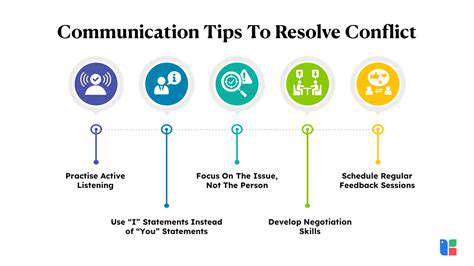
Implementing practical strategies can significantly improve communication in any relationship. One effective method is to schedule regular check-ins to discuss feelings and thoughts. Such routine discussions help partners stay connected and address any underlying issues before they escalate.
Additionally, using I statements instead of you statements can alter the tone of the conversation. For example, saying I feel neglected when you’re busy rather than You never pay attention to me can prevent defensiveness and promote a more constructive dialogue. Furthermore, incorporating gratitude into these conversations can also shift the focus towards positive reinforcement.
Boosting Emotional Resilience
Understanding Emotional Resilience
Emotional Resilience refers to the ability to adapt to challenging life situations with a positive mindset and recover from adversity. Those with strong resilience are not immune to stress; rather, they respond to it more effectively. Research shows that emotional resilience can significantly influence personal relationships. Individuals who manage their emotions well tend to foster healthier interactions, ultimately enriching their relationships.
A study by the American Psychological Association found that emotional resilience is linked to better communication skills and conflict resolution. This means that resilient individuals are more likely to express their thoughts clearly and listen actively to their partners. In turn, this creates an environment where open dialogue thrives, and misunderstandings are minimized.
- Emotional resilience enhances stress management.
- It improves communication and conflict resolution skills.
- Resilient individuals foster healthier relationships.
Practical Steps to Enhance Emotional Resilience
Building emotional resilience involves consistent practice and self-reflection. One effective approach is to maintain a gratitude journal. Writing down three things you are grateful for each day can shift your focus from negative experiences to positive aspects of life. This simple act not only boosts your mood but also strengthens your connections with others. When you express gratitude, people feel appreciated and valued, which naturally fosters deeper bonds.
Another method to enhance resilience is engaging in regular self-care. This includes physical activities like yoga or meditation, which have been shown to reduce anxiety and promote emotional well-being. Additionally, seeking social support from friends and family can serve as a protective factor during challenging times. Feeling connected to others reinforces the idea that we are not alone in our struggles, thus promoting resilience.
Transforming Perspectives
Understanding the Role of Gratitude in Relationships
Gratitude plays a significant role in fostering personal connections. A study published in the journal Personal Relationships noted that individuals who regularly express gratitude to their partners report higher levels of satisfaction in their relationships. This is largely because gratitude reinforces positive interactions and encourages partners to reciprocate kindness, thereby creating a virtuous cycle of appreciation and support.
Moreover, expressing gratitude isn't just about saying thank you; it's about recognizing the efforts of others and acknowledging their impact on your life. This recognition helps deepen emotional bonds, making partners feel valued and understood. Practicing gratitude can be as simple as highlighting small gestures that often go unnoticed, which can dramatically enhance the quality of your interactions over time.
Practical Ways to Incorporate Gratitude Daily
Incorporating gratitude into your daily routine doesn't have to be complicated. One effective method is maintaining a gratitude journal where you jot down at least three things you're thankful for concerning your partner each day. Research from The Journal of Positive Psychology suggests that this practice can improve overall relationship satisfaction and decrease feelings of dissatisfaction.
Another approach is to express gratitude verbally during interactions. Try to be specific about what you're thankful for; for instance, rather than simply saying thanks for dinner,” elaborate by appreciating the effort they put into the meal and how it made you feel cared for. Such expressions can make a significant difference in how both partners perceive their relationship. Regularly sharing thankfulness can lead to a more positive and resilient partnership.
Read more about How Gratitude Can Improve Your Personal Relationships







Hot Recommendations
-
*How to Build a Habit of Reading for Well being
-
*Guide to Managing Sleep Apnea
-
*10 Simple Healthy Habits to Start Today
-
*How to Build a Regular Exercise Routine
-
*Guide to Meal Planning for a Healthy Lifestyle
-
*Health Tips for Teens Maintaining Mental Health
-
*Guide to Sustainable Living Practices You Can Start Today
-
*Guide to Incorporating Mindfulness Into Your Day
-
*How to Meal Prep for a Busy Travel Schedule
-
*Guide to Understanding Processed Foods and Their Risks