Creating a Morning Gratitude Ritual for Daily Focus
Contents
Gratitude improves mental health and well-being through scientific support.
Practicing gratitude can lead to better sleep and resilience.
Daily gratitude rituals enhance mindset and strengthen relationships.
Select a comfortable, distraction-free space for your ritual.
Minimize distractions to enhance focus during your gratitude practice.
Use journals or apps to effectively track gratitude reflections.
Establishing a routine enhances the benefits of gratitude practices.
Mindfulness deepens appreciation during gratitude rituals.
Evaluate and adjust your environment for optimal effectiveness.
Gratitude journaling lowers anxiety and fosters a sense of community.
Select a journal format that encourages consistent engagement.
Focus on detailed moments of gratitude for deeper reflections.
Incorporate prompts to diversify gratitude entries.
Reviewing entries reveals themes and personal growth.
Sharing gratitude amplifies its positive effects on relationships.
Begin the day with gratitude to enhance focus and productivity.
Mindfulness boosts mental clarity and reduces stress effectively.
Simple techniques deepen mindfulness practice and its benefits.
Consistency in mindfulness builds effective daily habits.
Integrating mindfulness throughout the day reinforces focus and clarity.
Morning rituals set the tone for improved daily productivity.
Incorporate gratitude in the morning to elevate mood and energy.
Create structured morning routines for enhanced energy and focus.
Regular morning practices lead to long-term emotional benefits.
Focus on gratitude to navigate life’s challenges with clarity.
Why a Morning Gratitude Ritual Matters
Understanding the Science Behind Gratitude
Numerous studies support the Positive Impact of Gratitude on mental health. Research published in the journal Psychological Science indicates that individuals who regularly practice gratitude report lower levels of stress and higher levels of well-being. Specifically, those who maintain gratitude journals experience a significant increase in life satisfaction and positive emotional states.
Incorporating gratitude into your daily routine isn't merely about feeling good; it's grounded in real psychological benefits. According to a meta-analysis by Wood et al., gratitude can lead to beneficial outcomes such as improved sleep and increased resilience. By consistently engaging in gratitude practices, you actively train your brain to focus on what is positive, creating a mental buffer against stress and negativity.
Practical Steps to Cultivate a Morning Gratitude Ritual
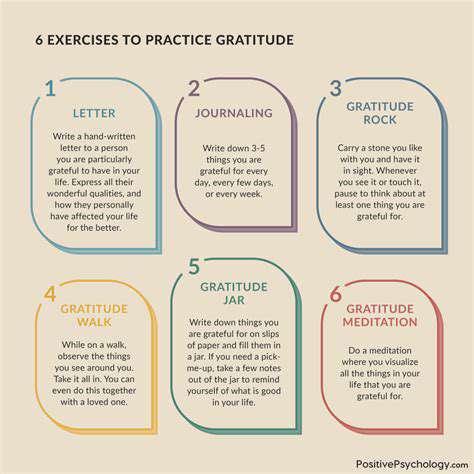
To create an impactful morning gratitude ritual, start with a simple structure. Set aside five to ten minutes each morning to reflect or write down three things for which you are grateful. This can range from personal achievements to everyday pleasures like a warm cup of coffee. The act of writing reinforces these positive thoughts, making you more likely to recall them throughout the day.
Long-Term Benefits of a Daily Gratitude Practice
Engaging in a Daily Gratitude Ritual can transform not only your mindset but also your relationships. Studies indicate that expressing gratitude can enhance social connections, leading to stronger bonds with friends and family. When you take the time to appreciate others, it fosters a culture of thankfulness, encouraging reciprocal gestures that strengthen relationships over time.
Setting the Right Environment

Identify Your Space
Choosing the right physical location for your morning gratitude ritual is essential. This space should be Quiet and free from distractions, allowing you to focus solely on your thoughts and feelings. Many people prefer to sit in a comfy chair, while others might choose a spot near a window to enjoy natural light.
When selecting a location, consider factors like comfort, accessibility, and inspiration. It might be helpful to create a dedicated corner in your home, affixed with items that inspire positivity—like plants or art that resonates with you. A personal touch can make this space feel even more special.
Minimize Distractions
Before starting your morning ritual, it is vital to minimize external distractions. Turn off notifications on your phone, and if possible, choose a time when household activities are at a lull. This is your moment, and it’s important to make it sacred.
- Turn off electronic devices that might disrupt your concentration.
- Communicate with household members about your ritual times.
- Create a calming environment by reducing noise levels.
By controlling your environment, you foster a sense of stillness that enhances your ability to reflect on gratitude effectively.
Equip Yourself with the Right Tools
Having the right tools on hand can facilitate your gratitude practice. Consider using a journal to write down your thoughts or feelings. A well-crafted journal can help you reflect on past entries, allowing you to notice patterns in your gratitude. Many find that keeping a digital version or using gratitude apps can be equally effective.
You might also want to use colored pens or even stickers if you enjoy creative expression. These elements can make the process feel more engaging and personalized. A cup of herbal tea or coffee can also be comforting and stimulating during your practice.
Create a Routine
Establishing a Consistent routine enhances the effectiveness of your gratitude ritual. Picking a specific time each day, ideally soon after waking, helps in making this a habit. Research shows that consistency is key in forming long-lasting habits. You can either choose to bundle this into your morning routine or set aside 10-15 focused minutes.
Incorporating breathing exercises or meditation can provide additional focus, helping you transition seamlessly into a mindset of gratitude. Aim for at least a week of consistent practice to start noticing the benefits.
Incorporate Mindfulness Techniques
Mindfulness is integral to a successful gratitude ritual. By being truly present in the moment, you can deepen your appreciation for the things in your life. Techniques like deep breathing, visualization, or even guided meditation can prime your mind for gratitude.
Allocation of a few minutes to simply observe your breathing can ground you and set the tone. Studies indicate that mindfulness techniques can enhance emotional well-being and lead to a greater sense of satisfaction with life.
Evaluate and Adjust the Environment
Finally, always be willing to evaluate and adjust your environment as needed. What works today might not work next week, and that’s perfectly okay. Constantly optimizing your space based on your evolving preferences is part of the journey. If noise becomes an issue, consider using noise-canceling headphones or soft background music to maintain focus.
Make it a practice to assess your feelings toward your space regularly. If you notice a lack of motivation, try rearranging your environment or adding new inspiration elements to breathe life into your ritual.
Journaling Your Gratitude
Understanding the Impact of Gratitude on Mental Health
Research has consistently shown that Practicing gratitude can significantly enhance mental well-being. A study published in the Journal of Personality and Social Psychology found that individuals who regularly wrote down what they were grateful for exhibited lower levels of depression and anxiety. This suggests that gratitude can serve as a powerful tool in managing emotional health.
Gratitude not only shifts focus from negative to positive aspects of life but also fosters a sense of community. When we express gratitude, it strengthens our relationships and can lead to improved social support networks. This is crucial for mental resilience during challenging times.
Setting Up Your Gratitude Journal
To effectively start your gratitude journal, select a format that suits your lifestyle. You can choose between a traditional notebook, a digital journal, or even specialized apps designed for this purpose. The key is to find a method that encourages you to engage with the practice consistently.
Each entry should focus on specific details—for instance, instead of writing 'I'm grateful for my family,' elaborate on a specific moment of joy spent with them, such as a family dinner where you shared laughs and stories. This level of detail can enhance the emotional impact of your reflections and make the practice more fulfilling.
Creating a Daily Ritual
Incorporating your gratitude journaling into a daily routine can help solidify this practice. Choose a consistent time each day, such as early mornings or before bedtime, when you can dedicate a few minutes to reflection. This habitual approach cultivates mindfulness and sets a positive tone for the day or allows for reflection on the day just passed.
Examples of Gratitude Prompts
Sometimes, it can be challenging to know what to write about. Consider using prompts to guide your thoughts. For example, you might reflect on three things that went well during your day or identify a person who made a difference in your life recently and detail how they impacted you. These prompts can not only help you to get started but also ensure a diverse range of reflections.
Another effective prompt is to focus on lessons learned from difficult situations. This approach shifts the perspective from merely acknowledging what is positive to appreciating the growth that comes from challenges, providing a well-rounded view of gratitude.
Tracking Progress Over Time
Over time, regularly reviewing your gratitude entries can reveal significant personal growth and shifts in your mindset. You might notice recurring themes, which can be enlightening. For instance, if you consistently express gratitude for supportive friends, it may prompt you to invest more effort into those relationships.
Some studies show that individuals who reflect on their gratitude over the long term report sustained increases in life satisfaction. This observational approach adds another layer to your journaling experience, allowing you to evaluate personal changes and growth in your perspective.
Sharing Gratitude with Others
Another dimension of gratitude practice is sharing your reflections with others. Whether verbally or through written notes, expressing gratitude toward others amplifies its effects. Studies have indicated that when you express gratitude, not only do you benefit on an emotional level, but the recipient also experiences enhanced feelings of happiness and connection.
Consider sending a handwritten note or a simple message to someone who has positively impacted your life. This act not only strengthens your bonds with others but also reinforces your own gratitude as you articulate your feelings.
Using Gratitude as a Tool for Focus
Incorporating gratitude into your morning routine can enhance your overall focus and productivity for the day ahead. Start your day with a gratitude entry that lists out what you are thankful for, creating a mental framework that keeps distractions at bay.
Research from Harvard University indicates that a positive mindset directly correlates with increased focus and productivity at work or during daily tasks. By beginning your day with gratitude, you set an intention that can steer your efforts towards purpose and achievement, enhancing your engagement in various activities throughout the day.
Incorporating Mindfulness Techniques

Understanding Mindfulness
Mindfulness is essentially the practice of maintaining a moment-by-moment awareness of our thoughts, feelings, bodily sensations, and surrounding environment. The idea is grounded in the psychological and physiological benefits that come from being fully present. Research has shown that mindfulness can significantly reduce stress and improve mental health. This is why incorporating mindfulness techniques into a morning ritual can potentially enhance focus throughout the day.
Practicing mindfulness can range from simple breathing exercises to more structured practices like meditation or yoga. Many people find that starting their day with a few minutes of focused awareness helps set a positive tone. By dedicating even a small amount of time to mindfulness, individuals may experience increased clarity and emotional resilience as they navigate their day's challenges.
Benefits of Morning Mindfulness Practices
- Enhances emotional regulation
- Increases focus and productivity
- Promotes a positive mindset for the day
Engaging in mindfulness exercises every morning can lead to profound changes in Daily Productivity. Participants often report heightened focus, which is essential for efficiently tackling tasks. The ability to manage one’s emotions effectively is another critical benefit, as mindfulness helps mitigate negative feelings that can disrupt concentration.
Moreover, research indicates that mornings are a pivotal time for establishing a positive mindset. Starting the day with gratitude or Mindfulness Practices can create a proactive approach, setting an individual up for success.
Simple Mindfulness Techniques to Incorporate
Integrating mindfulness into your morning routine doesn't have to be complicated. Starting with brief breathing exercises can be very impactful; for instance, a technique like the 4-7-8 breath, which involves inhaling for four counts, holding for seven, and exhaling for eight, can help clear your mind and center your thoughts.
Another effective technique is a gratitude journal. Spending just five minutes writing down what you are grateful for can shift your focus from what may be lacking in your life to what is abundant. This simple practice has been shown to enhance overall well-being, making it a powerful addition to a morning ritual.
Creating a Consistent Morning Routine
Consistency is key for any practice to yield results, especially with mindfulness techniques. Establishing a regular morning routine that includes mindfulness not only helps build the habit but also deepens your practice over time. Setting a specific wake-up time and designating an area in your home can create a conducive environment for mindfulness.
A well-structured routine can include a combination of gratitude journaling, mindfulness meditation, and even light stretching. These practices together can form a powerful triad for mental and physical readiness. Documenting your practices can also encourage accountability, leading to greater commitment.
Tracking Progress and Adjusting Practices
Evaluating your mindfulness practices is essential for some individuals. By tracking your emotional and mental states before and after the practices, you can gain insight into what methods resonate best with you. This could involve keeping a daily log regarding your focus levels, stress rates, and overall mood to identify patterns.
Be prepared to adjust your practices as needed; what works well one month might feel ineffective the next. Flexibility allows you to tailor the mindfulness techniques to your evolving needs, thereby maintaining their effectiveness in enhancing focus and emotional balance.
Integrating Mindfulness into Daily Life
While morning mindfulness rituals are beneficial, integrating mindfulness techniques throughout your day can further bolster your focus. Simple actions, like taking a mindful minute during breaks to focus on your breath or practice gratitude, can keep you grounded amidst the chaos of daily responsibilities.
Additionally, consider setting reminders throughout your day. These can serve as prompts to pause and engage in mindfulness practices briefly, which can help in reinforcing the habit. Over time, these small incorporations can lead to substantial benefits in focus and overall mental clarity.
Transforming Your Morning Energy
Understanding the Importance of Morning Energy
Morning energy is crucial for setting the tone of your day. Research suggests that individuals who engage in specific rituals upon waking tend to experience improved focus and productivity. This early burst of energy can help manage stress levels throughout the day by allowing for a structured start.
The impact of morning habits on mental performance cannot be overstated. For instance, a study conducted by the University of Southern California found that routines can enhance cognitive functionality, making those initial hours vital for planning and decision-making. Prioritizing energy management in the morning leads to a more composed mindset throughout the rest of the day.
Incorporating Gratitude into Your Morning Routine
Integrating gratitude practices into your morning ritual can amplify your energy and boost your overall emotional state. A simple practice, like listing three things you are grateful for, can shift your mindset and elevate your mood. Research published in the Journal of Personality and Social Psychology supports the idea that gratitude is linked to increased happiness and reduced depression levels.
Furthermore, you might consider keeping a gratitude journal beside your bed. Writing down your thoughts first thing in the morning not only solidifies your intentions but also helps you focus on the positive aspects of your life. This practice has shown to enhance overall satisfaction and mental clarity throughout the day.
Another effective approach is to express gratitude verbally, perhaps through affirmations or sharing your thoughts with a partner. This social aspect can reinforce your feelings of positivity and provide additional motivation, urging you to take on the day with enthusiasm.
Practical Steps to Kickstart Your Day
Creating a structured morning routine does not need to be complicated. Start by waking up at the same time every day, allowing your body to establish a healthy rhythm. Once you are up, hydrate. Drinking water first thing can greatly impact your energy levels by kickstarting your metabolism and helping to clear your mind.
Adding physical movement into your routine can significantly increase energy levels as well. Engage in light stretching, yoga, or a brisk walk. Physical activity has been shown to release endorphins, improving mood and overall energy. Consider varying the activities you include in your routine each week to keep it fresh and engaging.
Moreover, incorporating mindfulness practices such as meditation can optimize your focus and calm your mind. Spending just five to ten minutes in mindfulness can make a noticeable difference in how you approach your day.
The Long-Term Benefits of a Morning Energy Ritual
Establishing a consistent morning gratitude ritual not only enhances daily focus but can lead to significant long-term benefits. People who cultivate a morning routine often report heightened resilience and the ability to adapt more easily to changes throughout the day. This adaptability can foster longevity in both personal and professional realms.
Additionally, these rituals can contribute to improved mental health over time. A long-term study from the American Psychological Association found that regular gratitude practice is associated with better emotional regulation and overall psychological well-being. This not only transforms individual mornings but can enhance relationships and workplace dynamics.
By making conscious efforts to focus on gratitude and productive behaviors in the morning, you prepare yourself for successes that stretch far beyond the simplicity of a single morning routine. This foundational practice can empower you to navigate life’s challenges with confidence and clarity.
Read more about Creating a Morning Gratitude Ritual for Daily Focus








Hot Recommendations
-
*Exercises to Avoid if You Have Lower Back Pain
-
*Using Resistance Bands for Lower Back Strengthening
-
*How Gratitude Increases Emotional Resilience
-
*One Pot Healthy Meals for Easy Weight Loss Cleanup
-
*How Cross Country Running Builds Superior Endurance
-
*Easy Slow Cooker Recipes for Weight Loss
-
*The Secret to Increasing Your Running Endurance Without Burnout
-
*0 Actionable Tips for Immediate Lower Back Pain Relief
-
*Quick Healthy Meals Using Rotisserie Chicken
-
*Healthy Mexican Food Recipes for Weight Loss