Daily Gratitude for Caregivers: Managing Health and Stress
- Maintain a gratitude journal.
- Practice a morning or evening gratitude ritual.
- Share gratitude with others regularly.
One effective method is keeping a gratitude journal. Writing down at least three things you are thankful for each day enhances awareness of positive experiences. Research has shown that regular journaling can elevate mood and improve emotional health significantly. Additionally, taking just a few minutes each evening to reflect on your day can help you end on a positive note, making gratitude a reflexive part of your life.
The Impact of Gratitude on Caregiver Well-being
Gratitude is more than just a fleeting feeling; it holds substantial benefits for mental health, especially for caregivers facing daily stressors. By actively focusing on what they appreciate, caregivers can experience lower levels of anxiety and depression. Studies have indicated that expressing gratitude can substantially increase emotional resilience among those who provide care, helping them cope with challenging situations more effectively.
Moreover, gratitude fosters social connections. When caregivers regularly share their appreciation with friends and family, it strengthens bonds that provide crucial support. This enhanced emotional network can lead to better job satisfaction and reduced feelings of isolation. Ultimately, recognizing the small everyday blessings helps caregivers recharge and continue their essential work with renewed vigor.
The Health Benefits of Gratitude for Caregivers
The Science Behind Gratitude and Its Health Impact
Research indicates that practicing gratitude can lead to significant improvements in both mental and physical health. A study published in the Journal of Psychosomatic Research found that individuals who regularly engaged in gratitude practices reported enhanced Emotional Well-Being and lower instances of stress and anxiety. These benefits can be particularly valuable for caregivers, who often face emotional exhaustion.
Moreover, gratitude has been linked to improved sleep quality, which is essential for health maintenance. A separate study published in Applied Psychology suggested that individuals who kept gratitude journals experienced better sleep outcomes due to reduced negative thoughts and increased positive reflections. For caregivers, who frequently operate under demanding conditions, this improvement in sleep can directly influence their ability to function effectively.
Practical Ways for Caregivers to Incorporate Gratitude
Incorporating gratitude into daily routines doesn't have to be overwhelming; simple practices can make a significant difference. One effective strategy is to set aside a few minutes each day to write down three things you are thankful for. This small act can shift focus from stressors to positive experiences, helping to foster a more resilient mindset.
Another technique is to express gratitude openly with those you care for or with fellow caregivers. Sharing positive affirmations creates a supportive environment, reinforcing good relationships and mutual appreciation. A study conducted at the University of California, Berkeley, showed that expressing gratitude not only provided emotional relief, but it also enhanced the overall quality of care offered by caregivers, creating a cycle of positivity that benefits everyone involved.
Overcoming Challenges to Gratitude
Identifying Common Challenges Faced by Caregivers
Caregiving is a rewarding yet demanding role that often comes with various challenges. One of the most common issues is time management. Caregivers frequently balance their responsibilities with personal and professional commitments, which can lead to burnout. A study from the National Alliance for Caregiving highlights that nearly 40% of caregivers report that they do not have enough time for self-care, which can jeopardize their mental and physical health.
Moreover, emotional strain is another significant challenge. Caregivers often experience feelings of isolation and stress, which can stem from their caregiving duties. Research indicates that caregivers are at a higher risk of depression, with approximately 18% reporting significant levels of anxiety. Understanding these challenges can help caregivers seek support and develop strategies to manage their roles more effectively.
Strategies to Foster Daily Gratitude
Practicing Daily Gratitude can significantly improve the well-being of caregivers. One effective strategy is to set aside a specific time each day to reflect on positive experiences, no matter how small. Journaling can serve as a tangible tool for this practice. A recent study published in the Journal of Psychosomatic Research found that individuals who regularly engaged in gratitude journaling reported a 25% reduction in symptoms of depression and anxiety.
Additionally, cultivating connections with other caregivers can enhance feelings of gratitude. Joining support groups allows caregivers to share their experiences and gain insights from one another. This interaction can create a sense of community, where individuals are reminded of the supportive networks available to them, even during challenging times. Incorporating gratitude practices into daily conversations can not only uplift caregivers but also foster a more positive caregiving environment.
Creating a Supportive Community
Understanding the Needs of Caregivers
Caregiving can often lead to feelings of isolation and stress. It's crucial to recognize these challenges and address them strategically. Many caregivers report experiencing burnout due to the constant demands placed on them. Understanding their needs is the first step to building a supportive community.
Studies show that about 70% of caregivers experience significant stress and anxiety. Providing essential resources and support can greatly alleviate these pressures. Tailoring the community's approach to meet their unique needs helps in fostering resilience among caregivers.
Building Resources for Caregivers
- Establishing mentorship programs
- Offering workshops on stress management
- Creating shared online platforms for communication
Developing a comprehensive resource network is essential for caregivers who often feel overwhelmed. Support groups, online forums, and workshops can serve as vital lifelines. These resources not only enhance caregivers' skills but also provide them with a sense of belonging.
Research indicates that caregivers who engage in peer-support networks report improved emotional health. Through these connections, they can share their experiences and coping strategies while receiving encouragement from others who understand their journey.
Encouraging Communication and Collaboration
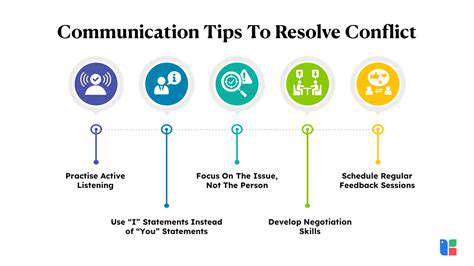
Open communication channels within the community can significantly lighten the load for caregivers. Regular meetings or online discussions allow caregivers to express their concerns and seek advice. They can propose strategies that worked for them, forging a collaborative environment where everyone benefits.
Collaboration extends beyond just sharing experiences. It can also include joint projects aimed at raising awareness about caregiving issues within the wider community. Such initiatives remind caregivers that they are not alone and that their challenges are recognized and valued.
Recognizing and Celebrating Caregivers
Creating a culture that acknowledges and celebrates caregivers is vital for sustaining morale. Monthly events or annual recognition ceremonies can serve as platforms for honoring their hard work and dedication. Such recognition validates their efforts and fosters a sense of pride and belonging within the community.
Additionally, sharing success stories from within the community can inspire and motivate caregivers. These narratives often highlight not just the challenges faced, but also the small victories. By focusing on these positives, caregivers can gain valuable perspectives on their roles and the difference they make.
Read more about Daily Gratitude for Caregivers: Managing Health and Stress