Mental Health
Chronic Pain
Mindfulness
Well-being
Pain Management
Gratitude
Emotional Health

Using Gratitude to Cope with Chronic Pain and Illness

Making Gratitude a Lifestyle

Gratitude journaling should not merely be seen as an isolated activity but rather as a holistic lifestyle choice. By embracing gratitude and committing to regular journaling, you cultivate a supportive framework that can significantly ease the burdens of chronic pain and illness. Reflections of gratitude can transform your approach to daily challenges, fostering resilience and a more peaceful existence amidst struggles.

Overall, the consistent practice of gratitude helps shift the focus from what is lacking towards recognizing the blessings present in our lives, however small they may be. This mindset can lead to enhanced well-being, emotional strength, and a greater appreciation for life's journey, including its inevitable highs and lows.

Creating a Positivity Network

Understanding Chronic Pain and Its Psychological Impact

Chronic Pain Affects millions of people globally, fundamentally altering their daily lives and mental health. Research shows that individuals suffering from persistent pain often experience higher rates of depression and anxiety. This negative emotional landscape can potentially exacerbate the perception of pain, creating a damaging cycle that is difficult to escape.

A study published in the journal *Pain* highlights that nearly 60% of chronic pain patients also report symptoms of anxiety. This connection illustrates the intertwined nature of physical and mental health. Understanding this relationship is vital for creating effective coping strategies.

The Role of Gratitude in Pain Management

Gratitude has been shown to have considerable psychological benefits, including enhancing overall mood and reducing stress levels. For individuals with chronic pain, fostering gratitude can serve as a powerful tool to shift focus away from suffering and toward appreciation for life’s positives, however small they may seem. The act of journaling about what one is grateful for can reinforce this mindset over time.

Research conducted by the University of California found that individuals who maintain a gratitude journal report improved mental health and experience less physical pain. Engaging in this simple practice may help alleviate some of the mental burden associated with Chronic Pain Conditions.

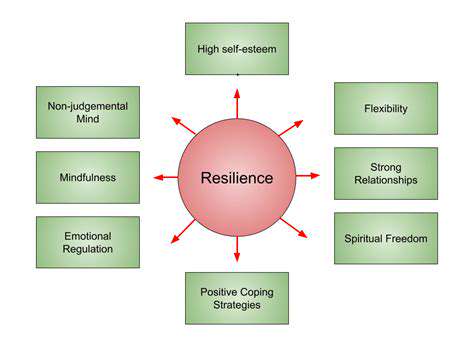
Moreover, the consistent acknowledgment of positive experiences can gradually reshape an individual’s outlook, leading to greater resilience in managing pain.

Creating a Supportive Environment

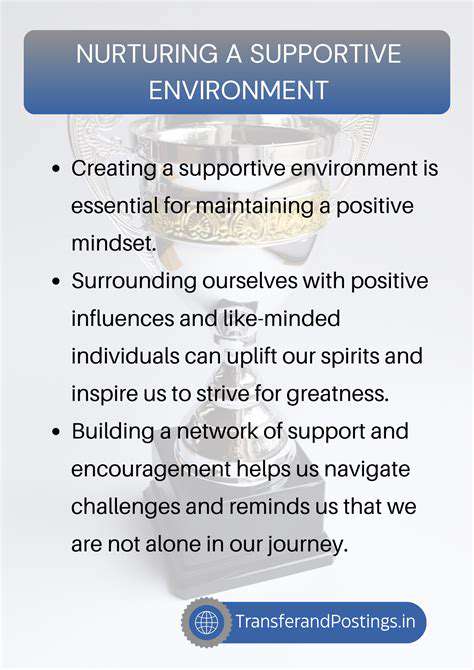
A vital step in building a positivity network is surrounding oneself with supportive individuals and resources. This environment can include friends, family, and support groups specifically focused on chronic pain conditions. Feeling understood and supported can enhance emotional resilience, making it easier to cope with pain challenges.

Joining a local or online support group helps in connecting with others who face similar challenges. These groups often share coping strategies, personal stories, and emotional support, creating a sense of community that combats isolation often felt by chronic pain sufferers.

Practical Steps to Cultivate Gratitude

Establishing a gratitude practice doesn't require drastic changes; small, consistent efforts can yield powerful results. Start by setting aside a few minutes each day to reflect on positive experiences or aspects of life, a practice known as cultivating a gratitude habit. Whether it’s writing them down or simply acknowledging them mentally, the act of gratitude allows shifts in perspective.

Consider using prompts such as, What made me smile today? or Who helped me feel better this week? This structured approach can guide thoughts toward positivity, fostering an overall sense of well-being.

Utilizing Technology for Gratitude Practices

In today's digital age, technology can play a pivotal role in facilitating gratitude practices. Numerous apps are available that encourage daily reflections and gratitude journaling with notifications and reminders that keep users engaged. These tools can foster a routine that integrates gratitude into daily life, an important strategy for those coping with chronic pain.

Listening to Feelings—Not Just Coping with Pain

It's essential to acknowledge that while practicing gratitude can be beneficial, it does not diminish the reality of chronic pain. It's important to listen to one’s feelings and validate the difficulties that come with pain. Denying feelings or focusing solely on positivity can lead to emotional suppression, which might worsen mental health conditions.

This dual approach—recognizing pain while actively cultivating gratitude—can create a more balanced perception of one’s situation, leading to healthier coping mechanisms. Seeking therapy or counseling can also enhance this process, providing a safe space to explore these complex emotions.

Evaluating and Adjusting Your Positivity Network

As you develop your positivity network, it’s important to regularly evaluate its effectiveness. Check if the individuals in your support circle contribute positively to your mental health and well-being. Sometimes, relationships can become draining or negative, which may hinder your coping efforts. Don’t hesitate to make adjustments and seek out more uplifting connections.

Additionally, incorporating resources like books, podcasts, or motivational talks can diversify your positivity network. These various sources can continually inspire and reinforce the gratitude mindset, essential for managing chronic pain and improving overall emotional health.

Mindfulness and Gratitude in Pain Management

MindfulnessandGratitudeinPainManagement

Understanding Mindfulness in Pain Management

  • Mindfulness involves focusing on the present moment and acknowledging pain without judgment.
  • Practices such as meditation have shown positive effects on chronic pain experiences.
  • Research indicates that mindfulness training can enhance coping mechanisms.

Mindfulness, at its core, is the practice of being fully present in the moment. This technique is particularly beneficial for those experiencing chronic pain, as it encourages individuals to observe their pain without labeling it as good or bad. By doing so, patients can reduce the emotional distress associated with their pain. Studies have indicated that mindfulness-based stress reduction (MBSR) programs can lead to significant improvements in pain intensity and quality of life for chronic pain sufferers.

Moreover, engaging in mindfulness practices has been shown to foster greater emotional regulation. This is crucial for individuals facing the relentless challenges of chronic pain. Incorporating breathing exercises, body scans, and mindful meditation into daily routines can provide a sense of control over one’s experience. This not only enhances one’s ability to cope but can also reduce reliance on pain medication.

The Role of Gratitude in Managing Chronic Illness

Gratitude is a powerful tool that can shift one’s focus from pain to positive experiences. Research conducted by Emmons and McCullough in 2003 demonstrated that individuals who practice gratitude consistently report higher levels of emotional well-being. This notion extends to those suffering from chronic illness. By intentionally recognizing what they are thankful for, patients can cultivate a more positive mindset, improving their overall health outcomes.

Furthermore, gratitude can enhance interpersonal relationships, which are often strained by chronic pain or illness. Acknowledging and appreciating the support from loved ones not only strengthens relationships but also builds a vital support system for individuals in distress. Keeping a gratitude journal or sharing moments of appreciation with friends and family can significantly improve a person's emotional state, leading to effective pain management strategies. Combining mindfulness practices with gratitude can create a holistic approach to dealing with chronic pain, making the journey much more bearable for many individuals.

Transforming Your Perspective

Understanding Chronic Pain and Its Emotional Impact

Chronic pain conditions, such as fibromyalgia and arthritis, affect millions of individuals worldwide. According to research published in the Journal of Pain, about 20% of adults experience chronic pain, which can lead to not only physical limitations but profound emotional distress as well. Patients often battle anxiety and depression as they navigate their daily routines, further complicating their pain management strategies.

The emotional ramifications of living with chronic pain are significant. Individuals may feel isolated due to their conditions, leading to a vicious cycle of negativity. This emotional strain can exacerbate the pain itself, as the brain's response to stress and unhappiness can intensify physical sensations. Recognizing this link is crucial to developing effective coping strategies, including the practice of gratitude.

The Role of Gratitude in Pain Management

Research indicates that practicing gratitude can have profound effects on mental well-being. A study published in the American Journal of Lifestyle Medicine reported that individuals who regularly express thankfulness experience lower levels of stress and anxiety. This decrease in mental stress can result in a tangible reduction in perceived pain levels, creating a positive feedback loop that enhances overall health.

Incorporating gratitude into daily routines can be relatively simple. Keeping a gratitude journal, for example, allows individuals to reflect on positive experiences and emotions, fostering a mindset that prioritizes appreciation over pain. Allocating just a few minutes each day to this practice can yield significant mental and emotional benefits, reinforcing the perception that life, despite its challenges, still holds meaningful moments.

Moreover, gratitude can shift focus away from negative thoughts associated with chronic pain. Instead of being consumed by discomfort, individuals may start to recognize and celebrate small victories in their day-to-day lives, which can serve as motivation to engage with their treatment plans actively.

Creating a Supportive Environment

A Supportive Environment is essential for individuals coping with chronic pain and illness. This support network can come from family, friends, healthcare professionals, or even fellow patients who understand their struggles. Creating a community where gratitude is encouraged can empower individuals to express appreciation for their successes, however small, reinforcing a positive perspective that can mitigate feelings of isolation.

In addition to emotional support, practical adjustments in one's living space can also enhance comfort. For instance, altering the layout of a home to create a more ergonomic setting can minimize pain triggers while also serving as a mark of self-care. Small changes, such as using supportive chairs or maintaining organized spaces, can create an environment that fosters positivity and reduces stress.

Implementing Mindfulness and Gratitude Practices

Mindfulness techniques can be beneficial for those dealing with the day-to-day realities of chronic pain. Practices like meditation or deep breathing exercises encourage individuals to stay present and can aid in recognizing moments of gratitude, even in the face of discomfort. Studies have shown that mindfulness can help reduce the perception of pain and improve emotional resilience, making it an excellent complementary strategy to gratitude practices.

Combining mindfulness with gratitude can be particularly powerful. For instance, practitioners might take a few moments each day to meditate on what they are thankful for, thereby reinforcing positive thoughts that can help overshadow feelings of pain. Additionally, joining community groups or online forums focused on mindfulness and gratitude can offer new perspectives and coping techniques, contributing to a richer support network.

Remember, transforming one’s perspective is not a quick fix; it requires ongoing effort and commitment. However, those who consistently apply these practices may find that their outlook on life shifts, leading to a more fulfilling experience despite the chronic challenges they face.

Read more about Using Gratitude to Cope with Chronic Pain and Illness

Guide to Training for a Triathlon [Beginner Plan]
May 11, 2025
Guide to Practicing Emotional Detachment for Peace of Mind
May 22, 2025
Guide to Practicing Self Compassion Daily
Jul 02, 2025
10 Simple Ways to Reduce Stress Daily
Jul 08, 2025
Best Practices for Digital Well being and Limiting Screen Time
Jul 20, 2025
Best Exercises for Cyclists to Build Strength
Jul 28, 2025
Guide to Building Optimism and a Positive Outlook
Aug 08, 2025
Understanding Stress Hormones and the Power of GratitudeStress hormones, primarily cortisol, play a critical role in how our body responds to stress. Elevated cortisol levels can lead to serious health issues, such as weight gain, hypertension, and weakened immunity, highlighting the importance of managing stress effectively. While cortisol assists in regulating metabolism and blood sugar levels, understanding its balance is vital for maintaining overall well-being. Recent research suggests a promising connection between gratitude practices and reduced cortisol levels. Engaging in gratitude can significantly mitigate the effects of stress, with studies showing that individuals who express appreciation regularly experience lower stress hormone concentrations. Simple acts, such as maintaining a gratitude journal or verbalizing thanks to others, not only boost mood but also provide a buffer against the adverse effects of stress. By shifting focus away from daily stressors, gratitude can profoundly influence both mental and physical health.In addition to cortisol, other stress hormones, such as adrenaline and norepinephrine, are activated during stressful situations to prepare the body for rapid responses. Understanding these hormones sheds light on our physical health and opens pathways for lifestyle changes that promote stress reduction. To effectively lower stress hormones, practices like regular physical activity, mindfulness meditation, and active gratitude expression have proven beneficial. Engaging in these activities can lead to lower cortisol levels, improve mood, and foster resilience against daily stress.Adopting a gratitude-focused lifestyle is an excellent strategy for managing stress. Research indicates that gratitude not only enhances emotional well-being but also leads to physiological improvements, including better sleep and a strengthened immune system. Maintaining a gratitude journal and participating in gratitude exercises can help individuals cultivate a positive environment and reinforce supportive social connections.The interplay between gratitude and stress hormones illustrates how mental and physical health are intertwined. Fostering a mindset of appreciation can serve as a practical approach to lower cortisol levels and enhance overall quality of life. By incorporating gratitude into daily routines, one can create a self-reinforcing cycle of positivity and resilience, ultimately contributing to a healthier and more fulfilling life.Explore the science behind stress hormones, their impact on health, and learn effective strategies for stress management through gratitude practices. Start transforming your life by embracing thankfulness today!
Feb 27, 2026
What Causes Bulging Discs? Understanding the Impact on Spinal HealthBulging discs are a common issue that can arise from various factors, significantly impacting life quality. Understanding what causes bulging discs can help you take proactive steps towards spine health. Anatomy of the SpineThe spine consists of vertebrae, intervertebral discs, and supportive structures. Intervertebral discs cushion vertebrae, and when they bulge due to a weakened outer layer, they can compress nearby nerves, leading to pain and dysfunction. Age-related degeneration plays a crucial role in this process, with studies indicating that older adults are more susceptible due to reduced water content in discs. Risk Factors and Lifestyle InfluencesSeveral elements increase the risk of developing bulging discs, including age, genetics, and job-related hazards. Occupations requiring heavy lifting or repetitive motions may lead to spinal wear and tear. Lifestyle choices also matter; smoking and inactivity hinder blood flow and weaken core muscles, both essential for supporting the spine. Regular exercise, especially strength training and flexibility routines, can significantly enhance spinal health, reducing the likelihood of bulging discs. Recognizing the SymptomsSymptoms of a bulging disc include localized pain in the back or neck, which may radiate to limbs. Most commonly, lumbar disc issues can trigger sciatica, causing pain down one leg. Symptoms can be acute or chronic, with acute cases arising suddenly after injury, while chronic symptoms develop gradually and require long-term management approaches.Nerve compression from a bulging disc can lead to tingling, numbness, or weakness, further complicating daily activities and diminishing life quality. Natural Management Techniques Physical TherapyPhysical therapy is a cornerstone of managing bulging discs. Tailored treatment plans focus on strengthening core muscles and improving flexibility, which can lead to increased mobility and reduced pain. Chiropractic CareChiropractic care offers an effective approach through spinal manipulations that realign vertebrae and relieve nerve pressure. This holistic treatment can enhance recovery speed and overall spinal health. Nutrition and Alternative TherapiesA balanced diet rich in anti-inflammatory foods supports spinal health. Hydration is critical for disc function, and incorporating practices like yoga and acupuncture can provide additional benefits by improving flexibility and promoting emotional well-being. ConclusionUnderstanding the causes and symptoms of bulging discs enables individuals to take charge of their health proactively. Engaging with healthcare professionals for proper diagnosis, combined with physical therapy, chiropractic care, and lifestyle modifications, can significantly improve recovery outcomes. If you or someone you know is experiencing symptoms, it’s essential to seek guidance and consider a multifaceted approach to management.
Mar 01, 2026
A Comprehensive Guide to Healthier ChoicesIn today's fast-paced world, awareness of our eating habits is more crucial than ever. This guide dives deep into understanding nutritional practices, identifying unhealthy triggers, and fostering accountability through methods like food diaries. Discover how these strategies can pave the way to a healthier lifestyle. Creating Awareness of Eating Patterns Understanding Nutritional HabitsTracking your daily food intake is vital for identifying patterns that lead to unhealthy choices. Keeping a food diary can enhance your awareness of caloric intake, ultimately leading to healthier decisions. Research shows that those who document their meals tend to lose more weight. Identifying Triggers for Unhealthy EatingUnhealthy eating often stems from stress, lack of time, and social environments. By recognizing these triggers, you can create personalized weight loss strategies that substitute comfort eating with healthier coping mechanisms. Building Mindful Eating PracticesMindful eating allows you to savor each bite, helping you recognize when you're full and reducing calorie intake. Simple practices like eliminating distractions and focusing on food can dramatically enhance your relationship with it. Creating a Sustainable Food PlanAfter acknowledging your habits, the next step is to implement a food plan that aligns with your health goals. A balanced, nutritious plan ensures you remain satisfied without feeling deprived, making healthy choices more manageable. Maintaining Accountability Through DocumentationA food diary is not just about logging what you eat; it also instills accountability. Engaging with apps and dietary records can foster commitment and make tracking progress easier while providing insight into patterns and emotional triggers associated with eating. Enhancing Accountability and Commitment Understanding the Role of a Food Diary in AccountabilityA food diary serves as a crucial tool in weight loss efforts. It encourages mindfulness and helps identify problematic eating patterns that may arise due to stress or social situations. Fostering Commitment Through Consistent TrackingMaintaining a food diary daily helps solidify your commitment to weight loss goals. Regular review and reflection on your entries can guide you in celebrating small wins and identifying areas for improvement. Identifying Nutritional Gaps Understanding Nutritional GapsRegularly reviewing your eating habits can highlight essential nutrients you may be missing, such as vitamins from fruits and vegetables. Understanding these gaps is essential for effective weight loss as it helps ensure a balanced diet. Strategies for Filling Nutritional GapsIncorporate varied protein sources and colorful fruits and vegetables to enhance your diet. This diversity not only improves nutrient intake but also supports long-term health goals. Setting Realistic Goals and Tracking Progress Understanding SMART Goals for Weight LossImplementing the SMART criteria—Specific, Measurable, Achievable, Relevant, and Time-bound—can clarify your weight loss objectives and enhance your commitment to achieving them. Utilizing a Food Diary for Tracking ProgressA well-maintained food diary can double your chances of successful weight loss by providing clear accountability and insights into your eating patterns. Regular Review and Adjustment of GoalsContinual evaluation of your goals and dietary strategies is vital for adapting to changes in your body and maintaining motivation throughout your weight loss journey. Encouraging Mindful Eating Practices Implementing Mindful Eating TechniquesMindful eating encourages you to be present during meals, enhancing your relationship with food. Techniques such as limiting distractions, savoring each bite, and listening to hunger cues can help improve your eating habits over time.In summary, incorporating mindful practices, tracking eating habits, and recognizing emotional triggers will guide you toward creating a sustainable and healthy lifestyle. Start your journey today by implementing these actionable strategies for healthier eating patterns!
Mar 02, 2026
Enhance Your Self-Esteem Through Daily PracticesGratitude journaling, meditation, acts of kindness, appreciation letters, and visualization are powerful practices that can profoundly enhance your self-esteem and emotional well-being. Engaging in these activities helps individuals to shift their focus towards positivity, creating a ripple effect that touches their personal and interpersonal worlds. Daily Gratitude JournalingGratitude journaling involves regularly noting things you're thankful for, ranging from small daily joys to major accomplishments. This practice can lead to a significant reduction in stress, as it encourages self-awareness and positivity. By simply writing down three things you appreciate each day, you can foster a mindset that combats negative self-talk and enhances your sense of accomplishment, ultimately increasing your self-esteem. Gratitude MeditationIncorporating gratitude meditation into your daily routine allows you to reflect on the positive aspects of your life. By regularly focusing on what you are thankful for, you'll cultivate a mindset that appreciates both the significant and subtle blessings of life. This mindfulness method promotes emotional resilience, helping you to build a positive self-image while reducing feelings of anxiety and depression. Acts of KindnessPerforming acts of kindness not only improves the lives of those around you but also enhances your own self-esteem. Engaging in simple gestures, volunteering, or even sending positive messages can elicit a 'helper's high', leading to increased happiness and a sense of belonging. Studies indicate that those who actively practice kindness report significantly greater self-worth. Appreciation LettersWriting appreciation letters is an impactful way to strengthen emotional connections and elevate your self-esteem. By articulating specific reasons behind your gratitude toward someone, you foster deeper relationships and a positive feedback loop that encourages acknowledgment and appreciation within your community. This practice has been scientifically linked to increased happiness and life satisfaction. Gratitude VisualizationGratitude visualization involves mentally picturing the things you appreciate in your life, helping to reinforce an attitude of thankfulness. Regular practice of this technique has been found to enhance emotional well-being and reduce anxiety levels. Integrating gratitude visualization into your routine, whether through journaling, meditation, or simple mindfulness exercises, can significantly improve your mindset and self-worth over time. Overcoming ChallengesWhile implementing these gratitude practices, you may face challenges like negative thought patterns or difficulty finding things to be grateful for. Acknowledging small victories and employing guided resources can help you stay motivated. Remember, consistency is key, and the journey towards a more grateful and self-assured you is worthwhile. ConclusionEmbrace the transformative power of gratitude by integrating these practices into your daily life. Whether through journaling, meditation, acts of kindness, appreciation letters, or visualization, you can cultivate a more positive outlook, enhance your self-esteem, and foster a community of appreciation and connection. Start your gratitude journey today and watch the positive changes unfold in your life.
Mar 04, 2026
- Enhanced emotional resilience- Improved interpersonal relationships- Increased well-being and job satisfaction Physical Health AdvantagesThe benefits of gratitude extend beyond the mind to the body. Individuals who frequently express gratitude often report fewer health complaints and better sleep quality. This can lower stress levels due to reduced cortisol production, paving the way for a healthier lifestyle and decreased risk of stress-related illnesses. Fostering a Culture of Gratitude at WorkCreating an environment that promotes gratitude can significantly improve workplace dynamics. Simple rituals, such as starting meetings with expressions of gratitude or maintaining a thank-you wall, offer employees opportunities to recognize each other’s efforts. Conducting gratitude-focused team-building activities can deepen relationships and foster a sense of belonging. Leadership’s RoleLeadership plays a pivotal role in establishing gratitude as part of workplace culture. Leaders who model gratitude enhance employee morale and encourage a supportive environment. Research reveals that organizations that embrace gratitude witness higher productivity, reduced turnover, and increased employee engagement. Overcoming BarriersDespite its advantages, implementing gratitude practices faces challenges such as time constraints and negative workplace atmospheres. Leaders can surmount these hurdles by actively recognizing achievements and encouraging open dialogues about gratitude. Regularly scheduled gratitude initiatives create a consistent atmosphere of appreciation. ConclusionIntegrating gratitude into daily practices is not just beneficial but essential for fostering a positive, productive workplace. By cultivating a culture of appreciation, organizations can enhance employee mental health, strengthen relationships, and ultimately drive success. The journey of gratitude should be continuous, supported by feedback and training so that it becomes an intrinsic part of the company’s identity.Explore actionable strategies to enhance your organization’s well-being and productivity by embracing gratitude today!
Mar 07, 2026
View Publications>>

Hot Recommendations