Gluten Free Meal Ideas for Weight Loss and Energy
5. Gluten-Free Pancakes
Gluten-free pancakes offer a delightful breakfast option without the heaviness often associated with traditional recipes. Using almond or coconut flour as a base provides both flavor and texture, while further enhancing the health benefits. A couple of eggs and a small amount of baking powder will yield fluffy pancakes that satisfy morning cravings.
Consider adding ingredients like mashed bananas or blueberries directly into the batter for an extra boost of nutrients and natural sweetness. Top these pancakes with pure maple syrup or a dollop of Greek yogurt for additional protein and texture.
Making pancakes in batches can also save time during the week. Just refrigerate or freeze them, heating them up as you need. This way, you can enjoy a nutritious start to your day without much fuss, and they’re always a hit with family members.
6. Nutty Energy Bars
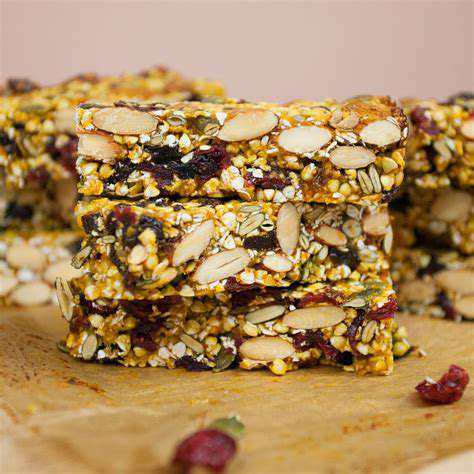
Homemade nut bars can be a fantastic on-the-go breakfast choice, combining the wholesome goodness of nuts, seeds, and dried fruits. Ingredients such as almonds, walnuts, and dates can be easily blended to form a sticky, tasty mixture that provides quick energy. The combination of healthy fats, fiber, and protein means you’ll stay full longer.
For added flavors, consider incorporating vanilla extract or cacao powder. Not only do these bars fulfill your sweet tooth, but they are also simple to prepare in advance for busy mornings or post-workout snacks. Pre-portioning them can make it easier to grab one and go.
As per nutritional analyses, these energy bars can significantly improve concentration and performance throughout the day, making them an excellent option for students or professionals. Plus, creating them at home allows you to control the mouth-feel and sweetness level based on personal preference.
The best part? You can customize your energy bars based on what you have on hand, ensuring you avoid waste while trying new tastes each week.
7. Overnight Oats Sensation
Overnight oats are a simple yet highly nutritious breakfast option that saves time while maximizing flavors. Combine gluten-free rolled oats with your choice of milk, yogurt, fruits, and a sweetener, all in a jar left in the refrigerator overnight. By morning, the oats soften, making them ready to eat without any hassle.
This method allows for an array of flavor combinations. Try adding chia seeds for added nutrition or nut butter for a creamy texture. Fruit like apples and cinnamon introduces natural sweetness, offering complexity to your meal. The slow-releasing carbohydrates in oats are beneficial for energy management throughout your morning.
Studies show that eating oatmeal can help reduce the risk of heart disease while providing essential fiber for Digestive Health. Always remember to adjust portion sizes based on your activity levels and specific dietary needs.
The ease of making overnight oats encourages experimentation. Prepare bigger batches for a week to gather insight on which combinations you enjoy the most. It's a practical solution that promotes consistent healthy eating habits, perfect for those pressed for time.
2. Wholesome Lunch Ideas
2.1 Quinoa Salad with Black Beans and Avocado
Quinoa salad is an excellent choice for a gluten-free meal that packs a punch in terms of nutrients. Quinoa is a complete protein, providing all nine essential amino acids, making it ideal for those seeking weight loss and energy. Combining it with black beans adds fiber and additional protein, further enhancing its health benefits.
Top this salad with diced avocado, which contributes healthy fats that can keep you satisfied longer. You can also include chopped bell peppers and spinach for added vitamins and minerals. This meal is not only nutritious but also vibrant and appealing to the eye.
2.2 Zucchini Noodles with Pesto Sauce
Using spiralized zucchini as a pasta substitute offers a fantastic light lunch option that won't weigh you down. Zucchini is low in calories but high in important nutrients like vitamin C and potassium. Paired with homemade pesto, made from fresh herbs and nuts, this dish maintains a rich flavor profile while being gluten-free.
Consider adding grilled chicken or shrimp for extra protein. Not only does this dish cater perfectly to gluten-free diets, but it also allows for creativity in the kitchen as you can mix and match various toppings and ingredients.
2.3 Mediterranean Chickpea Bowl
- Chickpeas provide a robust source of plant-based protein.
- Your bowl can include a variety of vegetables like cucumbers, tomatoes, and olives.
- Toss in a squeeze of lemon juice for enhanced flavor and vitamin C.
A Mediterranean chickpea bowl is both filling and packed with nutrients essential for energy. With chickpeas as the star ingredient, this bowl is not only gluten-free but also versatile, allowing for various combinations of vegetables and dressings.
This bowl can offer satisfying crunch and flavor when topped with tahini or olive oil drizzle. The combination of fiber from chickpeas and the fresh crunch from vegetables makes for an unbeatable lunch ingredient.
2.4 Stuffed Bell Peppers
Stuffed bell peppers are an appealing choice for a wholesome lunch that is gluten-free. The peppers are filled with a mixture of lean ground turkey or beef, brown rice, and plenty of spices. This not only adds flavor but also keeps the meal balanced. With each bite, you will find a balance of protein, carbs, and healthy fats.
Baking these peppers enhances their natural sweetness and makes them a delightful centerpiece on any lunch table. You can prepare them in advance, making them a great option for meal prepping during busy weeks.
2.5 Sweet Potato and Kale Hash
A sweet potato and kale hash is a delicious, hearty lunch option that layers flavors beautifully. By sautéing sweet potatoes until golden, you create an inviting base, while adding kale provides nutrients and a wonderful texture contrast. This dish is rich in complex carbohydrates from sweet potatoes, ensuring a slow energy release throughout your day.
Add eggs on top for a protein boost, and season with spices such as paprika or cayenne pepper for an extra kick. This hash is perfect for brunch or a fulfilling lunch that both energizes and satisfies.
2.6 Sushi Rolls with Cauliflower Rice
For those who enjoy sushi, using cauliflower rice as a base is a creative and gluten-free alternative. This not only keeps the carbohydrate content lower, but it also provides essential nutrients. Cauliflower is known for its high vitamin C and fiber content, making it a smart choice for those aiming for weight loss.
Fill your sushi rolls with a mix of fresh vegetables, avocado, and grilled fish or tofu for protein. These rolls are not only innovative but also customizable, letting you experiment with flavors and ingredients effortlessly.
2.7 Lentil Soup with Spinach
Lentil soup is a comforting, nutritious option packed with protein and fiber. Lentils are incredibly versatile and can be paired with various vegetables to enhance the flavor and nutritional profile. This soup is particularly beneficial for weight loss as it promotes fullness thanks to its high fiber content.
Adding spinach boosts the soup's vitamin A and iron levels, supporting overall health. This dish also works wonderfully when made in advance; just reheat it for a quick, wholesome lunch on busy days.
3. Satisfying Dinner Recipes
Healthy Protein-Packed Options
For anyone navigating a gluten-free diet while trying to lose weight, incorporating high-protein meals is essential. These meals not only aid in muscle repair but also help keep you full longer. High-protein foods can reduce hunger significantly, leading to fewer calorie intakes throughout the day.
Consider options like grilled chicken, quinoa, and legumes. Each of these ingredients can serve as the foundation for a meal that's both satisfying and nourishing. Quinoa, for instance, is not only gluten-free but also contains all nine essential amino acids.
Vegetable-Forward Dishes
- Highlight the importance of fiber in weight loss
- Focus on seasonal and local produce for freshness
- Include various cooking methods to enhance flavors
Incorporating a variety of vegetables into your dinner recipes ensures that you're maximizing fiber, vitamins, and minerals in your meals. A diet rich in vegetables can significantly impact weight management, as they are typically low in calories and high in nutrients. Roasting, steaming, or sautéing vegetables can enhance their flavors, making them more enjoyable.
Additionally, seasonal vegetables provide the freshest taste and often come at a lower price point. Ingredients like zucchini, bell peppers, and spinach can easily be combined to create hearty and delicious dishes.
Gluten-Free Grain Alternatives
To replace traditional grains, consider options such as brown rice, gluten-free oats, and buckwheat. These alternatives not only provide the necessary carbohydrates for energy but also come loaded with nutrients. For example, brown rice is rich in magnesium and fiber, which supports digestive health.
Incorporating these grains into your dinner can add variety to your meals. You can pair gluten-free pasta with a fresh tomato sauce or serve quinoa as a bed for a flavorful stir-fry. Exploring these alternatives can help you maintain your gluten-free lifestyle without sacrificing taste.
Flavorful Sauces and Dressings
The right sauces and dressings can transform a simple meal into something memorable. Making homemade sauces allows you to control ingredients and ensure they align with your dietary needs. A basic vinaigrette can complement a variety of salads and grains, providing zest without the gluten.
Herbs and spices are also fantastic for enhancing flavor without the need for additional calories. Incorporating fresh basil, cilantro, or even cumin can significantly elevate the taste profile of your dishes, making mealtime exciting.
Quick and Easy Preparation Methods
When time is of the essence, meal prep can be a real lifesaver. Spending a few hours on the weekend to prepare gluten-free components can streamline your weekday dinners. Foods like roasted vegetables, grilled proteins, and whole grains can be made in bulk and stored for quick assembly later.
Using cooking methods such as one-pan dishes or slow-cooking can save both time and clean-up efforts. These methods allow for developing rich flavors while keeping preparation manageable, especially for busy individuals.
Balancing Macros for Energy
For optimum energy and sustained weight loss, it's crucial to create a balanced plate at dinner. Aim for a balance of macronutrients: proteins, healthy fats, and carbohydrates. Healthy fats from sources like olive oil or avocados can help you feel satiated, while carbohydrates provide the necessary energy after a long day.
By adjusting your macronutrient ratios to fit your daily activity level, you can achieve better energy balance and improved weight management. Try structuring your plates around a lean protein, a complex carbohydrate, and a generous helping of vegetables for a nutrient-dense meal.
4. Snack Smart for Sustained Energy
Understanding the Role of Snacks in Energy Maintenance
Snacking smartly can play a pivotal role in maintaining consistent energy levels throughout the day. Many health experts emphasize that choosing the right snacks can prevent energy crashes and support overall productivity. Healthy snacks can stave off hunger, reduce cravings, and help individuals stay focused on their tasks.
According to research published in the Journal of Nutrition, regular snacking can optimize metabolic rates and improve energy balance. Incorporating snacks that are rich in complex carbohydrates, fibers, and proteins helps sustain energy for prolonged periods. The key lies in making informed choices.
Optimal Snack Choices for Sustained Energy
When selecting snacks, aim for whole food options. Good choices include nuts, seeds, yogurt, and fruit. These foods not only curb hunger but also provide essential nutrients. For instance, a small handful of almonds not only satisfies a midday craving but also supplies healthy fats and vitamin E, supporting both energy and skin health.
Consider gluten-free options that integrate protein, such as chickpea or lentil-based snacks. They offer substantial macronutrients necessary for energy without adding grains that might not align with gluten-free preferences. Choices with low glycemic index can sustain energy levels better over time.
Incorporating snack pairings can also enhance the experience. For example, pairing apple slices with almond butter combines fiber with protein, creating a balanced and energetic snack. Aim to consume snacks that hit multiple nutritional marks simultaneously.
The Science Behind Energy-Sustaining Snacks
An understanding of how different foods affect energy levels can help in making smarter snack choices. Carbohydrates break down quickly for immediate energy, yet when consumed alone, they can lead to spikes and subsequent crashes in blood sugar. Research from the American Journal of Clinical Nutrition highlights the importance of pairing carbohydrates with protein and fiber to ensure a more steady release of energy into the bloodstream.
Furthermore, snacks with healthy fats, such as avocados or olive oil, can improve satiety. This helps prevent overeating during meals, which is beneficial for weight management. These fats digest slower than carbohydrates, providing sustained energy and a fuller feeling over longer periods.
Practical Tips for Smart Snacking
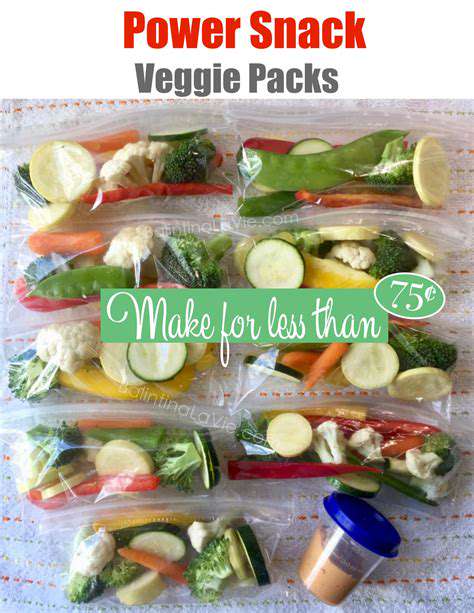
Planning is key when it comes to Smart Snacking. Keep healthy options readily available at home, in the car, or at your workplace. Preparing a small snack kit with nuts, dark chocolate, or gluten-free protein bars can help resist the urge to opt for less healthy choices. Having these snacks on hand makes it easier to choose wisely in moments of hunger.
Additionally, consider the timing of your snacks. Eating every three to four hours generally keeps energy levels stable. This strategy helps manage hunger cues and maintains metabolic rates. Keeping a consistent schedule can also help with meal planning, making it easier to integrate gluten-free options that fit within your energy needs.
Moreover, don’t forget to stay hydrated. Sometimes what seems like hunger might actually be dehydration. Drink plenty of water throughout the day to help regulate energy levels and suppress unnecessary snacking.
Addressing Common Misconceptions about Snacking
Many people view snacking as an impediment to weight loss, believing it leads to overindulgence. However, when done correctly, snacking can enhance weight management efforts. Research shows that structured snacking can prevent overeating during meals and reduce impulsive food choices. Therefore, it is essential to educate oneself on the difference between 'smart' and 'mindless' snacking.
It’s equally important to dispel the myth that all snacks must be low-calorie or devoid of flavor. Snacks should provide satisfaction and enjoyment while also being nutritious. For instance, a gluten-free cookie made with almond flour can be a delightful option if consumed in moderation. The goal is to strike a balance between health and enjoyment.
Personalizing Your Snack Plan for Better Results
Finding the right snacks often involves personal experimentation. Everyone's dietary needs and preferences differ, necessitating a tailored approach. Tracking how various snacks affect your energy and mood throughout the day can guide you toward the most suitable options. Keeping a food diary is effective in understanding your body's responses.
Consulting with a nutritionist can also provide personalized recommendations based on your lifestyle, activity level, and dietary restrictions. They can help you craft a snack plan that enhances energy while aligning with gluten-free dietary needs.
5. Delicious Dessert Alternatives
1. Fruit-Based Desserts
Fruits are naturally low in calories and high in fiber, making them an excellent foundation for healthy desserts. Options like berry parfaits layered with Greek yogurt provide a satisfying sweet treat packed with protein and nutrients. Consider mixing blueberries, strawberries, and raspberries for a colorful and healthful dessert that requires minimal preparation.
Moreover, incorporating fruits like bananas or avocados into smoothies can create a creamy, dessert-like experience. A banana-based ice cream, blended with frozen bananas, offers a sweet and satisfying alternative without added sugars. These simple adjustments in dessert preparation can lead to healthier choices that are also palate-pleasing.
2. Nut-Free Energy Bites
Energy bites can be made without nuts by utilizing seeds, oats, and dried fruits. Ingredients like sunflower seeds and pumpkin seeds provide healthy fats and protein, while oats add fiber. Trying a combination of chocolate chips, honey, and sunflower butter will give energy bites a rich flavor without compromising health goals. These can be prepped ahead and stored for quick snacks.
3. Coconut-Based Treats
Coconut is a versatile ingredient ideal for gluten-free desserts. Unsweetened shredded coconut can be mixed with dates and cocoa powder to create energy balls that are both satisfying and nutritious. Additionally, coconut milk is a fantastic alternative for making puddings or whipped toppings, ensuring that desserts maintain a creamy texture without dairy.
It's important to opt for unsweetened varieties to control sugar intake, as many premade coconut products can be high in added sugars. A simple reference recipe could involve blending coconut milk with chia seeds and vanilla extracts, setting the mixture in the refrigerator to create a delightful pudding consistency overnight.
4. Innovative Flour Alternatives
Experimenting with flour alternatives like almond flour or coconut flour can lead to unique dessert options that align with gluten-free diets. Almond flour has a rich flavor and high protein content, which is great for cookies and cakes. Meanwhile, coconut flour can absorb a lot of moisture, making it perfect for dense brownies or moist muffins.
5. Creative Sweeteners for Lower Sugar Impact
Utilizing natural sweeteners such as stevia or erythritol can drastically reduce sugar consumption in desserts while still satisfying a sweet tooth. Unlike traditional sugar, these sweeteners often have a minimal impact on blood glucose levels, making them suitable for weight loss diets. Carefully measuring these alternatives is key, as they can be significantly sweeter than regular sugar.
It can be beneficial to personalize recipes by trialing different combinations to find the right sweetness without compromising flavor. Selecting recipes that focus on these alternatives will help develop new dessert preferences over time.
6. Vegan Baking Options
Vegan dessert recipes are inherently gluten-free and can be designed with few ingredients to maintain simplicity. Substitutions like flaxseed meal or applesauce often work as effective egg replacers while keeping the dessert light and fluffy. This method opens the door to preparing brownies, cakes, and cookies with mindful ingredients.
Sampling recipes from vegan cookbooks or websites dedicated to such diets can provide inspiration and practical examples of enticing options. These recipes often highlight how to maintain texture and taste while also being kind to dietary restrictions.
7. Seasonal Dessert Inspiration
Utilizing seasonal fruits and produce can elevate desserts, making them not just healthier but also more flavorful. For example, in summer, consider preparing a peach cobbler with gluten-free oats. In winter, baked apples with cinnamon can provide a warm, comforting dish that feels indulgent yet gluten-free.
Seasonal cooking not only embraces the freshest tastes available but tends to be more cost-effective. Additionally, finding local farmers' markets can help in sourcing the freshest ingredients, ensuring that meals are both nutritious and delicious.
Read more about Gluten Free Meal Ideas for Weight Loss and Energy