Daily Gratitude Affirmations for a Healthier Life
Outline
Gratitude boosts well-being through neurotransmitter release, enhancing happiness.
Daily gratitude practices reduce stress, anxiety, and improve emotional health.
Gratitude alleviates depression symptoms and fosters positive thinking.
Gratitude engages reward centers in the brain, promoting kindness.
Regular gratitude practice improves physical health and sleep quality.
Incorporate daily gratitude to shift focus from negativity to positivity.
Mindfulness enhances gratitude by deepening appreciation of life’s blessings.
Sharing gratitude strengthens relationships and creates positive atmospheres.
A gratitude journal boosts emotional well-being and reinforces positive patterns.
Set goals and track progress for effective gratitude practice.
The Science Behind Gratitude
Understanding Gratitude and Its Physiological Impact
Research in positive psychology highlights gratitude as a key factor influencing well-being. When one expresses gratitude, it can lead to the release of neurotransmitters such as serotonin and dopamine. These chemicals are crucial in regulating mood and promoting feelings of happiness, creating a biological basis for the practice of gratitude.
Studies have shown that individuals who engage in daily gratitude practices report lower levels of stress and anxiety. A notable study published in the journal *Psychological Science* found that participants who kept gratitude journals experienced improved emotional health. This underscores the power of gratitude in transforming our physiological states.
The Role of Gratitude in Mental Health
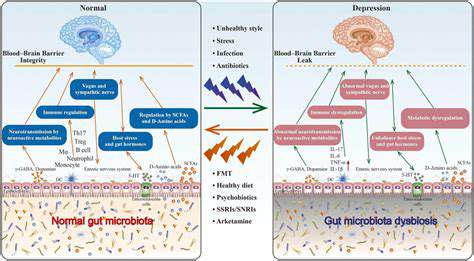
Gratitude practices have also been correlated with improvements in mental health, particularly in alleviating symptoms of depression. A meta-analysis demonstrated that gratitude interventions significantly reduce depressive symptoms across diverse populations. By fostering positive thinking, gratitude can interrupt negative thought cycles.
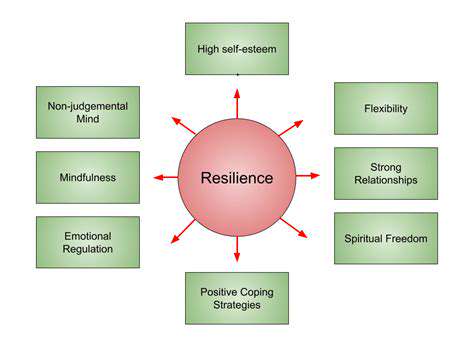
Incorporating gratitude into daily routines can enhance resilience and coping mechanisms. Engaging in simple practices such as writing thank-you notes or reflecting on positive experiences fosters an optimistic outlook, which is beneficial for mental wellness in the long run.
Neuroscience Insights into Gratitude
The neuroscience of gratitude reveals fascinating insights about how our brains process these feelings. MRI studies show that expressing gratitude activates brain regions associated with reward and moral cognition. This not only reinforces positive behavior but also encourages a cycle of kindness and altruism in social interactions.
Gratitude's Influence on Physical Health
Research indicates that Practicing gratitude can lead to improved physical health outcomes. A longitudinal study found that individuals who regularly express gratitude report fewer health complaints and engage in more health-promoting activities. Regular gratitude affirmations might even lead to better sleep and lower blood pressure.
Moreover, people who express gratitude are more likely to maintain a proactive approach to their health. They engage in regular exercise and embrace healthier eating habits, attributing these practices to their mindfulness and positive mental state cultivated through gratitude.
Building a Daily Gratitude Practice
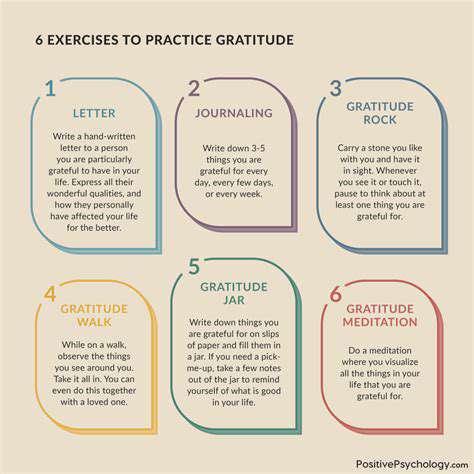
To reap the benefits of gratitude, it's essential to incorporate it into the daily routine effectively. Start by dedicating a few moments each day to reflect on three things you are grateful for. This exercise not only enhances self-awareness but also serves as a powerful tool to shift focus from negativity to positivity.
Some suggest using prompts or journaling techniques to further develop this practice. For instance, setting specific themes each week, such as appreciating personal relationships or experiences, can deepen the engagement and acknowledgment of gratitude in various life aspects.
Challenges and Misconceptions About Gratitude
Despite its benefits, many people struggle to adopt a gratitude practice consistently. Common misconceptions include believing that gratitude is merely a passive mental exercise rather than an active practice. It's vital to understand that cultivating gratitude requires intentional effort and can sometimes feel disconnected from one’s circumstances.
Additionally, it's crucial to recognize that gratitude does not mean ignoring negative experiences; instead, it's about finding balance and strength in acknowledging both the good and the bad. Embracing gratitude proactively can be a transformative journey, with potential setbacks serving as learning opportunities along the way.
Incorporating Daily Gratitude Affirmations

Understanding the Power of Gratitude
Research indicates that regularly practicing gratitude can lead to numerous mental health benefits. Studies show that individuals who engage in gratitude journaling experienced reduced symptoms of depression and anxiety. This highlights the importance of incorporating gratitude into daily life for improved emotional well-being.
Furthermore, a substantial body of research has established a link between gratitude and increased happiness levels. When we express thankfulness, we activate pathways in the brain associated with positive emotions, leading to a more fulfilled life.
Daily Affirmation Techniques
To incorporate gratitude affirmations into your daily routine, you can start by setting aside a few minutes each day for this practice. Morning sessions are especially effective; simply reflect on three things for which you are thankful. This simple daily ritual can significantly enhance your overall mood and productivity.
Another technique involves writing down your affirmations. Consider crafting a personalized list of what you appreciate in your life and read it aloud each morning. This repetitive action can reinforce positive thinking patterns and help you maintain a grateful mindset.
Creating a Gratitude Journal
- Select a dedicated notebook or digital app
- Commit to writing daily, even if it’s just a line
- Reflect on specific aspects of your life to express gratitude
- Review your entries regularly to observe growth
A gratitude journal serves as an effective tool for reinforcing your daily affirmations. It allows for documentation of your thoughts and feelings regarding gratitude over time. By reading back through your entries, you can see patterns, reminding you of your progress and resilience.
Mindfulness and Gratitude
Incorporating mindfulness into your gratitude practice can amplify its effects. Mindfulness encourages you to be present in the moment, which can enhance your ability to appreciate life’s small blessings. Being mindful allows you to savor experiences fully, deepening your gratitude.
Try pairing gratitude affirmations with mindful meditation. By focusing on your breath and reflecting on what you are thankful for, you can strengthen the connection between mindfulness and gratitude, creating a more profound impact on your mental health.
Sharing Gratitude with Others
Expressing gratitude doesn’t just benefit you; it can positively influence those around you as well. Sharing your appreciation with others fosters stronger relationships and creates a support network. A simple thank-you can go a long way in making someone feel valued and cherished.
A regular practice of expressing gratitude to loved ones can enhance your connections and create an atmosphere of positivity. Consider sending a text or letter to share what you appreciate about someone special to you. This act can reinforce a cycle of positivity and gratitude in your life.
Tracking Progress and Setting Goals
To effectively incorporate gratitude affirmations into your lifestyle, consider setting specific, measurable goals. Identify key areas in your life where you wish to cultivate more gratitude, such as relationships or personal achievements. Track your progress regularly to assess changes in your mindset.
Utilizing tools like apps or reminders can aid in maintaining accountability. Reflecting on your achievements, even small ones, can help sustain motivation and reinforce your commitment to daily gratitude affirmations.
Creating a Gratitude Journal

Benefits of Keeping a Gratitude Journal
Maintaining a gratitude journal can have several benefits that extend beyond mere reflection. Studies have shown that individuals who regularly jot down what they are thankful for often report increased levels of happiness. This practice not only enhances emotional well-being but also contributes to better mental health overall.
Research by Emmons and McCullough (2003) supports this idea, noting that participants who engaged in gratitude journaling exhibited fewer symptoms of depression. By regularly expressing appreciation, one can shift focus from negative to positive experiences, effectively reshaping perceptions of their daily lives. Keeping track of these moments can also boost resilience in difficult situations, promoting a more positive outlook.
How to Start Your Gratitude Journal
- Choose a format – digital or traditional. Digital options may offer apps, while traditional methods may include notebooks.
- Set a regular schedule to write, whether daily or weekly, to instill a routine.
- Be specific about what you are grateful for; it helps deepen your reflections.
To begin a gratitude journal, select a comfortable format that you can stick with. Whether you prefer an elegant notebook or a functional app, finding the right medium can enhance your experience. It’s crucial to establish a consistent time for writing—this might be every evening before bed or every morning to kickstart your day. The key is to make it a habit.
When writing your entries, be specific in your descriptions. Instead of simply noting I’m thankful for my friends, elaborate on a recent interaction that brought you joy. This approach not only enriches your entries but also reinforces positive memories. Engaging in this daily reflection can create a sense of connection and appreciation that permeates throughout your life.
Connecting Gratitude with Mindfulness
Understanding the Relationship Between Gratitude and Mindfulness
Gratitude and mindfulness are two powerful practices that can significantly enhance emotional well-being. Research indicates that integrating these two practices can lead to increased life satisfaction. A study published in the Journal of Happiness Studies found that individuals who practiced gratitude were more likely to experience greater mindfulness, which contributed to a more resilient mindset and overall psychological health.
Mindfulness, the practice of being present in the moment without judgment, allows individuals to develop a greater awareness of their thoughts and feelings. When gratitude is consciously practiced alongside mindfulness, it can lead to improved mental states. For instance, individuals who regularly reflect on what they are thankful for are likely to experience reduced anxiety and depression, as noted by the American Psychological Association.
Practical Strategies to Cultivate Gratitude and Mindfulness
To effectively connect gratitude with mindfulness, individuals can employ simple yet impactful strategies. One effective method is to maintain a gratitude journal, where you write down three things you are grateful for each day. This practice not only enhances your gratitude but also encourages mindfulness, as it requires you to focus on the present moment and reflect on positive experiences.
Additionally, incorporating mindfulness meditation into your daily routine can amplify the benefits of gratitude. Research shows that just a few minutes of mindfulness meditation can help improve focus and cultivate a deeper sense of appreciation for daily experiences, making it easier to recognize moments of gratitude throughout the day.
Read more about Daily Gratitude Affirmations for a Healthier Life







Hot Recommendations
-
*Best Tips for Managing Stress in Your Daily Life
-
*Guide to Practicing Positive Affirmations
-
*How to Use Visualization for Goal Setting in Health
-
*Health Tips for Preventing Colds and Flu [All Ages]
-
*How to Make Healthy Salad Dressings at Home
-
*How to Create a Healthy Relationship with Technology
-
*How to Set Healthy Boundaries in the Workplace
-
*How to Build a Routine for Better Time Management
-
*Best Herbal Supplements for Energy
-
*Best Daily Rituals for Stress Reduction