Mental Health
Emotional Resilience
Workplace Culture
Recognition
Leadership
Employee Engagement
Gratitude

Practicing Gratitude in the Workplace for Better Health

List of Contents

    Gratitude boosts mental health and emotional resilience.

    Gratitude enhances workplace relationships and teamwork.

    Regular gratitude practice improves physical well-being.

    Cultivating gratitude can increase job satisfaction and performance.

    Team-building activities foster gratitude among employees.

    Leaders expressing gratitude enhance team morale and engagement.

    Overcoming barriers helps to create a culture of appreciation.

    Gratitude lowers stress and improves overall job satisfaction.

    Regular assessments can maintain effective gratitude practices.

The Science Behind Gratitude and Health

TheScienceBehindGratitudeandHealth

Understanding the Connection Between Gratitude and Mental Health

Research has consistently shown that practicing gratitude can greatly benefit mental health. A study published in the journal Psychological Science found that participants who engaged in regular gratitude journaling reported higher levels of well-being and lower levels of depressive symptoms. This correlation suggests that even simple practices can lead to significant improvements in emotional resilience.

Moreover, gratitude can promote a positive feedback loop in the brain. When individuals focus on positive experiences, they tend to release neurotransmitters such as dopamine and serotonin, elevating mood and enhancing overall mental health. Connecting with colleagues through expressions of appreciation can also foster stronger interpersonal relationships and create a supportive work environment.

  • Gratitude supports emotional resilience.
  • Practicing gratitude leads to better interpersonal relationships.
  • Engaging in gratitude can increase feelings of well-being.

The Impact of Gratitude on Physical Well-being

Interestingly, gratitude does not merely influence mental health but also plays a significant role in physical well-being. According to research published in the journal Health Psychology, individuals who express gratitude regularly report fewer health complaints and exhibit higher levels of physical activity. This finding underscores the holistic advantages of engaging in gratitude practices.

Furthermore, gratitude may have physiological benefits such as improved sleep quality and reduced stress levels. The act of reflecting on positive aspects of life can decrease cortisol levels, the stress hormone, and consequently, lower the risk of stress-related health issues. By incorporating gratitude into the workplace culture, organizations can witness remarkable improvements in employee health and productivity.

Simple Ways to Foster Gratitude at Work

SimpleWaystoFosterGratitudeatWork

Establishing a Gratitude Ritual

Implementing a daily Gratitude Ritual can effectively shift workplace dynamics. Start with a brief morning meeting where team members share one point of gratitude. This ritual not only sets a positive tone for the day but also fosters connection among employees.

  • Encourage sharing during morning meetings to set a positive tone.
  • Weekly or monthly “gratitude shout-outs” can reinforce this practice.
  • Utilize digital platforms for sharing gratitude remotely, enhancing inclusivity.

Research indicates that regular expressions of gratitude can lead to increased job satisfaction and improved performance. Regular acknowledgment of contributions can positively influence employees' mental well-being.

Incorporating this practice may boost morale and create a healthier work culture. Ultimately, fostering gratitude should be a consistent effort rather than a one-time activity.

The Power of Written Appreciation

Written notes of appreciation can have a profound impact on Employee Motivation. Consider introducing a thank-you wall where employees can post notes commending their peers for specific actions or achievements. This will not only enhance morale but also promote a culture of recognition within the organization.

According to a 2022 study by the American Psychological Association, expressing gratitude can enhance workplace relationships significantly. Written forms of recognition often hold more value as they serve as a tangible reminder of appreciation.

This form of appreciation is an effective way to promote diversity and inclusion by recognizing unique contributions from various employees. Make it a practice to periodically review and share these notes in team meetings.

Creating a Gratitude-Focused Culture

Fostering a culture centered around gratitude requires commitment from leadership. Leaders should model behaviors of thankfulness by regularly recognizing their team’s efforts through various forms of acknowledgment. When leaders openly express gratitude, it establishes a norm for the rest of the team to follow.

To strengthen this culture, organizations might consider integrating gratitude into their performance reviews. Employees who feel valued are likely to exhibit increased engagement and loyalty, as supported by research from Gallup highlighting the connection between recognition and employee retention.

Additionally, training programs focusing on emotional intelligence can help develop employees' skills in expressing gratitude effectively, leading to a more supportive environment. In this way, fostering gratitude can become an ongoing aspect of the organizational identity.

Leveraging Team-Building Activities

Incorporating team-building activities focused on gratitude can deepen interpersonal connections among staff members. Activities like group outings that revolve around giving back to the community can instill a sense of shared purpose, while also encouraging gratitude for each other’s contributions.

Additionally, consider facilitating workshops that allow teams to discuss the importance of gratitude and its impact on workplace relationships. Through team-building exercises centered on positive feedback and collaboration, employees can better understand the value of gratitude.

Data from a recent workplace happiness study suggests that engaging in group activities that promote gratitude can lead to enhanced teamwork and cooperation. Regularly scheduled gratitude-oriented team-building activities can create lasting positive effects on workplace culture, thus significantly enhancing overall job satisfaction.

The Role of Leadership in Promoting Gratitude

TheRoleofLeadershipinPromotingGratitude

Understanding Gratitude in Leadership

Gratitude in leadership is not just about saying thank you; it involves recognizing the efforts and contributions of team members consistently. According to research by Dr. Robert Emmons, author of Thanks! How the New Science of Gratitude Can Make You Happier, gratitude acts as a catalyst that fosters positive relationships within teams. This acknowledgment can significantly boost morale and motivate employees to perform at their best.

Incorporating gratitude into leadership practices also nurtures a culture of appreciation throughout the workplace. Leaders who express genuine gratitude create an environment where employees feel valued and understood, which can lead to reduced turnover rates and increased job satisfaction.

The Impact of Gratitude on Employee Morale

  • Enhanced relationship-building among team members.
  • Reduction in workplace stress and burnout.
  • Increased productivity and creativity.

When leaders actively promote gratitude, the overall morale of the team improves dramatically. This psychological uplift not only makes individuals feel good but can also foster greater teamwork and collaboration among employees. A grateful workplace leads to employees who support each other, enhancing resilience in facing challenges.

Strategies for Leaders to Foster Gratitude

Leaders can adopt several strategies to cultivate gratitude within their teams. Simple practices like routinely acknowledging small achievements in team meetings can create a positive atmosphere. Additionally, implementing peer recognition programs enables employees to express gratitude towards one another, which enhances camaraderie and team spirit.

Moreover, leaders should lead by example. By visibly practicing gratitude—whether through personal notes or verbal acknowledgments—leaders set a standard for the organization. It reinforces a culture where appreciation is integral to the workplace identity, creating a ripple effect that encourages others to follow suit.

Research Supporting Gratitude in Leadership

Studies showcase that leadership styles infused with gratitude lead to heightened employee engagement. In a study published in the Journal of Organizational Behavior, companies that embraced a culture of gratitude reported a 20% increase in productivity. This statistic highlights the tangible benefits of fostering a grateful work environment.

In another research piece by the University of Pennsylvania, employees working under grateful leaders demonstrated higher levels of job satisfaction compared to those under traditional, less appreciative management. Such findings underline how gratitude is not just a feel-good concept but a crucial component for organizational success.

Challenges in Practicing Gratitude

Despite its benefits, practicing gratitude can be challenging for leaders. In high-pressure environments, acknowledging achievements may be overlooked as immediate tasks take precedence. Additionally, some leaders may feel uncomfortable expressing gratitude, fearing it could undermine authority or be perceived as insincere.

Addressing these challenges requires a shift in mindset. Leaders must recognize that vulnerability in expressing gratitude can actually enhance their leadership credibility. By embracing this perspective, they can more effectively integrate gratitude into their everyday practices.

The Future of Gratitude in Leadership

As workplace dynamics evolve, the role of gratitude in leadership is likely to become even more pivotal. Remote and hybrid work arrangements necessitate new forms of communication, where gratitude can play a crucial role in maintaining team cohesion. Leaders who proactively Cultivate a culture of appreciation are better equipped to adapt to these changing environments and retain top talent.

Furthermore, the new generation of employees seeks more than just financial benefits; they value workplaces that prioritize emotional well-being. By embedding gratitude into leadership frameworks, organizations can attract and retain talent that thrives in appreciative environments.

Overcoming Barriers to Practicing Gratitude

Understanding Common Barriers to Gratitude

Practicing gratitude in the workplace can be challenging due to various obstacles. One significant barrier is the fast-paced environment that many organizations operate in. Employees may feel pressed for time, leaving little room for reflection on what they appreciate. This rush often leads to a focus on tasks rather than relationships or positive experiences, hindering gratitude from taking root.

Another common obstacle is the prevalence of negativity in many corporate cultures. Employees surrounded by pessimism can find it difficult to recognize and express gratitude. For instance, a workplace characterized by constant criticism may stifle acknowledgment of colleagues’ contributions, thus impacting morale and teamwork.

Create a Culture of Appreciation

To overcome these barriers, it’s essential to cultivate a culture of appreciation. Corporate leaders can set the tone by actively recognizing employee achievements, whether big or small. Research indicates that companies that implement acknowledgment programs experience an increase in employee engagement and retention, making it beneficial for both morale and productivity.

Additionally, regular team meetings can serve as platforms for sharing gratitude among team members. By encouraging everyone to express thanks, organizations can foster an environment where appreciation becomes a natural part of workplace interactions.

Implementing Gratitude Practices

Establishing specific gratitude practices can help navigate the barriers effectively. Simple strategies, such as starting meetings with a round of appreciation, can shift the focus from tasks to relationships. This practice allows everyone to recognize each other's contributions and fosters a sense of belonging.

Furthermore, personal gratitude journals can be beneficial. Encouraging employees to maintain journals where they jot down things they are thankful for daily can enhance their perspective. This practice helps individuals to reflect positively on their experiences, leading to a more grateful mindset over time.

Addressing Employee Resistance

Some employees may resist gratitude practices, viewing them as forced or insincere. It's crucial to address these concerns openly. Encouraging an honest dialogue about feelings towards gratitude can help dispel skepticism. Leadership should emphasize that gratitude should feel genuine and personal, not obligatory.

To ease resistance, organizations might incorporate anonymous surveys to gauge employee sentiment regarding gratitude initiatives. Utilizing this feedback to shape programs can help ensure that they resonate with the workforce.

Recognizing the Link Between Gratitude and Well-Being

Numerous studies highlight the connection between gratitude and mental health. Research from the University of California found that individuals who regularly practice gratitude experience lower levels of stress and anxiety. This benefit is particularly relevant in high-pressure workplace settings where mental health can be heavily impacted.

Moreover, gratitude has been shown to improve physical health, leading to reduced healthcare costs for employers. As employees better manage stress and negative emotions, the likelihood of burnout decreases, increasing overall job satisfaction.

Continuing the Gratitude Journey

Practicing gratitude should not be a one-time initiative but an ongoing journey. Organizations should regularly assess the effectiveness of their gratitude practices and evolve as needed. Collecting feedback from employees can provide valuable insights into what works and what doesn’t.

Additionally, offering training sessions on the benefits of gratitude could empower employees to embrace this practice further. Workshops that teach practical skills around expressing gratitude can deepen employees' commitment and ensure that appreciation becomes woven into the organizational fabric.

Read more about Practicing Gratitude in the Workplace for Better Health
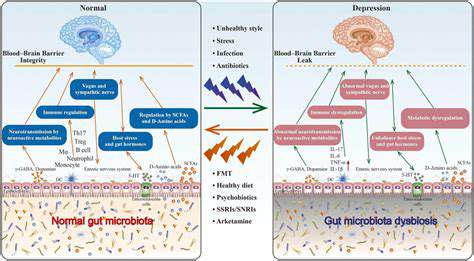
Understanding the Link Between Gut Health and Mental Health
May 01, 2025
Understanding Post Traumatic Stress Disorder (PTSD)
May 14, 2025
Understanding the Impact of Stress on Specific Conditions
May 16, 2025
Discover effective strategies for managing anger and enhancing emotional well-being with our comprehensive guide on developing healthy coping mechanisms. Learn how identifying your anger triggers can be the first step toward healthier responses, ultimately leading to improved mental health and stronger relationships. Our article emphasizes the importance of self-care in anger management, offering practical tips and insights to help you navigate challenging emotions.Explore the significance of recognizing personal triggers through visual aids and expert advice to foster self-awareness. Understand how developing healthy coping mechanisms can transform your emotional responses, reduce stress, and promote overall wellness. From mindfulness techniques to lifestyle adjustments, our guide provides actionable steps to incorporate self-care into your daily routine.Whether you're seeking to better manage anger or enhance your emotional resilience, this resource offers valuable information to support your journey. Prioritize your mental health by learning effective ways to handle anger constructively. Visit our page to discover insights and tools designed to help you develop healthier emotional habits and achieve a more balanced life.Optimize your well-being today—read our full guide on developing healthy coping mechanisms and start making positive changes for a happier, more peaceful life.
May 24, 2025
Guide to Practicing Gratitude in Challenging Times
Jun 25, 2025
10 Simple Ways to Reduce Stress Daily
Jul 08, 2025
Understanding Dialectical Behavior Therapy (DBT)
Jul 25, 2025
10 Simple Healthy Habits to Start Today
Jul 30, 2025
Enhance Family Bonds and Mental Health What is a Gratitude Jar?A Gratitude Jar is a transformative tool designed to cultivate appreciation within families. Each family member contributes notes detailing what they are thankful for, fostering a culture of positivity and emotional well-being. This simple practice can lead to significant psychological benefits, including reduced anxiety and improved mental health. Creating and Maintaining Your Gratitude JarInitiating a Gratitude Jar is easy. Choose a jar and some paper slips, then designate specific times—like weekly family gatherings—to add and review gratitude notes together. Personalizing the jar adds excitement, allowing for creative expression that reflects your family’s uniqueness. Psychological BenefitsResearch shows that practicing gratitude can enhance mental health. Individuals who regularly write about what they are grateful for demonstrate higher levels of life satisfaction and lower levels of anxiety and depression. The collective act of sharing these positive thoughts not only bolsters individual well-being but also strengthens familial ties. Engaging All Family MembersEncouraging everyone to participate keeps the Gratitude Jar dynamic. Children can express gratitude through drawings or stickers, while adults can share more thoughtful reflections. Integrating the jar into daily or weekly routines, alongside other gratitude activities, enhances engagement and keeps the practice fresh. Tracking Emotional GrowthConsider conducting monthly reflections on how the Gratitude Jar practice impacts family members’ mental health. This consistent check-in allows for open dialogues about feelings of gratitude and encourages emotional growth, fostering resilience through supportive family dynamics. Overcoming ChallengesInitial resistance from family members is common. To address this, suggest themes or prompts for gratitude notes. An open environment encourages sharing, making expressing gratitude less daunting and more enjoyable for everyone. Long-term Family BenefitsEngaging in gratitude practices has been shown to yield long-term rewards, including enhanced emotional intelligence and improved communication. These benefits contribute to a nurturing home environment, which is essential for the overall happiness of the family unit. Tips for Success- Choose a Jar: Select a size and design that resonates with your family spirit.- Establish a Routine: Schedule regular times to write and share gratitude notes—a fun family dinner or a cozy Sunday could work well.- Encourage Creativity: Use colored paper or personal mementos to make the gratitude process special and engaging. Fostering Communication and TraditionUtilizing a Gratitude Jar can enhance family conversations and create shared traditions, all of which lead to a stronger sense of unity. Research indicates that families practicing gratitude tend to communicate more effectively and resolve conflicts with greater ease. ConclusionEmbracing a Gratitude Jar elevates your family’s emotional health by instilling a deeper appreciation of one another and fostering supportive relationships. As the jar fills with positive reflections, it serves as a compelling reminder of the love and gratitude in your home. Start your Gratitude Jar tradition today and watch your family flourish!
Feb 27, 2026
A Comprehensive GuideCaring for others can be a rewarding yet demanding role. Understanding the emotional impact of caregiving is crucial, as the responsibilities often lead to stress, anxiety, and burnout. Research shows that over 40% of family caregivers report significant feelings of depression and anxiety. This is where the practice of gratitude can become a transformative tool. Emotional Challenges in CaregivingCaregivers often experience elevated stress levels due to their constant responsibilities. Recognizing these emotional challenges is vital for maintaining mental health and ensuring effective caregiving. Caregivers need to prioritize self-care and seek support for their own well-being. Benefits of Practicing GratitudePracticing gratitude not only enhances psychological well-being but also promotes a positive outlook on life. Studies indicate that individuals expressing gratitude often experience lower stress and greater life satisfaction. This simple act can improve emotional resilience, foster stronger interpersonal relationships, and cultivate a robust support network critical for caregivers. Gratitude Exercises for Daily LifeIncorporating gratitude into daily routines doesn't have to be overwhelming. Simple exercises, like maintaining a Gratitude Journal or practicing mindfulness meditation, can significantly benefit caregivers. These practices help shift focus from stressors to positive experiences, encouraging peace amidst chaos. Recognizing Community SupportCommunity support is an essential element in the caregiver's journey. Engaging with local caregiver support groups or online communities allows caregivers to share experiences, combat isolation, and voice their concerns. Building a network of support is vital in navigating the emotional landscape of caregiving. Physical Health Benefits of GratitudePracticing gratitude can also lead to improvements in physical health. Caregivers engaged in gratitude practices often report lower blood pressure and better sleep quality. This connection between emotional states and physical well-being highlights the cyclical benefits of gratitude. Implementing Daily Gratitude PracticesTo cultivate a culture of gratitude, caregivers can dedicate minutes each day to reflect on what they are thankful for. Strategies like evening reflections or direct expressions of gratitude to care recipients can strengthen emotional bonds and uplift the caregiving experience. Overcoming Challenges to GratitudeCaregivers face numerous challenges, including time management and emotional strain. Studies show that nearly 40% of caregivers feel they have insufficient time for self-care. Understanding these challenges is key to developing effective strategies that enhance daily gratitude. Creating a Supportive CommunityBuilding a supportive environment for caregivers is critical. Establishing resources like mentorship programs, stress management workshops, and shared online platforms can provide essential support. Regular communication and collaboration within caregiver communities can lighten the emotional load and inspire collective problem-solving. Celebrating Caregiver ContributionsRecognizing and celebrating the hard work of caregivers fosters pride and belonging. Monthly events or annual recognition ceremonies not only validate their efforts but also inspire a motivational community atmosphere. Sharing success stories can encourage and uplift caregivers, reinforcing their valuable contributions.In summary, practicing gratitude is not just a fleeting feeling but a powerful ally for caregivers. By integrating gratitude into daily life, caregivers can experience improved emotional and physical health, stronger relationships, and a more resilient mindset. As caregivers acknowledge the small blessings in their daily lives, they recharge and continue their essential role with renewed vigor and purpose.
Mar 02, 2026
Unlocking Wellness and HappinessExplore the profound effects of gratitude on both mental and physical health in our comprehensive guide. Research in positive psychology emphasizes gratitude as a transformative practice that significantly influences overall well-being. Discover how expressing gratitude triggers the release of neurotransmitters like serotonin and dopamine, which are essential for regulating mood and fostering happiness. Understanding Gratitude’s Impact on Mental HealthDelve into the evidence revealing how gratitude practices contribute to improved mental health. Studies indicate that individuals who engage in daily gratitude, such as journaling or expressing thanks, experience lower levels of stress, anxiety, and depression. Gratitude acts as a powerful tool that disrupts negative thinking patterns, enhancing resilience and coping mechanisms. Integrating gratitude into your daily routine—whether through thank-you notes or reflecting on positive experiences—can yield long-lasting benefits for your emotional wellness. The Neuroscience of GratitudeLearn how gratitude affects our brain's functioning. MRI studies indicate that expressing gratitude activates regions linked to reward and moral cognition—facilitating a cycle of positive behavior and kindness within social interactions. This neural connection not only enhances personal well-being but also encourages altruistic behaviors in communities. Gratitude and Physical Health: The ConnectionResearch highlights a correlation between practicing gratitude and improved physical health. Longitudinal studies reveal that those who regularly express gratitude report fewer health complaints and are more inclined to engage in health-promoting activities. From better sleep to lower blood pressure, the benefits of gratitude extend into our physical state, prompting proactive approaches to health and lifestyle. Establishing a Daily Gratitude PracticeIncorporating gratitude into your everyday life is essential for maximizing its benefits. Begin by dedicating a few moments each day to reflect on three things you appreciate, an exercise that enhances self-awareness and shifts focus to positivity. Techniques such as journaling and utilizing themed prompts can deepen your practice and engagement with gratitude. Overcoming Challenges and MisconceptionsDespite its proven benefits, many individuals struggle to maintain a consistent gratitude practice. It’s essential to recognize that gratitude requires conscious effort. Acknowledging both positive and negative experiences facilitates a balanced perspective, leading to transformative growth even amid challenges. Affirmations and Mindfulness: Strengthening the PracticeAmplify your gratitude practice by incorporating affirmations and mindfulness. Simple daily rituals, such as reflecting on positive experiences during mindful meditation, can reinforce feelings of gratitude—leading to greater emotional well-being. Sharing gratitude with others can also strengthen relationships and foster a supportive network, creating a ripple effect of positivity in your community. Tracking Your ProgressTo effectively integrate gratitude into your lifestyle, set specific, measurable goals. Identify areas for growth, track your development, and reflect on your journey—leveraging tools like apps or reminders to maintain accountability. Embrace gratitude as a continuous practice that nurtures your mental and emotional health, providing a framework for a more fulfilled life.Invoke the power of gratitude and unlock the doors to profound emotional wellness today!
Mar 02, 2026
Understanding the Transformative Power of GratitudeWhen it comes to enhancing our overall well-being, cultivating gratitude is often overlooked. Research highlights the myriad benefits associated with gratitude, ranging from improved mental health to stronger relationships. This guide delves into the importance of gratitude and offers actionable tips for integrating it into your daily life. Elevate Your Mental Health with GratitudePracticing gratitude acts as a powerful antidote to negative emotions, significantly reducing symptoms of depression and anxiety. Studies, such as those published in the *Journal of Happiness Studies*, reveal that individuals who regularly express gratitude experience substantial shifts in perspective and emotional uplift. Maintaining a Gratitude Journal can retrain your brain to focus on the positives, fostering a sustained mindset of thankfulness. Strengthen Your ConnectionsGratitude doesn't just improve self-perception; it cultivates stronger relationships. A grateful mindset fosters connection and positivity, encouraging reciprocal warmth among partners, friends, and coworkers. Research from the University of California shows that expressing appreciation enhances relationship satisfaction, boosts morale in workplace settings, and reduces burnout. Establishing a culture of gratitude can transform the dynamics of your personal and professional interactions. Creating Your Gratitude JournalA Gratitude Journal serves as a practical tool for reflecting on what enriches your life. Regularly documenting positive experiences can enhance mental well-being and resilience. To start, find a journaling format that suits you—whether it’s a digital app or a traditional notebook—and establish a consistent writing routine that fits seamlessly into your day. What to WriteYour entries should reflect specific events or people, lessons learned, simple pleasures, and forward-looking aspirations. Being detailed about your gratitude—like describing a joyful family dinner—invokes stronger emotions and deeper reflections. Building Your Daily Gratitude HabitIntegrating gratitude into your day-to-day routine can be simple. Start or end your day by jotting down three things for which you're thankful. Setting reminders and exploring various practices can keep your gratitude ritual engaging. Overcoming ObstaclesMaintaining a gratitude practice can be challenging, especially in stressful times. Overcome these barriers by keeping your journal easily accessible and setting specific time frames for your reflections. Engaging with friends or peers about gratitude can provide additional motivation and support. Embrace Gratitude in Your RelationshipsSharing gratitude fosters stronger bonds. Verbal affirmations or thank-you notes can significantly enhance personal relationships and contribute to a supportive social environment. In a workplace context, recognition for contributions can boost motivation and overall productivity. Leverage Technology for GratitudeIn today's digital age, technology can reinforce gratitude practices. Utilize apps that remind you to reflect daily or share appreciation with friends. Social media can also be a platform for expressing gratitude, creating a supportive network that amplifies positivity.By committing to gratitude, you not only improve your own mental and emotional well-being but also enrich your interactions with others. Embracing gratitude as a lifestyle can lead to more robust relationships, increased happiness, and improved health. Start Your Gratitude Journey TodayReady to change your life through gratitude? Start cultivating a positive mindset today and watch how it transforms your outlook and relationships for the better.
Mar 04, 2026
View Publications>>