The Habit of Gratitude: How to Make It Stick
Index
- Gratitude enhances mental health by reducing depression and anxiety.
- It cultivates stronger personal and professional relationships.
- A gratitude journal fosters a positive mindset through reflection.
- Regular entries enhance mindfulness and improve overall outlook.
- Consistency is essential for maintaining gratitude journaling.
- Specific details in entries strengthen emotional reflections.
- Overcoming challenges in journaling often requires reminders and accessibility.
- Integrating gratitude into daily life enriches relationships and experiences.
- Practicing gratitude leads to improved physical health outcomes.
- Verbal expressions of gratitude strengthen personal connections.
- Engaging with gratitude positively impacts workplace morale and productivity.
- Technology enhances gratitude practices through apps and social media.
- Sharing gratitude within communities amplifies its benefits.
- Utilizing VR can deepen emotional connections to gratitude.
- Combining gratitude with meditation promotes holistic mental well-being.
Understanding the Benefits of Gratitude
Enhancing Mental Health Through Gratitude
Research indicates that practicing gratitude can lead to improved Mental Health, acting as a powerful antidote to negative emotions. According to a study published in the Journal of Happiness Studies, individuals who regularly express gratitude show significantly lower levels of depression and anxiety. This emotional uplift isn't just a fleeting sensation; it's a substantial shift in how individuals perceive their daily lives.
Moreover, practicing gratitude often encourages a positive feedback loop. When individuals actively recognize what they are thankful for, their brains retrain to focus on the positive aspects of their lives. Keeping a Gratitude Journal, for example, can lead to more positive thoughts and improved well-being over time, making gratitude not just an occasional practice, but a sustained mindset.
Building Stronger Relationships Through Gratitude
Gratitude has the power to cultivate Stronger Relationships, both personally and professionally. A study from the University of California found that expressing gratitude towards a partner can significantly enhance feelings of relationship satisfaction. This is largely due to the appreciation that fosters connection and positivity, motivating individuals to reciprocate warmth and support.
In teamwork or workplace settings, recognizing coworkers’ contributions can boost morale and cohesion. Employees who feel valued are more likely to be engaged and less likely to experience burnout, which not only enhances productivity but can also significantly reduce staff turnover. Creating a culture of gratitude can effectively transform the overall atmosphere of a group or organization.
Creating a Gratitude Journal

Understanding the Purpose of a Gratitude Journal
A gratitude journal serves as a powerful tool for reflecting on the positive aspects of our lives. By regularly documenting these moments, individuals can cultivate a more positive mindset. Research shows that gratitude practices can enhance mental well-being and foster resilience.
Additionally, engaging in this habit encourages mindfulness, as it requires you to pause and acknowledge the present moment. This conscious effort to reflect on what you're grateful for can significantly shift your perspective, improving your overall outlook on life.
Choosing the Right Format for Your Journal
There are numerous ways to maintain a gratitude journal, and finding the right format is vital. Whether it's a traditional notebook, a digital app, or even a voice recorder, the choice should resonate with your personal style. The key is consistency; the format you choose should encourage you to write regularly.
For instance, digital apps can come equipped with reminders and prompts, which can be very helpful for beginners. Traditional journals offer a tactile experience that some find more rewarding and personal.
What to Include in Your Entries
- Specific events or people to express gratitude towards
- Lessons learned from challenging situations
- Everyday simple pleasures
- Forward-looking aspirations related to gratitude
When writing entries, focus on being specific rather than general. Instead of just writing, I'm grateful for my family, consider detailing a memorable moment shared, such as a family dinner where everyone laughed together. This specificity can invoke stronger emotions and facilitate deeper reflection.
Establishing a Consistent Routine
To integrate gratitude journaling into your daily life, setting a consistent time is crucial. Many people find that writing in the morning, as a way to start their day on a positive note, or in the evening, as a form of reflection, works best. By designating a specific time, you create a habit that becomes part of your routine.
It might help to combine this practice with another daily habit, such as having a morning coffee or going to bed. This way, you link gratitude journaling with something you already do, making it easier to maintain.
Overcoming Common Challenges
Many individuals face hurdles when starting or maintaining a gratitude journal. Common challenges include time constraints, forgetting to write, or feeling uninspired about what to document. A great strategy to combat this is to set reminders on your phone or utilize prompt cards with topics to guide your thoughts.
Another suggestion is to keep your journal easily accessible. If it's on your nightstand or in your bag, you’re more likely to remember to write. Exploring new ways to express gratitude can also help re-invigorate your journaling when you start feeling stuck.
Reflecting on Progress and Growth
Once you’ve been journaling for several weeks or months, take the time to reflect on your entries. This reflection allows you to see patterns in your gratitude and identify areas of your life where you find joy. It can be enlightening to discover how your gratitude evolves over time.
Consider summarizing your experiences at the end of each month. This can enhance your commitment to the practice and remind you of all the positive moments you've captured.
Incorporating Appreciation into Daily Life
A gratitude journal is not just an isolated practice but can extend into your interactions and relationship with others. Make it a habit to express gratitude verbally or through notes. Simple gestures, such as thanking someone for their help or complimenting them, can strengthen your bonds and foster a positive atmosphere.
In essence, the core of gratitude journaling is to internalize gratitude as a lifestyle. It is about recognizing the blessings not just in written words but also in shared experiences and day-to-day encounters.
Incorporating Gratitude into Your Daily Routine
Understanding the Benefits of Gratitude
Practicing gratitude has been linked to numerous benefits, both psychological and physical. Research indicates that individuals who regularly engage in gratitude exercises report higher levels of well-being and life satisfaction. A study published in the Journal of Personality and Social Psychology found that participants who kept gratitude journals experienced better mental health outcomes, including reduced symptoms of depression. This simple practice can significantly contribute to one's overall happiness.
Moreover, gratitude can improve physical health. A study from the University of California showed that grateful individuals are more likely to engage in health-promoting behaviors such as regular exercise and adequate sleep. By acknowledging the positives in life, people become more motivated to maintain a healthy lifestyle, reducing the risk of chronic diseases.
Simple Ways to Cultivate Gratitude Daily
Adopting small, manageable habits can seamlessly integrate gratitude into your life. One effective method is to start or end your day by writing down three things for which you are grateful. This practice doesn’t take long but reinforces a positive outlook. Try setting aside just five minutes each day to reflect on moments that brought you joy. You could write in a journal or use gratitude apps that remind you to express appreciation regularly, making it an engaging and interactive process.
Another straightforward technique is to express gratitude verbally to others. When you thank someone directly or acknowledge their contributions, it not only strengthens your relationship but also reinforces your own positive feelings. Acknowledging the efforts of coworkers or family members cultivates a supportive environment and increases overall happiness.
Creating visual reminders can also aid in establishing a gratitude routine. Whether it's posting affirmations on your mirror or setting up a gratitude board, these cues can prompt you to reflect on what you value in your life.
Challenges and Strategies for Consistency
Maintaining a consistent gratitude practice can be challenging, especially during stressful or busy times. It's essential to recognize these hurdles and develop strategies to overcome them. For instance, set specific reminders, such as an alarm on your phone, to encourage you to pause and reflect regularly. This proactive approach ensures that gratitude becomes part of your daily rhythms.
Additionally, consider exploring different gratitude practices to keep the process engaging. Journaling one day, sending thank-you notes the next, or even discussing your gratitude with a friend can help maintain enthusiasm. Variety can prevent the ritual from feeling like a chore and instead make it a genuinely fulfilling experience.
Sharing Gratitude with Others
Understanding the Importance of Gratitude
Research shows that Practicing Gratitude can lead to significant improvements in overall well-being. According to a study published in the journal Personality and Individual Differences, individuals who regularly express gratitude report lower levels of depression and higher levels of happiness. The act of recognizing and appreciating the positive aspects of our lives can shift our perspective, leading to increased life satisfaction.
Moreover, gratitude has a biological basis. It activates the brain's reward system, releasing dopamine and serotonin, which are neurotransmitters associated with mood regulation. This connection explains why people often feel happier and more fulfilled when they actively express gratitude, reinforcing the habit and making it more likely to stick.
Ways to Communicate Gratitude
Communicating gratitude can take various forms, from verbal affirmations to handwritten notes. A study from the University of California, Berkeley found that people who write thank-you notes feel a greater sense of connection to others and experience more positive emotions. Taking the time to express thanks in a personalized message can enhance personal relationships and foster a supportive social environment.
Incorporating Gratitude into Daily Routines
Integrating gratitude into your daily life doesn’t have to be a big task. Simple actions like starting or ending your day by listing three things you are thankful for can create a powerful habit. Setting reminders on your phone or journaling can also help maintain this practice. Consistency is key; research indicates that forming habits takes time, and a daily gratitude list is an effective strategy.
A consistent practice helps solidify gratitude as a part of your routine. Over time, the brain adapts, and you may find it becomes easier to identify the positive aspects of your day-to-day life, leading to greater overall satisfaction.
Sharing Gratitude in Professional Settings
In a professional context, expressing gratitude can enhance workplace morale and productivity. A study conducted by the Wharton School found that employees who receive recognition for their efforts also exhibit increased motivation and performance. Simple acts of appreciation, such as acknowledging a colleague’s contribution during a meeting, can foster a positive work environment.
Furthermore, incorporating gratitude into corporate culture can lead to more effective teamwork. Organizations that focus on appreciation often see better collaboration and communication among team members, which is essential for achieving common goals.
Long-term Benefits of a Gratitude Practice
Engaging in a regular gratitude practice can have lasting effects on mental health and emotional resilience. Research published in the journal Health Psychology indicates that individuals who practice gratitude experience better sleep quality, lower rates of stress, and improved physical health. This evidence highlights how gratitude not only benefits mental wellness but also contributes positively to physical health.
Overcoming Challenges in Practicing Gratitude
While gratitude is beneficial, some may find it challenging to maintain this habit consistently, especially in difficult times. It can be useful to remind oneself that gratitude doesn’t require a perfect situation; even small acknowledgments can make a difference. Setting specific time frames each week can help individuals stay focused and committed to this practice.
Additionally, discussing barriers to gratitude with a friend or mentor can provide alternative perspectives, helping to reframe negative thoughts. This social support plays a vital role in reinforcing the habit of gratitude, making it easier to overcome obstacles.
Encouraging Others to Practice Gratitude
Creating a gratitude-focused group or community can further amplify the benefits of this practice. Engaging in shared activities that promote positivity, like book clubs or community service, provides an avenue for individuals to express and cultivate gratitude collectively. Research suggests that when individuals connect with others in gratitude, they are more likely to feel accountable and motivated to continue the practice.
Ultimately, leading by example can influence others positively. When you openly express gratitude in your interactions, it encourages others to reciprocate, fostering a cycle of appreciation that can enrich social connections and enhance well-being for everyone involved.
Using Technology to Reinforce Gratitude

Leveraging Apps for Daily Gratitude Practices
- Gratitude journaling apps can streamline your daily reflection.
- They offer reminders to help you stay consistent with your practice.
- Some apps allow sharing gratitude lists with friends for accountability.
One effective way to reinforce gratitude is through dedicated applications. Implementing a structured journaling process can promote mindfulness and make the practice more engaging. Popular apps like Grateful and Day One provide prompts to encourage users to reflect on their day positively.
Moreover, features such as notifications can serve as gentle reminders to express gratitude regularly, ensuring that it becomes a habit. Research has shown that frequent reflections on positive experiences can significantly enhance overall well-being and help combat negative thoughts over time.
Utilizing Social Media to Share Appreciation
Social media platforms can also be a surprising ally in fostering gratitude. From dedicated hashtags like ThankfulThursday to weekly gratitude posts, users can share their appreciation with their networks. This practice not only acknowledges the good in one's own life but also spreads positivity among friends and followers.
Engaging in gratitude discussions online can amplify the habit further. By participating in community-driven appreciation challenges, users create a sense of accountability and support. Additionally, the interactive nature of social media allows for varied expressions of gratitude, making the habit more dynamic and enjoyable.
In fact, a study published by the Journal of Social Psychology found that people who actively express gratitude on social media reported higher levels of happiness and life satisfaction. This showcases how technology can effectively bolster emotional health through shared experiences.
Integrating Gratitude into Tech-Enhanced Experiences
Emerging technologies also offer unique ways to reinforce gratitude in a seamless manner. For instance, virtual reality (VR) can provide immersive experiences that highlight moments of gratitude. By participating in VR scenarios designed for reflection, users can develop a deeper emotional connection to their experiences, making gratitude feel more tangible.
Additionally, wearable technology can track mood and emotions, encouraging users to take a moment to reflect on what they are grateful for. This can help bridge the gap between mental health monitoring and the practice of gratitude in a real-time capacity, allowing one to capture fleeting moments of positivity more effectively.
Finally, combining gratitude practices with meditation apps can create a holistic approach to mental well-being. Many meditation platforms now include guided sessions specifically focused on cultivating gratitude, making it easier than ever to incorporate thankful reflections into daily routines.
Read more about The Habit of Gratitude: How to Make It Stick
![Best Books on Mental Health and Well being [Recommended Reads]](/static/images/26/2025-05/CultivatingSelf-CompassionandPositiveSelf-Talk.jpg)







Hot Recommendations
-
*How to Stay Motivated for Early Morning Runs
-
*The Relationship Between Gratitude and Stress Hormones
-
*Superfoods for Weight Loss: Fact vs. Fiction
-
*Is Your Mattress Causing Your Lower Back Pain?
-
*How a Gratitude Jar Can Improve Your Family’s Health
-
*Low Carb Cooking Tips for Rapid Weight Loss Results
-
*The Benefits of Inversion Tables for Lower Back Pain
-
*Healthy Stir Fry Recipes for Quick Nutritious Meals
-
*Common Causes of Lower Back Pain and How to Fix Them
-
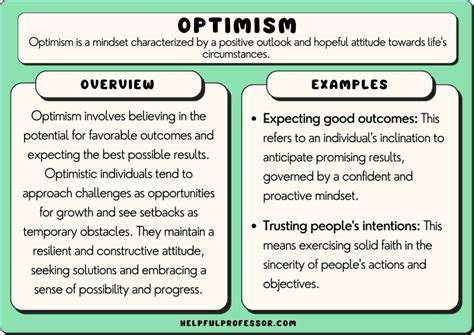
*Guide to Building Optimism and a Positive Outlook