Exercises for Herniated Discs: Safe Movement Tips
List of Contents
Herniated discs occur when spinal discs bulge, causing nerve compression.
Symptoms include back pain, numbness, and weakness in limbs.
Age, genetics, and physical stress increase herniated disc risk.
Diagnosis involves medical history, physical exams, and imaging tests.
Conservative treatments include physical therapy and medications.
Surgery is an option if conservative methods fail after 6-12 weeks.
Gentle stretching helps relieve pressure on herniated discs.
Core strength is vital for spinal stability in herniated disc recovery.
Good posture prevents strain on the spine, aiding herniated disc management.
Consult healthcare professionals for tailored exercise and recovery plans.
Understanding Herniated Discs
What is a Herniated Disc?
A Herniated Disc occurs when the soft inner gel-like center of a spinal disc pushes through a crack in the outer layer. This can lead to nerve compression, resulting in pain, numbness, or weakness in the arms or legs, depending on the location of the herniation. Medical imaging techniques, like MRI scans, can help diagnose this condition.
According to the American Academy of Orthopaedic Surgeons, herniated discs often affect adults aged 30-50, with factors such as genetics, occupation, and lifestyle influencing the likelihood of occurrence. Understanding these contributing factors is essential for both prevention and effective treatment planning.
Symptoms of a Herniated Disc
The symptoms of a herniated disc can vary widely depending on the severity and location of the herniation. Common symptoms include localized pain in the back, radiating pain into the limbs, tingling sensations, and, in severe cases, loss of bowel or bladder control. Recognizing these symptoms early can be pivotal for effective management.
Causes and Risk Factors
Several factors can contribute to the development of a herniated disc. Age is a significant risk factor, as discs naturally degenerate over time. High-impact sports or occupations that involve heavy lifting or repetitive stress on the spine can also increase risk. Furthermore, studies indicate a genetic predisposition may play a role.
Diagnosis Methods
To diagnose a herniated disc, healthcare professionals typically conduct a comprehensive medical history review followed by a physical examination. Imaging tests such as MRIs or CT scans are often utilized to visualize the extent of the herniation and assess any nerve involvement. Such diagnostic clarity is crucial for crafting an effective treatment strategy.
Conservative Treatment Approaches
Most patients with a herniated disc find relief through Conservative Treatment options. This may include physical therapy, which focuses on strengthening surrounding muscles and improving flexibility, as well as medications such as NSAIDs to manage pain and inflammation. Some patients may also benefit from corticosteroid injections to alleviate severe pain.
As part of a well-rounded treatment plan, lifestyle modifications, including weight management and ergonomic assessments, play a vital role in recovery and prevention of further injury. Ongoing education about proper body mechanics during daily activities is also essential.
When Surgical Intervention is Necessary
Surgery may be warranted in cases where conservative treatments fail to provide relief after a reasonable period, typically 6-12 weeks. Surgical options will be considered based on individual circumstances, such as severity of symptoms and overall health. Procedures like discectomy or laminectomy have shown success rates reported as high as 90% in alleviating pain for suitable candidates.
Before opting for surgery, it's crucial for patients to have balanced discussions with their healthcare team to weigh the benefits against risks thoroughly. This all-encompassing approach ensures that patients are well-informed and actively participate in decisions regarding their care.
Gentle Stretching Exercises
Understanding Herniated Discs and Their Impact
A herniated disc occurs when the soft cushion of tissue between the bones in your spine pushes out, leading to pain, numbness, or weakness. These symptoms often arise due to the pressure on nearby nerves. Understanding this condition is crucial for effective management and recovery. A study published in the *Spine Journal* highlights the importance of early intervention through proper exercise routines.
Herniated discs primarily affect the lumbar and cervical regions of the spine. In younger populations, they are usually caused by high-impact activities, but degeneration with age can also play a significant role. The more we know about how these discs function, the better we can design exercises that protect the spine while enhancing flexibility and strength.
Benefits of Gentle Stretching Exercises
Gentle Stretching Exercises help to relieve pressure on the disc by promoting spinal mobility and flexibility. According to the American Physical Therapy Association, incorporating stretches into daily routines has shown significant improvement in patients with herniated discs. It’s essential to understand that these exercises should be done within a comfortable range to avoid exacerbating the pain.
Moreover, gentle stretches can increase blood flow to the spinal area, facilitating the recovery process. Enhanced circulation aids nutrient delivery to the affected area, which is vital for healing. Regular practice can also prevent the stiffness that often accompanies a herniated disc.
Safe Techniques for Gentle Stretching
When performing stretching exercises, it is vital to prioritize safety. Start by warming up the body lightly to prepare your muscles and joints. Gentle movements like neck rolls or shoulder shrugs can effectively eliminate any stiffness. Remember to listen to your body—if a particular stretch causes discomfort, ease back and modify the movement.
Specific Gentle Stretching Exercises for Herniated Discs
Some recommended gentle stretches include the cat-cow stretch, which helps mobilize the spine through flexion and extension. Additionally, the child's pose can offer significant relief by decompressing the spine and promoting relaxation. When executed properly, each of these stretches can foster recovery without placing undue stress on the affected areas.
Furthermore, seated hamstring stretches are beneficial for those experiencing lower back pain. Stretching the hamstrings helps to alleviate strain on the lumbar region, improving overall spinal alignment. It’s essential to maintain alignment during these exercises, ensuring that the stretch is executed gently without rushing through the movements.
Frequency and Duration of Stretching Exercises
Incorporating gentle stretching into your daily routine can lead to improved outcomes over time. A recommended frequency is to perform these stretches 3-5 times per week, depending on your comfort level. Each session doesn’t have to be lengthy; 10 to 15 minutes of dedicated stretching can yield significant benefits.
Listening to Your Body and Adjusting as Needed
Everyone's experience with herniated discs is unique, and it’s vital to remain attuned to your body’s responses. If certain stretches aggravate your symptoms, consider consulting a physical therapist. Modifying exercises based on comfort can help you maintain consistency, enhancing the likelihood of recovery while avoiding setbacks.
Document any changes in your condition, as this can help identify what works best for your situation. Given that pain levels can fluctuate daily, being adaptable is central to managing your condition effectively.
Consulting Healthcare Professionals
Before starting any new exercise program, especially when dealing with a herniated disc, consulting a healthcare provider is advisable. A physical therapist can create a personalized stretching program tailored to your condition. This professional guidance can help mitigate risks and promote safer recovery.
Additionally, regular follow-ups with your healthcare provider can help monitor your progress, ensuring your approach aligns with recovery goals. Keeping an open dialogue with your medical team facilitates adjustments in your exercise regimen, ultimately leading to a more effective recovery journey.
Strengthening Core Muscles

Understanding Core Muscle Anatomy
The core is not a single muscle, but rather a group of muscles that includes the rectus abdominis, obliques, transverse abdominis, and the muscles in the back, including the erector spinae. These muscles work in unison to provide stability and support to the spine, especially for individuals dealing with herniated discs. Understanding this anatomy helps in selecting appropriate exercises for strengthening the core.
Research indicates that engaging the core muscles effectively can lead to improved posture and enhanced functionality in daily movements. This is especially crucial for those recovering from back injuries, as a strong core can alleviate strain on the spine.
Effective Exercises for Core Strengthening
- Planks
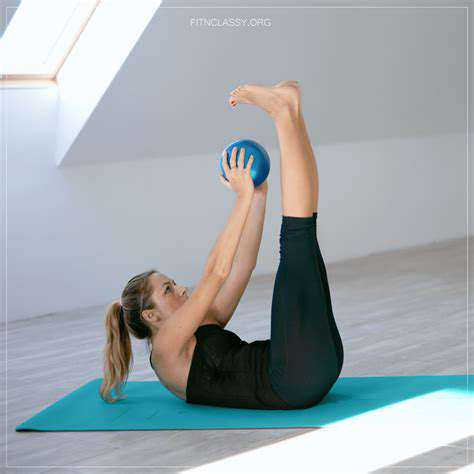
- Dead Bugs
- Bird-Dogs
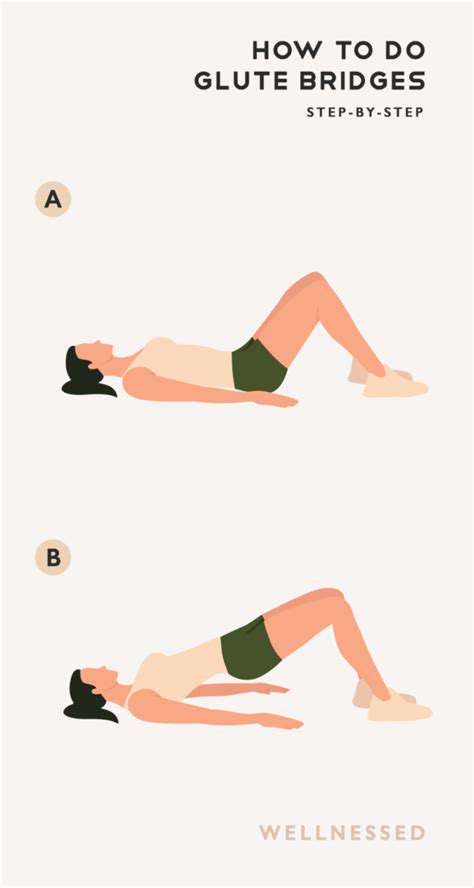
- Bridges
These exercises are often recommended by physical therapists because they target multiple muscles while minimizing stress on the spine. For instance, the plank is a isometric exercise that not only strengthens the core but also promotes stability without excessive spinal loading.
Incorporating various exercises, like dead bugs and bird-dogs, ensures that the entire core system is engaged, which is crucial for overall stability. Regular practice can lead to significant improvements, especially if one focuses on form, controlled movements, and gradual progression.
Benefits of a Strong Core for Herniated Disc Recovery
A Strong Core Provides better support for the spinal structure and can significantly reduce the risk of further injury. By effectively stabilizing the spine, patients with herniated discs may experience less pain and improved mobility over time. This means that a focus on core strengthening is not just about aesthetics; it’s a critical element of rehabilitation.
Additionally, ongoing core stability training can prevent re-injury when returning to more demanding physical activities. It is advisable for anyone recovering from a herniated disc to work closely with a health professional to ensure that exercises are tailored to their specific needs.
Tips for Safely Strengthening Core Muscles
Before beginning any core strengthening exercises, it is vital to consult with a healthcare provider or physical therapist, especially for those with previous back issues. Incrementally introducing exercise ensures that the body can adapt without undue stress. It’s also essential to prioritize form over quantity; quality movements yield better results.
Listening to your body is key—if something feels wrong, stop immediately. Heeding these warning signs can prevent complications and facilitate smoother recovery. Developing a safe routine can take time, but consistency is what ultimately builds a robust core.
Movement Tips for Daily Activities
Understanding Proper Posture
Maintaining proper posture is essential for preventing additional strain on the spine, especially for individuals dealing with herniated discs. It is crucial to keep the head aligned over the pelvis and the shoulders back. A forward head posture can place undue stress on neck and upper back muscles, exacerbating existing issues. According to the American Chiropractic Association, practicing good posture not only supports spinal health but also improves overall bodily function.
One effective method to ensure good posture is to use ergonomic furniture and tools. For example, an adjustable chair that supports your lower back can help you sit correctly while working. Keeping your computer screen at eye level can also prevent slouching and promote a neutral spine position. Incorporating reminders, such as sticky notes or phone alerts, can encourage regular posture checks throughout the day.
Incorporating Movement into Routine Tasks
Adding physical activity to your daily routine can significantly contribute to your overall well-being without stressing your back. Simple actions, like standing up every hour while working or taking brief walks during breaks, can help maintain spine flexibility. A study published in the Journal of Physical Activity and Health found that integrating movement throughout the day can improve health outcomes and enhance productivity.
Additionally, consider using stairs instead of elevators, which not only promotes cardiovascular health but also strengthens the lower body muscles that support the spine. Activities such as gardening or walking the dog can seamlessly fit into your schedule, providing a low-impact way to stay active. Remember, it's about consistent, gentle movement rather than intense workouts.
Safe Lifting Techniques
Improper lifting techniques can cause significant harm to the spinal column, particularly for those with herniated discs. To lift objects safely, bend at your knees and keep your back straight. Hold the item close to your body and lift using your legs instead of your back. According to the National Institute for Occupational Safety and Health (NIOSH), approximately 30% of all workplace injuries are caused by improper lifting techniques.
Practicing these techniques daily can help instill good habits. If you frequently lift heavier items, consider using tools like hand trucks or dollies, which can drastically reduce the stress placed on your back. Work on strengthening your core as well; a strong core provides additional support for your spine during lifting.
Stretching and Flexibility Exercises
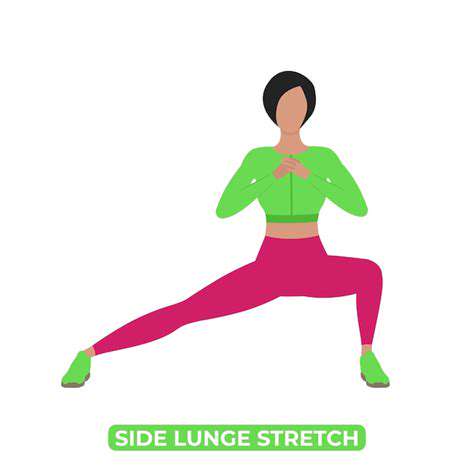
Incorporating regular stretching and flexibility workouts can alleviate tension in the muscles surrounding the spine, benefiting those with herniated discs. Specific stretches, such as knee-to-chest or the cat-cow pose, can relieve pressure on the lower back. The American Council on Exercise suggests spending at least 15-20 minutes a day on flexibility training for improved range of motion and decreased risk of injury.
Make stretching a part of your daily routine, either in the morning to start your day or before bed to relax muscles and promote a good night's sleep. Yoga can also be highly beneficial; programs tailored for back health can help increase flexibility and strength while promoting relaxation to reduce stress levels that might otherwise contribute to pain.
However, always consult with a healthcare professional before starting any new exercise regimen, especially if you have a history of back issues.
Mindful Movement Practices
Mindfulness in movement is about being aware of your body and its limitations in daily activities. Practices such as Tai Chi or Pilates focus on controlled movements and body awareness, which can significantly aid in alleviating discomfort caused by herniated discs. According to a study in the Journal of Musculoskeletal Pain, participants who engaged in mindfulness-based exercise reported improved pain management and quality of life.
Starting with simple exercises that focus on body alignment and core strength can enhance awareness, allowing individuals to perform everyday tasks with improved balance and stability. Consider joining local classes or finding online resources to guide you through mindful movement practices effectively.
Consulting Healthcare Professionals for Personalized Advice
Seeking guidance from healthcare professionals, including physical therapists and chiropractors, can provide tailored advice on maintaining safe movement while managing a herniated disc. These experts can help develop a personalized exercise plan and teach techniques to execute daily activities safely. The expertise of these professionals can offer insights that generic advice cannot provide, addressing specific needs and concerns.
Additionally, follow-up appointments ensure that the recovery process is being monitored, helping to adjust activity levels as necessary. Regular communication with your healthcare provider can also help in recognizing potential problems before they become more serious. Ultimately, their specialized knowledge is invaluable in navigating daily movement safely and effectively.
Consulting with Professionals
Understanding Herniated Discs
A herniated disc occurs when the soft inner gel of a spinal disc bulges out through a tear in the tougher outer layer. This condition can irritate nearby nerves, leading to pain, numbness, or weakness, predominantly in the lower back or neck. It's estimated that around 5% of adults might experience this issue in their lifetime.
Factors contributing to herniated discs include aging, obesity, or engaging in repetitive movements that strain the spine. Moreover, genetics can also play a role in the susceptibility to this condition, affecting how the spinal discs are structured and their longevity.
Choosing the Right Professional
Consulting with the appropriate healthcare professional is crucial. Physical therapists, chiropractors, or orthopedic specialists are commonly involved in the evaluation and management of herniated discs. Choosing one that specializes in spine health can significantly influence your recovery trajectory.
It's essential to ensure that your professional has relevant experience and credentials in treating spinal conditions. Ask about their approach, techniques, and success rates, as tailored treatment plans can lead to better outcomes.
Initial Assessment and Diagnosis
When consulting a professional, expect a thorough assessment that may include comprehensive physical exams and imaging tests such as MRIs or CT scans. These methods help visualize the extent of the herniation and determine if nerves are affected.
Professionals may also evaluate your medical history and lifestyle factors to ascertain the best individualized treatment plan. Assessments should be methodical, ensuring all possible underlying issues are addressed effectively.
Establishing a Treatment Plan
A well-structured treatment plan typically starts with conservative methods, including Physical Therapy, medication, or epidural steroid injections. The goal is to relieve pain while enhancing mobility and strength.
Patients may benefit from a multi-disciplinary approach that includes guidance from physical therapists, who can teach proper exercises that minimize risk while maximizing recovery and support.
Benefits of Physical Therapy
Physical therapy not only helps in managing pain but also plays a critical role in educating patients on safe movement techniques. Strengthening the muscles that support the spine can significantly alleviate discomfort.
Incorporating specific exercises into daily routines can enhance core stability, which is essential for reducing the load on the discs. Clinically, many practitioners recommend ongoing therapy as a preventive measure against future issues.
Monitoring Progress
Regular follow-up appointments with your healthcare provider are necessary to track progress and adjust treatment plans as needed. This ensures that the recovery process is effectively managed and that any arising complications can be promptly addressed.
Setting reasonable milestones for recovery can motivate patients and provide clear benchmarks for physical improvement. It's vital to keep communication open between you and your healthcare team to foster an environment that promotes healing.
Long-term Strategies for Recovery and Prevention
Incorporating lifestyle changes, such as maintaining a healthy weight and improving posture, can play a significant role in preventing future herniated discs. Staying active while practicing safe techniques in everyday activities also helps mitigate risks.
Consider integrating low-impact aerobic exercises into your routine, as they can enhance overall fitness without overstraining the back. This balanced approach can help in maintaining spinal health over the long term.
Read more about Exercises for Herniated Discs: Safe Movement Tips

![How to Improve Your Pull Up Strength [Beginner to Advanced]](/static/images/26/2025-06/NutritionandRecovery3AEssentialComponents.jpg)






Hot Recommendations
-
*The Role of Fiber in Weight Loss: Best Food Sources
-
*Lower Back Pain and Cycling: How to Adjust Your Bike
-
*Healthy Sauces for Weight Loss: From Pesto to Salsa
-
*Lower Back Pain and Shoes: Does Heel Height Matter?
-
*The Role of Cross Training in Improving Running Performance
-
*High Protein, Low Carb Cooking for Weight Loss
-
*Recovery Tips for Runners: How to Bounce Back After a Hard Run
-
*Mental Tricks to Stay Motivated During Tough Runs
-
*Seasonal Vegetable Recipes for Healthy Eating
-
*Reflecting on Daily Wins: A Simple Gratitude Exercise