Health
Osteoporosis
Bone Health
Exercise
Nutrients
Posture
Spinal health
Lower Back Pain

Lower Back Pain and Bone Density: Tips for Health

List of Contents

  • Lower bone density increases risk of lower back pain.
  • Osteoporosis leads to vertebral fractures and discomfort.
  • Nutrition impacts bone health, emphasizing calcium and vitamin D.
  • Weight-bearing exercises improve bone density and back pain relief.
  • Good posture reduces strain and enhances spinal health.
  • Consult healthcare professionals for bone density assessments.
  • Regular exercise and proper diet are crucial for bone health.

Understanding the Connection Between Lower Back Pain and Bone Density

How Bone Density Affects Lower Back Pain

Bone density refers to the amount of mineral matter per square centimeter of bones. It is a critical factor in overall skeletal health, intricately linked to conditions like osteoporosis and other degenerative diseases. Lower bone density can lead to fractures, which frequently impact the vertebrae in the lower back, causing pain. Research has shown that individuals with osteoporosis often experience significant discomfort due to micro-fractures in the spine.

The relationship between bone density and Lower Back Pain is often underscored by the presence of weak bones, which might result in postural imbalances. Inadequate bone strength can stress surrounding tissues, exacerbating pain symptoms. An article published by the National Osteoporosis Foundation notes that lumbar pain is a common complaint among those with low bone density, illustrating the urgent need for preventive measures.

Evaluating Risk Factors for Bone Density Loss

Several factors contribute to declining bone density, particularly in older adults. These include hormonal changes, dietary deficiencies, sedentary lifestyles, and some medical conditions or medications. For example, post-menopausal women are particularly vulnerable to osteoporosis due to decreased estrogen levels, which are crucial for bone maintenance.

Other lifestyle choices also play a significant role. A diet low in calcium and vitamin D can impede proper bone formation, while lack of weight-bearing exercise can further weaken skeletal structures. It's essential for individuals to monitor their risk factors and consult healthcare professionals for assessments and potential interventions. Adopting a balanced diet rich in these vital nutrients, along with regular physical activity, can contribute to better bone health.

Additionally, family history can reflect a genetic predisposition to low bone density. Genetic factors can provide insight into an individual's likelihood of developing conditions leading to lower back pain.

Managing Lower Back Pain and Improving Bone Density

Managing lower back pain effectively often requires a multi-faceted approach. Physical therapy, targeted exercises, and lifestyle modifications can play crucial roles in pain relief and improved mobility. Engaging in specific strength training exercises can enhance supporting muscles around the spine, helping to alleviate stress on the vertebrae.

Incorporating weight-bearing activities, such as walking or resistance training, into your routine can also stimulate bone growth and increase density over time. A study published in the Journal of Bone and Mineral Research emphasizes that consistent exercise directly correlates with improved bone density metrics, fostering both skeletal and muscular health.

Moreover, healthcare professionals may recommend medications for individuals at higher risk of osteoporosis, aiding in bone density improvement. Regular screenings and personalized action plans are essential for anyone experiencing lower back pain, particularly if related to bone density concerns.

Ultimately, understanding the link between lower back pain and bone density allows individuals to take proactive steps toward maintaining skeletal strength and relieving pain. Regular check-ups and awareness of personal health metrics can contribute significantly to long-term wellbeing.

Incorporating Bone-Strengthening Exercises

Understanding Bone Density and Its Impact on Lower Back Pain

Bone density refers to the amount of bone mineral in bone tissue, which impacts the overall strength and resilience of the skeletal structure. A decrease in bone density can lead to conditions such as osteoporosis, making bones more fragile and prone to fractures. This fragility can significantly contribute to lower back pain, as weakened bones are less able to support the spine's structural integrity.

Research indicates that individuals with osteoporosis suffer from higher rates of lower back pain compared to those with normal bone density. According to a study published in the Journal of Bone and Mineral Research, up to 25% of people with advanced osteoporosis experience significant back pain due to vertebral fractures. Therefore, incorporating bone-strengthening exercises is crucial not only for enhancing bone density but also for alleviating lower back pain symptoms.

Effective Bone-Strengthening Exercises

Weight-bearing exercises, such as walking, jogging, or dancing, are great for enhancing bone density. These activities force the body to work against gravity, stimulating bone formation and helping maintain its strength. Additionally, resistance training using weights or resistance bands can also be highly effective. It’s important to engage in such exercises at least two to three times a week to see positive results in both bone density and lower back pain management.

Incorporating exercises like squats, lunges, and deadlifts can specifically target the muscles surrounding the spine, providing better support and stability. This can contribute to improved postural alignment, which is vital for reducing lower back pain. Aim for a diversified routine that includes flexibility exercises, as well, to maintain joint health and improve overall mobility.

Consulting with a healthcare professional or a physical therapist before starting any new exercise program is advisable. They can help tailor an appropriate plan based on individual health conditions and fitness levels, ensuring that the exercises are both effective and safe. By consistently engaging in targeted exercises, individuals can enjoy improved bone density and reduced lower back pain.

Nutrition for Bone Health
NutritionforBoneHealth

Essential Nutrients for Bone Density

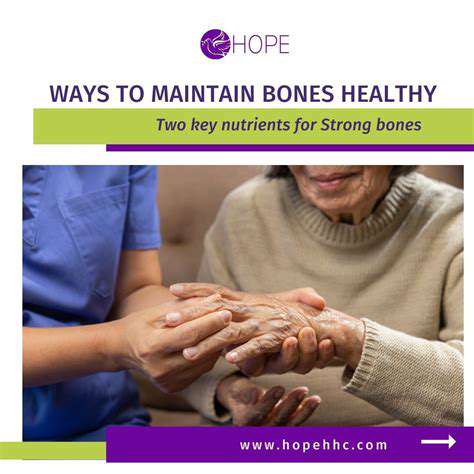
Maintaining optimal bone health requires a balanced diet rich in specific nutrients. Calcium and vitamin D stand out as vital components for bone density. Calcium helps obtain the necessary structure and strength in bones, while vitamin D facilitates calcium absorption. A deficiency in either can lead to weakened bones and an increased risk of fractures, particularly in older adults.

Other important nutrients include magnesium, phosphorus, and vitamin K, which contribute to bone matrix formation and mineralization. Research indicates that magnesium deficiency may negatively impact bone turnover and density, emphasizing the importance of a varied diet that includes leafy greens, nuts, and whole grains. Additionally, phosphorus works alongside calcium to form hydroxyapatite, a crystal that gives bones their strength.

  • Calcium and vitamin D are crucial for bone density.
  • Magnesium and phosphorus also play significant roles.
  • A diversified diet is essential to ensure all necessary nutrients are consumed.

Foods to Promote Bone Health

When it comes to promoting bone health, certain foods can play a significant role. Dairy products, such as milk and yogurt, are excellent sources of both calcium and vitamin D. Alternatively, for those who are lactose intolerant or prefer plant-based diets, fortified plant milks and juices can provide similar benefits. It's crucial to read labels to ensure these products contain adequate levels of nutrients.

Fruits and vegetables should not be overlooked either. Leafy greens like kale and collard greens provide both calcium and other essential vitamins. Furthermore, fatty fish like salmon and sardines contain natural vitamin D and omega-3 fatty acids, which have been linked to improved bone health. Integrating these foods into your meals can be a tasty way to support your skeleton.

Practicing Good Posture
PracticingGoodPosture

Understanding the Importance of Posture

Maintaining Proper posture is crucial for spinal health and reducing the risk of back pain. Poor posture can lead to unnecessary strain on the lumbar region, resulting in discomfort and long-term health issues. Research has shown that good posture not only alleviates pain but also enhances overall well-being. The spine works best when it is in alignment, allowing for optimal nerve function and muscle efficiency.

Additionally, studies have indicated that prolonged sitting can contribute significantly to poor posture. For instance, a 2018 study in the Journal of Physical Therapy Science highlights a direct correlation between prolonged sitting and posture-related discomfort. To counteract this, it’s important to frequently adjust your sitting position and incorporate standing or walking breaks into your routine.

Practical Tips to Improve Posture

  • Adjust your workspace to promote a neutral spine position.
  • Engage in regular physical activity that focuses on core strength.
  • Be conscious of your body alignment throughout daily activities.

Improving posture often requires intentional changes in daily habits. One effective approach is to adjust your seating arrangement, ensuring that your chair supports your lower back correctly and your feet are flat on the ground. Simple ergonomic adjustments can lead to significant improvements in both comfort and posture. For instance, using a supportive chair can minimize the strain on your spine.

Moreover, incorporating exercises that strengthen your core can play a pivotal role in enhancing your posture. Activities such as Pilates and yoga not only build core strength but also promote body awareness. This heightened awareness can serve as a reminder to maintain proper alignment throughout the day, effectively reducing the likelihood of back pain.

Consulting a Healthcare Professional

ConsultingaHealthcareProfessional

Understanding Bone Density and Its Impact on Lower Back Pain

  • Bone density plays a critical role in musculoskeletal health.
  • Lower bone density is often linked to higher instances of back pain.
  • Regular assessments can help monitor bone health.

Bone density refers to the amount of mineral matter per square centimeter of bones, and it is a crucial indicator of bone health. Research indicates that decreased bone density can lead to an increased risk of fractures and complications in the spine, contributing to chronic lower back pain. This connection highlights the importance of monitoring bone density, especially for individuals over 50 or those with risk factors such as a sedentary lifestyle or a family history of osteoporosis.

Taking proactive steps such as regular exercise, a balanced diet rich in calcium and vitamin D, and potentially medication as directed can help improve bone density. Moreover, understanding your bone health can empower you to make informed decisions regarding your physical activity and overall lifestyle, ultimately aiding in the management of lower back pain.

When to Seek Professional Help

Experiencing persistent lower back pain can be more than just a nuisance; it may signal underlying issues related to bone health that necessitate medical evaluation. If you notice that your pain lasts longer than a few weeks or worsens with normal activities, it’s essential to Consult a healthcare professional. Early intervention can make a significant difference in managing symptoms and preventing further complications.

Additionally, if you have a history of falls or fractures, or if you belong to categories at risk for osteoporosis, seeking professional advice should be a priority. Healthcare professionals can perform tests to evaluate your bone density and recommend appropriate treatments tailored to your specific needs. This might include lifestyle modifications, physical therapy, or even medications designed to enhance bone density and alleviate pain.

Read more about Lower Back Pain and Bone Density: Tips for Health

Guide to Sustainable Eating Practices
May 13, 2025
Guide to Using a TRX Suspension Trainer for Full Body Workouts
May 14, 2025
Best Snacks for Diabetics [Approved List]
May 21, 2025
How Much Water Do You Really Need Daily? (Calculation & Tips)
May 27, 2025
10 Best Exercises to Lose Belly Fat Fast
Jun 10, 2025
How to Reduce Sugar Cravings Naturally
Jul 26, 2025
Whole Foods, Substitutes, and Meal PrepWelcome to your ultimate resource for embracing a low-carb lifestyle! This comprehensive guide walks you through essential strategies, focusing on whole foods, innovative substitutes, effective meal planning, cooking techniques, and the importance of hydration and portion control. Focus on Whole FoodsUnderstanding whole foods is crucial. These are minimally processed foods free from artificial ingredients, including fresh fruits, vegetables, lean proteins, nuts, and seeds. Incorporating these into your diet helps regulate blood sugar, reduce cravings, and ensure you receive essential nutrients—key components in your weight loss journey. Opt for fresh apples over processed apple juice to make informed dietary choices. Shopping Tips for Whole FoodsWhen shopping, navigate the grocery store's perimeter, where fresh produce and proteins reside. Create a meal plan and shopping list weekly to ensure you have healthy options on hand. Local farmers' markets can offer seasonal and organic produce, enriching both your meals and your low-carb diet. Master Low-Carb SubstitutesSwitching from high-carb ingredients to healthier alternatives makes a significant impact. Think of ease in swaps: zucchini noodles can take the place of traditional pasta, or cauliflower rice can substitute for regular rice, slashing your carb intake without sacrificing flavor. Top Low-Carb Substitutes Include:- Zucchini noodles instead of traditional pasta- Cauliflower rice for regular rice- Almond or coconut flour replacing wheat flourThese choices are nutritious and keep your meals exciting while maintaining low-carb credentials. Plan and Prepare Meals Ahead of TimeMeal prepping saves time and promotes healthier eating habits. By dedicating one day a week to prepare your meals, you can avoid unhealthy last-minute options. Creating a weekly menu and shopping list enhances efficiency and helps you stay aligned with your weight-loss goals. Essential Steps for Effective Meal PlanningSelect nutritious recipes and organize your cooking schedule to include a variety of low-carb options. Store meals in airtight containers to maintain freshness. Easy reheating methods, such as steaming or using the oven, help retain flavors while preserving nutrients. Explore Flavorful Cooking TechniquesEmbrace cooking methods that enhance flavor without the added carbs. Techniques like sous vide, grilling, steaming, roasting, and stir-frying not only preserve the nutrients in your meals but also elevate their deliciousness. These methods use minimal fats, making them perfect for a low-carb diet. Stay Hydrated and Monitor PortionsHydration is vital in your weight loss journey. Aim to drink at least eight glasses of water daily, as staying hydrated can help control appetites. Combine hydration efforts with portion control by using smaller plates and always drinking water before meals to help reduce calorie intake.By following these guidelines, you can transform your approach to food, enjoying a balanced low-carb lifestyle that supports your health goals. Explore new flavors, incorporate whole foods, utilize low-carb substitutes, and stay hydrated for a successful dietary journey. Embrace this opportunity to savor delicious meals while achieving sustainable weight loss.
Feb 27, 2026
The Importance of Hydration for Spinal and Muscle Healthmeta-description: Discover the vital role hydration plays in maintaining spinal health and muscle function. Learn about the signs of dehydration, its effects on back pain, and practical tips for optimal hydration.--- The Role of Hydration in Spinal HealthProper hydration is essential for your overall health, particularly when it comes to spinal and muscle function. The gel-like substance within intervertebral discs absorbs water, allowing them to cushion your spine during movement. However, dehydration can lead to problems, as losing this vital moisture may cause disc degeneration and increased back pain over time. Understanding Hydration's ImpactWhen tissues are well-hydrated, they maintain their elasticity and flexibility, which supports a full range of motion. Research shows that even slight dehydration can negatively affect your body's function, potentially leading to injury. As you age, your spinal discs lose hydration naturally; however, inadequate water intake can speed up this process. Signs of Dehydration and Their Connection to Back PainIt's crucial to recognize the signs of dehydration, which include dry mouth, fatigue, reduced urine output, and headaches. A lack of hydration doesn't just make you feel thirsty; it can also exacerbate chronic back pain. Pay attention to your water intake, especially if you experience ongoing discomfort, as adequate hydration can be a simple yet effective strategy for pain relief. Benefits of Staying HydratedThe benefits of proper hydration extend beyond just pain management. Adequate water intake improves the transportation of nutrients to your spinal structures and helps prevent muscle cramps and strains. Staying hydrated supports overall metabolic function, leading to better tissue health and improved physical performance. Practical Tips for HydrationTo ensure you maintain proper hydration, consider carrying a reusable water bottle and setting reminders on your phone. Incorporate hydration-rich foods like cucumbers, oranges, and watermelon into your diet. Develop routines, such as drinking water before meals, to reinforce good habits. Individual Hydration NeedsRemember that hydration needs vary based on factors such as age, weight, and activity level. Athletes or individuals engaging in intense workouts will require more fluids. Consulting healthcare professionals can help you determine your specific hydration requirements. The Bigger Picture: Overall WellbeingHydration is linked to more than just spinal health; it affects cognitive function and mood. Taking steps to increase your water intake can improve your quality of life and physical performance. Prioritizing hydration not only helps manage back pain but also enhances overall well-being.---Incorporate these principles into your daily routine to improve your hydration levels and subsequently protect your spine and muscles. By understanding hydration's role in your health, you can take proactive measures to foster a stronger and more resilient body.
Mar 01, 2026
A Comprehensive GuideFoam rolling, a popular self-myofascial release technique, is essential for muscle recovery and pain relief. This guide explores the fundamentals of foam rolling, its benefits, effective techniques, and how to incorporate it into your fitness routine. Benefits of Foam RollingResearch indicates that foam rolling can significantly reduce muscle soreness after intense workouts, catering to athletes and fitness enthusiasts alike. By improving blood flow and breaking down muscle knots, it promotes flexibility and enhances recovery. Regular foam rolling sessions contribute to decreased delayed onset muscle soreness (DOMS) and overall better athletic performance. How Foam Rolling WorksFoam rolling works by applying pressure to muscle tissue and fascia, releasing tightness and improving circulation. This technique is beneficial for alleviating pain and restoring normal muscle function, making it a valuable addition to any physical wellness regimen. Effective Foam Rolling Techniques1. Start Slow: Apply gentle pressure and gradually increase intensity as needed.2. Target Key Areas: Focus on tender spots for 20-30 seconds to release tension effectively.3. Incorporate Movement: Combine dynamic stretches with foam rolling for enhanced results.4. Stay Hydrated: Drink water post-session to aid muscle recovery.5. Establish a Routine: Aim for 10-15 minutes of foam rolling two to three times a week. Common Mistakes to AvoidMany people apply excessive pressure too quickly, which can cause discomfort or injury. It's essential to listen to your body and focus on all muscle groups, even those that don't feel sore, as they play a role in overall muscle function. Foam Rolling for Specific ConditionsFoam rolling can be particularly beneficial for relieving lower back and hip pain. Techniques such as the Spine Roll and Hip Flexor Release effectively target tightness and improve mobility. Always consult a healthcare professional if you have pre-existing conditions. Combining Foam Rolling with StretchingIncorporating stretching post-foam rolling can further enhance muscle recovery and flexibility. Utilizing both techniques ensures comprehensive care for your muscles and aids in injury prevention. Precautions for Safe Foam RollingBefore starting, assess your body's specific needs and choose the right roller based on your experience level. Begin slowly and focus on deep breathing to improve relaxation and effectiveness. Be cautious around injuries and follow up foam rolling with gentle stretches to maximize benefits.---Incorporating foam rolling into your fitness routine can lead to significant improvements in muscle function, flexibility, and overall physical wellness. Whether you’re an athlete looking to enhance performance or someone seeking relief from everyday discomfort, foam rolling is an invaluable self-care practice.
Mar 02, 2026
Whether it’s legroom, seat recline, or quick aisle access, know what matters most.- Research your options: Use resources like SeatGuru to check reviews and specifications.- Book early: Enjoy choosing your seat before options become limited as your travel date approaches. Packing the Essentials for Comfort Choosing the Right LuggageYour luggage impacts your airport experience. Opt for lightweight, ergonomic designs that minimize strain on your back. Look for suitcases with telescoping handles and spinner wheels for easy maneuverability. Essentials for Lumbar SupportA lumbar roll or specialized travel cushion can help maintain spinal alignment during your flight, reducing discomfort. In-Flight Strategies for Comfort Staying HydratedCabin air is usually dry, leading to dehydration. Drink plenty of water before, during, and after your flight—aiming for eight ounces an hour can help stave off discomfort. Mindful Posture and MovementMaintaining good posture is essential for back health. Sit upright with your back supported and feet flat on the floor. Don't forget to get up and move every hour and incorporate discreet in-seat exercises like ankle rolls and seated twists. Mindfulness TechniquesPracticing breathing exercises or engaging in guided meditation can help relieve anxiety and discomfort during the flight. Consider using apps like Headspace for aid during your journey. Post-Flight Strategies for ReliefLong flights can lead to significant strain on your back. After landing, engage in gentle stretching or yoga to ease muscle tension. Investing in quality travel accessories, such as lumbar supports and travel pillows, can make a noticeable impact on your comfort. ConclusionBy making informed choices about your seat selection, packing effectively, practicing good hydration, and employing mindful techniques during your flight, you can transform your travel experience. Incorporate these tips to minimize discomfort and arrive at your destination feeling refreshed and ready to go.
Mar 03, 2026
The Connection Between Mindset and Health Understanding Mindset and Its Impact on HealthMindset significantly influences our health outcomes. Studies indicate individuals with a positive mindset often engage in healthier behaviors, leading to improved well-being. Optimism correlates with lower stress levels and better immune function, as research shows that positive thinking reduces cortisol—the body’s stress hormone. The Role of Stress and Emotional Well-beingStress management is closely tied to mindset. Those maintaining a positive outlook tend to cope with stress more effectively, reducing the risk of stress-related health issues. Emotional well-being also affects recovery from surgeries and illnesses, with strong research backing its role in enhancing health outcomes. Practical Ways to Cultivate a Positive MindsetDeveloping a positive mindset is achievable through techniques like mindfulness and meditation. Engaging in such practices has been shown to diminish stress and increase mental clarity. Setting realistic health goals, maintaining a strong support system, and investing time in self-care are also vital components for fostering a positive attitude. Evidence from ResearchNumerous studies establish a clear connection between a positive mindset and enhanced health benefits. Optimistic individuals display increased longevity and have better recovery experiences, which emphasizes the importance of mental attitudes in physical healing. The Mind-Body ConnectionThe mind-body connection illustrates how our mental states directly impact physical health outcomes. For example, the placebo effect demonstrates how belief in treatment efficacy can lead to genuine physiological responses, further highlighting the need for integrated mental and emotional health strategies in disease prevention. How Positive Thinking Influences Healing ProcessesNumerous studies underline that a positive mindset can enhance immune responses, reduce inflammation, and result in faster recovery from illnesses. Maintaining an optimistic outlook aids individuals in adhering to treatment plans, thereby improving overall outcomes. Mindfulness and Visualization TechniquesPracticing mindfulness helps individuals manage their emotional states during health challenges. Techniques such as visualization, where patients imagine successful healing outcomes, have been statistically linked to improved recovery rates and overall wellness. Real-Life Examples of TriumphCase studies show how positive thinking can significantly impact recovery in patients battling chronic illnesses, like cancer. Patients who engage in positive affirmations and journaling tend to report less pain and better treatment responses, highlighting the importance of mental health in physical recovery. Practical Tips to Foster a Positive Mindset 1. Set Achievable Health GoalsUse the SMART criteria to create clear and realistic objectives. 2. Practice GratitudeDaily gratitude journaling can significantly enhance overall outlook and reduce stress. 3. Leverage AffirmationsReinforce your abilities and worth through positive affirmations to enhance self-esteem. 4. Engage in Mindfulness and MeditationRegular practice can lead to reduced anxiety and improved mental clarity, crucial for navigating health challenges. 5. Build a Supportive NetworkSurrounding yourself with supportive individuals can create a conducive environment for positive change. 6. Engage in Physical ActivitiesPhysical activity releases endorphins that elevate mood, improving overall quality of life.Fostering a positive mindset not only enhances emotional well-being but is crucial for overall health and recovery. Consider integrating these practices into your life to experience tangible health benefits.
Mar 06, 2026
Symptoms, Causes, and TreatmentSacroiliac joint pain is a prevalent condition often resulting in discomfort localized in the lower back and buttocks. Recognizing the distinct symptoms, such as a deep aching sensation that may radiate to the legs, is essential for effective diagnosis and treatment. Individuals experiencing increased pain after prolonged sitting or standing should distinguish this condition from other lower back issues like sciatica. Common Causes of Sacroiliac Joint DysfunctionFactors contributing to sacroiliac joint dysfunction include injuries, degeneration, and inflammatory conditions. Traumatic incidents, such as falls, can misalign the joints, leading to pain and instability. Additionally, conditions like arthritis can deteriorate cartilage, intensifying discomfort. Pregnancy is another notable factor as hormonal changes can exert excessive stress on the pelvis, necessitating careful monitoring of symptoms during and after this period. Diagnostic TechniquesDiagnosing sacroiliac pain typically involves a thorough physical examination where healthcare providers assess joint mobility and tenderness. Specialized tests, like the FABER test, and imaging techniques such as X-rays or MRIs are often employed to rule out other underlying conditions. Lifestyle Factors Impacting Sacroiliac PainSedentary behaviors and poor posture significantly influence the severity of sacroiliac joint pain. Regular low-impact exercises like walking or swimming can improve flexibility and strengthen the muscles supporting the joint, thereby reducing discomfort. Maintaining a healthy weight is also crucial, as excess weight adds pressure to the pelvic region. Collaborating with healthcare providers on balanced diet and exercise plans can foster better recovery outcomes. Conservative TreatmentsConservative treatments commonly commence with physical therapy, including stretching and strengthening exercises to stabilize the pelvic area. Techniques like heat or ice therapy can provide immediate relief during flare-ups. Over-the-counter NSAIDs are effective for reducing inflammation, but discussing ongoing symptoms with a healthcare provider ensures tailored advice. Natural Relief OptionsMany individuals find relief through natural techniques. Acupuncture has gained traction for its ability to stimulate specific body points and release endorphins, which can mitigate pain. Incorporating anti-inflammatory foods, such as omega-3 rich fish and antioxidant-rich fruits, into your diet can enhance joint health. A combination of dietary and lifestyle changes often yields the best results. When to Seek HelpConsultation with a healthcare professional becomes necessary when experiencing acute pain that disrupts daily activities, persistent discomfort lasting weeks, or symptoms like numbness indicating potential serious issues. Signs of underlying conditions, such as fever or unexplained weight loss, should prompt immediate evaluation. Comprehensive AssessmentProfessional evaluation typically includes diagnostic imaging and an examination to determine the pain's root causes. Discussing the pain history in detail will allow healthcare providers to tailor treatment plans that effectively address both symptoms and underlying issues.By understanding the symptoms, causes, and treatment options for sacroiliac joint pain, individuals can take proactive steps towards management and recovery, ensuring improved quality of life.
Mar 09, 2026
View Publications>>