How Stress Causes Physical Back Pain and How to Stop It
Outline
Stress increases back pain through muscle tension and hormonal changes.
Poor posture during stress can exacerbate back pain symptoms.
Mindfulness and yoga help reduce stress and alleviate back pain.
Identifying personal stressors is key to managing pain effectively.
Professional help, including therapy, aids in chronic pain management.
Physical activity quickly reduces stress and promotes overall wellness.
Ergonomics and posture are crucial for preventing stress-induced pain.
Integrating self-care enhances long-term physical and emotional health.
The Connection Between Stress and Back Pain
Understanding the Mechanism of Stress-Induced Pain
The physiological connection between stress and back pain involves various biochemical pathways. When stress occurs, the body releases stress hormones like cortisol and adrenaline. These hormones function to prime the body for 'fight or flight,' resulting in muscle tension, changes in posture, and increased pain perception. Research has shown that individuals under chronic stress exhibit a higher incidence of back pain, suggesting that emotional health directly affects physical well-being.
Studies indicate that emotional stress can lead to tightened muscles, particularly in the back, which may cause discomfort and pain over time. This muscle tension can contribute to misalignments and reduced mobility, creating a self-perpetuating cycle of stress and physical strain. Understanding this can empower individuals to take proactive steps in managing both their mental and physical health.
The Role of Posture in Stress Levels
Many people are unaware of how their posture is linked to stress and, consequently, back pain. Poor posture, often developed during periods of high stress or anxiety, can lead to misalignment of the spine. This misalignment results in strain on the back muscles, exacerbating discomfort and pain. Ergonomics can play a significant role here; ensuring a properly aligned workstation can help reduce overall stress on the body.
Practicing good posture not only alleviates physical strain but can also have psychological benefits. When you stand or sit with an open posture, it signals a sense of confidence and control, potentially reducing feelings of stress. Simple adjustments, like maintaining a neutral spine and relaxing shoulders, can contribute to better coping mechanisms in times of high stress.
Stress Management Techniques
There are several effective Stress Management Techniques that can help mitigate back pain. Techniques such as mindfulness, yoga, and cognitive-behavioral therapy (CBT) have all been shown to be beneficial. Mindfulness practices encourage individuals to focus on the present moment, which can serve as a counterbalance to stress-induced thoughts and worries. Meanwhile, yoga combines physical movement with mindfulness, providing both a physical and psychological release.
Moreover, engaging in regular physical activity is beneficial for reducing stress. Exercise releases endorphins, which can elevate mood and lower feelings of anxiety. Low-impact exercises, such as swimming and walking, can be particularly effective for those already experiencing back pain. Consulting with a healthcare professional or a physical therapist can help tailor a program suited to individual needs.
Identifying Stressors Related to Back Pain
One effective strategy for managing stress and its associated back pain is to identify personal stressors. Common sources can include work-related pressures, relationship challenges, or financial concerns. Recognizing these triggers is the first step in developing coping strategies. Journaling or discussing these issues with a trusted friend or mental health professional can provide clarity and insight into how these stressors may be affecting physical health.
Additionally, some individuals may experience stress at a subconscious level, making it vital to become aware of physical responses to stress, such as muscle tension or discomfort. Techniques like body scanning can help individuals locate areas of tension and learn to release it consciously. By understanding the relationship between stressors and back pain, individuals can take more proactive steps towards a healthier lifestyle.
Research consistently shows a significant correlation between chronic stress and musculoskeletal pain, emphasizing the need for early intervention and self-awareness.
Seeking Professional Help for Chronic Pain Management
For individuals experiencing persistent back pain related to stress, it may be beneficial to seek professional assistance. Healthcare providers, including physical therapists, chiropractors, and mental health professionals, can offer tailored treatment plans. These plans may incorporate elements of physical rehabilitation, chiropractic adjustments, and psychotherapy to address the full scope of the individual's challenges.
Incorporating a multi-disciplinary approach is often the most effective way to manage stress-related back pain. Each specialist can provide insights and techniques that target different aspects of the problem, thereby ensuring a holistic treatment experience. However, it's essential to have open communication with all practitioners involved to ensure that the interventions are complementary and conducive to overall recovery.
How Stress Causes Muscle Tension and Back Pain
Understanding Muscle Tension
Muscle tension is the body's way of responding to stress and anxiety. When faced with stressors, the body often goes into a 'fight or flight' mode, causing the muscles to tighten. This involuntary response can lead to significant discomfort, especially in the back and neck areas. Research indicates that chronic stress can contribute to persistent muscle tension, creating a cycle that is hard to break.
In fact, a study published in the Journal of Psychosomatic Research found that individuals experiencing high levels of stress reported a greater incidence of muscle pain and discomfort. This connection validates the relationship between emotional wellbeing and physical sensations, emphasizing the need for stress management techniques.
The Role of Stress Hormones
When stress occurs, the body releases hormones such as cortisol and adrenaline. These hormones prepare the body for immediate action, which is beneficial in short bursts but harmful when stress becomes chronic. Over time, elevated levels of these hormones can lead to increased muscle tension, poor posture, and ultimately pain. The systemic effects of stress hormones can impair muscle recovery and exacerbate pre-existing conditions, contributing to a cycle of pain.
Identifying Stress-Induced Back Pain
Recognizing whether back pain is stress-related can be challenging. Symptoms often mimic those caused by injury or medical conditions, making it essential to analyze the context of pain. Individuals may notice that their discomfort peaks during particularly stressful periods or in conjunction with anxiety symptoms. Keeping a pain journal can be helpful in identifying patterns and triggers.
Effective Stress Reduction Techniques
Implementing practical Stress reduction strategies can significantly mitigate muscle tension and back pain. Techniques such as progressive muscle relaxation, deep breathing exercises, and mindfulness meditation have shown promising results in reducing stress-related symptoms. For example, a routine of daily stretching not only calms the mind but also releases muscle tightness, promoting better physical health.
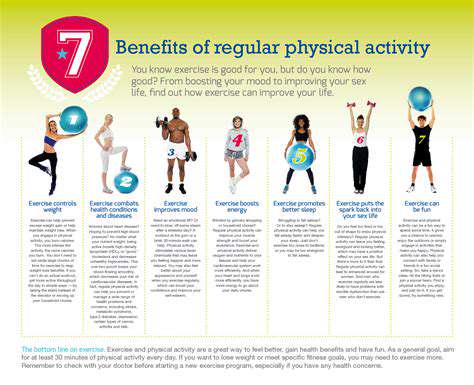
Regular physical activity, whether through yoga, walking, or strength training, also helps in releasing endorphins—natural pain relievers—and reducing stress levels. Aim for at least 30 minutes of moderate exercise several times a week to support both mental and physical wellness.
Additionally, seeking professional treatment from a physical therapist or counselor can provide personalized strategies for managing stress and alleviating pain, fostering a more comprehensive approach to your well-being.
The Importance of Ergonomics
Another crucial aspect of preventing stress-induced muscle tension is maintaining proper ergonomics, particularly during prolonged periods of sitting or standing. Poor posture can exacerbate muscle tension and lead to chronic back pain. Simple adjustments, such as ensuring a neutral spine position while sitting or using ergonomic furniture, can make a significant difference.
Moreover, taking regular breaks throughout the day to stand, stretch, or walk can help reduce the risks associated with prolonged static positions. Being mindful of your body mechanics during everyday activities can also prevent additional strain on the back, which is especially important in high-stress environments.
Effective Stress Management Techniques
Mindfulness and Its Role in Stress Reduction
Mindfulness practice has gained traction in recent years for its effectiveness in managing stress. Research published in the journal Psychological Science shows that engaging in mindfulness meditation can significantly enhance emotional regulation and reduce stress levels. By focusing on the present moment without judgment, individuals can cultivate a sense of calm that extends beyond their meditation sessions.
Implementing mindfulness techniques into your daily routine can be straightforward. Simple practices, such as mindful breathing or guided imagery, can help anchor your awareness in the present, allowing you to respond to stress more strategically. Taking just 10 minutes each day to engage in mindfulness can reduce physiological effects of stress on the body, which includes nerve tension in the back and neck area.
Physical Exercise as a Stress Management Strategy
Regular physical activity is one of the most effective ways to manage stress, with studies consistently indicating a direct correlation between exercise and reduced anxiety levels. Engaging in aerobic exercises, such as running, swimming, or even brisk walking, has been proven to trigger the release of endorphins, neurotransmitters that enhance mood and provide a natural stress relief mechanism. The American Psychological Association emphasizes that 30 minutes of exercise multiple times a week can lead to remarkable improvements in mental health.
Additionally, activities like yoga and tai chi focus not only on physical movement but also on breath control and mental concentration. These exercises can improve flexibility and strength while fostering relaxation, significantly reducing the tension that often contributes to back pain related to stress. Local fitness classes or online platforms offer a range of options to help you find an exercise routine that suits your lifestyle.
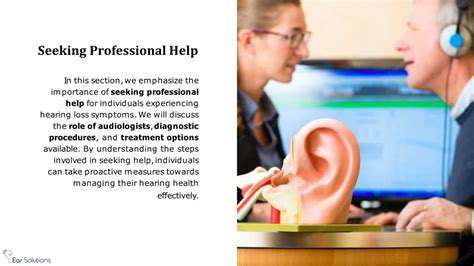
Seeking Professional Help
Identifying the Source of Stress
To effectively address back pain linked to stress, it is essential first to determine the Source of that stress. This may involve analyzing your professional life, personal relationships, or even daily habits. Understanding whether the stress is chronic, acute, or situational assists in tailoring interventions.
One common method to pinpoint stress sources is by maintaining a journal. Recording your thoughts, feelings, and physical sensations can help identify patterns. For example, are you more tense on weekdays due to work demands? Such insights will aid healthcare providers in making informed decisions regarding your treatment.
Consulting Physical Therapists
Physical therapists are specially trained to restore function and relieve pain. They use various treatments tailored to individuals, including targeted exercises, manual therapy, and education about posture. Research has shown that Physical therapy significantly reduces both pain and disability associated with back pain linked to stress.
Moreover, a customized exercise regimen crafted by a physical therapist not only enhances physical strength but also promotes mental well-being. Engaging in regular physical activity releases endorphins, which can mitigate stress levels and further alleviate back pain.
Engaging with Mental Health Professionals
Stress is often a psychological concern, and mental health professionals are equipped to provide effective strategies. Cognitive-behavioral therapy (CBT) has proven to be particularly effective. This therapeutic approach helps individuals identify harmful thought patterns and replace them with healthier ones. Research suggests that anyone experiencing significant stress and resultant physical pain should consider this option.
Incorporating mindfulness and stress-reduction techniques, like meditation, can also be valuable. Regular sessions may improve resilience against stress, thus lessening the physical symptoms like back pain. Mental health experts can guide you in integrating these practices into your daily routine.
Exploring Chiropractic Care
Chiropractic care focuses on musculoskeletal health, particularly spine alignment. Through adjustments, chiropractors can help alleviate tension that often contributes to back pain. Numerous studies have indicated that chiropractic intervention can lead to substantial improvements for individuals coping with stress-induced back pain.
Additionally, chiropractors often offer advice on lifestyle changes, ergonomics, and physical activities that can help reduce future occurrences of pain. This comprehensive approach not only tackles the current issue but also serves as a preventive measure for migraines and muscle strain.
Trying Alternative Therapies
Alternative therapies such as acupuncture or massage therapy have also gained popularity in managing stress-related back pain. Acupuncture, based on traditional Chinese medicine, targets specific points in the body to enhance flow and alleviate pain. A systematic review published in the Journal of Pain found acupuncture to be effective for various pain conditions, including back pain.
- Massage therapy reduces muscle tension and improves circulation.
- Acupuncture targets specific points to enhance well-being.
- Both therapies can promote relaxation and stress management.
Implementing Self-Care Strategies
Incorporating self-care strategies can play a crucial role in managing stress and mitigating back pain. Relaxation techniques, such as deep breathing and meditative practices, can significantly reduce tension. A study published in the Journal of Occupational Health Psychology indicated that individuals who practiced regular self-care experienced lower stress levels.
Additionally, prioritizing sleep and maintaining a balanced diet are fundamental self-care practices. Lack of adequate rest and poor nutrition can exacerbate stress levels, further complicating physical ailments. Therefore, integrating these practices into your daily routine contributes to long-term health and well-being.
Read more about How Stress Causes Physical Back Pain and How to Stop It






Hot Recommendations
-
*Anti Inflammatory Foods to Cook for Pain Management
-
*High Protein Breakfasts for Weight Loss and Muscle Tone
-
*Electrolyte Balance for Runners: The Key to Endurance
-
*Understanding Bulging Discs and Natural Management
-
*How Gratitude Can Help You Overcome Addiction
-
*Healthy Lunch Prep for Weight Loss Success
-
*The Impact of Running Surface on Joints and Speed
-
*Exercises to Avoid if You Have Lower Back Pain
-
*Using Resistance Bands for Lower Back Strengthening
-
*How Gratitude Increases Emotional Resilience