Why Running Cross Training Includes Swimming and Cycling
Benefits of Swimming for Cross-Training
Swimming is an excellent option for those engaged in running and cycling cross-training. This full-body workout helps to enhance cardiovascular fitness without putting excessive stress on joints. Studies, such as one published in the Journal of Sports Medicine, demonstrate how swimming can significantly improve aerobic capacity and lung function.
Moreover, the buoyancy of water reduces the impact on knees and ankles, making it an ideal choice for athletes recovering from injuries or those seeking to prevent them. Incorporating Swimming into a training regimen can lead to improved muscle balance, allowing runners to strengthen underused muscle groups associated with their primary sport.
Additionally, swimming promotes flexibility due to the varied strokes and movements. The repetitive arm motions and leg kicks can enhance mobility, which is often overlooked in running and cycling. This improved flexibility can contribute to better overall performance and a reduced risk of injury in runners and cyclists alike.
Incorporating Swimming into Your Training Routine
To effectively blend swimming into your training, consider setting clear objectives, such as endurance building or enhancing specific skills like stroke technique. Aim for two to three swim sessions per week, focusing first on technique before progressing to distance or intensity. Balance your swims with your running and cycling schedules to allow sufficient recovery time.
Many athletes find it helpful to track their progress, whether by using a swim watch or maintaining a log of their distances and times. This not only motivates but also helps identify areas for improvement. Consider joining a local swim group or enrolling in classes to enhance your skills and stay accountable, making the transition smoother and more engaging.
Cycling: Building Endurance and Strength
Understanding Cycling as Endurance Training
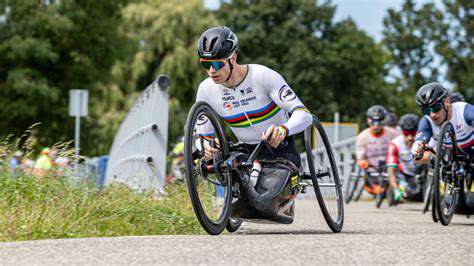
Cycling is an incredibly effective way to build endurance, and research supports this claim. According to a study published in the *Journal of Sports Science* in 2020, individuals who engaged in regular cycling saw significant improvements in their aerobic capacity. By incorporating long-distance rides into your training regimen, you can enhance your cardiovascular fitness remarkably.
Additionally, cycling allows for a lower impact on the joints compared to running. This is particularly beneficial for those recovering from injuries or those with chronic joint pain.
Strength Building with Cycling
While cycling is predominantly viewed as an endurance activity, it also contributes significantly to Muscle Strength. When you pedal, particularly uphill or against resistance, you engage various muscle groups, including the quadriceps, hamstrings, and calves. This muscle engagement not only helps in building strength but also improves overall power output.
- Engaging muscle groups includes: Quadriceps, Hamstrings, Calves.
- Improves overall power output during performance.
- Reduces the risk of injury through increased muscle support.
Complementing Running with Cycling
For runners, cycling serves as an excellent cross-training option. A survey of runners conducted by the *American College of Sports Medicine* revealed that those who cycled regularly maintained their running performance more effectively than those who did not cross-train. This highlights the benefits of integrating cycling for not only maintaining fitness but also enhancing running days.
Furthermore, cycling can improve running economy, which translates to greater efficiency during running. Incorporating a few cycling sessions each week can lead to superior performance on the running track.
Injury Prevention through Cycling
Injuries are a common concern for runners, and incorporating cycling can play a pivotal role in prevention. The lower-impact nature of cycling allows athletes to maintain their fitness levels without exacerbating injuries. A 2021 study from *Sports Medicine* noted that athletes who cross-train are 30% less likely to suffer from overuse injuries.
Integrating cycling into your workout routine can also aid in recovery, allowing you to maintain cardiovascular conditioning while reducing stress on the joints.
Cycling Techniques to Improve Performance
To maximize the benefits of cycling in cross-training for running, it is essential to incorporate diverse cycling techniques. High-intensity interval training (HIIT) on a bike can boost cardiovascular endurance effectively. As noted in research from the *International Journal of Sports Physiology and Performance*, HIIT cycling sessions led to improved VO2 max among trained athletes.
Another technique involves varying resistance levels, which can simulate the varying terrains encountered in running. This kind of training helps prepare your muscles for the uneven surfaces often faced on runs.
Creating a Balanced Workout Plan
When designing a training program that includes cycling, balance is crucial. A well-rounded schedule should integrate cycling workouts with running days effectively. For instance, you might schedule cycling on days when your body needs recovery from running, allowing for active recovery without strain.
Moreover, consult with a coach or trainer who can help tailor a plan specific to your fitness level and goals. This personalized approach will help ensure that you achieve optimal results from your cross-training efforts.
How Swimming and Cycling Assist Recovery
Benefits of Swimming for Recovery
Swimming serves as a low-impact exercise that can greatly aid in recovery after intense running sessions. Unlike high-impact activities, swimming allows the body to move freely while reducing strain on joints and ligaments. Research from the Journal of Sports Medicine indicates that the buoyancy of water can help alleviate soreness by providing gentle support to muscles, making it an excellent option for recuperating athletes.
Additionally, the controlled resistance in water can enhance blood circulation, which is essential for muscle recovery. Studies have shown that increased blood flow helps in delivering oxygen and nutrients to fatigued muscles, thus accelerating healing processes. Incorporating swimming into your routine post-run can also improve flexibility and range of motion, which might contribute to overall performance during future runs.
The Role of Cycling in Recovery
Cycling is another effective cross-training option for runners looking to improve their recovery. Engaging in cycling can stimulate the legs without the added pressure that comes with running. This is particularly beneficial after long runs or races when muscles are fatigued and need rest. The American College of Sports Medicine highlights that cycling can reduce lactic acid build-up in muscles, facilitating a quicker recovery phase.
Incorporating cycling sessions into a recovery routine can also help maintain cardiovascular fitness without the risk of injury associated with prolonged running. It’s recommended to adhere to a moderate intensity during cycling sessions—such as riding at a conversational pace—to ensure the body is effectively repairing itself while still reaping the rewards of aerobic activity.
Combining Swimming and Cycling to Enhance Running Performance
Benefits of Swimming for Runners
Swimming is a Low-impact aerobic exercise that allows runners to build cardiovascular endurance without the stress on their joints. This is particularly beneficial for runners recovering from injuries or those looking to avoid overuse ailments. According to a study published in the Journal of Sports Medicine, integrating swimming into a training regimen can enhance overall aerobic fitness by up to 10%.
Moreover, the unique resistance presented by water helps to strengthen various muscle groups that are not predominantly stressed during running. This includes the core, shoulders, and back. Runners who swim regularly often experience improved posture and stability, key components for maintaining efficiency during long runs.
Cycling's Role in Endurance Training
Cycling presents another opportunity for runners to cross-train effectively. It engages different muscle fibers than running, which helps prevent fatigue and reduces the likelihood of injuries. A study from the American College of Sports Medicine highlighted that cyclists can maintain a high level of cardiovascular fitness even during low-impact sessions, making it an excellent complement to running schedules.
Beyond muscle variety and joint safety, cycling supports leg strength development and enhances power output. When you cycle, you're working your quadriceps, hamstrings, and calves in a manner that may differ from the typical running motion, allowing for balanced muscle growth. Incorporating cycling sessions can lead to improved hill-climbing abilities and sprinting power in runners.
Additionally, cycling can be more enjoyable for some athletes, particularly when exploring scenic routes. This element of enjoyment can help sustain motivation over time.
Integrating Swimming and Cycling into a Running Routine
Creating a Balanced training plan that includes swimming, cycling, and running requires careful consideration of training loads and recovery periods. One recommended structure is to schedule swim workouts two to three times a week, keeping them to 30-45 minutes each session. This allows for adequate recovery while still getting the benefits of cross-training.
Cycling can be incorporated on days designated for shorter or recovery runs. For instance, a easy run followed by an hour of cycling can provide a solid workout without straining the legs too much. Keeping the intensity moderate in both activities can enhance overall performance without leading to burnout.
It’s also essential to track your progress in each discipline. Using training logs to monitor improvements in swimming and cycling will provide insights into how these activities boost running performance. This systematic approach will help identify the most effective combinations and adjustments needed for optimal results.
Read more about Why Running Cross Training Includes Swimming and Cycling



![How to Recover Faster After Workouts [Tips & Techniques]](/static/images/26/2025-07/ListentoYourBody3ARecognizingandAddressingSignsofOvertraining.jpg)





Hot Recommendations
-
*Lower Back Pain After Running: Causes and Solutions
-
*Hip Flexor Stretches to Relieve Lower Back Tension
-
*How a Positive Mindset Accelerates Physical Healing
-
*Creating a Morning Gratitude Ritual for Daily Focus
-
*How Gratitude Helps You Stay Committed to Fitness Goals
-
*Running Drills for Speed: Improve Your Efficiency Fast
-
*Hill Sprints for Runners: Building Explosive Power and Speed
-
*Progression Runs: How to Safely Build Speed and Distance
-
*Healthy Soups and Stews for Cold Weather Weight Loss
-
*Whole Food Recipes That Support Sustainable Weight Loss