Hill Sprints for Runners: Building Explosive Power and Speed
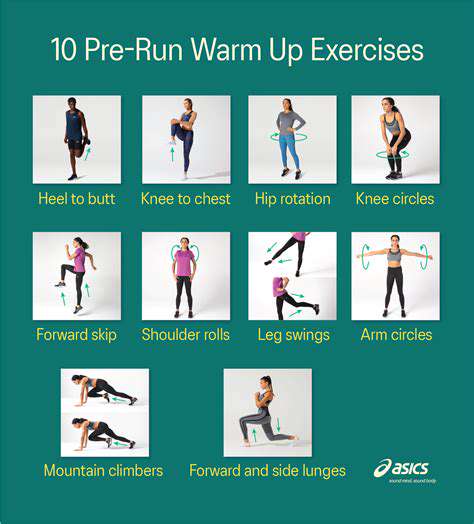
Before starting your hill sprint routine, ensure you incorporate a thorough warm-up. This not only prepares your muscles for the effort ahead but also activates your cardiovascular system. A combination of dynamic stretches and light jogging is generally recommended. Furthermore, it’s advisable to choose a hill that has a moderate incline, ideally ranging between 5% to 10% grade. This Gradient is steep enough to challenge your strength without putting excessive strain on your muscles.
- Choose a hill with a 5% to 10% incline.
- Incorporate a thorough warm-up routine.
- Focus on short, rapid strides during sprints.
- Maintain an upright posture with a slight forward lean.
After your sprinting session, take time to cool down and stretch to aid recovery. Significant effort at high intensities can lead to muscle tightness, so giving your body proper care post-workout is critical. Finally, establishing a proper recovery routine will enable you to reap the maximum benefits from your hill sprint workouts, making you quicker and more explosive on the running track.
Incorporating Hill Sprints into Your Training Plan

Understanding the Mechanics of Hill Sprints
Hill sprints target various muscle groups, primarily the fast-twitch fibers, which play a crucial role in generating explosive power. This focus on Explosive Strength is essential for improving overall sprinting performance. When you run uphill, these muscles engage more intensely compared to flat sprints, leading to significant gains in speed and power.
The biomechanics involved in hill sprints also reduce the impact on joints. As the incline increases, your body maintains a more upright posture, reducing strain on the knees and other lower body joints, which is vital for Injury Prevention.
Incorporating Hill Sprints into Your Weekly Routine
Integrating hill sprints into your training week necessitates planning. A suggestion for beginners is to start with one hill sprint session weekly. As your body adapts, you can add a second session—ensuring ample recovery time between them is crucial.
- Start with a warm-up that includes dynamic stretches and light jogging.
- Select a hill with a moderate incline (5-10%) for optimal impact and safety.
- Focus on duration; start with 15-30 second sprints and include rest periods of 1-3 minutes.
Hill sprints should complement your existing workouts, such as endurance runs or strength training, creating a balanced training regimen.
Benefits of Hill Sprints for Explosive Power Development
One of the primary advantages of hill sprints lies in their ability to develop explosive power. Studies show that this type of sprinting can enhance acceleration capabilities significantly. Stronger accelerators are more competitive in races.
Additionally, combining hill sprints with plyometric exercises can amplify these benefits. Activities like box jumps or bounding enhance the neuro-muscular connections, leading to quicker and more explosive movements during regular runs.
Moreover, hill sprints condition your cardiovascular system. They're an efficient way to perform high-intensity interval training (HIIT), which has been linked to better VO2 max—an essential measure of aerobic fitness.
Potential Risks and How to Mitigate Them
While hill sprints are beneficial, they come with potential risks like muscle strains or injuries if not performed correctly. Proper form is vital; ensure you’re using acceleration rather than overstriding, which can lead to injury.
Additionally, always listen to your body. If you feel excessive fatigue or pain during sprints, it may be better to back off and adjust the intensity. Injuries often arise from pushing too hard too soon.
Another crucial tip is to ensure adequate warm-up and cool-down periods. Stretching major muscle groups and doing dynamic movements before sprinting can make a significant difference in injury prevention.
Measuring Progress and Adjusting Your Training
Tracking your progress is essential for improvement. Consider recording your times and perceived exertion levels during each hill sprint session. This data will help identify patterns and allow you to make necessary adjustments to your training plan.
Every few weeks, test yourself with timed sprints on a consistent hill. Looking for improvements in speed or how you feel when completing them can indicate your growing fitness level. You can adjust your intensity and recovery period based on this self-assessment.
Enhancing Recovery Post-Hill Sprints
Recovery is as crucial as the training itself. After hill sprints, consider incorporating active recovery techniques such as light jogging or cycling to facilitate blood flow and reduce muscle soreness. This can help expedite recovery and reduce stiffness.
Nutritional support plays a vital role too. Having a well-balanced meal or shake rich in protein and carbohydrates shortly after your workout can help replenish glycogen stores and repair muscle tissue.
Finally, prioritize rest days. Adequate sleep and downtime ensure that your body can repair and strengthen, making you well-prepared for the next bout of hill sprints.
Common Mistakes to Avoid During Hill Sprints
Neglecting Proper Warm-up and Cool Down
Before diving into hill sprints, it's crucial to establish a consistent warm-up routine. A dynamic warm-up that includes exercises like leg swings, high knees, and butt kicks can elevate your heart rate and prepare your muscles, helping to prevent injuries. Research indicates that a well-structured warm-up can enhance performance by improving muscle elasticity and range of motion. Neglecting this aspect can lead to strains or pulls, which can sideline your training for weeks.
Equally important is the cool-down phase. Spend time performing static stretches focusing on the hamstrings, quadriceps, and calves after each session. Cool-downs help your muscles to recover and aid in reducing soreness. Studies suggest that implementing a proper cool-down can facilitate quicker recovery, thus preparing you for your next sprint session without the lingering fatigue.
Ignoring Personal Limits and Overtraining
One common mistake among runners is pushing past their personal limits during hill sprints. It’s vital to listen to your body, especially when starting. If you experience discomfort or excessive fatigue, it's prudent to scale back. A study published in the Journal of Sports Science indicates that overtraining can lead to diminished performance, chronic fatigue, and increased risk of injury. Hence, finding the balance between challenge and recovery is essential.
Moreover, gradual progression is key in training. Incorporating hill sprints once a week and allowing adequate recovery time is a wise approach. Keep in mind that every runner’s capacity is different, informed by factors such as fitness level, body composition, and overall health. Set realistic goals, monitor your progress, and adjust as needed to optimize both performance and safety.
Read more about Hill Sprints for Runners: Building Explosive Power and Speed





![How to Train for a 5K Run [Plan Included]](/static/images/26/2025-07/NutritionandRecoveryStrategiesforOptimalPerformance.jpg)