Whole Food Recipes That Support Sustainable Weight Loss
Ingredients for a Nutritious Quinoa Fruit Bowl
To create a delicious and healthy Quinoa Fruit Bowl, you will need a selection of whole foods. Begin with cooked quinoa, which serves as the base for your bowl. Aim for about 1/2 cup of cooked quinoa, as it's high in protein and provides essential amino acids that aid in muscle repair and growth. Additionally, include a variety of fresh fruits such as strawberries, blueberries, banana slices, or kiwi. Fresh fruits contribute vitamins, antioxidants, and fiber that are crucial for a balanced meal.
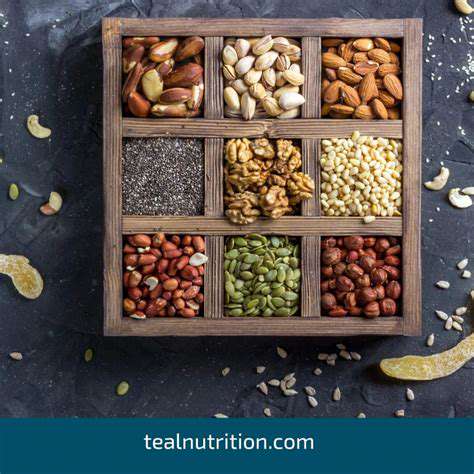
For a burst of flavor and nutrition, consider adding nuts like almonds or walnuts. A tablespoon of chopped nuts not only enhances the texture but also provides healthy fats that support heart health. You may also choose to incorporate a dollop of Greek yogurt for creaminess, which adds probiotics beneficial for gut health. Remember, the combination of ingredients can be tailored to personal preferences and seasonal availability, making the bowl versatile.
Preparation Tips for Optimal Enjoyment
When preparing your Quinoa Fruit Bowl, it's essential to rinse the quinoa before cooking to remove any residual saponins that may impart a bitter flavor. Use a 2:1 water-to-quinoa ratio for cooking, bringing it to a boil before lowering the heat and covering it. After about 15 minutes, when the grains are fluffy, allow it to cool. Cooling the quinoa can elevate the bowl's texture and keep it refreshing, especially during warmer months.
Arranging your fruit artfully can transform a simple meal into an appealing dish. Layer the ingredients over the quinoa instead of mixing everything together to create visual contrast. This approach not only makes it more visually inviting but also allows for a variety of flavors to be experienced with each bite. Consider garnishing with a sprinkle of cinnamon or a drizzle of honey for added sweetness.
The Health Benefits of Quinoa and Fruits
Quinoa is considered a superfood due to its high protein content and the presence of essential vitamins and minerals such as magnesium, zinc, and B vitamins. A serving provides about 8 grams of protein, making it an ideal choice for those looking to boost their protein intake without relying solely on animal products. Furthermore, quinoa's low glycemic index makes it a smart option for those managing blood sugar levels.
Fruits are well-known for their Health Benefits, contributing antioxidants, vitamins, and fiber. Berries, for instance, are particularly high in antioxidants like anthocyanins, which have been linked to improved cardiovascular health. Including a variety of fruits not only enhances the flavor profile but also ensures a spectrum of nutrients that can aid in various bodily functions, from digestion to skin health.
Customizing Your Bowl for Dietary Preferences
One of the great advantages of the Quinoa Fruit Bowl is its adaptability to different dietary needs. For plant-based diets, you can substitute Greek yogurt with a plant-based alternative like almond or coconut yogurt, which still provides a creamy texture while being completely dairy-free. Additionally, for those with nut allergies, feel free to use seeds such as pumpkin or sunflower seeds, which also pack in a healthy dose of fats and proteins.
If you're looking to increase your fiber intake further, consider adding chia or flax seeds to the mix. Just a tablespoon can provide a significant boost in omega-3 fatty acids and fiber, promoting satiety and digestive health. Customization allows this dish to cater not only to personal tastes but also to specific nutritional goals, making it a staple in weight management strategies.
Storing and Meal Prepping Your Quinoa Bowl
For those who meal prep, the Quinoa Fruit Bowl offers excellent flexibility. Cooked quinoa can be stored in the fridge for up to five days, making it easy to prepare several servings at once. Divide the portion into meal prep containers, and it can be easily combined with fruits and toppings right before you're ready to eat. This not only saves time but also ensures you have a healthy meal on hand during busy days.
Keep in mind that some fruits may not hold up well over time, with bananas and berries having a more limited shelf life compared to sturdier fruits like apples or pears. When preparing ahead, consider mixing the ingredients just before consumption to maintain freshness. Investing some time in meal prepping can support sustainable weight loss, as it makes healthy eating convenient and accessible.
Lunch Recipe: Chickpea Salad with Lemon Tahini Dressing
Ingredients: A Nutrition-Packed Foundation
The core of any successful salad begins with fresh, high-quality ingredients. In this chickpea salad, we utilize canned or cooked chickpeas, which offer a fantastic source of Plant-based protein and fiber. A standard serving of chickpeas contains approximately 15 grams of protein and 13 grams of fiber, which can help promote satiety and support digestion. Adding cucumbers, cherry tomatoes, and bell peppers not only enhances the visual appeal but also boosts the vitamin content significantly.
Incorporating fresh herbs like parsley or cilantro serves not just as a flavor enhancer but also enriches the dish with additional antioxidants. Some studies suggest that herbs can aid in reducing inflammation and oxidative stress in the body. Selecting organic vegetables when possible ensures that your meal is as clean and healthy as it can be, contributing to an overall sustainable approach to weight management.
Preparation Steps: Making It Easy and Quick
Preparation of the chickpea salad is straightforward and should take no longer than 15 minutes—perfect for a quick lunch. Start by draining and rinsing the chickpeas to remove excess sodium. Chop your vegetables into bite-sized pieces for optimal texture and ease of eating. Mixing everything in a large bowl allows for an even distribution of ingredients, making each bite flavorful.
Lemon Tahini Dressing: Flavor and Health Benefits
The dressing is a pivotal element that elevates the chickpea salad. Blend tahini with fresh lemon juice, garlic, water, and a pinch of salt for a creamy and tangy dressing that's rich in healthy fats. Tahini, made from sesame seeds, contains high levels of calcium, magnesium, and iron, contributing to overall health. A tablespoon of tahini delivers around 90 calories but also provides beneficial nutrients that can support muscle function and bone health.
For an even smoother consistency, consider using a food processor to blend the ingredients until creamy. Adding a hint of maple syrup can balance the tartness of the lemon, enhancing the overall flavor profile. This dressing not only brings together the salad but also encourages a balanced intake of nutrients with each serving.
Serving Suggestions: A Versatile Dish
This chickpea salad is not only satisfying on its own but also pairs well with various whole grain options. For instance, serving it over quinoa or brown rice adds another layer of nutrients and makes it a more complete meal, helping to sustain energy levels throughout the day. You can even use it as a filling for whole grain wraps or pita pockets for a convenient on-the-go lunch.
To really diversify your meal, consider omitting ingredients that may not be to your liking or swapping them out for seasonal produce. Adding roasted sweet potatoes or avocado can introduce new textures and flavors, while also contributing to a well-rounded nutritional profile. Experiment with different additions to find the combination that satisfies your taste buds while supporting your weight loss goals.
Dinner Recipe: Spaghetti Squash with Marinara Sauce
Ingredients and Nutritional Benefits of Spaghetti Squash
Spaghetti squash serves as an excellent base for a nutritious meal, offering a low-calorie alternative to traditional pasta. Each cup of cooked spaghetti squash contains only about 42 calories, making it a popular choice among those pursuing sustainable weight loss. Additionally, it is rich in vitamins A and C, essential for maintaining healthy skin and immune function.
Other significant nutritional components of spaghetti squash include dietary fiber and antioxidants, which contribute to digestive health and may lower the risk of chronic diseases. For instance, fiber aids in satiety, helping you to feel fuller for longer periods, which can be beneficial for weight management. Incorporating spaghetti squash into your meals can thus support general health while satisfying various dietary preferences.
Step-by-Step Preparation of Marinara Sauce
To create a delicious marinara sauce from scratch, you'll need fresh tomatoes, garlic, onions, herbs, and olive oil. Start by sautéing minced garlic and chopped onions in olive oil until soft and fragrant. Subsequently, add diced tomatoes to the mixture, allowing them to simmer. This cooking method enhances the flavors while retaining the nutrients. Fresh basil and oregano make excellent additions for an aromatic experience.
Once the sauce has thickened to your desired consistency, season with salt and pepper to taste. For an elevated flavor profile, consider adding a pinch of red pepper flakes to introduce a slight heat. This Homemade Marinara is not only packed with flavor but also avoids the added sugars and preservatives often found in store-bought versions. A jar of this sauce can be refrigerated or frozen for convenience, making it an easily accessible staple for healthy meals.
Snack Idea: Roasted Chickpeas
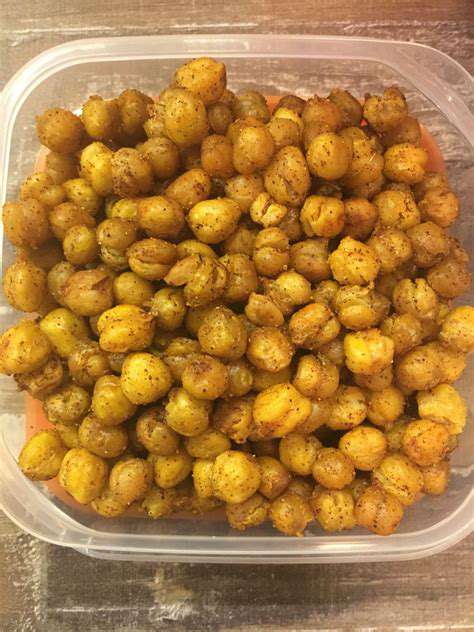
Health Benefits of Roasted Chickpeas
- High in fiber, aiding in digestion and maintaining a feeling of fullness.
- Rich in protein, making them an excellent vegetarian snack option.
- Low in calories compared to many traditional snack foods.
Roasted chickpeas are not only flavorful but also bring a multitude of health benefits. They are High in fiber, which supports a healthy digestive system and helps you feel satisfied longer. This can be particularly beneficial for those looking to manage their weight effectively.
In addition to fiber, roasted chickpeas are also a great source of plant-based protein. This makes them a perfect option for anyone following a vegetarian or vegan diet, as they provide essential amino acids needed by the body.
How to Prepare Roasted Chickpeas
Preparing roasted chickpeas is simple and can be done in just a few steps. Begin by preheating your oven to 400°F (200°C). Drain and rinse one can of chickpeas, then pat them dry with a paper towel to remove excess moisture. This is crucial for achieving that desirable crunch.
Next, toss the chickpeas with olive oil and your choice of seasonings. Popular options include garlic powder, paprika, and sea salt. The key is to experiment with spices to find your preferred flavor profile. Once seasoned, spread the chickpeas on a baking sheet and roast for about 20-30 minutes, shaking the pan occasionally to ensure even cooking.
Flavor Variations to Try
One of the exciting aspects of roasted chickpeas is the variety of flavors you can experiment with. For a spicy kick, try adding cayenne pepper or chili powder before roasting. For those who prefer a sweeter option, toss chickpeas with cinnamon and a touch of maple syrup.
Another popular flavor combination includes lemon zest and herbs such as rosemary or thyme. With such versatility, you can transform a basic chickpea snack into an exciting culinary experience!
Nutritional Overview
Roasted chickpeas are an impressive addition to any diet, offering a well-rounded nutrient profile. One cup of roasted chickpeas typically contains around 210 calories, 10 grams of fiber, and approximately 15 grams of protein. These nutritional stats make them a guilt-free snack option that not only satisfies hunger but also supports daily protein needs.
Moreover, chickpeas are packed with vitamins and minerals such as folate, iron, and magnesium. This makes them an excellent choice for individuals focusing on nutrient density in their diets, particularly when aiming for sustainable weight loss.
Incorporating Roasted Chickpeas into Meals
Roasted chickpeas can easily be incorporated into various meals throughout the day. They make a delightful addition to salads, adding crunch and protein without the extra calories typically found in high-fat toppings. Sprinkle them over greens, or mix them into grain bowls for a filling and nutritious meal.
Additionally, roasted chickpeas can serve as a topping on soups or stews, providing a satisfying contrast in texture. If you enjoy snacking, keep a batch on hand to curb those afternoon cravings in a healthier manner.
Storage Tips for Freshness
To keep roasted chickpeas crispy, it is essential to store them properly. Allow them to cool completely before transferring to an airtight container. They can last up to a week at room temperature, thanks to the low moisture content.
For extended storage, consider keeping them in the refrigerator or freezer. If they become staly over time, you can re-crisp them by placing them back in the oven for a few minutes at a low temperature.
Why Choose Roasted Chickpeas Over Processed Snacks?
Choosing roasted chickpeas over processed snacks offers numerous advantages. Many processed snacks are laden with additives, preservatives, and unhealthy fats that can undermine your weight loss efforts. In contrast, roasted chickpeas are a wholesome choice that provides real nutrition without compromising taste.
Furthermore, the act of preparing roasted chickpeas at home allows for full control over ingredients, ensuring that they align with your dietary preferences. This not only factors into maintaining a healthy lifestyle but also supports the overall objective of sustainable weight loss by prioritizing whole foods.
Read more about Whole Food Recipes That Support Sustainable Weight Loss

![Best Food Sources for Iron [Vegetarian and Non Vegetarian]](/static/images/26/2025-05/BeyondFood3ALifestyleConsiderations.jpg)



Hot Recommendations
-
*The Secret to Increasing Your Running Endurance Without Burnout
-
*0 Actionable Tips for Immediate Lower Back Pain Relief
-
*Quick Healthy Meals Using Rotisserie Chicken
-
*Healthy Mexican Food Recipes for Weight Loss
-
*How Gratitude Improves Cognitive Function in Aging
-
*Training for a Sub 20 Minute 5K: Expert Tips
-
*Using Vinegars and Citrus for Low Calorie Flavor
-
*Impact of Hamstring Flexibility on Lower Back Health
-
*How to Stay Motivated for Early Morning Runs
-
*The Relationship Between Gratitude and Stress Hormones