Stretches to Do at Your Desk for Back Pain Prevention
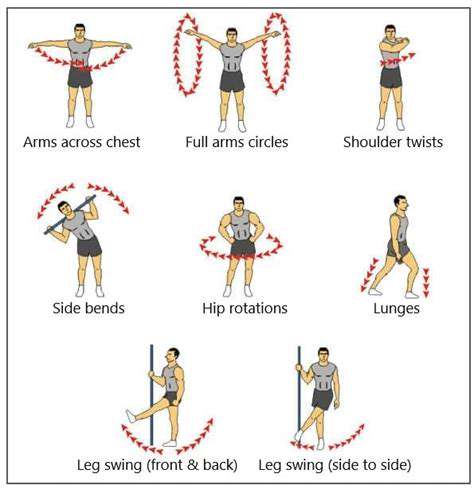
- Neck tilt: Reduces stiffness.
- Shoulder rolls: Enhances circulation.
- Chest opening stretch: Counteracts rounded shoulders.
Additionally, practicing shoulder rolls can enhance mobility. By rotating the shoulders back and forth, you encourage blood flow and flexibility in the shoulder joint. Incorporating these stretches into your daily routine can lead to long-term benefits.
When to Incorporate Stretches
The best times to perform neck and shoulder stretches are during short breaks or at the end of the workday. Many experts suggest that engaging in these stretches every hour can help maintain muscle elasticity and prevent stiffness. The key is to prioritize your well-being amidst a busy work schedule.
Even a few minutes dedicated to stretching can create significant changes over time. It’s a simple yet effective method to counteract the negative effects of prolonged sitting and to promote a healthier work environment.
Additional Tips for Prevention
Aside from stretching, consider adjusting your workspace ergonomically. The height of your chair, monitor, and keyboard can greatly influence your posture and tension levels. A well-aligned workstation minimizes stress on the neck and shoulders.
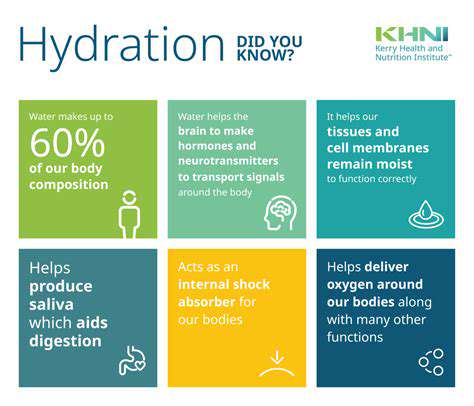
Also, staying hydrated is crucial as it helps maintain muscle elasticity. Additionally, be mindful of your sitting posture; ensure your feet are flat on the ground and your back is supported. Small changes in your daily habits can lead to substantial improvements in managing back pain.
3. Standing Forward Bend
Understanding the Benefits of Standing Forward Bend
The Standing Forward Bend, known as Uttanasana in yoga terminology, serves as a powerful stretch for the entire posterior chain. Regularly incorporating this stretch into your routine can promote flexibility in the spine and hamstrings. A study published in the *Journal of Strength and Conditioning Research* highlighted that consistent stretching can enhance muscle elasticity, which is crucial for preventing injuries, particularly in those who sit for long periods.
This posture doesn't just help in physical flexibility; it can also reduce mental fatigue. Some research indicates that stretches like Uttanasana may help lower levels of stress by improving blood flow to the brain. This revitalizing effect can be particularly beneficial for desk workers who often experience mental burnout.
How to Perform the Standing Forward Bend Correctly
To perform the Standing Forward Bend correctly, begin by standing tall with your feet hip-width apart. Inhale deeply, raising your arms towards the ceiling. On the exhalation, hinge at the hips and fold forward, allowing your hands to touch the floor or rest on your shins if that’s more comfortable. Ensure your knees remain slightly bent if you feel tension in your hamstrings.
It’s important to maintain a straight back as you fold. This ensures that you are stretching effectively without putting undue strain on your lower back. Engaging your core during this movement helps maintain stability. A research article in *Physiotherapy Theory and Practice* suggests that proper alignment can significantly reduce back pain, making this a safe and efficient stretch for anyone in a sedentary role.
Integrating Standing Forward Bend into Your Daily Routine
Incorporating the Standing Forward Bend into your daily work routine can be very straightforward. Try setting reminders every hour to take a quick stretching break. This can help counteract the tightness that often accumulates from prolonged sitting. Aim to hold the position for 30 seconds to a minute, focusing on your breath to deepen the stretch.
Additionally, consider pairing this stretch with deep breathing exercises to maximize its benefits. Breathing deeply while in the pose helps to oxygenate your muscles and aids in higher energy levels. Many professionals endorse taking just a few minutes every hour to stretch, as it can increase productivity and keep your body limber throughout the day, significantly improving overall well-being.
4. Cat-Cow Stretch
Understanding the Cat-Cow Stretch
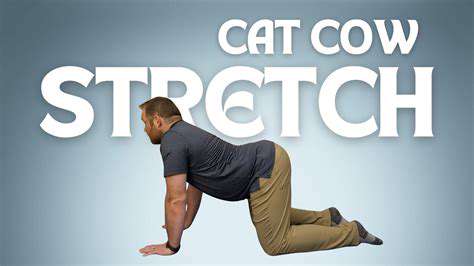
The Cat-Cow stretch is a popular yoga pose that enhances flexibility and boosts spinal health. It alternates between two positions: the cat pose and the cow pose. This dynamic movement promotes better posture, which is crucial for those who spend long hours sitting at a desk.
Research indicates that performing stretches like the Cat-Cow can help Reduce chronic back pain by loosening tight muscles and improving circulation. This stretch is particularly effective in targeting the lumbar spine, which often bears the brunt of prolonged sitting. Moreover, it can be easily incorporated into your work routine without needing special equipment.
Benefits of the Cat-Cow Stretch
One of the key benefits of the Cat-Cow stretch is its ability to enhance spinal mobility. Increased flexibility in the spine can lead to a significant reduction in back pain. This is particularly important for desk workers, as consistent compression of the spine can lead to discomfort and tension over time.
- Improves posture and overall spinal alignment.
- Increases blood flow to the spine and surrounding muscles.
- Actively engages core muscles for better stability.
Additionally, this stretch alleviates tension from the neck and shoulders, areas frequently affected by sustained inactivity. By targeting these key muscle groups, the Cat-Cow stretch not only provides relief but also serves as an energizing break during your workday.
How to Perform the Cat-Cow Stretch
To begin, start on all fours, ensuring your wrists are aligned with your shoulders and your knees with your hips. Inhale deeply as you arch your back, allowing your belly to drop toward the floor for the cow expansion. This movement opens up your chest and serves as a great counter to hunching over a desk.
Next, exhale slowly while rounding your back and tucking your chin into your chest, transitioning into the cat position. Focus on the flow between these two movements to maximize effectiveness. Aim for 5 to 10 cycles, maintaining a steady breath to maintain focus and relaxation.
Incorporating Cat-Cow Stretch into Your Daily Routine
Add this stretch to your daily routine to minimize desk-related back pain. Set reminders every hour to take a few moments to perform this stretch. Reminders can be as simple as a sticky note on your computer or a sound alert on your phone.
Moreover, try to pair the stretch with brief walking breaks or standing exercises. This combination will enhance blood circulation even further, mitigating some of the negative effects of prolonged sitting. Taking just 2-3 minutes for mobility can significantly benefit your overall well-being throughout the workday.
Precautions and Considerations
While the Cat-Cow stretch is generally safe for most individuals, it is important to listen to your body. If you have existing back issues or injuries, consult a healthcare provider before attempting this stretch. They may offer modifications to ensure you can participate safely and effectively.
Pay attention to your body alignment during the stretch. Poor form can lead to strain rather than relief. For maximum benefits, engage your core muscles while performing the movements to support your spine and ensure a proper range of motion. This will also enhance the effectiveness of the stretch.
Conclusion: The Cat-Cow Stretch as a Desk Essential
The Cat-Cow stretch is not just a yoga move; it's an essential tool for combating the adverse effects of a sedentary lifestyle. Regular practice can vastly improve spinal health and overall comfort while working at your desk. Integrating this dynamic stretch can lead to long-term benefits, Enhancing productivity and mitigating the painful aftermath of desk work.
So next time you feel discomfort creeping in after hours of sitting, remember that a few minutes of the Cat-Cow stretch could make all the difference. Commit to this simple routine, and you'll likely notice significant improvements in how you feel both physically and mentally throughout your workday.
5. Chest Opener Stretch

Understanding the Chest Opener Stretch
The Chest Opener Stretch is a valuable exercise that targets the muscles in your chest and shoulders. It is particularly helpful for those who spend long hours seated, as it counteracts the forward hunch that often develops from poor posture. By incorporating this stretch into your routine, you improve flexibility and relieve tension throughout the upper body.
This stretch is easy to perform, requiring no special equipment. It's an excellent addition to your office routine, especially when done in short breaks. Regularly practicing this stretch can contribute to overall well-being and is crucial for maintaining good posture while working at a desk.
Benefits for Posture and Alignment
One of the most significant benefits of the Chest Opener Stretch is its ability to enhance posture. When we sit for extended periods, our bodies tend to slump, leading to misalignment. By stretching the chest muscles, this exercise helps restore a proper alignment, allowing for a more upright posture. Proper alignment not only enhances physical appearance but also improves respiratory function, making it easier to breathe deeply.
This improvement in posture can have a powerful impact on your overall health and productivity. A well-aligned body reduces discomfort and fatigue, allowing you to focus better on your work. Studies have shown that individuals with better posture report higher levels of energy and reduced stress.
How to Perform the Chest Opener Stretch
To perform the Chest Opener Stretch effectively, follow these simple steps:
- Stand with your feet shoulder-width apart.
- Clasp your hands behind your back and straighten your arms.
- Gently pull your shoulders back and away from your ears, opening up the chest.
- Hold the stretch for 15-30 seconds while breathing deeply.
It's essential to keep your core engaged throughout the stretch to maintain stability. Remember to breathe deeply during the hold to enhance the stretch and improve oxygen flow to the muscles. This simple routine can be done whenever you take a break at your desk, promoting flexibility and relaxation.
Frequent Mistakes to Avoid
While the Chest Opener Stretch is straightforward, there are common mistakes that can diminish its effectiveness. One frequent error is overstretching, which can lead to injury or discomfort. Make sure to listen to your body and only stretch to a comfortable limit.
Another mistake is neglecting to engage the core. Failing to do this can cause an exaggerated arch in the lower back, potentially leading to pain. It's vital to keep the core stable while performing the stretch. Incorporating the right technique ensures maximum benefit.
Incorporating the Stretch into Your Daily Routine
Incorporating the Chest Opener Stretch into your daily routine can significantly enhance your experience at work. Set reminders to perform the stretch at regular intervals throughout the day, particularly during long periods of sitting. Completing this stretch 2-3 times daily can yield substantial improvements in comfort and posture.
Additionally, consider pairing this stretch with other exercises that target different muscle groups. This approach will create a comprehensive stretching routine that addresses various areas of tension and imbalance, enriching your overall health and productivity.
Conclusion: The Importance of Regular Stretching
Regular stretching, such as the Chest Opener Stretch, plays a crucial role in maintaining a healthy lifestyle, especially for office workers. As back pain remains one of the most common issues faced in today's work environment, proactive measures like stretching can help mitigate these problems. Making stretching a part of your daily routine is not just beneficial but essential for long-term health.
In conclusion, the Chest Opener Stretch is an approachable yet impactful exercise that contributes to back pain prevention. By committing to this daily practice, you can enjoy improved posture, reduced tension, and enhanced overall well-being while working at your desk.
Read more about Stretches to Do at Your Desk for Back Pain Prevention